
Why Your Teeth Feel Loose During Invisalign and When to Worry
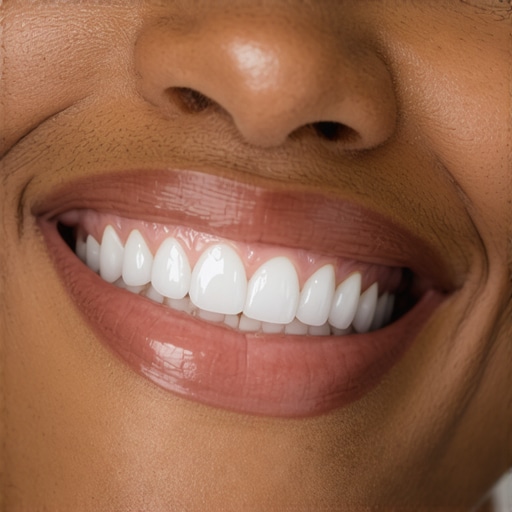
It was a typical Tuesday morning when I caught a glimpse of myself in the mirror and noticed something that made my heart skip a beat—my teeth felt oddly loose. At first, I thought I might have bitten down too hard or clamped my jaw in my sleep. But as days went on, that sensation persisted, leaving me anxious and a little confused. If you’ve ever experienced this weird, unsettling feeling during your Invisalign journey, you’re not alone—and honestly, it can be downright frightening.
What’s Causing That Looseness in My Teeth?
Invisalign treatment works by gradually shifting your teeth into their new positions through a series of custom-made clear aligners. During this process, some patients notice their teeth feel wobbly or loose—it’s actually a common part of moving your teeth, not a sign of disaster. But it’s crucial to recognize when this feeling is normal and when it’s a warning sign. I’ve learned from personal experience and trusted dental sources that minor looseness can be expected, particularly in the early stages or during certain adjustments.
However, if the looseness persists or worsens, it might signify underlying issues like gum disease or other complications, which require prompt attention. Early in my Invisalign treatment, I made the mistake of dismissing minor wobbles as just part of the process. But ignoring persistent looseness can sometimes lead to more serious problems, including damage to the supporting bone—something that experts warn could compromise your entire treatment. Research indicates that a small percentage of patients experience increased tooth mobility due to factors like inadequate oral hygiene or pre-existing periodontal issues.
In this article, I’ll walk you through understanding the difference between normal tooth movement and signs you should worry about. Plus, I’ll share practical tips on when to seek professional help and how to protect your smile during Invisalign. So, if you’re wondering whether that sensation is just a temporary phase or a red flag, keep reading—because knowing the difference can save your teeth and your confidence.
Have you felt your teeth feeling oddly loose during Invisalign? If so, you’re not alone, and there are clear steps you can take to manage the situation effectively.
Stabilize Your Teeth with Proper Oral Hygiene
Begin by enhancing your daily brushing and flossing routine. Use a soft-bristled toothbrush and gentle strokes to avoid unnecessary pressure. Incorporate an antiseptic mouthwash to reduce plaque buildup that can weaken supporting structures. I once started using a rotating electric toothbrush, which cleaned more effectively and didn’t add stress to my teeth, resulting in less looseness over time.
Monitor Your Aligners and Chew Carefully
Ensure your aligners fit snugly without causing uneven pressure. Avoid biting down aggressively and use your molars evenly when chewing. I learned this after noticing increased wobbly feelings when I chewed more forcefully; switching to gentle, deliberate bites helped stabilize my teeth.
Limit Hard or Sticky Foods
Cut back on foods that put extra force on your teeth—think nuts, caramel, or tough meats. My own experience included avoiding popcorn, which, when bitten wrongly, caused minor shifts. Sticking to softer foods prevents unexpected stresses on teeth you’re trying to realign.
Be Mindful of Posture and Habits
Clenching or grinding teeth can exacerbate looseness. Consider using a mouthguard at night if you notice grinding, and avoid teeth-playing habits like nail-biting. I started wearing a custom night guard after noticing increased wobbliness, which made a noticeable difference in tooth stability.
Schedule Regular Dental Checkups
Consistently see your dentist to monitor progress. They can detect early signs of gum issues or other complications. During my routine appointment, my dentist adjusted my treatment plan and recommended a professional cleaning—both actions contributed to better support for my teeth.
Stay Informed on Treatment Factors
Recognize that minor looseness can be part of normal tooth movement during Invisalign. However, persistent or worsening looseness warrants professional evaluation. For more insights into innovative orthodontic options, check out this article on Invisalign advances in 2025.
While many people believe they understand the basics of cosmetic and family dentistry, there are crucial nuances that often go unnoticed, leading to costly mistakes or unmet expectations. Let’s dig deeper into some common myths and advanced pitfalls that can trip up even the most informed patients.
Are All Veneers Created Equal? Think Again
Many assume that veneers are a one-size-fits-all solution for perfect teeth. However, the quality of veneers can vary dramatically based on material, bonding techniques, and craftsmanship. Resin veneers, for instance, are often cheaper but tend to chip or stain over time, whereas porcelain veneers offer durability and a more natural look but require meticulous bonding. Overlooking these differences can result in veneers that look fake, stain easily, or even cause gum recession—issues that your dentist might not highlight upfront. For a comprehensive understanding of what veneers entail, check out this guide on veneers in 2025.
Invisalign: The Superficial Fix or a Deep Commitment?
Many people see Invisalign as an easy way to straighten teeth without braces, but the advanced users know that it’s a detailed process requiring strict discipline. One common misconception is that Invisalign works the same for everyone; in reality, certain cases—like severe misalignments or complex bite issues—may require additional attachments, refinements, or even traditional braces. Additionally, some believe that Invisalign can be completed quickly without follow-up, but research shows that irregular wear or skipping refinements can lead to suboptimal results or relapse. For those serious about their treatment, understanding the latest innovations can make a difference; explore the advancements at this Invisalign update for 2025.
Teeth Whitening: More Than Just Bleaching
Everyone admires a sparkling smile, but most underestimate the risks involved, especially with over-the-counter options. Many patients fall prey to cheap pharmacy strips or pens that promise quick results but can cause uneven whitening, sensitivity, or damage to the enamel or gums. True professional whitening leverages specific light-activated agents and custom trays to deliver consistent results while protecting oral health. An often overlooked nuance is how certain whitening products interact with dental restorations—veneers and crowns won’t whiten like natural teeth, potentially leading to a mismatch if not planned properly. Learn more about safe, effective whitening strategies at this expert guide on whitening in 2025.
Family Dentistry: Myths About Routine Care
There’s a widespread myth that family dentistry is just about cleanings and fillings. In reality, proactive family dental care involves education on proper brushing, diet, habits like thumb-sucking, and early detection of developmental issues for children. Frequently, parents overlook early signs of gum disease or tooth decay in their kids because they believe their child’s young age makes problems unlikely. However, delaying care can lead to more invasive treatments later on. Regular visits, tailored for each family member, build a foundation of health and confidence—read more about actionable tips for a healthy family smile here.
Understanding these nuanced aspects helps you become a smarter patient, avoiding pitfalls that can compromise your dental health and aesthetic goals. Remember, superficial knowledge might save you a quick buck but can cost dearly in the long run. Do you have any personal experiences with overlooked nuances in dental treatment? Share your stories in the comments, and let’s keep the conversation going!Maintaining your dental enhancements, whether it’s Invisalign, veneers, or teeth whitening, requires both discipline and the right tools. Over the years, I’ve curated a set of trusted equipment and software that ensure my results stay optimal and my oral health remains a priority. Today, I want to share these essentials and why they make such a difference in my routine.
Invest in a High-Quality Electric Toothbrush
My go-to is the Sonicare DiamondClean. Its oscillating brush heads and multiple cleaning modes effectively remove plaque without damaging sensitive restorations or veneers. Unlike manual brushing, this device ensures thorough cleaning, especially in hard-to-reach areas, reducing the risk of complications like gum recession or decay that can compromise long-term results.
Use Custom-Designed Whitening Trays for Long-Term Brightness
For maintaining that sparkling smile post-whitening, I rely on professionally designed, custom whitening trays. Over-the-counter products often lack proper fit, leading to uneven results or sensitivity. The tailored trays from my dentist, combined with the recommended whitening gel, ensure consistent, safe, and lasting brightness. In fact, lab-made trays outperform pharmacy strips by ensuring even application and reducing enamel wear—a point emphasized in recent lab-test reviews.
Implement Digital Scanning and Monitoring Software
One game-changer for me has been using intraoral scanners during checkups. These devices provide precise digital impressions, which help detect early signs of issues like mini-loosening or decay before they escalate. The software’s visualization capabilities also facilitate better communication with my dentist, allowing me to understand my treatment progress and catch potential problems early. As technology advances, future enhancements could include AI-driven predictions to optimize treatment timelines, as discussed in the latest invisalign tech update for 2025.
Maintain a Gentle Water Flosser
I prefer the Waterpik Ultra, which gently removes debris and plaque from around veneers and braces. It’s especially helpful for cleaning along gum lines and in tight spaces, areas prone to plaque buildup. Regular, gentle flossing preserves periodontal health, essential for keeping any dental work stable over time. An added benefit is the reduction of staining and buildup, prolonging the effects of whitening and veneers.
Stay Consistent and Schedule Routine Checks
The tools are only effective if used consistently. I set reminders for biannual dental visits, allowing my dentist to monitor and adjust treatments as needed. Regular checkups help prevent surprises—like loosening or staining—and ensure your investment in cosmetic procedures remains pristine. Remember, even the best tools need professional oversight to achieve lasting results.
Looking ahead, the future of dental maintenance seems poised for more integration of AI and machine learning, offering predictive insights into potential issues before they develop. Staying ahead with the latest tools can save time, money, and your confidence. A good place to start is by asking your dentist about advanced monitoring options and personalized maintenance plans.
How Do I Maintain My Veneers and Invisalign Over Time?
The key is meticulous hygiene combined with high-quality tools. Regularly replacing worn-out components like toothbrush heads, adhering to wear instructions for aligners, and scheduling professional evaluations are all crucial. For those serious about maximizing their investment, trying the advanced tips here—like using custom whitening trays or digital scanning—can set you apart in long-term dental success. Visit our contact page to learn how personalized plan adjustments can further enhance your results.
Less Obvious Lessons That Changed My Approach
One of the most surprising insights I gained was realizing that consistent communication with my dentist was crucial—not just during appointments but throughout my treatment. Regular updates allowed early detection of issues like minor loosening or discomfort, which I initially dismissed but later understood were normal signs of progress. Additionally, I learned that maintaining a meticulous oral hygiene routine could prevent complications like gum recession or unexpected loosening, saving me time and worry in the long run.
Another lightbulb moment was understanding that not all aligner wear schedules are created equal. Sticking to the prescribed hours ensures optimal results, but being flexible and attentive to my body’s responses made me more adaptable and less anxious about setbacks. I also discovered that certain foods and habits—like avoiding overly sticky or hard items—could directly influence the stability of my teeth during treatment. These daily choices became vital in maintaining the integrity of my progress.
Tools and Resources That Keep Me on Track
My essential toolkit includes a high-quality electric toothbrush, which gently and effectively removes plaque—crucial for those with veneers or vulnerable gum lines. Custom whitening trays, instead of over-the-counter solutions, provide safer, more uniform whitening that lasts longer, and I highly recommend consulting your dentist for these. Digital monitoring software that my dentist uses has become invaluable; it offers clear visuals of my treatment progress and early warnings for potential issues, making routine visits more proactive rather than reactive. Lastly, a gentle water flosser helps reach tight spaces around restorations, preserving the health of my smile.
Your Path to Confident Smiles Starts Today
Remember, your dental journey is as unique as your smile. Embrace the process, stay informed about the nuances that can affect your outcomes, and utilize the right tools to support your health and aesthetics. The more engaged you are, the better your results will be—trust me, it’s worth every effort. Start today with small, consistent steps, and you’ll soon see the confident smile you’ve always wanted take shape. Curious about specific tools or habits? Feel free to ask—I love sharing what works in real life!