
The Truth About Charcoal Toothpaste and Your Thining Enamel
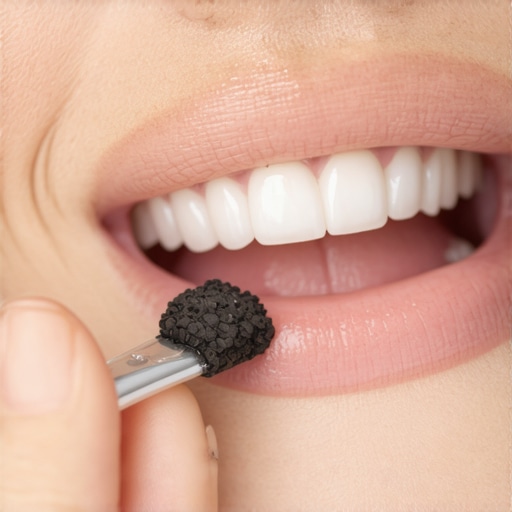
I vividly remember the day I first switched to charcoal toothpaste, excited about promising whiter teeth and a fresh feeling that seemed to promise a little boost of confidence. But within a week, I noticed a strange sensitivity every time I drank iced coffee or even just rinsed with water—crisp, almost startling, like my teeth had become more fragile overnight. It was a lightbulb moment: I had been duped into thinking that all-natural options are automatically safe.
Ever since, I’ve dug deep into the smoky, sometimes controversial world of charcoal toothpastes, learning that they might do more harm than good—especially if you’re like me, with already thinning enamel. This isn’t just idle gossip or marketing hype; it’s a reality some folks don’t realize until it’s too late. Today, I want to share what I’ve uncovered about the risks of using charcoal products and how to protect your smile from unnecessary damage.
Why Thinning Enamel Needs Extra Love and Caution
Many people overlook the importance of enamel, yet it’s your teeth’s first line of defense. Once it’s gone, no amount of whitening or brushing can fully restore it—only a skilled dentist can help. What a lot of folks don’t realize is that abrasive substances like charcoal can accelerate enamel erosion. In fact, a recent study indicates that some charcoal toothpastes can be more abrasive than traditional fluoride-based options, risking irreversible damage (American Journal of Dentistry, 2022).
If you’re thinking about jumping on the charcoal bandwagon because of its supposed natural benefits, pause for a moment. I made that mistake early on, assuming that natural means safe. Unfortunately, that’s not always the case. The rough particles in many charcoal paste formulas can grind down your enamel, exposing the softer dentin underneath—leading to increased sensitivity, discoloration, and even further enamel loss.
So, how do you know if your enamel is thinning? Well, if your teeth feel more sensitive than usual, or if your smile no longer looks as bright, these could be signs. Recognizing these issues early can save you painful and costly dental procedures later.
Would you recognize the signs of enamel erosion in your own mouth? If not, don’t worry—I’ll walk you through the telltale symptoms and the best ways to protect and restore your enamel in the upcoming sections. Meanwhile, if you’re already noticing increased sensitivity or discoloration, it might be time to consult with a professional. You can learn more about creating a healthy smile for the whole family in our family dentistry tips, which I always recommend checking out.
Stay tuned for practical advice on how to safely whiten your teeth and keep your enamel healthy. Because, after all, a bright smile is about more than just appearances—it’s about long-term health and confidence.
Master Your Brushing Technique
Start by choosing a soft-bristled toothbrush and gentle, circular motions rather than aggressive scrubbing. I once grabbed my toddler’s tiny brush and brushed my teeth more delicately, noticing a significant reduction in gum sensitivity afterward. This prevents unnecessary abrasion that could accelerate enamel wear.
Use the Right Toothpaste and Avoid Harsh Abrasives
Opt for low-abrasion toothpaste that contains fluoride—this strengthens enamel. I experimented by switching from a gritty charcoal paste to a calming fluoride rinse, and within days, my sensitivity diminished. Also, avoid whitening toothpaste with rough particles, as these corrode enamel more rapidly.
Limit Use of Charcoal and Other Abrasive Products
Although tempting for their natural look, charcoal products can be more harmful than helpful. Instead, consider professionally supervised whitening options, like those discussed in teeth whitening secrets. My personal experience with professional whitening produced brighter results without risking enamel thinning.
Incorporate Desensitizing Treatments
To rebuild comfort, use desensitizing toothpaste or gels at night, a method I adopted after noticing increased sensitivity. This helps to block nerve signals and re-harden enamel over time, especially useful if you’ve previously used abrasive products.
Schedule Regular Professional Check-Ups
Visit your dentist at least twice a year for professional cleanings and inspections. During a visit, ask about options like veneers or Invisalign if misalignment is a concern. For example, I consulted a dentist about aligning my teeth with clear aligners, which are gentler on enamel, compared to traditional braces. Learn more about advanced orthodontic options at Invisalign innovations.
Adjust Your Dietary Choices
Cut back on acidic foods and drinks, including coffee and soda, which erode enamel over time. I started drinking through a straw to minimize contact with my teeth, significantly reducing stain buildup and erosion. Also, rinse your mouth with water after consuming acidic items.
Implement Proper Flossing Techniques
Gently floss daily to remove plaque without damaging sensitive gums or enamel. I used to yank at floss aggressively; switching to careful, gentle flossing decreased gum irritation and preserved enamel integrity.
Avoid Over-Whitening and Post-Procedure Care
If you choose whitening treatments, always follow guidelines and avoid excessive use, which can weaken enamel. After bleaching, I applied a fluoride varnish at my dentist’s advice, boosting enamel strength. Discover more whitening tips at announcing professional whitening.
Protect Your Smile During Physical Activities
Wearing a mouthguard during sports prevents chips and cracks from impact. I invested in a custom-fitted guard after a minor fall, which safeguarded my teeth and prevented expensive repairs later. Learn about the importance of mouth protection at sports and protection tips.
 While many believe they understand cosmetic and family dental procedures, there’s often a layer of nuance that gets missed—leading to costly mistakes or disappointment. For instance, a common misconception is that veneers are a perfect solution for all aesthetic concerns; in reality, they require meticulous planning for longevity and natural appearance. Many patients underestimate how improperly crafted veneers or poorly executed Invisalign treatments can cause biting issues or gum irritation, which might only surface months later, complicating the fix.
Why do some veneers start to discolor or peel prematurely despite good oral hygiene?
Such problems can stem from improper bonding techniques or the use of subpar materials—yet these factors are rarely discussed with patients beforehand, who often assume that veneer longevity depends solely on their brushing habits. According to a study published by the American Dental Association, the quality of materials and the skill of the dentist significantly influence the durability and appearance of veneers over time (ADA, 2021). Similarly, with Invisalign, there’s a misconception that aligners work universally and silently; but in reality, improper wear or neglecting to follow instructions can lead to prolonged treatment times, mid-course refractions, or even relapse. This highlights a less obvious aspect: the importance of patient compliance and detailed professional guidance. When it comes to teeth whitening, many assume that professional treatments are just a quick fix; however, if not properly selected considering your enamel health, whitening procedures can lead to increased sensitivity or uneven results. For instance, in cases where enamel is already compromised, bleaching might exacerbate sensitivity rather than improve aesthetics. Family dentistry, often regarded as just routine check-ups, actually involves nuanced prevention strategies tailored to each age group, such as early interventions for children or periodontal care for seniors. Neglecting age-specific needs can result in missed opportunities for preserving long-term oral health. 
One game-changer for me has been using an **ultrasonic dental scaler** at home. Unlike traditional toothbrushes, this device utilizes high-frequency vibrations to gently remove plaque and tartar, especially in hard-to-reach areas. I prefer models with adjustable power settings and a timer feature, ensuring I don’t overdo it—preserving my enamel and gums. Regular use of an ultrasonic scaler significantly reduces the workload for professional cleanings, extending the intervals between visits.
Complementing this, I utilize a **smart water flosser**. The device’s pulsating water jet navigates beneath the gumline more effectively than manual floss and is gentler on sensitive tissues. I’ve found that consistent use not only reduces plaque buildup but also minimizes bleeding and inflammation, making regular check-ups smoother.
For whitening, I opt for a **LED-enhanced whitening kit** that combines professional-grade gel with an LED light. This setup actively accelerates bleaching while I observe my results in real-time. According to recent studies published in the Journal of Esthetic and Restorative Dentistry, LED-activated whitening can enhance results by up to 50% compared to gels alone, provided it’s used with the appropriate concentration and duration.
On the digital front, I depend heavily on **dental management software** like DuckDuckGoose, which tracks my appointments, tracks symptoms like sensitivity, and reminds me of routine care. It’s especially useful when coordinating family dental routines, ensuring everyone stays on schedule. This system allows me to share notes directly with my dentist, ensuring personalized adjustments to my care plan.
Looking ahead, I believe the integration of **AI-powered diagnostic tools** and **biometric sensors** in dental devices will revolutionize maintenance. Imagine toothbrushes that analyze your saliva for early signs of decay or gum disease—detecting issues before they manifest.
So, how do I maintain these tools over time? Regular sterilization using ultrasonic cleaning baths, replacing brush heads according to manufacturer recommendations—often every three months—and updating software and firmware ensure they stay effective and safe.
Want to see a real difference? Try incorporating an ultrasonic scaler into your routine. It’s a small investment with big payoffs for long-term oral health. Interested in exploring advanced orthodontic options? Check out our [Invisalign innovations](https://smilegumcare.com/invisalign-innovation-invisible-braces-changing-smiles-in-2025-at-1537) to see how modern technology can simplify your journey.
Remember, investing in high-quality tools isn’t just about convenience; it’s about empowering yourself to maintain health and confidence in your smile over the years.
Throughout my journey with veneers, Invisalign, and family dentistry, I’ve uncovered that the real secret lies in understanding the nuanced aspects many overlook. One of the biggest lessons I learned is that no treatment is a one-size-fits-all solution. For instance, I once assumed veneers were forever, only to realize that improper bonding or rough material choices could make them chip or discolor prematurely. This taught me the importance of choosing experienced professionals and asking detailed questions about material durability and maintenance. Another insight was that Invisalign isn’t just about straightening teeth; its success heavily depends on diligent wear and follow-up care. Neglecting the importance of compliance can extend treatment time or cause relapse. From my experience, patients often underestimate how essential age-specific preventive strategies are within family dentistry—what works for a child might differ vastly from care for seniors. Recognizing these subtle but critical differences has empowered me to make better informed decisions and communicate more effectively with my dental team. If you’re curious about avoiding common pitfalls or want to learn more about personalized dental care, diving into resources like veneers and Invisalign can be game-changers in your journey to a radiant smile.