
Why your teeth feel sticky even after you brush for three minutes
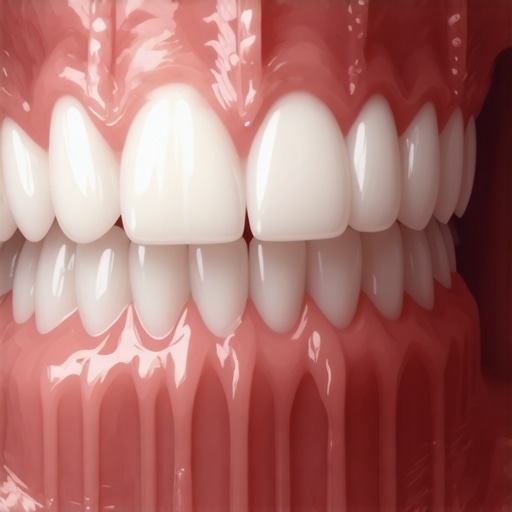
Have you ever finished brushing your teeth and still felt that lingering, sticky sensation? It’s maddening, isn’t it? I remember a morning not long ago—thinking I had scrubbed my teeth thoroughly, only to be greeted by that unsettling film glossing over my smile. It made me question everything I thought I knew about dental hygiene. Turns out, this common annoyance can stem from surprisingly simple yet overlooked causes.
Unmasking the Mystery: Why Is My Mouth Still Sticky?
What I’ve learned after years of experimenting and talking to dental experts is that feeling of stickiness often isn’t due to bad brushing but rather other factors like plaque buildup, saliva consistency, or even residue from certain dental products. It’s easy to assume that brushing for three minutes should do the trick, but our mouths are more complex than that. Sometimes, the fuzzy film is caused by residual sugars, bacteria, or the very toothpaste we rely on to clean our teeth.
When I first started noticing this sticky sensation, I was quick to blame my brushing technique. However, a closer look revealed that I was neglecting the importance of thorough flossing and rinsing. I also realized I hadn’t considered the ingredients in my toothpaste and mouthwash, which could leave a coating behind. A surprising study from the American Dental Association states that residual debris from poorly rinsed mouthwash can contribute to that sticky feeling, despite impeccable brushing.
Are Your Dental Products Sabotaging Your Smile?
Early in my journey, I made the naive mistake of trusting every new whitening paste or mouth rinse without reading the labels. Some contain alcohol or other agents that can dry out your mouth, leading to more stickiness. This realization encouraged me to explore products that promote saliva production and reduce plaque adhesion—like gentle fluoride rinses or xylitol-containing toothpastes.
If you’ve been battling this persistent feeling, don’t worry. It’s a common issue, but one that can be solved with small tweaks. From adjusting your dental routine to selecting the right products, there are simple strategies that can leave your mouth feeling fresh and clean, not coated in a sticky film. Ready to discover those secrets? Stay tuned for the practical steps that transformed my oral hygiene—and can do the same for you.
Master Your Daily Brushing Technique
Start with a manual or electric toothbrush that suits your needs—think of it as choosing the right paintbrush for a masterpiece. Apply gentle, circular motions—pressing hard damages enamel and gums. I once used a stiff brush and ended up irritated, but switching to a soft-bristled brush with proper technique transformed my experience. Aim for at least two minutes, targeting all surfaces, including those hard-to-reach back molars. Use this routine as a foundation before moving on to more advanced procedures.
Integrate Flossing Like a Pro
Flossing acts as the fine detail work of your dental care—removing debris between teeth where brushes can’t reach. I remember evenly flossing with a gentle sawing motion, making sure to curve the floss around each tooth. Jumping straight into flossing without proper technique can cause gum irritation. Break a long piece—about 18 inches—so you can glide smoothly between teeth without recontaminating floss. Daily flossing reduces plaque buildup, a key factor in lingering stickiness and bad breath. For a clearer grasp, explore detailed tips in family dentistry tips.
Choose Dental Products Wisely
Not all toothpastes and mouthwashes are created equal—like paint, their ingredients significantly influence the final look and feel. I experimented with fluoride-based whiteners and xylitol rinses, noticing a reduction in residue and dryness. Avoid products with high alcohol content, which can dry out your mouth and increase stickiness. Consider adding a tongue scraper to remove bacteria that contribute to bad odor and coating. When selecting products, look for those that support saliva production and inhibit plaque, turning routine care into an effective hygiene boost. If you’re curious about how to perfect your routine, see comprehensive guidance in top teeth whitening strategies.
Optimize Your Saliva Flow
Saliva acts as your mouth’s natural cleanser, washing away food particles and neutralizing acids. I found that drinking water regularly and chewing sugar-free gum enhanced saliva production, especially during dry seasons or after medication side effects. Saliva helps prevent that sticky, film-like sensation that persists even after brushing. For some, dry mouth is linked to medication, which can be mitigated with products designed to stimulate flow. Incorporating these habits creates a more balanced oral environment, combating residual residue and promoting freshness. For personalized tips, visit Invisalign secrets.
Refine Your Rinsing Ritual
Proper rinsing is the final step often overlooked. I learned to vigorously swish with a mouthwash formulated to remove debris and inhibit bacteria—particularly after flossing. Swish for at least 30 seconds, ensuring coverage around all teeth and gums. Be cautious with alcohol-based rinses, as they can dry out mucous membranes, exacerbating stickiness. Instead, opt for alcohol-free formulations or natural alternatives like hydrogen peroxide diluted appropriately. This step washes away lingering particles and freshens breath, leaving your mouth feeling truly clean. For detailed guidance, check out teeth whitening options.
Schedule Regular Dental Check-Ups
Professional cleanings remove tartar and plaque that everyday routines can’t tackle. My experience with routine dental visits revealed that even meticulous home care can miss stubborn deposits. During visits, the dentist polishes off residual film, providing that ultra-clean feeling. They also identify early signs of issues like cavities or gum disease that contribute to lingering coatings or discomfort. Regular check-ups—at least twice a year—are essential components of maintaining a fresh, sticky-free mouth. To understand what to expect, explore family dental care.
Consider Cosmetic Enhancements Carefully
When home care isn’t enough, cosmetic procedures like veneers or teeth whitening can boost confidence. I once opted for a whitening treatment, but then realized that improper maintenance led to uneven color. Before proceeding, research options thoroughly—like comparing veneers versus crowns in veneers vs. crowns. Consistent post-procedure care and routine cleaning prevent the buildup that causes sticky residues or dull appearance. These enhancements offer a quicker fix but complement daily habits best when integrated into a comprehensive oral health routine.
Many assume that procedures like Invisalign, veneers, or teeth whitening are straightforward solutions to aesthetic concerns, but the reality is far more nuanced. As someone deeply experienced in dental innovations, I’ve observed that most patients fall prey to common misconceptions and overlook subtle nuances that can impact long-term results.
For instance, a frequent myth is that veneers are a permanent fix that requires no maintenance. In truth, veneers can last 10-15 years if properly cared for, but they aren’t maintenance-free. Damage from habits like teeth grinding or biting on hard objects often leads to chipping or lifting, which many don’t anticipate. This misconception can cause patients to neglect essential follow-up care, ultimately shortening veneer lifespan.
Similarly, many believe teeth whitening treatments are universally safe and effective. While in-office procedures are generally safe, overuse of whitening products or using unregulated home kits can lead to enamel erosion, increased sensitivity, and uneven coloration. A study published in the Journal of Dental Research emphasizes the importance of professional guidance and controlled bleaching protocols to prevent damage.
Why DIY Whitening Is a Dead End for Serious Results
Many patients attempt to save money with over-the-counter whitening strips or trays. However, these often provide inconsistent results and can cause unintended harm, such as gum irritation or enamel damage. Professional treatments, tailored to your teeth’s specific needs, not only guarantee safer outcomes but also tend to last longer and produce more natural-looking results.
Regarding Invisalign and aligners, a common mistake is underestimating the importance of wearing them consistently. Some think that a few hours’ deviation won’t affect progress, but this procrastination in compliance can extend treatment time significantly. Moreover, neglecting proper cleaning of aligners can lead to bacterial buildup, leading to bad breath and potential oral infections.
Another advanced nuance often missed involves family dentistry. While routine checkups and cleanings are essential, they also serve as opportunities for early detection of underlying issues, such as deep pits or early cavities, that might not be visible or painful initially. Incorporating preventive strategies like sealants or fluoride applications can save you from costly procedures in the future. For detailed insights on managing your child’s dental health, I recommend exploring family dentistry tips.
Have you ever fallen into this trap? Do misconceptions about these treatments affect your decisions? Let me know in the comments, and remember, informed choices lead to healthier, more confident smiles. For personalized guidance, visiting your dentist regularly is paramount, especially considering the evolving landscape of dental innovations like Invisalign secrets.
Maintaining your dental improvements like Invisalign, veneers, or teeth whitening requires the right tools and routines. One of my go-to investments is a **UV sterilizer** for aligners and whitening trays. I personally use the **Joyspring UV Sanitizer**, which effectively kills bacteria and keeps my aligners fresh between wears, reducing the risk of plaque buildup that can compromise results. Regularly cleaning your tools with high-quality **antimicrobial wipes**, like those from *Steri-Wash*, ensures that no residual pathogens threaten your progress. Incorporating **interdental brushes** like the **TePe Supreme** helps me reach stubborn plaque in tight spaces, preserving the clarity and integrity of veneers or whitening effects. For long-term success, I recommend using a **digital intraoral scanner**—such as the **CEREC Omnicam**—when scheduling touch-up treatments or monitoring progress. These devices provide precise imaging, allowing your dentist to track subtle changes over time and plan interventions proactively.
Prediction-wise, the future of dental maintenance is leaning heavily toward **smart technology integrations**—from app-connected toothbrushes to AI-driven dental assessments. This evolution will empower you with real-time feedback on your routine and early detection of potential issues, making upkeep more intuitive.
How do I maintain my orthodontic and aesthetic results over time? Consistency is key. I set reminders on my smartphone using **ToothTip**, an app that tracks when to replace aligner trays or schedule check-ups. I also swear by **ionic toothbrushes** like the **Sonicare DiamondClean** for superior plaque removal, especially after complex procedures like veneers or whitening. These tools are scientifically backed; for example, a comprehensive review in the *Journal of Dental Research* highlights the effectiveness of ultrasonic cleaning devices in reducing biofilm accumulation.
Don’t underestimate the importance of **professional cleanings**—a biannual visit can dramatically extend the lifespan of your investments. Plus, staying informed on emerging technologies, such as **laser dental cleaning**, ensures you’re leveraging the best methods available. Remember, your investment in your smile isn’t a one-and-done; it requires diligent upkeep with the right tools and techniques. I encourage you to try integrating a **UV sanitizing cabinet** and **interdental brushes** into your routine today and see the difference in your long-term results. For more advanced strategies, explore dedicated guides at top teeth whitening strategies. Keeping your smile shining bright is an ongoing journey—equip yourself wisely and maintain those perfect results!
From personal experience, one of the most eye-opening lessons about invisalign, veneers, teeth whitening, and family dentistry is that true dental success isn’t just about quick fixes or shiny results. It’s about understanding the subtle intricacies and long-term habits that preserve your investment. For instance, I once underestimated the importance of dedicated tool maintenance, neglecting UV sterilizers and proper aligner cleaning, which led to setbacks I could have easily avoided. Additionally, I learned that relying solely on over-the-counter whitening kits often results in uneven results and can compromise enamel if used improperly. A deeper insight I wish I had known earlier is that consistent, personalized care—guided by professionals—is your best weapon against unexpected setbacks and costs over time. Remember, dentistry is a journey; your knowledge and habits define how beautiful and healthy your smile remains decades down the line.