
Why your teeth feel weirdly smooth after a professional cleaning
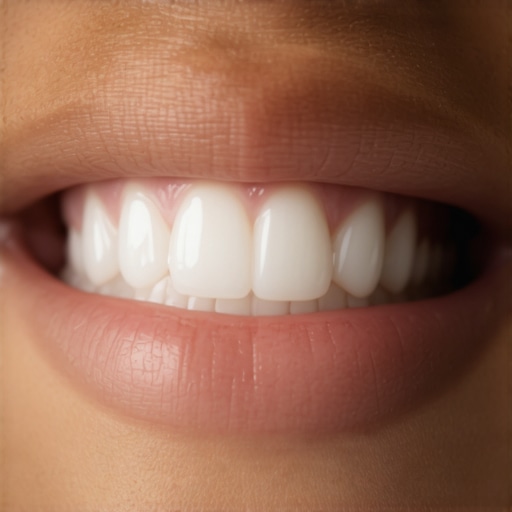
I’ll never forget the first time I actually felt the gaps between my bottom front teeth. I was thirty years old, sitting in my car after a long-overdue dental appointment, and my tongue was doing laps around my mouth like it was on a bobsled run. It was weirdly smooth. Slippery, even. For years, I’d grown used to a certain texture I thought was just part of my anatomy. I was wrong. It was actually a layer of calculus that had basically become a permanent roommate. That weird smoothness is actually your enamel being naked for the first time in months, and while it feels alien, it’s exactly how your mouth is supposed to function.
That Slippery Feeling Means Your Enamel is Finally Breathing
We’ve all been there—leaving the dental office and feeling like your teeth are made of polished glass. I used to make a massive mistake early on: I’d tell myself that because I used an expensive electric toothbrush, I could push my appointments back. I learned the hard way about the real cost of skipping your six-month cleaning when my hygienist had to spend forty minutes just on my lower incisors. That smoothness occurs because the professional-grade tools have removed the biofilm and calcified plaque that your soft bristles cannot nudge. It’s not just about aesthetics; it’s about health. If you have ever wondered why your teeth feel sticky even after using mouthwash, you are feeling the very substance that your dentist just spent an hour clearing away. According to the American Dental Association, professional scaling is the only effective way to remove hardened tartar that leads to gum disease. I am a firm believer that good family dentistry isn’t just about fixing problems; it’s about that fresh-slate feeling that resets your oral environment.
Is that “too clean” sensation actually damaging my enamel?
This is the biggest fear I hear from my friends, and honestly, I felt it too. When your teeth feel that glassy, you start to worry the hygienist might have scraped away some of the tooth itself. I promise you, they didn’t. What you’re feeling is the absence of the fuzz you’ve likely grown accustomed to. It’s a totally different sensation than why your teeth feel furry only a few hours after brushing, which is usually just soft plaque. That post-cleaning smoothness is the gold standard. It’s the feeling of a clean slate that allows your gums to reattach tightly to the tooth and prevents infection. Today, we’re going to break down exactly what happens during that cleaning and why you should chase that slippery feeling instead of fearing it. Have you ever left the dentist and felt like your tongue was sliding off your teeth? Let me know if that smoothness ever freaked you out as much as it did me!
Keep Your Teeth Glassy for Months Instead of Days
The professional cleaning is your hard reset, but the real work starts the minute you walk out the door. The goal isn’t just to move a brush around; it’s to disrupt the colony of bacteria before they can organize into a fortress. Think of plaque like wet cement—easy to wash away if you catch it early, but a nightmare once it sets.
Tilt Your Brush to Reach the Hidden Gutter
Most people scrub their teeth like they’re cleaning a tile floor, back and forth with zero finesse. Instead, you need to angle your toothbrush bristles at a 45-degree angle toward the gum line. This is where the magic happens. By vibrating the brush gently in small circles, you’re sweeping out the “gutter” where your tooth meets the gum. I used to be a “scrubber” until I realized why your gums are receding despite brushing twice a day. Transitioning to a soft-bristled brush and focusing on that angle stopped the irritation almost immediately.#IMAGE_PLACE_HOLDER_B#
Stop Tearing Your Gums with Floss
If you only floss when you have steak stuck in your teeth, you’re missing the point. You aren’t just fishing for food; you’re scraping the sides of the teeth where the brush can’t reach. I remember the first month I committed to proper technique—I’d hug the floss around each tooth in a “C” shape. It felt tedious at first, but it prevented that “fuzziness” from returning by midday. If you’ve been avoiding it, you might need to learn how to stop your gums from bleeding when you haven’t flossed in weeks so you don’t get discouraged by a little pink in the sink.
Execution for Complex Dental Hardware
Managing a natural smile is one thing, but if you have upgrades like veneers, crowns, or aligners, the playbook changes slightly. You have more nooks and crannies for bacteria to hide, and the stakes are higher because some materials are prone to staining or dulling over time.
Maintain Your Investment with Smarter Habits
For those of us with cosmetic work, like veneers, you have to be careful with abrasives. I once made the mistake of using a gritty whitening toothpaste on my dental bonding, only to find it lost its luster within weeks. Learn the truth about using charcoal toothpaste on porcelain surfaces before you ruin a professional finish. Similarly, if you’re in the middle of orthodontic treatment, you have to be vigilant. I’ve seen friends struggle with why your clear aligners have started to look cloudy, which is usually just a buildup of minerals and saliva that needs a specific soaking routine rather than a harsh scrub.
Master the Art of the Water Flosser
If you have a permanent retainer or a bridge, traditional floss is a nightmare. I spent years getting frustrated until I learned how to clean plaque off a permanent retainer wire using a combination of a water flosser and interdental brushes. It’s like a power washer for your mouth. It reaches the areas where your teeth feel furry only a few hours after brushing, ensuring that the “slippery” feeling from the dentist lasts until your next checkup. When you’re ensuring family dental care, teaching these specific mechanical steps to your kids early on will save them from the shock of a deep cleaning later in life.While we all love that glassy texture after a cleaning, there is a nuance to cosmetic maintenance that most people—and even some marketing campaigns—completely overlook.
Stop Chasing Pure White and Start Aiming for Vitality
Everyone tells you that whitening is the key to a youthful smile, but I have found that chasing a “paper white” shade often leads to a translucent, sickly appearance. This is the biggest “oops” in modern aesthetics: over-bleaching. When you strip away too much of your tooth’s natural depth, you risk losing the opacity that makes a smile look healthy. This is exactly why your teeth look gray instead of yellow and how to fix it involves focusing on mineral restoration rather than just more chemicals. If you are dealing with deeper issues, like those caused by childhood medications, you need to understand the best way to whiten teeth that have been stained by tetracycline. According to a study published in the Journal of Evidence-Based Dental Practice, intrinsic staining requires a specialized, long-term approach because the discoloration is part of the tooth structure itself.
Can professional whitening actually penetrate deep antibiotic stains?
The short answer is yes, but it is not the “one-hour-and-done” process you see on social media. It requires a specific low-concentration protocol that avoids damaging the pulp while slowly lifting deep pigments.
The Invisible Trap of the 18-Hour Aligner Rule
Speaking of things that take time, let’s talk about the common “Invisalign trap.” Many people believe they can be flexible with their wear time if they just add an extra day to the tray cycle. That is a massive mistake. The problem with wearing your aligners for only 18 hours a day is that your teeth spend the remaining six hours actively “rebounding” toward their old positions. This constant back-and-forth movement can lead to root resorption or make how to avoid the dreaded black triangles after braces a much harder conversation. 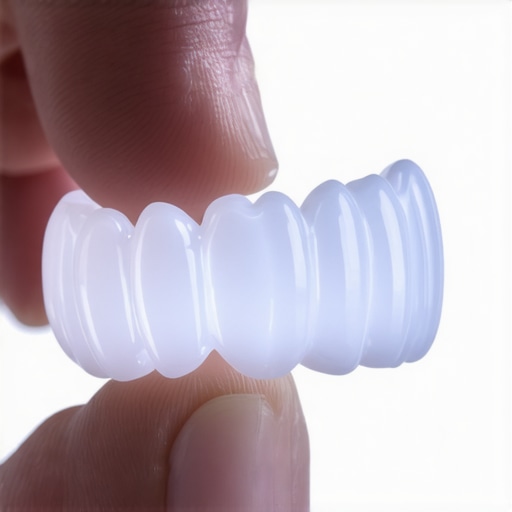 When exploring Invisalign innovation, you have to realize that the technology only works if you keep the physiological pressure constant.
Why Temporary Veneers are the Ultimate Psychological Test
If you are considering a smile makeover, the biggest trap is the “temp” phase. Many patients panic because why your temporary veneers feel way thicker than the real ones is a result of how they are manufactured as a single block for structural integrity. If you judge your final result based on the bulkiness of these placeholders, you might ask for design changes that ruin the final look of your permanent porcelain. Expertise in family dentistry also means knowing the difference in care across generations. For example, the subtle difference between a corporate clinic and local Culpeper family dentistry often comes down to how they handle pediatric milestones. Parents often worry when they see a new tooth coming in, but knowing why your child’s first adult tooth is jagged on the edge can save you an unnecessary trip to the clinic. Have you ever fallen into the “18-hour aligner trap” or panicked over a “gray” whitening result? Let me know in the comments.I’ve spent thousands of dollars on my teeth over the last decade, and I quickly realized that the biggest threat to my investment wasn’t just coffee—it was physics. If you are using clear aligners or wear a retainer, you’ve likely noticed why your aligner trays are starting to turn yellow no matter how much you soak them. Brushing them with a standard toothbrush actually creates microscopic scratches that trap bacteria and pigments. Instead, I finally invested in a small ultrasonic cleaner. It uses 42,000Hz sound waves to create cavitation bubbles that literally blast the debris off without touching the surface. This is also the secret for how to clean the stubborn gunk out of your night guard without wearing down the material or causing micro-abrasions. #IMAGE_PLACE_HOLDER_D#
Manage the Post-Whitening Sensitivity Spike
Professional treatments are fantastic, but the “zingers”—those sharp, sudden stabs of nerve pain—can be enough to make you quit. I’ve learned that the trick isn’t just avoiding cold water for a few hours. You need to pre-treat your teeth with a potassium nitrate toothpaste for two weeks before your appointment to desensitize the nerves. If you’re currently suffering, knowing how to manage the zingers after a professional whitening session is about calming the inflammatory response in the pulp quickly. According to a study in the Journal of Clinical Dentistry, using a desensitizing agent containing 5% potassium nitrate significantly increases patient comfort and long-term compliance with whitening maintenance.
The Death of the Goopy Impression Mold
Looking ahead, the most significant shift in family dentistry is the move toward total digital integration. We are already seeing the real reason culpeper dentists are swapping traditional x-rays for 3d scans: it’s not just about reducing radiation; it’s about sub-millimeter accuracy. In the very near future, your veneers and crowns will be milled in-office from a 3D digital map of your mouth, meaning no more gagging on silicone putty and no more “temporary” phases that last for weeks. This level of precision ensures that the margins are perfectly sealed, preventing the decay that often happens under poorly fitted dental work.
How can I keep my smile looking brand new for years?
The key is to treat your dental work like a luxury car rather than a fixed appliance. You wouldn’t skip an oil change and expect the engine to last 200,000 miles. Beyond the high-tech tools, you have to master teeth whitening secrets for a sparkling smile in 2025 that focus on maintaining a neutral pH balance in your mouth. If you keep your oral environment from becoming overly acidic, your enamel and your porcelain restorations will stay vibrant much longer. If you are ready to stop guessing about your routine, contact us to set up a personalized maintenance plan. My biggest advice? Get an ultrasonic cleaner today; it is the single best investment I have ever made for my daily oral health.
The Hard Truth About My Decade-Long Smile Journey
Looking back at years of dental upgrades and maintenance, the biggest “aha” moments weren’t found in a manual. First, consistency beats intensity every single time. Brushing like a maniac for five minutes once a week won’t save you from the real cost of skipping your six-month cleaning. Second, I learned that “pink in the sink” is a signal, not a reason to stop. If your gums bleed when you floss, it’s a sign they need more attention, not less. Finally, I realized that my dental health is the foundation for everything else—a confident smile changes how you walk into a room.
The Gear That Actually Earned a Spot in My Bathroom Cabinet
I’ve tried every gadget on the market, but only a few have stood the test of time. I swear by my ultrasonic cleaner for my night guard; it’s the only way I’ve found how to clean the stubborn gunk out of your night guard without scratching the surface. I also keep a stash of potassium nitrate toothpaste specifically to how to manage the zingers after a professional whitening session. Lastly, don’t sleep on high-quality interdental brushes—they reach the “fuzz” that even the best electric toothbrushes miss.
#IMAGE_PLACEHOLDER_E#
Your Smile is a Living Investment That Deserves a Reset
At the end of the day, that slippery, “glass-like” feeling after a cleaning isn’t just a novelty; it’s your mouth’s natural state of grace. Whether you are navigating the world of family dentistry for your kids or maintaining your own set of veneers, remember that you are in control of the environment. Don’t be afraid of the dental chair. If you have questions or need to get back on track, contact us to start your journey toward a healthier, more vibrant smile. Have you ever been genuinely shocked by how different your teeth felt after a professional scaling? Let me know in the comments below!