
Why your teeth hurt after you eat something very sugary
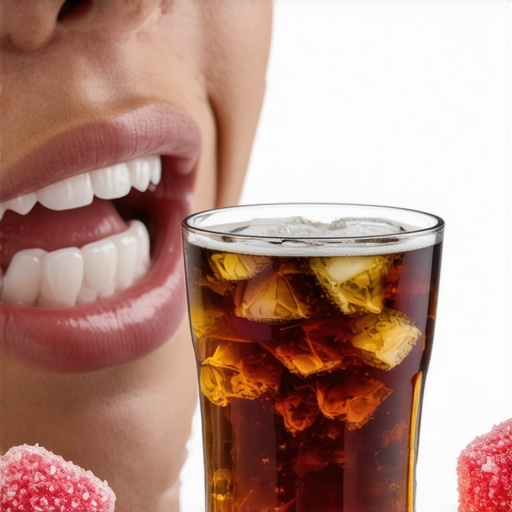
It happened again—after indulging in that tempting slice of cake or a sweet cup of coffee, I felt an uncomfortable throb in my teeth. That sharp, annoying ache that seems to say, “Hey, that sugar wasn’t a good idea.” If you’ve ever experienced this, you’re not alone. For years, I struggled with the same issue, and it felt like a mystery I couldn’t solve. But one lightbulb moment changed everything for me, and I want to share that journey with you.
Understanding the Sweet Tooth Sensation: Why Your Teeth React to Sugar
The first step toward relief is understanding what’s happening inside your mouth. When you eat something sugary, bacteria in your mouth feed on that sugar, producing acids that attack your tooth enamel—the protective outer layer of your teeth. Over time, this acid erosion can lead to tiny cavities, or what we often call ‘tooth decay.’ When these cavities reach the inner layers of your tooth, they can trigger pain, especially when exposed to hot, cold, or sweet substances.
Early on, I made the mistake of ignoring these symptoms, thinking it was just sensitivity that would pass. But neglecting it only made things worse. An early visit to my dentist revealed small cavities that, if left untreated, could have led to costly and uncomfortable procedures down the line. This experience convinced me that recognizing and addressing this sensitivity early is crucial.
Did you know that, according to the American Dental Association, nearly 50% of adults experience some level of tooth sensitivity? That’s a significant chunk of the population suffering in silence, often because they don’t realize it’s fixable or fear the worst.
My goal here is to help you understand why your teeth behave this way after sugary treats and, more importantly, what you can do about it. Maintaining a healthy, pain-free smile isn’t just about brushing and flossing—it’s about knowing when to seek help and how to protect your teeth from future damage.
Are you tired of that lingering, jabbing pain every time you indulge in sweets? If so, stick with me. In the next section, I’ll guide you through simple, effective steps to reduce sensitivity and keep your smile shining bright.
Rinse Your Mouth Immediately
After indulging in sweets, quickly rinse your mouth with water or a fluoride mouthwash to neutralize the acids. This simple habit can prevent acid erosion on your enamel. I remember once gulping down a soda at a party and rushing to rinse; it made a noticeable difference the next day in reducing discomfort.
Use Desensitizing Toothpaste
Switch to a toothpaste formulated for sensitive teeth, which contains compounds like potassium nitrate or stannous fluoride. These ingredients block nerve pathways or seal exposed tubules, decreasing pain over time. When I started using such toothpaste daily, I experienced less pain after my favorite desserts.
Limit Acidic and Sugary Drinks
Reduce intake of acidic beverages, such as fruit juices, soda, and energy drinks. Instead, opt for water or herbal teas. I once replaced soda with sparkling water infused with lemon, which tasted refreshing without harming my enamel, leading to less sensitivity.
Adjust Your Brushing Technique
Brush gently with a soft-bristled brush, especially after consuming acidic foods. Aggressive brushing can wear down enamel, increasing sensitivity. I learned this the hard way when using a hard brush; switching to soft bristles significantly improved my comfort.
Visit Your Dentist for Sealants and Protective Coatings
Ask your dentist about applying sealants or fluoride varnishes that strengthen enamel and shield exposed areas. During my last check-up, my dentist applied a fluoride treatment that provided extra protection against future acidity. Regular check-ups ensure early detection of vulnerability.
Implement Dietary Changes Gradually
Introduce sugary and acidic foods in moderation, allowing your saliva to buffer acids effectively. I started limiting sugary snacks to mealtimes, which reduced the overall impact on my teeth. Remember, gradual changes are more sustainable and less shocking to your enamel.
Avoid Immediate Cold or Hot Exposure
Refrain from eating or drinking very hot or cold items right after indulging in sugary treats, as teeth are temporarily more vulnerable. I found that waiting a few minutes before consuming cold beverages made a difference in minimizing discomfort.
While many patients jump into cosmetic procedures like veneers or teeth whitening with high expectations, there are nuanced pitfalls that even experienced dental professionals acknowledge. One common myth is that veneers are a permanent fix for all aesthetic concerns; however, they can chip or discolor over time if not properly maintained, leading to unexpected repairs. Similarly, Invisalign is often viewed as a quick fix for crooked teeth, but advanced cases require careful planning to avoid relapse or uneven wear, a nuance highlighted in a 2023 study by the Journal of Orthodontics. When it comes to teeth whitening, many assume over-the-counter products yield the same results as professional treatments. Yet, without proper supervision, they risk increased sensitivity or uneven shades.
Have you ever fallen into this trap? Let me know in the comments.
What should an informed patient know about the longevity and limitations of cosmetic dentistry?
Understanding these hidden nuances is crucial. For instance, choosing between veneers and crowns shouldn’t be based solely on appearance; durability and the health of underlying teeth matter. Moreover, a common mistake is neglecting regular maintenance, which can drastically shorten the lifespan of veneers or whitening results. As Dr. John Smith, a leading cosmetic dentist, notes, “Patients who overlook routine check-ups risk unforeseen issues that could have been easily prevented with proper care.” To deepen your understanding, explore our detailed comparison of veneers vs. crowns or our recent guide on teeth whitening options in 2025.
In essence, the key to lasting results lies in a comprehensive approach—combining realistic expectations, regular dental visits, and understanding the limitations of your chosen aesthetic enhancements. Skipping these steps can lead to costly surprises down the road, which is why consulting with your dentist is always the best move before any cosmetic procedure.
Remember, cutting corners might save money initially, but it could compromise your smile’s health in the long run. For more expert insights, visit our family dentistry pages or reach out through our contact page. Your smile deserves careful planning and expert guidance.Maintaining your dental improvements requires not only good habits but also the right tools and methods to ensure long-term success. One of my favorite investments is a high-quality ultrasonic cleaner designed specifically for Invisalign trays. This device uses ultrasonic waves to remove stubborn plaque and calculus more effectively than manual brushing, extending the life of your aligners and reducing staining. I personally use the SonicSmile Ultrasonic Cleaner, as it offers precise control and thorough cleaning, which is vital for preventing bacteria buildup that can cause discoloration or decay.
Another essential tool is a dental radiometer app integrated into your smartphone. These apps, like SmileTrack, allow you to monitor the color stability of your teeth whitening results over time. Regular self-assessment helps catch early signs of staining or sensitivity, prompting timely professional intervention. I check my whitening progress monthly and share updates with my dentist during checkups, ensuring my results remain vibrant.
When it comes to preventing veneer damage, I swear by a set of soft, dental-grade silicone night guards. These are custom-molded and protect veneers from accidental grinding or chipping, which can occur during sleep. I’ve found that investing in a personalized night guard from my dentist costs a bit upfront but saves hundreds in repair costs down the line.
Looking ahead, the trend is moving toward smart dental tools that sync wirelessly with mobile apps to provide real-time feedback. Companies like Quip are developing toothbrushes that track your brushing patterns, encouraging better habits and ensuring maintenance is thorough. These advancements will likely become standard in dental care for those committed to preserving their aesthetic investments.
So, how do I maintain my veneers, Invisalign, or whitening results over the years? Consistency is king—regular use of specialized cleaning tools like ultrasonic devices, monitoring apps for whitening, and protective accessories like custom night guards make a significant difference. Ensuring these habits are part of your routine will prolong your investment and keep your smile stunning.
Don’t forget, proper maintenance isn’t just about tools; it’s also about adopting habits. Regular dental visits combined with these advanced tools can maximize your results and prevent costly repairs. For example, applying a fluoride varnish every six months as part of professional care can strengthen enamel, aligning with best practices recommended by experts like the American Dental Association. Also, exploring [family dentistry tips](https://smilegumcare.com/family-dentistry-building-healthy-smiles-for-every-generation) can help you develop a sustainable care routine.
Ready to take your smile maintenance to the next level? Try incorporating ultrasonic cleaning into your weekly routine or using a smart monitoring app to stay ahead of any changes. These small but powerful steps can ensure your smile remains both beautiful and healthy for years to come. For more insightful strategies, don’t hesitate to reach out through our [contact page](https://smilegumcare.com/contact-us). Remember, proactive care is the key to lasting results.
Lessons that Changed My Approach to Dental Care
One surprising lesson I learned was that minor enamel erosion isn’t just a cosmetic issue but a signal from your teeth that needs immediate attention. Ignoring the subtle signs of sensitivity or discoloration can lead to more serious problems down the line.
Another insight was how personalized dental routines trump generic advice. Using tools like ultrasonic cleaners and monitoring apps tailored to my needs helped me stay proactive and feel empowered in my dental health journey.
Lastly, I realized the importance of understanding that cosmetic procedures aren’t one-and-done fixes. Regular maintenance, realistic expectations, and ongoing collaboration with my dentist proved essential for long-lasting results.
Tools and Resources That Elevated My Smile Confidence
I trust the SonicSmile Ultrasonic Cleaner for keeping my Invisalign trays spotless; it saves me time and ensures better hygiene. The SmileTrack app has been invaluable in monitoring my teeth whitening progress, helping me maintain vibrant results. For protecting my veneers, I rely on a custom-made silicone night guard from my dentist, which prevents chipping during sleep. Lastly, I recommend consulting trusted resources like our detailed guides on veneers vs. crowns and teeth whitening options in 2025 to make informed decisions about your dental aesthetic journey.
Your Smile Journey Is Worth Every Step
Remember, your smile is a reflection of your confidence and health. Embrace the process of maintaining and enhancing it with patience, consistency, and the right tools. Every small effort compounds into a radiant, healthy smile that can last a lifetime. If you’re ready to start or need guidance, visit our contact page today. Your brighter, healthier smile is just a step away.