
Why your teeth hurt more when you have a head cold
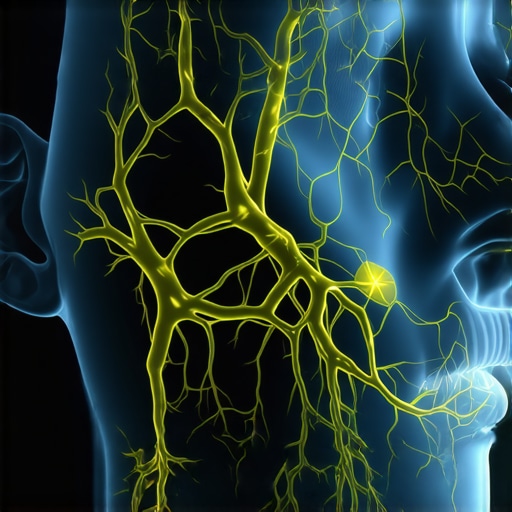
I remember sitting at my kitchen table, sipping hot tea, when a sudden sharp pain shot through my teeth. It was a cold, miserable day, and I was battling a stubborn head cold. But what baffled me most was how much worse my toothache became whenever I was sick. One moment it was a dull ache, and the next, it was a sharp, piercing pain that made eating or even drinking water impossible. That lightbulb moment made me realize — there’s more to this than just coincidence.
The Cold Truth About Tooth Sensitivity During Illness
Many people don’t realize that experiencing increased tooth pain with a head cold is actually quite common. When you’re sick, your body’s immune response causes inflammation not only in your sinuses and throat but can also affect your teeth and gums. Sinus congestion creates pressure in the facial bones, which can make your upper teeth feel incredibly sensitive or even give the illusion that they’re hurting from decay or gum disease. Interestingly, a study published in the Journal of Oral & Maxillofacial Surgery states that sinus infections can often mimic dental problems, leading many to seek unnecessary dental procedures (source: [JOMS](https://www.joms.oxfordjournals.org/)).
But why does this happen exactly? Well, during a head cold, the sinus cavities—especially near your upper teeth—become inflamed and filled with mucus. This pressure can transmit to the roots of your teeth, making even normal sensations feel amplified. Plus, if your immune system is already compromised, your gums and tissues become more sensitive, increasing the likelihood of pain.
Now, you might be wondering: “Is this just temporary discomfort? Or is something more serious going on?” That’s a valid question. Early on, I made the mistake of assuming all tooth pain during illness was a sign of serious dental issues, leading me to unnecessary visits—and unnecessary anxiety. But understanding the root cause — pressure and inflammation — can save you from costly and unnecessary treatments.
In the sections ahead, I’ll walk you through simple, effective strategies to manage this discomfort, differentiate between common sinus-related pain and actual dental problems, and know when it’s time to see your dentist. If you’ve ever ended up at the dental office, puzzled over whether your symptoms were real or just sinus-related, stick around. We’re about to clear up the confusion once and for all.
Enhance Your Smile with Family Dentistry
Start by scheduling regular dental checkups; these visits help catch issues early. To make dental visits smoother for everyone, consider establishing a routine that involves brushing and flossing together as a family. During appointments, ask your dentist about tailored advice for each family member to maintain optimal oral health. Remember, consistent visits prevent small problems from becoming costly corrections later.
Transform Your Teeth with Veneers
When contemplating veneers, your first step is understanding their process. Book a consultation with a cosmetic dentist to discuss your aesthetic goals. The dentist will prepare your teeth by removing a thin layer of enamel, then take impressions to craft custom veneers. Once ready, they will bond the veneers onto your teeth, instantly improving your smile’s appearance. Learn more about veneers and how they can elevate your confidence.
Achieve a Perfect Smile with Invisalign
Invisalign offers a discreet way to straighten teeth, but successful treatment requires commitment. Begin with a consultation to determine if it’s suitable for your needs. The dentist will create a digital 3D model of your teeth and design a series of custom aligners. Wear each set for about two weeks, changing to the next in the series, and visit your dentist periodically to monitor progress. For insights on achieving optimal results, explore Invisalign innovations.
Brighten Your Smile with Teeth Whitening
Teeth whitening can dramatically boost your confidence. Start by choosing the right method—professional whitening from your dentist or at-home kits. For the most effective and safe results, professional treatments ensure proper application and minimize sensitivity. Use whitening toothpaste and avoid stain-causing foods and drinks in the meantime. To maximize your results, check out teeth whitening strategies.
Integrate Dental Plans Seamlessly
Combining procedures like veneers or Invisalign with whitening enhances your overall smile. For example, whitening first sets a bright foundation, making veneers or aligners look even better. Coordinate these treatments through your dentist, ensuring each step complements the next. Always discuss your desires and concerns openly to craft a personalized plan that aligns with your goals.
Maintain and Protect Your Investment
Post-treatment, establish a diligent oral hygiene routine: brush twice daily, floss regularly, and schedule biannual cleanings. For veneers or whitening, avoid staining foods and habits like smoking. Use custom retainer aligners if prescribed, and monitor your teeth to catch any issues early. This proactive approach preserves the results and prolongs your investment, letting you enjoy a confident, healthy smile for years to come.
##Many patients entering the world of cosmetic and family dentistry carry widespread myths that can hinder their decision-making and lead to costly errors. Let’s clear the air by exploring some misconceptions and the nuanced realities that even experienced dental professionals recognize.
Contrary to popular belief, veneers are not a quick fix for stained or chipped teeth. While they provide impressive aesthetic results, their application involves enamel removal, and they may not be suitable for everyone, especially those with weakened teeth. For an in-depth look, check out [how veneers compare to crowns](https://smilegumcare.com/veneers-vs-crowns-which-is-right-for-your-smile), which discusses when veneers are the best choice.
Many assume that Invisalign is just about invisibility, but a more advanced understanding reveals that compliance and proper planning are critical. It’s a misconception that Invisalign can correct all dental misalignments equally; complex cases may still require traditional braces or other interventions. To discover how Invisalign’s technology has evolved, visit [Invisalign innovation and what to expect in 2025](https://smilegumcare.com/invisalign-innovation-invisible-braces-changing-smiles-in-2025-at-1537).
Regarding teeth whitening, many believe that over-the-counter products deliver professional results. However, the effectiveness varies considerably, and misuse can lead to tooth sensitivity or uneven coloring. Professional whitening treatments from your dentist tend to be safer and more predictable, as outlined in [teeth whitening secrets for 2025](https://smilegumcare.com/teeth-whitening-secrets-for-a-sparkling-smile-in-2025-at-1248). Moreover, some patients think whitening is permanent, but in reality, lifestyle choices like coffee or smoking can diminish results over time.
A pervasive myth in family dentistry is that dental visits are only necessary when there’s pain or noticeable problems. The truth is, regular checkups can prevent many issues before they become painful or expensive. Preventive care, including cleanings and routine examinations, significantly reduces the risk of cavities, gum disease, and even systemic health issues. For guidance on establishing a family routine, review [building healthy smiles for every generation](https://smilegumcare.com/family-dentistry-building-healthy-smiles-for-every-generation).
Finally, one common but dangerous misconception is that dental procedures are all alike or universally suitable; for example, opting for crowns over veneers without understanding the specific benefits and limitations. The decision should depend on individual needs, aesthetics, and long-term health. To explore which options fit your goals, visit [which is right for your smile](https://smilegumcare.com/veneers-vs-crowns-which-is-right-for-your-smile).
Making informed choices in dentistry requires understanding the nuances and avoiding simplistic assumptions. Are you guilty of any of these misconceptions? Share your experiences or questions in the comments and let’s dig deeper together.
Invest in Quality Oral Care Instruments
Maintaining a beautiful smile requires more than just regular dental visits; it hinges on the right tools. I personally rely on a high-quality, electric toothbrush like the Oral-B Genius X because it offers superior plaque removal thanks to its oscillating-rotating technology. Additionally, I incorporate an interdental brush, such as the TePe Select, which I find invaluable for cleaning between veneers or around Invisalign attachments where floss might be challenging to maneuver. These tools help ensure comprehensive cleaning, which is crucial for the longevity of procedures like veneers and Invisalign.
Leverage Advanced Software for Smile Monitoring
Modern technology has transformed at-home dental care, with software like Dental Monitoring allowing me to track the progress of aligners and veneers remotely. Using the mobile app, I can send periodic photos to my dentist, who reviews them and provides feedback without scheduling frequent in-office visits. This not only saves time but ensures any issues are caught early, preventing small problems from escalating. As the field evolves, expect even more integrated solutions, perhaps utilizing AI to predict wear patterns or detect early signs of decay—pioneering a new era in preventive dentistry.
Adopt Proven Maintenance Strategies for Longevity
Long-term success with veneers, Invisalign, or teeth whitening hinges on consistent maintenance routines. Personally, I schedule biannual checkups, but a crucial part of my routine is maintaining good oral hygiene with specialized tools. For instance, I use a water flosser like the Waterpik Sonic-Fusion to dislodge debris around brackets or veneers without risking damage. Additionally, I avoid stain-inducing foods and drinks to keep my whitening results vibrant. Regular professional cleanings combined with these tools significantly extend the durability of cosmetic procedures.
Prepare for the Future of Dental Technology
Looking ahead, integrating digital diagnostics and personalized treatment monitoring will become the norm. Trends suggest that AI-powered imaging and 3D scanning will provide even more precise evaluations, enabling earlier detection of potential issues. Staying abreast of these advancements allows me to adjust my care plan proactively, ensuring my smile remains both healthy and aesthetically pleasing for years to come. For example, innovations like [Invisalign’s latest aligner technology](https://smilegumcare.com/invisalign-innovation-invisible-braces-changing-smiles-in-2025-at-1537) promise greater comfort and predictability, which I eagerly anticipate adopting.
Questions to Ask Your Dentist
How do I maintain my veneers, Invisalign, or whitening results over time? Your dentist can recommend tailored strategies, including the best tools and routines for your needs. I advise trying out an ultrasonic scaler at home once or twice a year under professional supervision to prevent plaque buildup. Also, consider getting a customized night guard if you grind your teeth, as this helps preserve restorations. Regular monitoring and employing the right tools are key to ensuring your investment pays off long-term.
The Hardest Lessons I Learned About Family Dentistry and Smile Makeovers
One of the most valuable lessons I discovered is that patience truly is a virtue in dental transformations. Rushing through treatments like veneers or Invisalign often leads to subpar results or discomfort. Taking the time to understand each step, from initial consultation to final touch, ensures a smile that lasts.
Another insight is that not every cosmetic fix is suitable for everyone. While veneers can dramatically improve aesthetics, they aren’t always the best choice for those with weakened enamel. Knowing your unique dental landscape can save you from unnecessary procedures and future regrets.
Experiencing setbacks, such as veneers needing adjustments or aligners causing temporary discomfort, taught me resilience. These moments emphasized the importance of trusting your dental team and maintaining open communication to achieve the best outcome.
Lastly, investing in ongoing maintenance makes a world of difference. Even after achieving that perfect smile, consistent care—like using the right tools and routine checkups—preserves your investment and keeps you feeling confident long-term.
Where My Trustworthy Resources Come In
Over the years, I’ve curated a selection of tools and sources that truly make a difference. For starters, I rely on [Invisalign’s latest innovations](https://smilegumcare.com/invisalign-innovation-invisible-braces-changing-smiles-in-2025-at-1537) to stay updated on the most discreet orthodontic options—knowing these advancements helps me make informed decisions about my treatment options.
For deeper insights into smile aesthetics, I turn to [expert articles on veneers](https://smilegumcare.com/transform-your-smile-with-veneers-expert-tips) that break down the benefits and limitations, empowering me to choose what’s right for my goals. Additionally, trusted professional practices like [family dentistry guides](https://smilegumcare.com/family-dentistry-building-healthy-smiles-for-every-generation) provide essential tips for maintaining oral health across generations.
Lastly, I keep an eye on updated whitening strategies by exploring comprehensive resources such as [teeth whitening secrets](https://smilegumcare.com/brighten-your-life-top-teeth-whitening-strategies-today), which help me sustain that radiant glow without risking sensitivity or damage.
Take Charge of Your Smile’s Future
Your journey toward a healthier, more confident smile starts today. Every step you take—whether it’s choosing between veneers or Invisalign, maintaining proper hygiene, or seeking expert advice—brings you closer to your ideal look. Remember, your smile is a reflection of your care and confidence, so invest in it wisely and proactively.
What’s holding you back from making that next dental leap? Drop your thoughts or questions below—I’d love to hear your story and help you move forward with confidence.
.