
Why your teeth look longer as you get older and how to stop it

I remember the first time I caught my reflection unexpectedly and thought, “Wow, my smile looks different.” It was a startling moment—my teeth seemed to have elongated, giving me an older, more tired appearance. At first, I brushed it off as just aging, but the more I paid attention, the clearer it became: my teeth were gradually appearing longer.
This realization hit home because it’s a common concern among many of us. As we grow older, our faces change, but sometimes, the way our teeth look shifts in ways we don’t expect. The unfortunate truth is that this isn’t just about vanity—it’s about how these changes can impact our confidence and overall health.
So, why does this happen? And more importantly, what can you do about it?
Understanding Why Your Teeth Seem to Grow Longer Over Time
Over the years, the bones supporting our teeth can recede, and our gums tend to shrink—a process known as gum recession. This receding makes the teeth appear longer because the roots, usually hidden beneath the gum line, become visible. Factors like periodontal disease, aggressive brushing, genetics, or even aging itself can accelerate this process.
It’s not just a cosmetic issue; gum recession can also lead to increased tooth sensitivity and higher risk for cavities. Recognizing early signs and understanding why it occurs is the first step toward preserving your youthful smile.
Have you noticed your gums pulling away or your teeth looking more prominent? You’re not alone, and the good news is that there are effective strategies to combat and even reverse some of these changes.
Many people make the mistake of ignoring these signs or relying solely on over-the-counter whitening products that can sometimes worsen gum recession. I learned this early on when I tried a popular whitening kit without consulting my dentist first—big mistake. That oversight reminded me why trusting professionals is crucial for maintaining a healthy, youthful smile.
In the next sections, I’ll share practical and proven methods to stop your teeth from looking longer and help you reclaim that vibrant, healthy appearance. Ready to discover how?
Want to learn more about restoring your smile? Check out https://smilegumcare.com/transform-your-smile-with-veneers-expert-tips for expert insights on *veneers*, a popular solution for both aesthetic and functional concerns.
Start with a Solid Dental Evaluation
Schedule a comprehensive check-up with your dentist to identify the root causes of gum recession or bone loss. During my first visit, my dentist used periodontal probes to measure gum recession levels, which revealed early signs of bone loss. This step is crucial because it guides your personalized treatment plan and prevents unnecessary treatments down the line.
Use Targeted Gum Care to Halt Recession
Implement gentle, correct brushing techniques—using a soft-bristled brush and avoiding aggressive scrubbing—to reduce further gum damage. Incorporate daily flossing and consider using antimicrobial mouth rinses to limit plaque buildup, which can accelerate recession. Regular professional cleanings are vital; I used to dread cleanings, but they now feel like a crucial investment in my smile’s health.
Explore Periodontal Treatments for Recession
If recession is advanced, procedures like gum grafting can restore lost tissue and improve the appearance of your gums. Think of it as patching a worn-out fence—the more you delay, the more of the underlying wood shows. Visiting a periodontist helps you evaluate options like connective tissue grafts or pseudo-pouch techniques tailored to your case.
Opt for Cosmetic Solutions That Make Teeth Look Shorter
Consider veneers or crowns to reshape your teeth and eliminate the visual effect of lengthening. I personally opted for veneers after a consultation—here’s a quick guide to veneers. These thin shells are like customizing a new, flawless facade for your teeth, hiding imperfections and providing a more youthful appearance.
Veneers vs. Crowns
If your teeth are significantly damaged, crowns might be necessary for strength and aesthetic correction. Think of crowns as sturdy hats that fit over the entire tooth, whereas veneers are like stylish covers that only improve the front surface. Discuss with your dentist which option aligns with your goals and oral health status.
Boost Your Teeth Brightness Safely
Whitening treatments can enhance overall appearance but should be used carefully. Use professional-grade whitening gels under dentist supervision to prevent sensitivity and damage. I learned this the hard way when I tried over-the-counter whitening strips—causing temporary sensitivity. Check out teeth whitening secrets for safe, effective options.
Maintain Consistency and Follow-Up
Establish a daily oral hygiene routine and schedule regular dental visits—quarterly if necessary—to maintain healthy gums and teeth. Consistency is key; I set reminders to brush twice daily and avoid neglect, which keeps my smile looking youthful and prevents further recession.
Understand the Role of Genetics and Age
Recognize that some factors like genetics or aging can’t be reversed but can be managed. Genetic predisposition to gum disease means more frequent check-ups. Embrace these facts as part of your journey toward a healthier smile rather than barriers.
While many believe they understand the basics of cosmetic and family dental care, there are nuanced misconceptions that can hinder effective treatment and long-term oral health. For instance, a common myth is that Invisalign is only suitable for mild orthodontic issues. In reality, recent studies suggest that advanced cases, including complex rotations and root movements, can benefit significantly from Invisalign with proper planning. Check out https://smilegumcare.com/invisalign-innovation-invisible-braces-changing-smiles-in-2025-at-1537 for a deeper dive into these innovative solutions. Moreover, many think veneers are purely for aesthetic enhancement, but they also provide structural support to weakened teeth. However, a noteworthy trap is overusing them without considering underlying issues, which can lead to veneer failure. Always consult a specialist—see https://smilegumcare.com/veneers-made-simple-transform-your-tooth-aesthetics-in-2025-at-1822—to ensure veneers serve your holistic dental health. When it comes to family dentistry, some assume that routine check-ups are unnecessary if everything seems fine. This misconception can result in overlooking early signs of decay or gum disease. Regular family dental visits enable early intervention, saving you from costly procedures later. But what about teeth whitening? Many believe that whitening products whiten all types of stains equally. The truth is, extrinsic stains respond well, but intrinsic stains—like those from fluorosis or tetracycline—may require alternative treatments like veneers or internal bleaching.
Why don’t all whitening methods work the same for everyone?
This variation is due to differences in stain depth and enamel composition, supported by research in the Journal of Clinical Dentistry. The key takeaway is that aggressive whitening can sometimes harm enamel, especially if misused. For example, over-the-counter strips might cause sensitivity and prematurely wear down enamel if used excessively. It’s vital to consult your dentist before opting for whitening, aligning with guidance found at https://smilegumcare.com/teeth-whitening-secrets-for-a-sparkling-smile-in-2025-at-1248. Now, what’s the hidden nuance uniting these misconceptions? It’s the tendency to oversimplify complex dental procedures, assuming one-size-fits-all solutions, which can backfire. Not every dental solution suits every individual’s unique needs, especially in family dentistry, where age and health factors vary widely. For personalized advice, consider visiting a professional who can tailor treatments—see https://smilegumcare.com/ensuring-family-dental-care-what-parents-need-to-know-in-2025. Have you ever fallen into this trap? Let me know in the comments, and remember, advanced understanding makes the difference between a quick fix and lasting dental health.Maintaining a beautiful, healthy smile after procedures like veneers, Invisalign, or whitening requires the right set of tools and routines. I personally rely on a few key pieces of equipment and software that help me sustain my results and catch potential issues early. One essential item I swear by is a high-quality electric toothbrush with pressure sensors, such as the Philips Sonicare DiamondClean. The advanced sonic technology ensures thorough cleaning while the pressure sensors prevent me from brushing too hard, which can contribute to gum recession. Regular use has significantly reduced my gum sensitivity and keeps my smile bright. Additionally, I incorporate a water flosser, like the Waterpik Sonic-Fusion, which integrates flossing and brushing into a single device, making daily oral hygiene more effective and less time-consuming. Its pulsating water jets effectively remove plaque in hard-to-reach areas, especially around veneers and orthodontic appliances. For tracking my progress and scheduling reminders, I utilize dental health management apps that sync with my dentist’s recommended care plan. These apps send alerts for upcoming check-ups and motivate me to stick with my routine. Looking ahead, I predict that smart toothpaste with built-in sensors and AI-driven analysis will become the norm, providing real-time feedback and personalized advice to optimize oral health maintenance.
How do I maintain my dental improvements over time?
Regular professional cleanings every six months are non-negotiable; I schedule these well in advance to ensure consistent care. Beyond that, using protective tools like custom-fitted night guards if you grind or clench can prevent damage to veneers and restorations. Adopting a holistic approach—consistent tool usage combined with professional oversight—ensures your beautiful smile remains vibrant for decades. If you’re serious about preserving your dental transformations, try integrating a sonic toothbrush like the Philips Sonicare and a water flosser into your daily routine. These tools have made a noticeable difference in my ongoing oral health. For advanced cosmetic solutions, such as veneers, understanding proper maintenance is vital—check out https://smilegumcare.com/transform-your-smile-with-veneers-expert-tips for expert tips. Remember, investing in the right tools and habits today will safeguard your smile’s future.<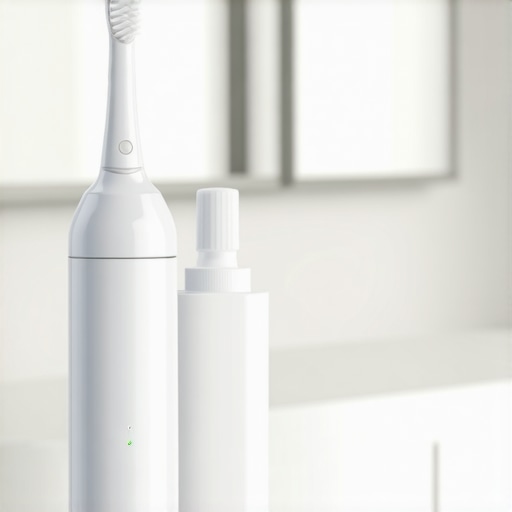 >
>
The Unexpected Lessons That Changed My Approach to Smile Care
One of the most profound realizations I’ve had is that maintaining a youthful smile isn’t just about quick fixes; it’s about embracing a thoughtful, ongoing process. I learned that addressing gum recession early, adopting tailored oral hygiene routines, and understanding the nuances of cosmetic options can transform not only your appearance but your confidence. My lightbulb moment came when I realized that proactive care, rather than reactive treatments, yields lasting results—something I wish I had known sooner. This shift in mindset has empowered me to seek professional advice and personalize my dental routine, ensuring my smile stays vibrant for years to come.