
Why Your Teeth Still Look Yellow After Professional Bleaching
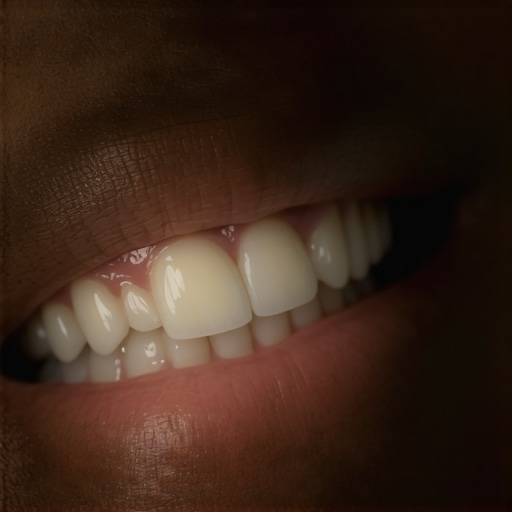
I remember the moment clearly: I sat in the dental chair, grinning nervously, excited for my first professional teeth whitening session. But when I looked in the mirror afterward, to my dismay, my teeth still looked a bit dull, not the sparkling white I had envisioned. That lightbulb moment taught me a vital lesson—professional bleaching isn’t always the magic fix we hope for. If you’ve ever experienced the same, you’re not alone, and better yet, there are reasons and solutions that can truly make a difference.
Figuring Out Why Your Teeth Still Look Yellow
Many people walk into their dental appointment expecting instant perfection, only to be disappointed when their teeth don’t turn out as bright as they’d hoped. Turns out, there are several reasons why your smile might still look dull or yellow after professional whitening. Understanding these can help you set realistic expectations and choose the right path forward. For instance, some stains are deeply embedded within the enamel, making them resistant to bleaching agents. Others might be caused by surface stains from coffee, wine, or smoking, which require different approaches to effectively remove. Recognizing these factors can save you time and frustration, and guide you toward truly effective solutions.
Additionally, I made a common mistake early on—overlooking the significance of maintaining good oral hygiene post-treatment. Regular brushing, flossing, and avoiding stain-causing foods can significantly influence the longevity and effectiveness of whitening results. If neglected, even the best bleaching treatments can gradually lose their impact. For more comprehensive strategies, check out my detailed guide on top teeth whitening strategies.
Is It Worth Trying Further Whitening or Should I Consider Alternatives?
This is a question I often hear—should I keep bleaching, or is there a better way to achieve that radiant smile? Well, you’re not alone in this dilemma. Sometimes, persistent discoloration isn’t due to poor technique but to the nature of the stains or the structure of your teeth. If whitening isn’t delivering the results you desire, options like veneers might be more suitable. But before jumping to those, it’s essential to understand the root cause of the discoloration. Curious about the differences? You can learn more about when veneers or crowns are appropriate here.
Remember, my goal is to help you navigate these concerns realistically. If you’re wondering whether your current whitening efforts are worth continuing or exploring other options, you’re not alone—many have faced this exact crossroads. Keep reading, because in the next sections, I’ll share proven steps and expert tips to help you get that brighter, whiter smile that truly boosts your confidence.
Prepare Your Teeth for Success
Start by ensuring your teeth are as clean as possible before any whitening treatment. Brush thoroughly, floss to remove plaque and surface debris, and consider using a gentle polish recommended by your dentist. I once tried a DIY whitening kit without prepping, resulting in uneven stain removal and sensitivity—so always get the basics right first.
Choose the Right Whitening Method
Decide between professional in-office bleaching, custom at-home trays, or over-the-counter products. Professional treatments often yield faster, more predictable results, but at-home options can be effective if used correctly. Think of it like choosing a car: a professional service is like a custom build, while OTC products are like a reliable second-hand car—better when you understand their limitations.
Professional Bleaching
In-office bleaching uses high-concentration agents and, sometimes, light activation, giving immediate results. I sat through a session, watched the whitening gel foaming and setting, and after an hour, my teeth looked noticeably brighter. But remember, multiple sessions might be necessary for stubborn stains.
At-Home Trays
If you opt for custom trays, your dentist will provide molds and prescribed gels. I observed that filling the trays too full caused excess gel to ooze out, increasing sensitivity risks. Properly fitting trays ensure your whitening agent stays in contact without leaks—like fitting a key perfectly into a lock.
Over-the-Counter Products
Strip kits or whitening pens are more accessible but less potent. They work best for minor surface stains. Use cautiously—applying too frequently can cause enamel erosion, much like over-polishing a delicate sculpture.
Implement Post-Treatment Care
Immediately after whitening, avoid stain-causing foods and beverages like coffee, red wine, or tobacco. I learned this the hard way—my first attempt was quickly marred by a cup of coffee at breakfast. Rinsing with water and using a straw can minimize contact with teeth during consumption.
Strengthen Your Teeth’s Resistance
Use remineralization products like fluoride rinses or pastes. They help replenish minerals lost during whitening. I started applying a fluoride gel twice daily, and it made my teeth feel stronger and less sensitive.
Consider Cosmetic Enhancements When Necessary
If whitening doesn’t achieve the desired outcome due to intrinsic stains or structural issues, veneers or crowns might be viable options. Think of veneers as a cosmetic facelift for your teeth—covering imperfections with a durable shell. For a deeper understanding of which solution suits your needs, explore this comparison.
Maintain Your Bright Smile Long-Term
Develop a consistent oral hygiene routine, using whitening-friendly toothpaste, and schedule regular professional cleanings. Remember, whitening isn’t a one-time event but a continual effort, much like maintaining a garden—consistent care keeps it thriving.
When it comes to teeth whitening, veneers, family dentistry, and Invisalign, many assumptions abound—some that could actually hinder your progress or lead to costly mistakes. Let’s dig deeper into what most people get wrong and understand the subtle nuances that only true dental enthusiasts or professionals recognize.
Why the Popular Belief That Over-the-Counter Products Are Just as Effective Is Misguided
Many believe that store-bought whitening kits can deliver results comparable to professional treatments. In reality, these over-the-counter options contain much lower concentrations of bleaching agents, making them less effective against stubborn stains. Relying solely on OTC products can also lead to overuse, increasing sensitivity and damaging enamel—so always consult your dentist before choosing your whitening method. For detailed strategies tailored to your needs, see my comprehensive guide on top teeth whitening strategies.
Misconception That Veneers Require Extensive Tooth Reduction And Are Irreversible
Many patients think veneers involve aggressive enamel removal and are thus a permanent, irreversible decision. While it’s true that traditional porcelain veneers require some removal, advances in minimal-prep veneers reduce this necessity significantly, preserving more of your natural tooth structure. Additionally, some veneer options are reversible if they don’t meet your expectations. It’s essential to discuss these nuances with your dentist; exploring the differences between veneers and crowns can help clarify your options.
The Hidden Trap in Family Dentistry That Can Compromise Long-Term Oral Health
A less obvious mistake is choosing a family dentist based solely on convenience or price, ignoring their expertise in comprehensive care. Not all practitioners have the same level of specialization in pediatric versus adult dental treatments, or in managing complex cases like orthodontics with Invisalign. An inadequately trained family dentist might miss early signs of issues like malocclusion or TMJ problems, leading to more invasive corrections later. To ensure your family’s oral health is truly safeguarded, explore trusted family dentistry tips.
The Sneaky Overlooked Aspect of Invisalign That Can Sabotage Your Results
Many think that Invisalign is a foolproof pathway to a perfect smile. However, the real key lies in compliance and understanding the process. Wearing aligners inconsistently or failing to follow prescribed wear times can extend treatment duration or compromise outcomes. Furthermore, advanced issues—like bite misalignment or significant crowding—may require adjunctive treatments or more fixed options. A study published in the American Journal of Orthodontics emphasizes the importance of patient cooperation and proper case selection in successful Invisalign results. If you’re curious about mastering Invisalign, check out secrets to effective aligner use. Let’s not fall into the trap of oversimplification; understanding these nuances ensures smarter, more satisfying dental decisions. Have you ever fallen into this trap? Let me know in the comments.Maintaining a bright, healthy smile requires the right tools and routines. I swear by my cordless ultrasonic toothbrush—the Philips Sonicare DiamondClean—because it offers superior plaque removal and gentle gum stimulation, which is vital for long-term maintenance of whitening results and overall oral health. Its advanced sonic technology helps break down stubborn plaque and surface stains, ensuring my teeth stay whiter longer. Pair this with a whitening toothpaste like Crest 3D White, which contains micro-polishers that gently buff away surface stains daily without damaging the enamel. Regular use of such toothpaste helps prolong whitening effects and supports enamel integrity, especially if you have veneers or Invisalign. For deep cleaning, I also recommend water flossers like Waterpik, which effectively remove debris from hard-to-reach areas and prevent discoloration caused by plaque buildup. Incorporating these tools into your routine ensures your smile remains vibrant for years. Looking ahead, I believe the trend will shift toward smarter, AI-powered dental devices that personalize cleaning routines based on your oral health data, making maintenance even more effortless.
How do I maintain my whitening results over time?
Consistent use of high-quality electric toothbrushes, like my Sonicare, combined with tailored whitening pastes and water flossers, creates a robust defense against staining and plaque accumulation. Also, scheduling regular dental checkups and professional cleanings helps catch any issues early and keeps your smile shining as bright as when you first got it. Don’t hesitate to try these advanced tools—taking control now can save you time and money down the line, and it’s the best way to keep your smile truly stunning. For more in-depth strategies, explore top teeth whitening strategies.
Lessons That Changed My Approach to Smile Transformation
One of the most vital lessons I learned was that patience often beats haste when it comes to teeth whitening. Rushing into multiple bleaching sessions without proper prep can lead to sensitivities and uneven results—trust me, I’ve been there. Another realization was understanding that intrinsic stains, like those from tetracycline medication, require tailored solutions such as veneers rather than standard whitening, saving time and disappointment. Lastly, I discovered that maintaining a strict post-treatment routine is essential; neglecting it can undo months of work in just weeks, emphasizing that a gorgeous smile is truly a continuous journey, not a one-time fix.
Tools That Elevated My Dental Care Every Day
To keep my smile radiant, I swear by the Philips Sonicare DiamondClean—its sonic technology ensures deep cleaning that’s gentle on enamel. I complement it with Crest 3D White toothpaste, which contains micro-polishers perfect for daily stain removal without sacrificing tooth health. For in-between cleanings, Waterpik water flossers have been game-changers, efficiently removing plaque and preventing surface stains. These tools have become an integral part of my routine because they empower me to take control of my oral health and maintain my whitening results confidently. For more insights, check out this comprehensive guide.
Embrace the Bright Future of Your Smile Now
Your journey to a stunning, confident smile is uniquely yours and starts today. With the right knowledge, tools, and mindset, you’re capable of achieving results that feel authentic and lasting. Remember, every step—whether it’s choosing the right whitening method, exploring cosmetic improvements like veneers, or establishing a diligent routine—brings you closer to the smile you deserve. Don’t wait for perfection; begin your transformation now, and let your confidence shine through. What’s one small step you’re willing to take today towards your dream smile? Share below—I’d love to hear your plans!