
Why your wisdom teeth are causing pain in your front teeth
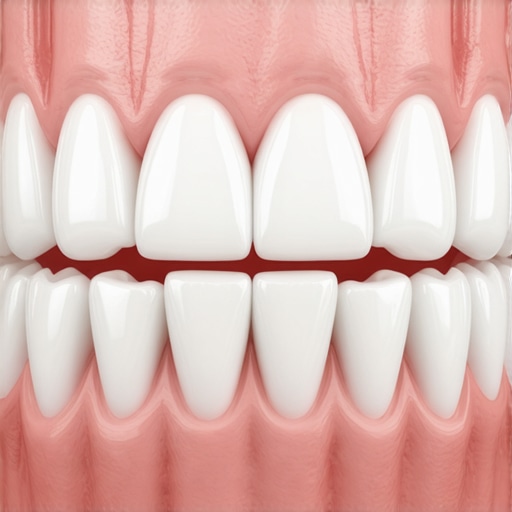
I’ll never forget the morning I woke up convinced I had a massive cavity right between my two front teeth. The pressure was intense—a dull, nagging throb that made every sip of coffee feel like a mistake. I spent twenty minutes in front of the bathroom mirror, poking at my gums and wondering why my smile suddenly felt tight. It didn’t make sense. My front teeth looked fine, but they felt like they were being squeezed in a vice. It took a humbling trip to my dentist to realize the culprit wasn’t even visible; it was my wisdom teeth, those late-blooming troublemakers, wreaking havoc from the back of the line. If you’re feeling that weird crowded sensation or unexplained front-tooth sensitivity, you aren’t imagining things. Today, I’m going to break down exactly how those back molars can send a shockwave of pain all the way to the front and what we can do to stop the squeeze before your alignment shifts for good.
The Pressure Wave from the Back of Your Jaw
It sounds like a bit of a stretch, doesn’t it? The idea that a tooth in the very back corner of your mouth can cause a localized ache in the front seems almost impossible. But think of your teeth like a row of books on a crowded shelf. If you try to shove one more thick encyclopedia onto the end, every single book has to shift to make room. That is essentially what’s happening in your jaw. When wisdom teeth—or third molars—don’t have enough room to erupt properly, they start pushing against the second molars. This creates a literal physical pressure that transfers through the entire arch. I made the classic mistake of thinking I just needed some teeth whitening to distract from the uncomfortable feeling, but no amount of brightening could fix the structural movement.
Can back teeth really shift your entire smile?
This is the part where most people get skeptical. I certainly did. I thought, “My jaw is solid bone; how can a little tooth move everything?” The reality is that our teeth are held in place by ligaments, and they are far more mobile than we realize. According to the American Association of Oral and Maxillofacial Surgeons, about 85% of wisdom teeth eventually need to be removed because they simply don’t have the space to coexist peacefully. When they are impacted, they grow at an angle, shoving the entire dental row forward. This often leads to that crowded look or even makes you wonder how to fix the small gap that appeared between your front teeth because of the uneven force.
When the Pain Moves Forward
The pain you’re feeling in the front isn’t always about the teeth moving; sometimes it’s about the nerves. The “referred pain” phenomenon means your brain can’t quite pinpoint where the signal is coming from, so it feels like it’s in your front teeth when it’s actually coming from the back. I spent weeks worrying about my incisors when the real battle was happening inches away. If you ignore this, you might eventually find yourself looking into Invisalign secrets to fix the crowding that those wisdom teeth caused. Have you ever felt that strange, tight pressure in your front teeth out of nowhere? It’s a sign your mouth is running out of real estate, and it’s time to listen to what those back molars are trying to tell you.
Get a Clear Map of Your Jaw Structure
To fix the squeeze, you first have to see exactly where the force is coming from. Traditional flat X-rays are often insufficient because they miss the nuance of a tooth’s specific rotation or the depth of the impaction. This is why the real reason Culpeper dentists are swapping traditional X-rays for 3d scans is so important—it provides a 360-degree view of the dental collision course. I remember sitting in the chair, looking at a 3D model of my own jaw, and seeing my bottom left wisdom tooth sitting almost horizontally, like a bulldozer aimed directly at my front teeth. Once you have that map, you stop guessing and start treating the source rather than the symptoms.
Remove the Source of the Pressure
The primary solution for referred front-tooth pain is almost always extraction. If the pressure is already causing your front teeth to ache or feel tight, the wait-and-see approach has already reached its limit. Think of it like a dam about to burst; you have to relieve the physical force at the back before the alignment of the entire arch fails. In my own journey, I tried to tough it out for six months, popping painkillers every time I felt that front-tooth throb. By the time I finally scheduled the surgery, my two bottom incisors had already started to cross over each other. Acting when the pressure first hits is the only way to avoid more complex corrective work later. 
Straighten the Damage Left Behind
Once the wisdom teeth are gone, the pressure stops, but your teeth do not magically jump back into their original spots. For many, this is the phase where Invisalign innovation and invisible braces become the primary tool for restoration. These clear aligners apply controlled force to reverse the crowding that those back molars caused over time. If the crowding was severe enough to cause visible chips or uneven wear on the edges of your front teeth, you may want to explore how veneers made simple can transform your tooth aesthetics. They serve as a protective, aesthetic shield over the structural damage caused by years of overcrowding.
Keep Your New Alignment Stable
The final step in the process is long-term maintenance. Many dentists will install a permanent retainer wire behind the front teeth to ensure they never migrate again. However, these wires are magnets for debris. You must master how to clean plaque off a permanent retainer wire using specialized floss threaders or interdental brushes. If you ignore this hygiene step, you are simply swapping a crowding issue for a gum health issue. Constant vigilance with your retainer is the only way to ensure the pressure doesn’t win in the long run.
Stop Chasing the Hollywood White Myth
Most people believe that if they just blast their teeth with enough peroxide, they’ll eventually hit that blinding white ‘refrigerator’ color. But here is the advanced nuance: your teeth have a physical saturation point. If you push past it, you don’t get whiter; you actually get translucent. This is exactly why your teeth look gray instead of yellow and how to fix it. When the enamel becomes too thin or over-processed, the dark shadows of your inner mouth start to show through, creating a dull, muddy appearance that no amount of gel can fix. According to the American Academy of Cosmetic Dentistry, over-bleaching can lead to ‘bleaching burnout,’ where the tooth structure becomes temporarily porous and loses its natural luster. It is a common trap for those trying to self-treat the structural dullness caused by wisdom tooth crowding. 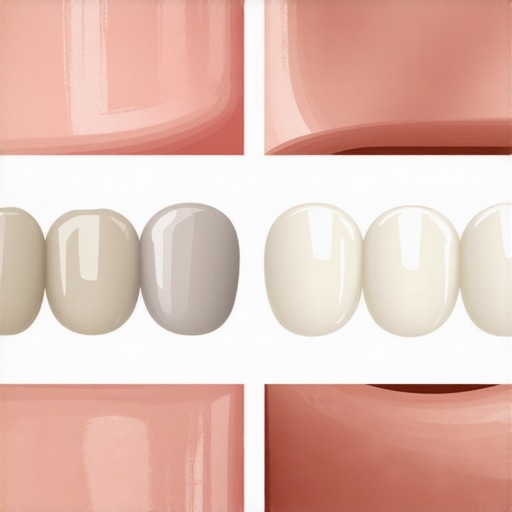
The 18-Hour Habit is Killing Your Progress
When it comes to corrective work like Invisalign, there is a dangerous middle ground that many patients fall into. Everyone says ‘wear them as much as possible,’ but many think 18 hours is ‘good enough.’ It isn’t. In fact, the problem with wearing your aligners for only 18 hours a day is that your teeth spend 6 hours ‘rebounding’ toward their old, crowded positions. This creates a cycle of constant inflammation in the periodontal ligament rather than steady movement. If you are investing in a straighter smile after a wisdom tooth extraction, don’t sabotage the biological process by being casual with your wear time. Consistency is the only thing that prevents the ‘squeeze’ from returning.
Why do my brand-new veneers feel like they are crowding my mouth?
It is incredibly common to feel like your bite has been compromised immediately after cosmetic work. You might even feel like why your new veneers feel like they are pushing against your other teeth is a sign of a poor fit. In reality, your brain is recalibrating to the new thickness of the porcelain. However, a major ‘oops’ factor to watch for is the hygiene transition. Many people treat their new smile too delicately, which is a mistake. You have to stop brushing your veneers like they are real teeth in terms of the pressure and abrasive pastes you use, yet you must be twice as diligent with flossing at the margins. If you don’t, the gum tissue will swell, creating even more of that ‘tight’ crowded feeling you were trying to escape in the first place.
Look for the Personal Touch in Local Care
When dealing with complex issues like referred pain from impaction, the difference between a high-volume clinic and a focused practice is night and day. There is a subtle difference between a corporate clinic and local Culpeper family dentistry that usually comes down to the diagnostic time. A local dentist is more likely to spend thirty minutes discussing your jaw mechanics rather than thirty seconds glancing at a chart. This level of family dentistry and building healthy smiles for every generation ensures that when you do opt for a major change—be it veneers or braces—it’s because the foundation is actually ready for it. Have you ever fallen into the trap of thinking a cosmetic fix would solve a structural problem? Let me know in the comments below.I used to think that once the braces came off or the veneers were bonded, the work was done. I couldn’t have been more wrong. The ‘maintenance’ phase is where most people fail because they rely on the same old toothbrushing routine they had in middle school. If you want to keep that alignment and brightness, you need to upgrade your toolkit. Personally, I swear by the 42kHz ultrasonic cleaner for my retainers and night guards. Scrubbing them with a toothbrush creates microscopic scratches that act as hotels for bacteria, leading to the hidden reason your clear aligners have a persistent odor. Throwing them in a sonic bath for five minutes with a specialized cleaning tablet is the only way to ensure you aren’t putting a biohazard back into your mouth every night.
Invest in Tools That Do the Heavy Lifting
Beyond the sonic cleaner, you have to get serious about how you handle daily debris. If you’ve invested in restorative work, you likely have tight margins that a standard string of floss just can’t navigate. I’ve found that a high-pressure water flosser paired with a pH-neutral mouthwash is the only way to effectively manage the area where a veneer meets the gum line. This is crucial because how to properly clean a night guard to prevent bacterial buildup and maintaining your gums goes hand-in-hand. According to a study in the Journal of Clinical Orthodontics, biofilm accumulation is the leading cause of late-stage orthodontic relapse and gingival recession, which can make even the most expensive veneers look aged prematurely. 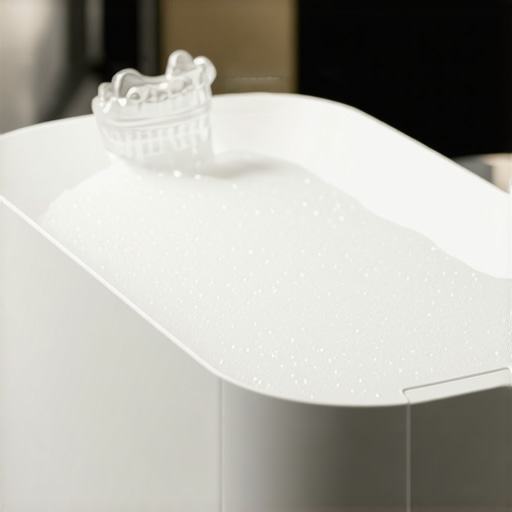
How do I keep my results from fading years later?
The key to long-term success is realizing that your mouth is a dynamic environment, not a static one. You have to balance aesthetics with biology. For example, if you’ve gone through professional whitening, you’re likely terrified of a relapse. Instead of reaching for more peroxide, I recommend switching to a nano-hydroxyapatite toothpaste. This doesn’t just ‘clean’—it actually remineralizes the enamel, filling in the tiny pores that stains like to call home. This is the most effective way to keep your teeth white without giving up black tea or your morning espresso. When it comes to ensuring family dental care and what parents need to know in 2025, the focus is shifting toward this kind of ‘preventative restoration’—using smart materials to protect the work we’ve already done.
The Future of Smile Stability is Personalized
Looking ahead, I predict we are going to see a massive shift toward AI-integrated dental monitoring. We are already seeing apps that sync with your smartphone to track the ‘wear-and-tear’ on your clear aligners or the health of your gum tissue via high-res photos. This level of data means your dentist can catch a slight shift in your bite—like why your new crown feels high when you bite down—before it causes a fracture or a headache. We are moving away from the ‘check-up every six months’ model and toward real-time smile management. My advice? Don’t wait for your next appointment to take control. Grab a high-quality ultrasonic cleaner this week and see how much fresher your smile feels after just a few days of use.I’ll never forget the morning I woke up convinced I had a massive cavity right between my two front teeth. The pressure was intense—a dull, nagging throb that made every sip of coffee feel like a mistake. I spent twenty minutes in front of the bathroom mirror, poking at my gums and wondering why my smile suddenly felt tight. It didn’t make sense. My front teeth looked fine, but they felt like they were being squeezed in a vice. It took a humbling trip to my dentist to realize the culprit wasn’t even visible; it was my wisdom teeth, those late-blooming troublemakers, wreaking havoc from the back of the line. If you’re feeling that weird crowded sensation or unexplained front-tooth sensitivity, you aren’t imagining things. Today, I’m going to break down exactly how those back molars can send a shockwave of pain all the way to the front and what we can do to stop the squeeze before your alignment shifts for good.
The Pressure Wave from the Back of Your Jaw
It sounds like a bit of a stretch, doesn’t it? The idea that a tooth in the very back corner of your mouth can cause a localized ache in the front seems almost impossible. But think of your teeth like a row of books on a crowded shelf. If you try to shove one more thick encyclopedia onto the end, every single book has to shift to make room. That is essentially what’s happening in your jaw. When wisdom teeth—or third molars—don’t have enough room to erupt properly, they start pushing against the second molars. This creates a literal physical pressure that transfers through the entire arch. I made the classic mistake of thinking I just needed some teeth whitening to distract from the uncomfortable feeling, but no amount of brightening could fix the structural movement.
Can back teeth really shift your entire smile?
This is the part where most people get skeptical. I certainly did. I thought, “My jaw is solid bone; how can a little tooth move everything?” The reality is that our teeth are held in place by ligaments, and they are far more mobile than we realize. According to the American Association of Oral and Maxillofacial Surgeons, about 85% of wisdom teeth eventually need to be removed because they simply don’t have the space to coexist peacefully. When they are impacted, they grow at an angle, shoving the entire dental row forward. This often leads to that crowded look or even makes you wonder how to fix the small gap that appeared between your front teeth because of the uneven force.
When the Pain Moves Forward
The pain you’re feeling in the front isn’t always about the teeth moving; sometimes it’s about the nerves. The “referred pain” phenomenon means your brain can’t quite pinpoint where the signal is coming from, so it feels like it’s in your front teeth when it’s actually coming from the back. I spent weeks worrying about my incisors when the real battle was happening inches away. If you ignore this, you might eventually find yourself looking into Invisalign secrets to fix the crowding that those wisdom teeth caused. Have you ever felt that strange, tight pressure in your front teeth out of nowhere? It’s a sign your mouth is running out of real estate, and it’s time to listen to what those back molars are trying to tell you.
Get a Clear Map of Your Jaw Structure
To fix the squeeze, you first have to see exactly where the force is coming from. Traditional flat X-rays are often insufficient because they miss the nuance of a tooth’s specific rotation or the depth of the impaction. This is why the real reason Culpeper dentists are swapping traditional X-rays for 3d scans is so important—it provides a 360-degree view of the dental collision course. I remember sitting in the chair, looking at a 3D model of my own jaw, and seeing my bottom left wisdom tooth sitting almost horizontally, like a bulldozer aimed directly at my front teeth. Once you have that map, you stop guessing and start treating the source rather than the symptoms.
Remove the Source of the Pressure
The primary solution for referred front-tooth pain is almost always extraction. If the pressure is already causing your front teeth to ache or feel tight, the wait-and-see approach has already reached its limit. Think of it like a dam about to burst; you have to relieve the physical force at the back before the alignment of the entire arch fails. In my own journey, I tried to tough it out for six months, popping painkillers every time I felt that front-tooth throb. By the time I finally scheduled the surgery, my two bottom incisors had already started to cross over each other. Acting when the pressure first hits is the only way to avoid more complex corrective work later. #IMAGE_PLACE_HOLDER_B#
Straighten the Damage Left Behind
Once the wisdom teeth are gone, the pressure stops, but your teeth do not magically jump back into their original spots. For many, this is the phase where Invisalign innovation and invisible braces become the primary tool for restoration. These clear aligners apply controlled force to reverse the crowding that those back molars caused over time. If the crowding was severe enough to cause visible chips or uneven wear on the edges of your front teeth, you may want to explore how veneers made simple can transform your tooth aesthetics. They serve as a protective, aesthetic shield over the structural damage caused by years of overcrowding.
Keep Your New Alignment Stable
The final step in the process is long-term maintenance. Many dentists will install a permanent retainer wire behind the front teeth to ensure they never migrate again. However, these wires are magnets for debris. You must master how to clean plaque off a permanent retainer wire using specialized floss threaders or interdental brushes. If you ignore this hygiene step, you are simply swapping a crowding issue for a gum health issue. Constant vigilance with your retainer is the only way to ensure the pressure doesn’t win in the long run.
Stop Chasing the Hollywood White Myth
Most people believe that if they just blast their teeth with enough peroxide, they’ll eventually hit that blinding white ‘refrigerator’ color. But here is the advanced nuance: your teeth have a physical saturation point. If you push past it, you don’t get whiter; you actually get translucent. This is exactly why your teeth look gray instead of yellow and how to fix it. When the enamel becomes too thin or over-processed, the dark shadows of your inner mouth start to show through, creating a dull, muddy appearance that no amount of gel can fix. According to the American Academy of Cosmetic Dentistry, over-bleaching can lead to ‘bleaching burnout,’ where the tooth structure becomes temporarily porous and loses its natural luster. It is a common trap for those trying to self-treat the structural dullness caused by wisdom tooth crowding. #IMAGE_PLACE_HOLDER_C#
The 18-Hour Habit is Killing Your Progress
When it comes to corrective work like Invisalign, there is a dangerous middle ground that many patients fall into. Everyone says ‘wear them as much as possible,’ but many think 18 hours is ‘good enough.’ It isn’t. In fact, the problem with wearing your aligners for only 18 hours a day is that your teeth spend 6 hours ‘rebounding’ toward their old, crowded positions. This creates a cycle of constant inflammation in the periodontal ligament rather than steady movement. If you are investing in a straighter smile after a wisdom tooth extraction, don’t sabotage the biological process by being casual with your wear time. Consistency is the only thing that prevents the ‘squeeze’ from returning.
Why do my brand-new veneers feel like they are crowding my mouth?
It is incredibly common to feel like your bite has been compromised immediately after cosmetic work. You might even feel like why your new veneers feel like they are pushing against your other teeth is a sign of a poor fit. In reality, your brain is recalibrating to the new thickness of the porcelain. However, a major ‘oops’ factor to watch for is the hygiene transition. Many people treat their new smile too delicately, which is a mistake. You have to stop brushing your veneers like they are real teeth in terms of the pressure and abrasive pastes you use, yet you must be twice as diligent with flossing at the margins. If you don’t, the gum tissue will swell, creating even more of that ‘tight’ crowded feeling you were trying to escape in the first place.
Look for the Personal Touch in Local Care
When dealing with complex issues like referred pain from impaction, the difference between a high-volume clinic and a focused practice is night and day. There is a subtle difference between a corporate clinic and local Culpeper family dentistry that usually comes down to the diagnostic time. A local dentist is more likely to spend thirty minutes discussing your jaw mechanics rather than thirty seconds glancing at a chart. This level of family dentistry and building healthy smiles for every generation ensures that when you do opt for a major change—be it veneers or braces—it’s because the foundation is actually ready for it. Have you ever fallen into the trap of thinking a cosmetic fix would solve a structural problem? Let me know in the comments below.I used to think that once the braces came off or the veneers were bonded, the work was done. I couldn’t have been more wrong. The ‘maintenance’ phase is where most people fail because they rely on the same old toothbrushing routine they had in middle school. If you want to keep that alignment and brightness, you need to upgrade your toolkit. Personally, I swear by the 42kHz ultrasonic cleaner for my retainers and night guards. Scrubbing them with a toothbrush creates microscopic scratches that act as hotels for bacteria, leading to the hidden reason your clear aligners have a persistent odor. Throwing them in a sonic bath for five minutes with a specialized cleaning tablet is the only way to ensure you aren’t putting a biohazard back into your mouth every night.
Invest in Tools That Do the Heavy Lifting
Beyond the sonic cleaner, you have to get serious about how you handle daily debris. If you’ve invested in restorative work, you likely have tight margins that a standard string of floss just can’t navigate. I’ve found that a high-pressure water flosser paired with a pH-neutral mouthwash is the only way to effectively manage the area where a veneer meets the gum line. This is crucial because how to properly clean a night guard to prevent bacterial buildup and maintaining your gums goes hand-in-hand. According to a study in the Journal of Clinical Orthodontics, biofilm accumulation is the leading cause of late-stage orthodontic relapse and gingival recession, which can make even the most expensive veneers look aged prematurely.
How do I keep my results from fading years later?
The key to long-term success is realizing that your mouth is a dynamic environment, not a static one. You have to balance aesthetics with biology. For example, if you’ve gone through professional whitening, you’re likely terrified of a relapse. Instead of reaching for more peroxide, I recommend switching to a nano-hydroxyapatite toothpaste. This doesn’t just ‘clean’—it actually remineralizes the enamel, filling in the tiny pores that stains like to call home. This is the most effective way to keep your teeth white without giving up black tea or your morning espresso. When it comes to ensuring family dental care and what parents need to know in 2025, the focus is shifting toward this kind of ‘preventative restoration’—using smart materials to protect the work we’ve already done.
The Future of Smile Stability is Personalized
Looking ahead, I predict we are going to see a massive shift toward AI-integrated dental monitoring. We are already seeing apps that sync with your smartphone to track the ‘wear-and-tear’ on your clear aligners or the health of your gum tissue via high-res photos. This level of data means your dentist can catch a slight shift in your bite—like why your new crown feels high when you bite down—before it causes a fracture or a headache. We are moving away from the ‘check-up every six months’ model and toward real-time smile management. My advice? Don’t wait for your next appointment to take control. Grab a high-quality ultrasonic cleaner this week and see how much fresher your smile feels after just a few days of use.
What I Finally Realized About the Dental Domino Effect
Reflecting on my own journey, the biggest lesson learned was that ignoring the back molars while trying to fix the front is like painting a house while the foundation is sinking. I discovered that the real reason culpeper dentists are swapping traditional x-rays for 3d scans is about more than just technology—it is about seeing the invisible forces that push your teeth out of alignment. I also learned that consistency is non-negotiable; skipping your wear time and falling into the problem with wearing your aligners for only 18 hours a day simply allows the old pressure to win. Finally, I realized that the “front tooth ache” was actually a gift; it was the only warning my jaw gave me before my alignment shifted permanently.
The Gold Standard Tools for Your Bathroom Cabinet
If you are serious about maintaining your results, there are three resources I personally trust to keep the squeeze at bay. First, a 42kHz ultrasonic cleaner is essential for hygiene and prevents the hidden reason your clear aligners have a persistent odor from taking hold. Second, switching to nano-hydroxyapatite toothpaste is the best way to master how to keep your teeth white without giving up black tea by repairing the enamel naturally. Third, a high-quality water flosser is the only way to manage the tight margins created after your teeth have been crowded. These tools are the backbone of family dentistry and building healthy smiles for every generation.
Take the First Step Toward a Pressure-Free Smile
The tight, crowded feeling in your mouth doesn’t have to be your permanent reality. By addressing the source of the pressure and supporting your recovery with the right modern tools, you can reclaim your smile’s comfort and clarity. Don’t wait until the squeeze forces you into more expensive repairs; listen to your body today. Have you ever felt that strange, tight pressure in your front teeth out of nowhere and wondered if your wisdom teeth were to blame? Let me know in the comments below!