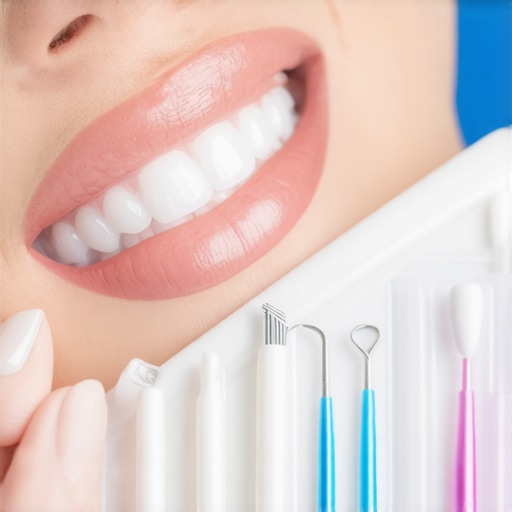
Have you ever stared at your mirror, frustrated, noticing tiny gaps between your Invisalign trays and your teeth that just won’t go away? I remember the exact moment I realized my aligners weren’t fitting as snugly as they used to. It felt like my teeth were staging a tiny rebellion, and I had no idea how to keep them in line. That lightbulb moment led me down a rabbit hole of research, trial, and error, all to avoid those dreaded tracking gaps that can put your entire Invisalign journey on hold.
Why Those Tracking Gaps Could Derail Your Smile Goals in 2026
If you’re planning to stick with Invisalign around 2026, understanding how to prevent tracking gaps is crucial. These small spaces can seem insignificant, but they often signal your trays aren’t working as intended—potentially leading to extended treatments or compromised results. Early on, I made the mistake of ignoring minor misfits, thinking they’d fix themselves. Spoiler alert: they didn’t. Instead, they compounded, making my treatment longer and more frustrating. That’s why I want to share what I learned—so you won’t fall into the same trap.
Is Your Mindset About Invisalign Gaps Really Holding You Back?
Honestly, I used to dismiss minor fitting issues, convinced they’d resolve on their own. My early mistake was assuming that if my aligners felt okay, everything was fine. But that’s where many people go wrong. Gaps or loose-fitting trays are often early warning signs of bigger problems that, if ignored, can lead to delays or worse, uneven results. It’s similar to ignoring a small leak in your plumbing—ignoring it won’t make it go away, and it can cause bigger issues later. Recognizing these signs early and knowing how to address them can save you precious time and money. Want to know the proven ways to catch and prevent these gaps before they become a problem? Keep reading—I’ve got you covered.
Adjust Your Custom Fit Regularly
First, I learned the importance of monitoring the fit of my aligners with every tray change. When I noticed a slight looseness, I didn’t ignore it. Instead, I double-checked the alignment by gently pressing around the tray to detect any gaps. This quick check is like a car mechanic inspecting a tire—prompt detection prevents further issues. If you find a gap, it’s best to contact your dentist immediately through our contact page rather than waiting for the next appointment.
Use Saliva or Water to Test Fit
To confirm a gap, I wet my finger with saliva and ran it along the edges of the aligner. A proper fit shouldn’t have any noticeable airflow or movement. If air passes freely or water seeps through, rest assured that a gap exists. This simple test avoids the frustration of assuming the tray still fits. For more advanced detection, consider using a mirror with good lighting or even taking a quick photo for comparison.
Master the Tray Insertion Technique
In my experience, the way I inserted my aligners directly influenced their fit. I adopted a “press and seat” method: I pressed down on the front of the tray, then gently pushed the sides into my gums, making sure each part clicked into place. Think of it as sealing a bag—firm but gentle pressure ensures a snug seal. Failing to push correctly can leave tiny gaps that undermine treatment progress.
Special Tip: Use Your Finger or a Soft Tool
I found that using the pad of my finger or a small dental tool helped distribute pressure evenly. Avoid using hard objects that might distort the tray’s shape. Practice this technique in front of a mirror, especially during the first few trays. Remember, a properly seated aligner not only prevents gaps but also ensures predictable tooth movement.
Maintain Oral Hygiene and Cleanliness
Accumulated residue on teeth or aligners can impede proper seating. I made it a habit to brush and floss thoroughly before inserting new trays. Think of it like laying a foundation—clean surfaces allow for a better fit and reduce the risk of bacteria buildup, which can cause gum inflammation. If you notice persistent gaps, check for debris or residue on your teeth or aligners, and clean them accordingly. For tips on maintaining your dental appliances, visit family dentistry tips.
Control Tray Wear Time and Schedule
Timing your wear carefully can make a big difference. I tracked my daily wear hours meticulously, aiming for the 20-22 hours recommended. Being consistent ensures that your teeth move as planned, minimizing gaps caused by uneven pressure. A missed hour here and there might not seem like much, but cumulatively it can lead to fit issues. Set reminders on your phone or use a dedicated app to stay disciplined. If you’re unsure about your progress, refer to common Invisalign attachment issues for troubleshooting.
Address Material Shrinkage or Warping Promptly
Over time, aligners may warp due to heat or improper handling. Once I noticed a slight change in the tray’s shape, I replaced it immediately instead of risking a gap. Keep your trays in a safe, cool place and avoid exposing them to hot water or sunlight. If your trays feel tighter or looser than expected, consult your dentist about a replacement. This proactive approach prevents gaps that could extend your treatment unnecessarily. For more on tray care, see home fixes for aligner issues.
Conclusion
Regularly checking the fit, mastering insertion techniques, maintaining oral hygiene, managing wear time, and handling material issues are concrete actions that keep your Invisalign treatment on track. Remember, proactive steps like these prevent minor issues from evolving into costly delays, ensuring a smooth path toward your perfect smile.
,
Many believe that veneers, Invisalign, family dentistry, and teeth whitening are straightforward treatments, but the truth is, there’s a lot of nuance that often goes unnoticed. A common misconception is that veneers are purely cosmetic and require no maintenance—however, this overlooks the importance of material selection and bonding techniques that influence longevity. For example, some types of veneers are more prone to chipping if dental habits aren’t adjusted accordingly. Similarly, many think Invisalign is a quick fix, but the process involves meticulous planning, including precise digital scans and tracking, to prevent issues like trays slipping or gaps forming.
What sophisticated patients overlook about teeth whitening safety?
One often-missed fact is that over-the-counter whitening products can cause irreversible damage if used improperly. Professional whitening procedures are more controlled, but even then, the choice of whitening agents matters—some formulations penetrate deeper, risking gum irritation or enamel erosion if misused. According to a study published in the Journal of Esthetic and Restorative Dentistry, improper application of whitening gels can lead to increased sensitivity and damage to the pulp tissue. So, while whitening is generally safe when done correctly, DIY approaches often carry hidden risks that many are unaware of.
Common myths about family dentistry you should abandon
A prevalent myth is that regular dental checkups are only necessary when problems arise. In reality, preventive care can catch early signs of decay or gum disease before symptoms are evident, saving you pain and money in the long run. Additionally, some assume that family dentists only deal with children, but modern practices offer comprehensive services for all ages, including complex procedures like implants or orthodontics. Ensuring your family is on a preventive-oriented schedule can significantly improve oral health outcomes.
How does advanced understanding influence your choices?
Knowing that each treatment option has nuances, like the type of veneer material or the specific Invisalign aligner design, allows you to work more effectively with your dentist. For instance, choosing between zirconia or porcelain veneers isn’t just about appearance; it involves considerations of strength, translucency, and how they interact with your bite. Staying informed about these details ensures that your dental choices align with your goals and lifestyle. Consider reviewing our guide on veneers for deeper insights.
In conclusion, avoiding superficial judgments about dental treatments enables you to make more informed decisions, ultimately leading to better results and longer-lasting smiles. Do you think you’ve fallen for some of these misconceptions? Let me know in the comments! Remember, a well-informed patient is a confident patient.
Keep It Working: Essential Tools for Long-Term Dental Success
Maintaining a radiant smile after veneers, Invisalign, or teeth whitening isn’t just about good habits—having the right tools makes a significant difference. In my practice and personal experience, selecting high-quality, reliable equipment ensures longevity and optimal results. Here are my top recommendations for tools that help me, and my patients, keep dental treatments functioning smoothly over time.
Precision Oral Hygiene Devices
First and foremost, I advocate for using a sonic toothbrush with a timer, such as the Oral-B Genius series. The high-frequency vibrations effectively remove plaque around veneers and orthodontic attachments, preventing staining and gum issues. The built-in timers ensure consistent 2-minute brushing, which is critical for long-term health. For flossing, I prefer water flossers like Waterpik, which are gentle yet thorough—especially beneficial for cleaning around veneers and braces. These tools simplify maintaining oral hygiene and preventing accumulation that could compromise restorations.
Specialized Cleaning Aids
Interdental brushes like TePe’s angled variants are excellent for reaching between teeth, reducing the risk of cavities and gum disease. I recommend lightweight, flexible models that can navigate the contours of veneers and aligners with ease. Regular use preserves the integrity of bonding and minimizes wear or damage over time. Additionally, a UV sanitizing unit, such as the UV-C Toothbrush Sterilizer, adds an extra layer of protection by disinfecting your daily-use devices, reducing bacterial buildup that could lead to complications.
Digital Monitoring Tools and Software
Tracking your progress is vital. I utilize patient-friendly apps like DentalMonitoring, which allows us to review your oral health remotely through scheduled photo uploads. This proactive approach helps catch early signs of wear, decay, or issues with aligners. Investing in such digital tools enables long-term maintenance without unnecessary trips and encourages accountability.
Routine Checkups and Advanced Diagnostics
While not a tool per se, regular dental checkups utilizing intraoral scanners and digital X-rays form the backbone of long-term success. These technologies detect subtle changes or problems before they escalate, saving time and money. I recommend scheduling a comprehensive exam every six months and consulting with your dentist on personalized maintenance strategies.
Predicted Future Trends in Dental Maintenance
Looking ahead, I predict an increase in AI-powered diagnostic tools integrated into home care devices, offering personalized feedback and early warning systems. For example, AI-enabled toothbrushes that analyze brushing patterns and detect areas missed could become standard, further enhancing maintenance protocols. Staying updated with these advancements means you can adopt smarter, more effective tools that safeguard your investment in your smile.
How do I maintain long-term results in the future?
Consistency is key. Combine high-quality tools with disciplined routines—brushing twice daily, flossing, and using recommended cleaning aids. Also, keep up with regular professional evaluations to catch and address issues early. To explore more about protecting your investments in dental aesthetics, check out our comprehensive guide on veneers care tips. Don’t forget to try my tip of using an ultrasonic cleaner for your retainers—it’s a game-changer in maintaining clarity and hygiene.
The Hardest Lessons I Learned About Veneers, Invisalign, Family Dentistry, and Teeth Whitening
- Never underestimate the power of consistent maintenance—skipping routine care can silently sabotage your results. For instance, I discovered that neglecting regular cleaning around veneers led to early discoloration, which forced costly touch-ups. Staying vigilant can save you time and money in the long run.
- Patience trumps haste—rushing through treatments like Invisalign or whitening can cause setbacks. I once tried to accelerate my teeth whitening process with over-the-counter gels, only to experience increased sensitivity and uneven shades. Embracing the recommended timelines ensures lasting, natural-looking results.
- Consultation is key—trusting your dentist’s expertise over online myths prevented me from making costly mistakes, such as choosing the wrong veneer material. Armed with professional guidance, I could select options tailored to my lifestyle and aesthetic goals.
- Understanding the nuances of treatment options helps you make informed decisions—learning about materials, techniques, and aftercare demystified the process. For example, I realized zirconia veneers offer durability, whereas porcelain variants blend seamlessly but require different maintenance routines.
- Beware of misconceptions—that veneers are maintenance-free or that whitening lasts forever. Educating myself about these realities kept unrealistic expectations at bay and prepared me for proper upkeep, extending the lifespan of my smile enhancements.
My Essential Toolkit for Veneers, Invisalign, and Teeth Whitening
- Ultrasonic Toothbrush: I trust the Oral-B Genius for its superior plaque removal, especially around veneers and aligners, ensuring my treatments stay pristine.
- Interdental Brushes: Small, angled flossing aids like TePe brushes make cleaning between teeth easier, preserving my restorations and preventing decay.
- Digital Monitoring Apps: Tools such as dental progress apps help me track my Invisalign wear and maintain consistency, reducing treatment delays.
- Effective Whitening Kits: I rely on professional-grade whitening trays, which are safer and more effective than over-the-counter strips, to maintain my bright smile.
Your Next Step Toward Confident Smiles
Remember, the journey to a flawless smile with veneers, Invisalign, family dentistry, or teeth whitening is as much about smart choices as it is about patience and persistence. Keep learning, stay proactive, and celebrate every small victory along the way. Your best smile still awaits—so go ahead, make that appointment, and take the next step today! If you’re curious about how to start, visit our contact page or explore our comprehensive tips to transform your smile in 2025.
Leave a Reply