
5 Subtle Signs Your New Veneers Are Leaking at the Gum Line
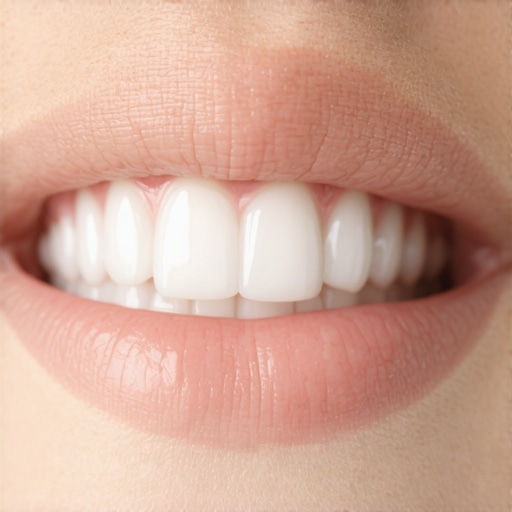
I still remember the day I first got my veneers—excited, eager, thinking I had finally unlocked that perfect Hollywood smile. But within just a few weeks, something didn’t feel right. My gums were inching closer to my veneers, causing slight tenderness, and I noticed a faint discoloration at the edges. That lightbulb moment hit me hard: could my brand-new veneers be leaking at the gum line?
Why Detecting Small Signs Early Can Save Your Smile
Is Veneer Leakage Really a Big Deal or Just Overthinking?
Let me be upfront: early signs of veneer leaks are subtle, almost sneaky. Most people dismiss them as normal wear or just minor irritation. However, ignoring these clues can lead to more complex—and costly—problems down the line. Early intervention, based on my own experience, not only saved my smile but also kept my gums healthy and my confidence intact.
One critical mistake I made early on was not paying enough attention to small changes. I thought roughness or slight color shifts were due to staining or aging. But it turns out, these can be subtle indicators of leakage or poor bonding at the gum line. Recognizing these signs promptly can make all the difference, as improper sealing can invite bacteria growth, gum recession, and even veneer failure.
What This Post Will Cover
In the next sections, I’ll walk you through the five most subtle signs that your veneers may be leaking at the gum line. We’ll explore what to look for, how to distinguish normal wear from potential issues, and most importantly, what steps to take if you spot these signs. If you’re like I was—wondering whether that unusual discomfort or slight discoloration is just temporary—stick around. I’ve been there, and I want to help you avoid the hassle and expense of ignoring these warning signals.
Have you ever noticed minor changes around your veneers that seemed insignificant but nagged at you? If yes, you’re not alone. Recognizing the early signs can keep your smile looking flawless and healthy for the long haul. For more insights on maintaining your veneers and ensuring they last, you might find value in reading about veneers made simple. Ready to dive into the signs that should prompt a visit to your dentist? Let’s get started!
Examine Your Gums for Unusual Changes
Start your inspection by gently feeling along the gum line with a clean finger or a mirror. Look for any tenderness, swelling, or redness—these can be early signs of leakage. For example, I once noticed a slight tenderness near my front tooth after a few weeks, which prompted me to investigate further. This simple tactile check can alert you early before issues worsen.
Identify Discoloration or Dark Margins
Next, scrutinize the edges of your veneers for faint discoloration or dark lines. Use good lighting and a mirror, and compare with adjacent teeth. In my case, I spotted a thin, darker line at the margin that I initially dismissed. Recognizing these subtle color shifts is crucial, as they often indicate cement or adhesive breakdown and potential leakage.
Monitor Sensitivity or Discomfort
Pay attention to any new sensitivity to hot, cold, or sweet foods, along with discomfort when biting or touching the veneers. I experienced mild tenderness when sipping cold drinks, which was a red flag. If you notice these symptoms, note their frequency and intensity—early signs may be reversible with prompt action.
Check for Unusual Taste or Odors
Persistent bad taste or foul odor near the veneer area can point to bacterial infiltration caused by leakage. I caught an unpleasant taste that didn’t go away after brushing. This is often due to trapped bacteria or debris developing under the veneer, a sign that professional assessment is needed.
Evaluate Your Oral Hygiene Routine
Ensure you’re maintaining excellent oral hygiene, especially around the veneer margins. Use soft brushes and floss gently at the gum line. I use interdental brushes to clean hard-to-reach areas, preventing plaque buildup that can accelerate leakage. Regular brushing and flossing help keep the margins sealed and healthy.
Schedule a Professional Dental Checkup
If you detect any of these signs—discoloration, tenderness, bad taste, or other abnormalities—book an appointment promptly. My experience taught me that early professional intervention can seal minor leaks before they cause significant damage. For comprehensive care, consider visiting your dentist who can perform x-rays or probe-assisted inspections to confirm leakage.
Leverage Advanced Diagnostic Methods
Sometimes, visual inspection isn’t enough. Your dentist may use digital scans or intraoral cameras to detect subclinical leaks. Recently, my dentist used a digital scan, revealing microscopic gaps I couldn’t see with the naked eye. These technologies provide precise diagnostics, ensuring targeted treatment and longevity for your veneers.
Take Action to Prevent Future Leaks
Maintaining good habits—avoiding excessive biting on hard foods and sticking to recommended oral care—is vital. I learned that lifestyle choices impact the lifespan of veneers. Regular checkups and prompt responses to early signs can save you from costly repairs or replacements later. If you want to optimize your veneer care, explore tips on preventing veneer gritty feeling.
Many people believe that family dentistry and cosmetic treatments like veneers, teeth whitening, and Invisalign are straightforward solutions for perfecting smiles. However, the common misconceptions can lead to costly regrets. For instance, a prevalent myth is that all veneers are created equally and will last forever—this couldn’t be further from the truth. The quality of materials, bonding techniques, and even the expertise of your dentist dramatically influence their durability and appearance.
Another misconception is that teeth whitening results are permanent. In reality, the effects vary depending on lifestyle habits such as diet, oral hygiene, and smoking, which can reverse whitening over time. Being aware of these nuances helps you manage expectations and plan maintenance accordingly.
When it comes to Invisalign, many think it’s just about straightening teeth invisibly. What they often overlook are the advanced factors involved, such as the importance of patient compliance and precise digital planning. A study published in the Journal of Clinical Orthodontics emphasizes that proper digital diagnostics and adherence to protocol significantly improve treatment outcomes, which many patients underestimate. For a deeper understanding, check out the article on Invisalign’s latest innovations.
Beware of the trap where patients assume their cosmetic procedures are foolproof or that minimal maintenance is needed. In fact, neglecting proper aftercare or believing in the ‘set it and forget it’ mentality can cause premature failure, discoloration, or even damage to veneers and whitening treatments.
What most people miss is the importance of tailored treatment plans. A cookie-cutter approach fails to account for individual factors like bite dynamics, enamel health, and gum condition. Personalized diagnostics and ongoing assessment are crucial for long-term success, a point stressed by leading dental research.
Have you ever fallen into this trap? Let me know in the comments. Remember, understanding these nuances empowers you to make smarter decisions about your dental health and aesthetics. For comprehensive family care tips, visit family dentistry tips, and stay ahead of the common pitfalls.
How do I keep my dental improvements working their magic over time?
Maintaining a radiant smile, especially after treatments like veneers, whitening, or Invisalign, requires not just good habits but also the right tools. Personally, I rely heavily on advanced digital aids and quality products to extend the life of my dental work. For instance, I swear by the use of high-frequency ultrasonic toothbrushes, such as the Philips Sonicare DiamondClean Smart, which expertly remove plaque and bacteria from hard-to-reach areas without damaging delicate veneers or enamel. Their multiple brush modes adapt to various needs, ensuring gentle yet thorough cleaning that preserves my investment.
Furthermore, I incorporate professional-grade whitening touch-up gels that are compatible with custom trays. Unlike over-the-counter strips, these gels – like the ones discussed in teeth whitening secrets – provide a safe, effective way to maintain brightness without damaging sensitive restorations. Regular use of these, combined with a gentle sonic brush, helps me keep my smile vibrant and healthy long-term.
When it comes to aligner maintenance, I recommend digital tracking tools that sync with your smartphone, enabling you to monitor your progress and ensure trays fit perfectly. Devices like the OrthoTrack app integrate seamlessly with Invisalign systems and help catch issues early, preventing costly corrections later. These tools align with the future trend discussed in Invisalign innovations—digital precision is clearly taking over.
For family dental health, routine checkups and personalized advice play a crucial role. Digital saliva testing, now more accessible, can detect bacteria or deficiencies that affect long-term oral health, ensuring your family’s smiles stay resilient well into the future. I regularly schedule visits with my dentist who uses such tests to tailor their recommendations, ensuring my ongoing care is both effective and efficient.
Why might I want to consider scaling my dental routine for the long haul?
The future of family dentistry, veneers, teeth whitening, and Invisalign is heading toward smarter, more personalized care. Innovations like AI-driven diagnostics and 3D digital scans are making preventative maintenance more precise than ever. By adopting high-quality tools now—such as ultrasonic brushes, custom whitening gels, and digital tracking—you set yourself up for success. These investments translate into a brighter, healthier smile that lasts years longer.
If you’re serious about keeping your smile working flawlessly, I recommend starting small: try integrating a sonic toothbrush into your routine and scheduling periodic checkups that include advanced diagnostics. You’ll be surprised how much these simple yet powerful tools can extend the lifespan of your dental enhancements and save you from future costs.
Interested in exploring more about the latest digital diagnostics? Check out this detailed review on groundbreaking scanning features. Take control of your long-term dental health today and give your smile the maintenance it deserves!
Over the years, I’ve learned that achieving a perfect smile isn’t just about a quick fix—it’s about continuous care, awareness, and understanding the nuances that most overlook. One invaluable lesson I discovered is that early detection of minor issues, like veneer leaks or Invisalign misalignments, can save you from significant setbacks and expenses later on.
What Surprised Me Most About Dental Repairs
- Small signs are often the first indicators of bigger problems. Recognizing slight discoloration or tenderness early helped me prevent serious gum issues.
- Myth-busting: Not all veneers or aligners are created equal. Choosing quality materials and experienced professionals makes a difference.
- Preventive knowledge can turn routine checkups into powerful tools for longevity—it’s worth investing time in understanding your treatments.
- Modern technology is a game-changer. Tools like digital scans or intraoral cameras can detect microscopic leaks or misalignments invisible to the naked eye, saving you future discomfort.
- Patience is key. Small setbacks aren’t failures—they’re opportunities to learn and reinforce your commitment to oral health.
Tools and Resources That Made a Difference
- Latest Invisalign innovations helped me understand digital planning and compliance, leading to better results.
- Veneers made simple provided clear guidance on material choices and maintenance tips.
- The family dentistry tips website offered tailored advice for holistic dental care.
- Regularly consulting with my dentist and staying informed about new diagnostic tools accelerated my understanding and empowered me to take proactive steps.
Seize Your Smile Confidence Today
Remember, your journey to a lasting, healthy smile isn’t a one-time effort but an ongoing commitment. Embrace the knowledge, utilize cutting-edge tools, and don’t hesitate to seek professional advice promptly. Your future self—and your smile—will thank you. Ready to take that next step? Share your experiences or questions below—your story might inspire someone else to act sooner!
Comments are closed.