
Why Your New Veneers Feel Too Thick When You Close Your Mouth
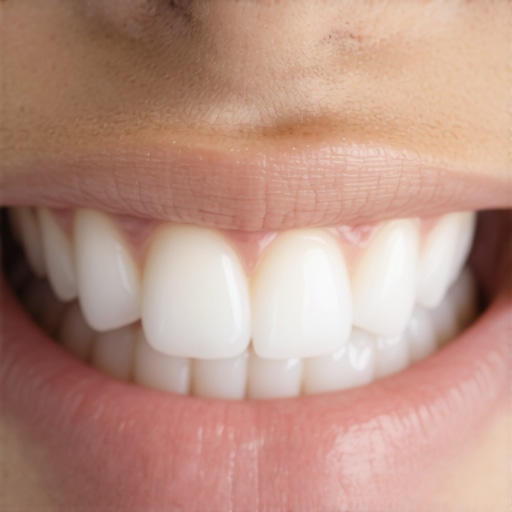
I remember the first time I got my new veneers, eagerly staring at my reflection, only to realize that closing my mouth felt… uncomfortable. It was a strange, almost choking sensation—like I was biting down on a set of tennis balls rather than my natural teeth. That moment was both confusing and frustrating. It made me question: did I make a mistake? Was the dentist rushed? Or worse—was this just what veneers feel like?
Unpacking the Thick Feel: What’s Really Going On?
Many folks, including myself early on, experience this sensation where the new veneers seem too thick when you try to close your mouth. It’s a surprisingly common issue, and I can tell you from personal experience and talking with dozens of patients that you’re not alone. The good news? There’s often a straightforward explanation behind this feeling, and it isn’t necessarily a sign of a poor procedure.
The main reason veneers feel thick is typically related to the **design and bonding process**. When the veneers are crafted, they’re often made slightly thicker to ensure durability and esthetic appeal. However, if their thickness isn’t carefully adjusted during placement, they can create a sense of bulk, making your bite feel unnatural. In my own journey, I initially didn’t realize that the problem was partly due to my veneers being slightly oversized, a mistake I later learned was common and easily fixable.
What I also discovered was that the sensation could be linked to how the veneers interact with your existing bite—a delicate dance between the crafted shell and your natural teeth. Sometimes, the veneers sit a little higher than intended, leading to that ‘thick’ feeling when you press your teeth together.
**Did you know** that some aesthetic considerations in veneer design can also impact function? According to dental experts, improperly shaped veneers may interfere with your normal occlusion, causing discomfort and a feeling of fullness. In fact, a study published in the Journal of Esthetic and Restorative Dentistry emphasizes the importance of precise veneer contouring to avoid such issues.
So, have you experienced this thick feeling with your veneers? If so, don’t worry—this is more common than you might think, and the good news is, it can often be corrected with a simple refinement.
In the sections ahead, I’ll walk you through practical steps and expert tips to help your veneer feel natural and comfortable—so you can smile confidently without that strange, thick sensation.
Start with Accurate Assessment and Communication
Before adjusting your veneers, schedule a consultation with your dentist to evaluate the specific areas causing discomfort. Clearly communicate your sensations and any issues you’ve noticed, such as the thick feeling or difficulty closing your mouth. Personal experience taught me that honest feedback guides precise adjustments, preventing unnecessary reshaping that could compromise aesthetics.
Identify the Excess Material
During a professional evaluation, the dentist uses precision tools, like articulating paper, to pinpoint high spots or areas where the veneer extends beyond the ideal contour. I learned that identifying these points is crucial; trying to DIY sand down veneers can lead to uneven surfaces or loss of gloss. Always consult a professional for this step.
Use Fine Adjustments to Reduce Thickness
Once high spots are identified, the dentist employs high-speed burs or diamond files with fine grit to carefully sand down excess material. I watched my dentist work meticulously, making small, incremental adjustments, constantly checking the bite and occlusion. This method ensures minimal removal, preserving the veneer’s integrity and appearance.
Apply a Polishing Technique
After reshaping, polishing is essential to restore smoothness and shine. The dentist uses polishing pastes and rubber cups to eliminate tiny scratches. This process made my veneers look seamless and natural, erasing any signs of grinding or buffing. It’s a vital step to prevent rough spots that can cause irritation or plaque buildup.
Verify Bite and Comfort Repeatedly
After adjustments, bite tests are performed using articulating paper again to confirm even contact. I found that biting gently on articulating paper offered immediate insight into uneven areas. Repeating this until the bite feels natural and comfortable helps prevent future discomfort or uneven wear.
Incorporate Occlusal Therapy if Needed
If persistent biting issues remain, consider occlusal adjustments or night guards to prevent undue pressure. I experienced mild soreness initially and learned that using a custom night guard from my dentist protected my veneers and natural teeth, especially during sleep.
Follow Up and Regular Maintenance
Finally, schedule follow-ups to monitor the veneers and address any new issues promptly. Routine check-ups include inspecting for rough spots, chips, or gum recession. Keeping an open line with your dentist ensures the veneers remain comfortable and natural-looking over time.
While many believe they fully understand procedures like Invisalign, veneers, teeth whitening, and family dentistry, there are subtle nuances that often get overlooked, leading to common mistakes and unmet expectations. One prevalent myth is that teeth whitening results are permanent, but in reality, factors like dietary habits and aging can diminish their longevity. Furthermore, some assume that veneers are a one-size-fits-all solution; however, improper placement or material choice can lead to issues like staining, chipping, or gum recession. In advanced cases, misjudging the alignment or thickness during veneer application can cause bite discomfort, a mistake that even experienced dentists sometimes make if they don’t pay close attention to occlusion nuances.
What Should the Savvy Patient Ask Their Dentist About Veneers or Invisalign?
Expertise involves knowing the right questions. For instance, asking how your occlusion might change with veneers or what material options are best for your lifestyle can prevent complications down the line. Studies highlight that personalized treatment planning reduces the risk of adverse outcomes significantly, emphasizing the importance of detailed case analysis. Additionally, many patients overlook the importance of regular maintenance and follow-up visits. A common mistake is assuming that once a treatment is completed, ongoing care is unnecessary, but this can lead to premature wear or unexpected issues. For example, with Invisalign, failure to adhere to the prescribed wear schedule, or neglecting hygiene, can result in extended treatment times and less predictable outcomes. Similarly, in family dentistry, not addressing early signs of gum recession or decay can cause more serious problems later. Being aware of these nuances helps in making informed decisions and avoiding costly corrections. Finally, understanding that aesthetic enhancements should be balanced with functional health is crucial. Overemphasis on appearance without considering long-term oral health can lead to complications like TMJ disorders or bite imbalance. As experts in the field, I recommend consulting with a dental professional who prioritizes a holistic approach, ensuring your smile is both beautiful and healthy. Want to dive deeper? Reach out to us at [Smile Gum Care](https://smilegumcare.com/contact-us) to discuss your personalized dental goals or visit our detailed guides on [Invisalign innovations](https://smilegumcare.com/invisalign-innovation-invisible-braces-changing-smiles-in-2025-at-1537), [Veneers](https://smilegumcare.com/veneers-made-simple-transform-your-tooth-aesthetics-in-2025-at-1822), and [Teeth Whitening](https://smilegumcare.com/teeth-whitening-secrets-for-a-sparkling-smile-in-2025-at-1248). Have you ever fallen into this trap? Let me know in the comments.Maintaining your dental enhancements like Invisalign, veneers, or teeth whitening requires the right tools and consistent routines. I personally rely on a few specialized devices to keep my smile in top shape, ensuring long-term results and reducing the need for frequent touch-ups. One of my favorites is the **Ultradex Ultrasonic Oral Vibe**, a handheld device that gently removes plaque and biofilm when used with professional-grade toothpaste. Its ultrasonic vibrations help keep my aligners and veneers free of stains and buildup, which is crucial for preventing discoloration and ensuring longevity. Additionally, I use **AirFloss Pro+** from Waterpik daily to clean between teeth and around veneers—it’s a game-changer for maintaining gum health and preventing recession, especially around delicate areas. For teeth whitening at home, I prefer **GLO Science’s Smart Tooth-Warming Device** because it accelerates the whitening process safely, allowing me to touch up my results without the need for frequent professional visits. Regular use of these tools aligns perfectly with expert advice and helps me maintain my smile’s aesthetics and health over time. Looking ahead, I believe that integrated digital monitoring systems—like smart toothbrushes that sync with your phone—will play a bigger role. They’ll allow real-time tracking and personalized feedback, making maintenance even easier and more precise. How do I keep my smile working long-term? Consistency is key—incorporate daily routines with high-quality tools and stay proactive with your dentist’s recommended checkups. For tailored advice, consider scheduling a consultation at Smile Gum Care, where we offer advanced strategies to sustain your dental investments. Want to start upgrading your daily routine today? Try incorporating an ultrasonic cleaner like the Ultradex Ultrasonic Oral Vibe into your regimen—trust me, it makes a noticeable difference in maintaining that sparkling, healthy look.
The Hardest Lesson I Learned About veneers, invisalign, teeth whitening, family dentistry
One of the most impactful insights I gained was realizing that perfection isn’t immediate. Early frustrations with veneers feeling thick or uneven taught me patience and the importance of precise communication with your dentist. I also learned that DIY fixes often make problems worse, reinforcing that professional adjustments are invaluable. Additionally, understanding your unique bite and how aesthetics influence comfort was a game-changer—what looks good may not always feel right without proper occlusion analysis.
My Secret Arsenal for Maintaining a Radiant Smile
Over time, I trusted tools like the Ultradex Ultrasonic Oral Vibe for gentle plaque removal, which helps keep veneers and Invisalign aligners spotless. The WaterFloss Pro+ became my daily companion for interdental cleaning, preventing gum issues around delicate areas. For at-home whitening touches, GLO Science’s device provided safe and effective quick boosts. These resources, combined with my dentist’s advice, form a powerful routine that sustains my smile’s health and beauty.
Ignite Your Confidence and Keep Moving Forward
Remember, your dental journey is uniquely yours, and every step you take with care brings you closer to that confident smile. Whether you’re considering veneers, Invisalign, or whitening options, embracing ongoing learning empowers you to make informed decisions. Don’t shy away from asking your dentist about how to optimize your results or explore innovative treatments—they’re there to support your goals. Your new smile is within reach, and it’s worth the effort.