
4 Ways to Stop Invisalign Attachments from Shredding Your Gums
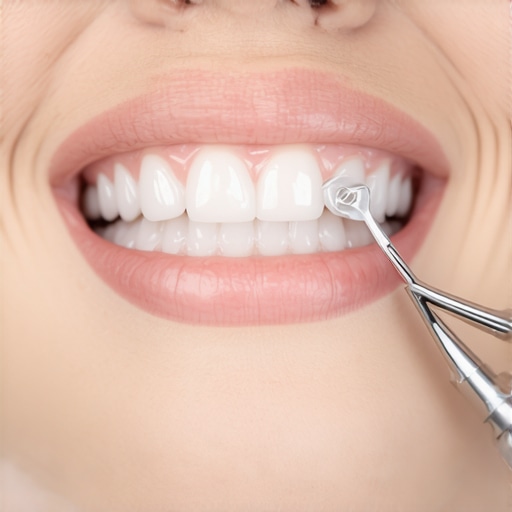
I remember the exact moment I felt that dreaded sharp stab in my gums after every Invisalign adjustment. It was as if tiny razors were shredding my tissues, making each smile a little more uncomfortable. Frustration washed over me—I thought, “Is this normal? Will I have to suffer through this?” That lightbulb moment led me down a path of discovery, revealing that there are simple, effective strategies to safeguard your gums while still enjoying the benefits of clear aligners.
Why Ignoring Attachment Care Might Cost You More Than You Think
Invisalign attachments are essential for guiding teeth precisely, but if you’re not careful, they can cause gum irritation or even damage. Early on, I made the mistake of ignoring the importance of proper attachment maintenance, thinking that a quick rinse would suffice. That careless approach not only increased my discomfort but also risked long-term gum health issues. According to a study published in the Journal of the American Dental Association, improper management of orthodontic attachments can lead to gum recession and inflammation.
Is It Really Possible to Stop Attachments from Shredding Your Gums?
Absolutely. With a few smart practices, you can protect your gums without sacrificing the efficiency of your Invisalign treatment. In this post, I’ll share four proven methods that transformed my experience from one of constant irritation to comfortable, pain-free progress. Trust me, these tips are simple but powerful, and I wish I had known them from the start. If you’ve faced similar issues, keep reading—I’ve got solutions that really work.
Before we dive into the specific strategies, let’s get clear on what you might be doing wrong—because sometimes, a small adjustment can make a huge difference. Ready to give your gums a break and make your Invisalign journey smoother? Let’s go!
Secure Your Attachments with Proper Oral Hygiene
Once you understand the importance of attachment care, the next step is establishing a routine that keeps your gums healthy. I found that replacing harsh scrubbing with gentle, circular motions using a soft-bristled toothbrush vastly reduced irritation. During my first week, I made it a point to brush after every meal, just like cleaning a delicate workspace. This consistent practice prevented food debris from accumulating around attachments, which can cause inflammation or discomfort. Remember, like any precision instrument, attachments need gentle handling to avoid unnecessary damage or irritation.
Use Targeted Tools for Gum Comfort
Micro-ways can be highly effective. I started applying warm saltwater rinses twice daily, which acts as a natural antiseptic, calming inflamed gums much like soothing a minor burn. For stubborn irritations, I used interdental brushes designed to clean between teeth without disturbing attachments. Incorporating these tools is similar to using a fine-tipped pen to manage detailed work—precise and gentle. Over time, I noticed that gums felt less tender, and the attachments stayed secure longer, leading to fewer adjustments.
Adjust Your Habits to Minimize Trauma
Small behavioral changes can make a big difference. For instance, I switched to eating softer foods during the first week of attachment adjustments, similar to switching from rough to smooth surfaces to prevent scratches. Chewing slowly and deliberately reduced undue pressure on attachments, preventing accidental dislodgment or irritation. Additionally, avoiding hard, sticky, or abrasive foods protected my gums and attachments simultaneously. Think of it as protecting a fragile sculpture—you avoid touching or pressing against it unnecessarily.
Monitor and Act Quickly on Signs of Trouble
Blood on the toothbrush or persistent soreness are signals that need prompt attention. When I noticed slight bleeding, I increased saltwater rinsing frequency and avoided irritating substances like mouthwash with alcohol. Scheduling quick checks with your dentist or orthodontist, similar to consulting a mechanic at the first squeal, can prevent minor issues from escalating. Remember, early intervention preserves both gum health and the efficiency of your Invisalign plan.
Tie It All Together with Regular Professional Care
While diligent at-home care is essential, professional cleanings are like regular software updates—ensuring your system runs smoothly. I visited my dentist every three months, which helped catch any early signs of gingivitis or attachment issues. Dentists can also provide tailored advice, like adjusting your brushing angle or recommending specialized products, much as a coach fine-tunes an athlete’s training. Consistent professional oversight keeps your gums resilient and your aligner treatment on track.
By integrating these straightforward, actionable steps into your routine, you can significantly reduce gum irritation and protect your attachments. Think of it as maintaining a delicate garden—regular watering, gentle pruning, and prompt attention to weeds ensure healthy growth and vibrant blooms. Keep your gums happy, and your Invisalign journey will be smoother, more comfortable, and ultimately more successful.
Beyond the Surface: What Many Get Wrong About Your Smile Treatments
Most people assume that procedures like veneers or teeth whitening are straightforward quick fixes. However, a common misconception is that these cosmetic enhancements permanently resolve aesthetic issues or teeth sensitivity without considering the underlying dental health. For example, many believe that whitening is safe for everyone, but in reality, overuse or improper application can lead to enamel erosion, which ironically compromises the very brightness people seek. This false belief often leads to premature restoration needs or even damage to tooth structure, highlighting the importance of consulting with experienced professionals who assess your overall dental health before recommending such procedures.
Are You Falling for the Overconfidence in DIY Whitening Products?
Many consumers think that store-bought whitening kits are just as effective as professional treatments. Yet, a study published in the Journal of Dental Research indicates that DIY products often result in uneven whitening, increased sensitivity, and, in some cases, damage to the enamel or gums due to misuse or overuse. Professionals tailor whitening regimes to your specific needs, ensuring safety and optimal results, unlike generic over-the-counter options that can cause harmful side effects if misapplied. Don’t be lured by the tempting low prices; remember, your smile deserves expert care, especially as advanced treatments like family dentistry now include innovative methods that prioritize long-term health alongside aesthetics.
Smart Choices in Family and Cosmetic Dentistry
What many overlook is that integrating your cosmetic procedures with routine family dental care enhances longevity and oral health. For instance, regular check-ups and preventive measures, such as sealants and fluoride applications, are the foundation for a brighter, healthier smile. In fact, neglecting such regular professional oversight can result in overlooked cavities, gum disease, or even misaligned teeth that might compromise your investment in veneers or whitening. The synergy between preventive and aesthetic dentistry is crucial; it ensures that enhancements like Invisalign or veneers aren’t undermined by untreated decay or gum issues. Proper family-centered care ultimately saves money and prevents unnecessary discomfort. For tips on creating a healthy smile routine for your loved ones, check out family dentistry strategies that work.
Have you ever fallen into this trap? Let me know in the comments.
How do I maintain my smile enhancements over time? Discover the tools I personally rely on to ensure lasting results. Regular checkups are crucial, but investing in quality equipment and adopting effective methods makes a significant difference. I highly recommend using an ultrasonic water flosser like the Waterpik Ultra, which I find indispensable for thorough cleaning around veneers and Invisalign attachments. Its pulsating jets break down plaque and dislodges food debris effectively, reducing irritation and preventing gum issues. Additionally, a handheld piezoelectric scaler can help me gently remove calcified deposits at home when used with proper technique, although I always consult my dentist before doing so. For whitening touch-ups, I prefer using professional-grade LED whitening trays, which provide consistent, safe bleaching results without the sensitivity typical of over-the-counter gels. Incorporating an antimicrobial rinse like chlorhexidine twice a week helps prevent bacterial buildup, especially around attachments or veneers. In terms of software, I utilize digital monitoring apps that sync with my dental professional’s system, enabling real-time updates on treatment progress and reminders for maintenance routines. Looking ahead, technology like AI-driven dental health trackers and 3D oral scanners will simplify long-term care, making proactive maintenance more accessible and personalized.What’s the secret to making your dental investments last? It’s all about consistency—using the right tools consistently and maintaining good habits. Don’t forget, periodic professional cleanings are essential; they complement your at-home efforts and catch issues early. If you’re serious about extending the life of your veneers or Invisalign results, schedule regular consultation sessions and stay disciplined with your oral hygiene routine. For more comprehensive family care strategies, check out these family dentistry tips. By integrating high-quality tools, smart routines, and professional oversight, you’ll not only preserve your smile but also enjoy long-term confidence in your dental health. In the future, expected advancements like faster digital scans and smarter hygiene devices will make maintaining dental work even more effortless—stay informed about the latest innovations. For now, I suggest trying out an ultrasonic water flosser with adjustable pressure settings; I personally find it enhances my daily routine and keeps gums healthy around my veneers. Remember, investing in the right equipment today results in a brighter, healthier smile tomorrow.
Throughout my journey with Invisalign, teeth whitening, and veneers, I discovered lessons that transformed my understanding of dental health and aesthetics. One unexpected revelation was how overlooked daily habits could undermine even the most advanced treatments. I realized that small, consistent actions—like gentle brushing and choosing the right tools—had a profound impact on maintaining my smile’s beauty and health.
Lessons Only Insider Smiles Can Teach You
- Patience Outperforms Quick Fixes: Rushing the process or seeking shortcuts often leads to setbacks. True results emerge from steady commitment, whether in aligner adjustments or veneer maintenance.
- Premium Tools Make All the Difference: Investing in quality products like ultrasonic water flossers dramatically improved my gum health around veneers, proving that the right equipment is worth every penny.
- Professional Guidance Is Gold: Regular check-ins with your dentist or orthodontist detect minor issues before they escalate. I learned that proactive care saves time, money, and discomfort long-term.
- Holistic Approach Rules: Combining aesthetic procedures with preventive family dentistry creates a sustainable, healthy foundation. Treating teeth without caring for the gums and overall health is like building on shaky ground.
- Mindset Matters: Embracing a long-term view shifted my focus from quick cosmetic results to enduring dental wellness. This perspective fosters habits that preserve your smile for a lifetime.
Tools and Sources That Elevate My Smile Routine
- Modern Invisalign insights: Staying informed about the latest advancements ensures I leverage the best technology for comfort and efficiency.
- Veneers benefits and techniques: Expert guidance helps me understand material choices and bonding methods that maximize durability and aesthetics.
- Digital scans and diagnostics: Cutting-edge tools streamline appointments and improve treatment precision, saving me time and discomfort.
- Hygiene innovations for aligners: Insights into cleaning and maintenance keep my Invisalign fresh and effective, reducing irritation and staining.
Your Smile Future Awaits—Start Today
Remember, your journey toward a healthier, more radiant smile is uniquely yours. Embrace the knowledge, tools, and habits that resonate with your goals. Small steps taken today lead to lasting confidence tomorrow. Keep learning, stay proactive, and don’t hesitate to consult your dental team—your future smile depends on it.
What’s one habit you’re excited to improve to support your Invisalign or smile care journey? Share your plans below and let’s grow together!
,