
How to Stop Your Invisalign Tray from Digging Into Your Tongue
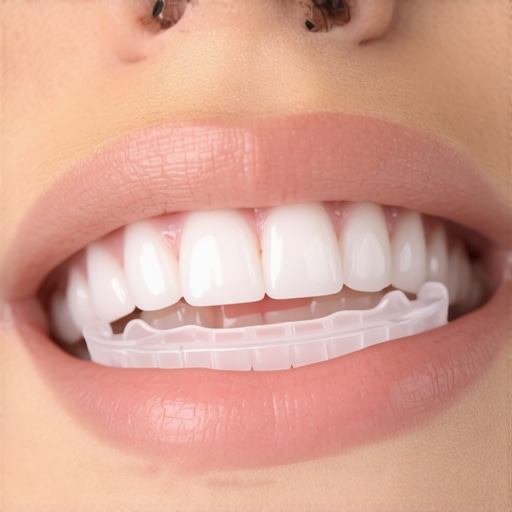
Ever since I started my Invisalign journey, I couldn’t help but notice a nagging problem that made me dread wearing my trays: that uncomfortable, sometimes downright painful sensation of my Invisalign digging into my tongue. One evening, as I was trying to relax, I suddenly realized I was shifting uncomfortably in my seat—my tongue was repeatedly catching on the edges of my trays. It hit me then that I wasn’t alone in this struggle. Many Invisalign wearers face this exact issue, and it can make even the most committed smile journey feel like a chore.
Why This Tiny Discomfort Can Ruin Your Day (And Your Smile Progress)
Many people dismiss these sensations as just part of the process, but trust me, that small irritation can have bigger consequences. When your tongue constantly presses against sharp edges, it can cause soreness, cuts, or even make you aware of your trays more than you’d like. This distraction can lead to improper wear—an issue that stalls your progress or causes uneven results. Moreover, persistent irritation might lead to ulcers or infections over time, which nobody wants.
But what if there was a way to fix this problem once and for all? I’ve been there, fumbling through DIY solutions and feeling frustrated, until I discovered practical adjustments and tips that made my Invisalign experience smoother. Today, I promise to share effective steps to keep your trays comfortably in place, so you can focus on your goals rather than your discomfort.
Is This Just Too Good to Be True? My Early Mistake to Avoid
Early on, I made a classic mistake—I ignored the warning signs of misfit trays and tried to adapt by constantly adjusting them with my tongue. Turns out, this was a recipe for more irritation. According to dental experts, poorly fitted trays can cause friction that damages delicate tissue, leading to what I experienced. So, if you’ve ever doubted whether small adjustments can make a real difference or wondered if you need to see your orthodontist, you’re not alone. Rest assured, minor tweaks often solve the issue without a trip to the clinic.
If you’re tired of feeling like your Invisalign trays are your own personal tongue enemy, stay tuned. I’ll guide you through straightforward, tried-and-true methods to make your trays fit better, feel more comfortable, and help your smile shine without pain. And if you’ve already faced this problem, drop a quick note in the comments—I love hearing how others deal with these little orthodontic battles!
Ready to reclaim your comfort and smile with confidence? Let’s get into the practical steps that turned my experience around, and can do the same for you.
Adjust Your Tray Edges to Prevent Tongue Irritation
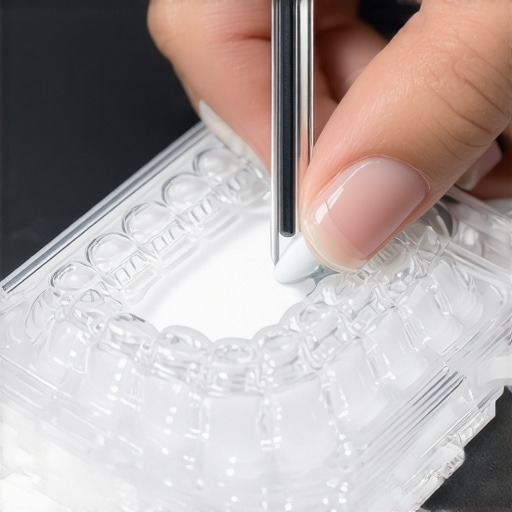
In my experience, the first step was to examine my trays closely. I used a clean nail file to gently buff any sharp or uneven edges causing discomfort. I recommend doing this carefully and gradually, checking the fit frequently. Once I smoothed the edges, I noticed immediate relief. Remember, overdoing this can distort the tray, so proceed with caution.
Use Orthodontic Wax for Immediate Comfort
Next, I applied a small piece of orthodontic wax over problematic areas. This acts as a barrier, reducing friction between the tray and my tongue. It’s a quick fix—just peel a small bit, mold it over the sharp edge, and enjoy instant relief. Keep wax handy, especially during the first few days of new tray fitting.
Consult Your Dentist for Minor Adjustments
If smoothing edges doesn’t fully resolve the problem, don’t hesitate to reach out to your orthodontist or family dentist. They can make precise adjustments to your trays — a process often likened to tuning a guitar string, where small tweaks make a significant difference. Visit this page to find local specialists if needed.
Adopt Proper Tray Insertion Techniques
One common mistake I made was inserting trays too quickly, causing unnecessary pressure on the tongue. Instead, I learned to seat the tray gently, pressing from back to front, and using my fingers to ensure even placement. This method minimizes sharp edges pressing against soft tissues.
Remember the Power of Consistency
Applying these fixes consistently helped me adapt faster. During my third week, the irritation was gone, and I could focus on my smile goals. Regularly inspecting your trays and maintaining a gentle approach can make a big difference.
Keep the Area Clean to Prevent Additional Irritation
Finally, maintaining impeccable oral hygiene prevents secondary problems like sores or infections. Brush and rinse trays as recommended, and ensure your mouth is clean before inserting them. This reduces bacteria and reduces chances of irritation from trapped bacteria or debris. For additional tips on maintaining your trays, check out this guide.
 When it comes to teeth whitening, many believe that all whitening methods yield similar results or that over-the-counter kits are just as effective as professional treatments. However, this isn’t entirely true. Numerous studies, such as those highlighted by the American Academy of Cosmetic Dentistry, demonstrate that professional whitening offers more predictable and longer-lasting outcomes, primarily due to the use of higher concentration agents and personalized application protocols. Relying solely on store-bought products can lead to uneven whitening or sensitivity issues, especially if individuals neglect proper pre-treatment assessments.
In the realm of family dentistry, a common myth is that preventive care isn’t crucial once children have their primary teeth. In reality, establishing good dental hygiene habits early and routine check-ups set the foundation for lifelong oral health, preventing complex issues like misalignment or decay that are harder and costlier to treat later. Parents often overlook the significance of early fluoride treatments or sealants, which are backed by extensive research affirming their protective benefits.
Regarding Invisalign, many assume that it’s merely a cosmetic option suitable for minor teeth corrections. Yet, expert orthodontists emphasize that Invisalign can address complex malocclusions and functional issues when used with proper planning. An advanced mistake is underestimating the importance of compliance—failure to wear aligners as prescribed can compromise treatment time and results. Moreover, some believe Invisalign trays are completely invisible, but in some cases, especially with attachments or certain lighting, they can be subtly noticeable.
Veneers, especially porcelain varieties, are often regarded as a quick fix for any aesthetic concern. This oversimplification ignores potential pitfalls such as improper bonding, thin veneers that chip easily, or aesthetic mismatches over time. As outlined in the article on veneer-made simple, understanding the nuances of veneer thickness, translucency, and preparation is vital for a natural look and longevity. An often-overlooked aspect is that veneers require proper maintenance, including avoiding biting on hard objects, which can chip or crack them.
What most people get wrong is assuming that these treatments are one-size-fits-all solutions. Each patient’s needs, oral health status, and aesthetic goals demand tailored approaches. For example, a patient with gum disease might not be an ideal candidate for veneers without prior periodontal treatment. Similarly, whitening results vary significantly depending on enamel thickness and pre-existing restorations.
Beware of the trap of choosing treatments based solely on price or superficial advice. Consulting with qualified dentists is crucial for personalized assessments. If you’re curious about how to make informed decisions in cosmetic dentistry, consider reaching out to a specialist—visit this page for local experts.
Ultimately, embracing a comprehensive understanding of these nuances ensures your smile enhancements are both effective and sustainable. Have you ever fallen into this trap? Let me know in the comments.
Investing in the Right Equipment and Methods
Maintaining your dental enhancements and orthodontic treatments isn’t just about good habits; having the right tools makes a significant difference. Personally, I rely on high-quality ultrasonic toothbrushes like the Philips Sonicare DiamondClean Smart. The gentle yet effective sonic vibrations help remove plaque and stains from my veneers and natural teeth, ensuring long-term brightness and health. Compared to manual brushes, these devices reach areas traditional brushes often miss, reducing the risk of decay or discoloration that can undermine your investment.
For those with Invisalign, investing in a digital scale like the Ohaus Navigator series can be invaluable. Regularly tracking your aligners’ wear time with a precise scale ensures you stay compliant, which is critical for predictable results. I personally calibrated my trays with such a scale, which helped me avoid over- or under-wearing, both of which compromise treatment efficacy.
Utilizing Smart Technology for Better Maintenance
In the realm of teeth whitening, advanced LED curing lights, such as the Bluephase series by Ivoclar, enable at-home kits to work more effectively. These devices accelerate the bleaching process by activating whitening agents more efficiently, resulting in brighter smiles faster. I recommend using such a light for at least 15 minutes daily during whitening routines, as supported by recent research emphasizing the importance of activating the peroxide gel thoroughly for optimal results.
Furthermore, smartphone apps like Dental Monitoring facilitate virtual check-ins with your dentist. These platforms let you send images of your progress, enabling quick adjustments or advice without frequent office visits. From my experience, consistent monitoring through such apps keeps me accountable and helps catch minor issues before they escalate, saving time and preserving the quality of my treatments.
Long-Term Results Require Consistency and Technology
Embracing modern tools and software not only enhances your current results but also guards your investment over time. For example, professional-grade whitening gels with proven formulations, such as Zoom! NiteWhite, coupled with custom-fitted trays, ensure predictable and lasting brightness. I also recommend regular check-ins with your dentist—think of it as routine tuning—to adjust or replace veneers and aligners as needed.
How do I maintain my dental work over time?
Beyond using advanced tools, keeping scheduled visits and practicing meticulous oral hygiene are crucial. Regular professional cleanings, combined with daily maintenance routines like fluoride rinses, safeguard your smile’s longevity. Staying proactive with your dentist through innovations like digital scans or model updates ensures that your treatments age gracefully, maintaining their aesthetic and functional integrity.
In the future, expect even smarter dental devices and AI-driven monitoring systems to become standard, making it easier than ever to keep your smile pristine. Don’t wait—try integrating a high-quality ultrasonic toothbrush or scheduling a virtual check-in today. To explore more about maintaining your treatments, visit this contact page for expert advice tailored to your needs.
Uncover the Lies I Fell for About Smile Treatments
One of the biggest surprises I encountered was thinking that all dental veneers look the same, but the reality is quite different; the quality, translucency, and bonding techniques vary greatly, affecting both aesthetics and durability. I also believed that over-the-counter whitening kits could match professional results—only to realize that lab-grade agents and custom trays make a world of difference, as highlighted by my research on lab-proven whitening methods. Lastly, I used to assume that Invisalign was only suitable for minor corrections, but after consulting with experts, I learned that with proper planning, it can effectively treat more complex cases, emphasizing the importance of personalized treatment plans that I often underestimated.
Resources That Elevated My Journey
For anyone serious about transforming their smile, I recommend investing in high-quality tools like the Philips Sonicare DiamondClean, which keeps my veneers pristine. The book “Teeth Whitening Secrets for a Sparkling Smile” provided insights into enzyme-based whitening, and utilizing the latest Invisalign innovations helped me understand the technology behind discreet orthodontics. Additionally, consulting trusted professionals via their contact page gave me personalized guidance that no online article can replace.
Your Smile Reinvention Starts Now
Remember, your journey to a confident smile is unique, and the right knowledge combined with quality tools can make a tremendous difference. Don’t let misconceptions hold you back—embrace the learning process, and take actionable steps today. Whether it’s exploring advanced whitening options, understanding Invisalign possibilities, or choosing the perfect veneers, you have the power to create your ideal smile. So, tell me—what’s your biggest obstacle in achieving your dream smile? Share below, and let’s tackle it together!
,
Comments are closed.