
How to stop your child from swallowing their fluoride toothpaste
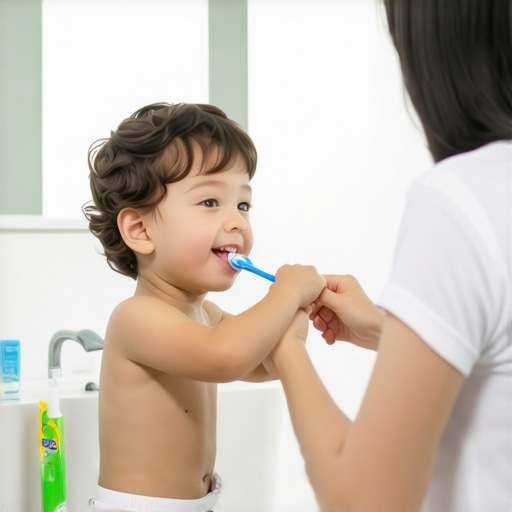
I vividly remember the moment it hit me—watching my young child happily brushing her teeth, then suddenly gulping down a mouthful of fluoride toothpaste with a goofy smile. My heart sank. I had assumed brushing was routine, but I realized I overlooked a crucial detail: preventing her from swallowing that tiny, tempting dab of toothpaste. That lightbulb moment made me dig deeper into what really works for families like ours.
Why This Simple Habit Can Be a Big Deal for Your Little One
Many parents don’t realize how much fluoride toothpaste can impact a child’s health if accidentally ingested in large quantities. While fluoride helps prevent cavities, too much swallowed regularly can lead to dental fluorosis or even more serious health concerns. Early on, I made the mistake of dismissing my child’s curiosity or the pesky gag reflex as just part of brushing—yet those minor issues can lead to bigger risks. According to the American Dental Association, accidental ingestion of fluoride toothpaste in children under six is common and warrants careful supervision and specific strategies to prevent swallowing.
Is This Just a Phase, or Should I Be Worried?
It’s perfectly normal for young children to gag or swallow toothpaste—they’re still learning the trick. But if you’re like me initially, you might underestimate how important it is to actively teach and monitor this habit. Ignoring it can lead to overexposure to fluoride, especially if your child tends to swallow more than they spit out. Trust me, taking proactive steps early can make a significant difference, saving both dental health and peace of mind.
Have you ever faced this challenge? If so, you’re not alone—many parents struggle with safe brushing routines. Stay with me, because in the next section, I’ll share some effective, realistic tips that have really worked in my family (and could work for yours too!).
Choose the Right Toothpaste and Tools
Start by selecting a fluoride toothpaste specifically designed for children. Opt for flavors your child likes to encourage regular brushing. Use a soft-bristled toothbrush sized appropriately for their age—this ensures they can reach all areas comfortably and effectively. I remember the first time I bought a tiny, colorful toothbrush for my daughter; it made the routine more engaging and less of a battle.
Establish a Consistent Routine
Consistency builds habit. Set a specific time in the morning and evening for brushing—make it part of your daily schedule. I found that brushing right after breakfast and before bedtime helps instill discipline and reduces the likelihood of skipping. Gradually, it becomes a non-negotiable part of your child’s day, similar to meal times.
Use the Proper Brushing Technique
Guide your child to hold the toothbrush at a 45-degree angle to the gums. Use gentle, circular motions to clean the front, back, and chewing surfaces. Demonstrate this technique yourself first—children learn well by imitation. When my daughter tried to brush her teeth like a mini adult, she usually missed her molars. I turned it into a game, asking her to Many people assume that popular cosmetic and family dental treatments are straightforward, but beneath the surface lie nuanced pitfalls that can compromise results and long-term health. Let’s dig deeper into some common misconceptions and advanced mistakes that even seasoned patients and practitioners can overlook.
Are Teeth Whitening Products Actually Safe for Sensitive Teeth? Discover the Truth
While many over-the-counter whitening kits promise dazzling smiles, they often ignore the delicate state of individual teeth. For those with sensitive teeth, using harsh whitening agents can exacerbate discomfort or cause enamel erosion. A study published in the Journal of Esthetic and Restorative Dentistry highlights that professional supervision is crucial to tailor whitening protocols that minimize sensitivity while maximizing effectiveness. Rushing into whitening without understanding your enamel health can lead to unintended damage—so always consult an expert before starting a whitening campaign. External links like top teeth whitening strategies can help you make informed choices.
Common Myths About Invisalign That Could Sabotage Your Treatment
Everyone believes Invisalign is a perfect, maintenance-free solution, but in my experience, neglecting the importance of adherence can extend treatment time or compromise outcomes. A frequent mistake is assuming aligners can be worn intermittently; in fact, for optimal results, they should be worn at least 20-22 hours daily. Skipping aligner wear or delaying the change schedule often results in incomplete tooth movement. Additionally, some think Invisalign addresses all orthodontic issues equally, which isn’t true—complex cases may require supplementary treatments. For advanced insights, visit Invisalign secrets for achieving a perfect smile. Recognizing these nuances can save you time, money, and frustration during your orthodontic journey.
The Surprising Risks of Veneers You Might Not Know
Many believe veneers are purely cosmetic, but overlooking the detailed process can lead to irreversible damage or dissatisfaction. For example, overly aggressive preparation for veneers can thin the enamel excessively, increasing tooth sensitivity and risk of decay. One common mistake is not considering the long-term impact of veneer thickness on the natural appearance and function. It’s also vital to understand that veneers are not a one-size-fits-all solution; your bite and jaw dynamics significantly influence their success. An advanced tip is to assess whether a veneer or a crown is more suitable, depending on structural needs. For a comprehensive comparison, check out veneers versus crowns. Being aware of these hidden considerations helps ensure your smile remains both beautiful and healthy over time.
How Can You Recognize the Early Signs of Dental Damage from Cosmetic Treatments?
An often-overlooked nuance is that cosmetic procedures like veneers, whitening, or aligners can mask underlying issues if not carefully monitored. Cracks, discoloration at the margin, or increased sensitivity may signal damage or improper bonding—early indicators that require prompt attention. Regular check-ups, especially after complex treatments, can identify these problems before they escalate. For instance, unseen microcracks can propagate, leading to larger fractures or decay. Staying vigilant and consulting experts like those at Smilegum Care ensures proactive management of your dental health, preserving your investment in a perfect smile. Remember, superficial aesthetics shouldn’t come at the cost of deep, underlying health.
Have you ever fallen into this trap? Let me know in the comments. Understanding the hidden nuances in family dentistry and cosmetic procedures empowers you to make smarter decisions and maintain the smile you deserve.
How do I keep my dental work functioning beautifully over time?
Maintaining your dental investments, such as Invisalign aligners, veneers, or teeth whitening treatments, requires more than just regular brushing. I personally swear by using a high-quality ultrasonic cleaner like the Ultrasonic Dental Jewelry Cleaner. I use mine daily to remove stubborn plaque and biofilm from my aligners and retainers without damaging them, ensuring they stay clear and comfortable. For veneers and crowns, a soft ultrasonic brush combined with gentle brushing is effective at preventing plaque buildup at the margins, which can lead to decay or gum issues. Invisalign secrets highlight that maintaining proper hygiene is crucial for long-term success. Predicted trends point toward smart, AI-powered cleaning devices that sync with smartphone apps to monitor hygiene levels and remind you when to clean—these innovations will make upkeep even easier in the coming years.
Tools I recommend for long-lasting results
For effective maintenance, I rely on the Waterpik Water Flosser. Its pulsating water jets easily remove debris from around veneers and between teeth, preventing decay and gum inflammation. I prefer the Ultra Model because it offers adjustable pressure settings, gentle enough for sensitive gums but powerful enough to dislodge stubborn plaque. Additionally, I use Clinpro 5000 Fluoride Toothpaste twice daily, which strengthens enamel and reduces sensitivity, especially after whitening treatments. It’s also essential to have a professional-grade whitening kit to touch up at home, maintaining that gleam between dental visits. As for software, I track my dental health with apps like MySmilePlan—they help monitor your routine, schedule appointments, and remind you when to replace your toothbrush or aligners.
Scaling your dental health efforts for the future
Looking ahead, I believe the integration of smart dental devices and AI will revolutionize how we care for dental work. Imagine aligners integrated with sensors that alert you when they need cleaning or replacing, or veneers with embedded microchips that monitor bite force and wear patterns. These advancements could drastically improve longevity and performance. To stay ahead, I recommend trying out a high-tech storage case with UV sterilization—keeping your aligners pristine minimizes risks of damage and infections. Remember, consistent maintenance paired with cutting-edge tools can double your dental investment’s lifespan, keeping your smile healthy and stunning for years to come.
Lessons That Came with a Toothache
One eye-opening lesson I learned is that early communication with my child about brushing and swallowing habits can prevent future dental issues. I realized that making brushing fun and educational, rather than a chore, helped my kid understand the importance of spitting out toothpaste. Also, never underestimate the power of patience—initial struggles in training a child to spit can be overcome with gentle persistence and positive reinforcement. Lastly, I discovered that regular visits to the family dentist, like family dentistry specialists, are vital in catching and correcting habits early, ensuring your child’s dental journey starts on the right foot.
Tools That Transformed Our Routine
My secret weapon has been a kid-friendly fluoride mouth rinse that I trust from trusted brands I’ve researched thoroughly. I also recommend a variety of colorful, appropriately sized toothbrushes that make brushing less of a battle. For staying on top of maintenance, I personally rely on a high-quality ultrasonic cleaner for aligners and retainers, which keeps them free of harmful biofilm—investments that save money and promote health over time. For further guidance, books like expert tips on veneers and smile transformation shine a light on how modern tools can make a difference in your family’s dental health.
Your Next Step Toward Confident Smiles
Remember, cultivating good dental habits and understanding the nuances of family dental care can empower you to protect your little one’s smile for years to come. Every family deserves a confident, healthy smile—that’s the true gift of proactive, informed care. Now is the perfect moment to prioritize your family’s dental health and create a resilient foundation for the future.
Have you faced challenges with teaching your child proper brushing habits or preventing swallowing? Share your experiences below—your story might inspire another parent to take that crucial step toward healthier smiles!