
How to tell if your child needs braces before their adult teeth are in
I remember the moment vividly—standing in the bathroom, watching my child’s reflection as they struggled with their toothbrush, noticing teeth that looked just a tad misaligned. It hit me then: could this be a sign of bigger issues coming? That lightbulb moment made me realize how crucial it is for parents like us to recognize early signs that our kids might need braces, even before their permanent teeth emerge. Missing those early cues can mean longer, more complicated orthodontic treatments down the line.
Why Acting Early Matters for Your Child’s Smile
When I first dived into understanding orthodontic needs, I learned that early detection can significantly influence the success and comfort of future treatments. Detecting potential problems early allows for less invasive options and can even guide jaw development. But how do you know when to start paying closer attention? This post will walk you through specific signs that your child’s teeth—and their smile—might need a little orthodontic help sooner rather than later.
Is Your Child’s Smile Really That Critical in Early Years?
Absolutely. Many parents miss the subtle signs because they assume that baby teeth will fall out naturally and adult teeth will straighten on their own. That’s a common misconception. I once thought, “They’re just baby teeth, it’s no big deal,” and I regret not being more proactive. Now I know that addressing issues early can make a world of difference. Early intervention can sometimes prevent the need for more extensive treatments later on. For a comprehensive overview, you might find this resource helpful: Family dental care tips for 2025.
Surprisingly, a study published in the American Journal of Orthodontics & Dentofacial Orthopedics states that identifying orthodontic issues between ages 6 and 8 can lead to more effective treatment outcomes. This evidence underscores the importance of early observation. But let’s get honest—what’s the biggest challenge? Knowing the signs and not missing them in the early rush of raising kids. So, what should you be looking for?
Now that we understand why early detection is key, let’s explore the specific signs that indicate your child might be heading toward needing braces. Recognizing these signs can save you time, money, and most importantly, your child’s confidence in their smile.
Start Monitoring Your Child’s Oral Habits and Appearance
In my experience, paying close attention to your child’s daily habits can reveal hidden orthodontic issues. Watch how they chew, if they tend to suck their thumb, or if they breathe through their mouth excessively. These behaviors can influence jaw development and alignment. For example, I once noticed my child constantly thumb-sucking, which prompted a visit to the family dentist. Early intervention helped correct potential bite issues before they worsened.
Examine Teeth Spacing and Alignment
Look for gaps, crowding, or crooked teeth, especially when your child smiles or talks. Use a mirror to observe their teeth or gently feel for irregularities with your fingers. During my last check, I noticed my son’s teeth were overlapping slightly. This prompted a professional evaluation, and the dentist recommended early orthodontic assessment. Recognizing these signs early allows you to consider options like Invisalign, which is less intrusive and discreet compared to traditional braces. For an in-depth look at modern options, see Invisalign innovations for 2025.
Identify Functional Problems That Signal Orthodontic Needs
Are your child experiencing difficulty biting or chewing? Do they complain of discomfort or have a noticeable speech delay? These can indicate underlying misalignments. I remember a case where my niece struggled with speech at age 7. Her parents noticed her lisp and irregular bite, leading to early orthodontic evaluation. Addressing these issues early can improve speech and prevent complex treatment later. Always consult with a family dentistry specialist who understands the nuances of whole-child oral health — more tips are available in family dentistry for kids.
Implement Regular Dental Checkups
Scheduling routine dental visits from age 6 onward is crucial. A dentist can identify signs of malocclusion or jaw discrepancies early. During one appointment, I observed my son’s teeth and discussed concerns with the dentist, who recommended an orthodontic assessment. Early checkups facilitate timely detection and treatment planning. If issues are caught early, treatments like space maintainers or interceptive orthodontics may avert the need for braces in adolescence. For a comprehensive guide, see family dental care in 2025.
Assess Jaw and Bite Functionality
Observe how your child’s upper and lower teeth come together when they bite down. A misaligned bite, open bite (where the front teeth don’t touch), or crossbite can develop unnoticed. I once noticed my son’s jaw shifted slightly when he chewed. Consulting a specialist led to early orthodontic intervention, saving him from more invasive options later. If you’re unsure, a professional evaluation can provide clarity. This can also influence decisions about aligners like Invisalign, which can correct many bite issues discreetly—learn more at Invisalign secrets for perfect smiles.
Utilize Educational Resources and Professional Guidance
Leverage reputable resources and consult with orthodontic experts to understand what early signs look like. I found that engaging with online tools and local specialists offered invaluable insights. Remember, early detection doesn’t mean immediate treatment but rather an informed plan to address issues proactively. For tips on explaining dental health to your kids and ensuring a healthy smile, visit family dentistry tips.
By systematically monitoring these signs and acting promptly, you can guide your child toward a healthier, more confident smile. Regularly reviewing their habits and seeking professional advice are key steps in uncovering potential orthodontic needs early enough to make a meaningful difference.
Dispelling Myths and Revealing the Hidden Nuances
Many people enter the world of cosmetic and family dentistry with misconceptions that can hinder their satisfaction with treatments. While the mainstream often emphasizes quick fixes like veneers or teeth whitening, few understand the complexities, limitations, and advanced considerations that come with these options. Let’s dig deeper into some of the most commonly misunderstood aspects—so you can make truly informed decisions.
Why Invisalign Isn’t Always the Perfect Solution for Everyone
There’s a popular belief that Invisalign can correct every orthodontic issue seamlessly. But in my experience, this isn’t accurate. While Invisalign offers remarkable benefits—like discreet treatment and removability—it has nuances that many overlook. For instance, severe misalignments or complex bite problems might still require traditional braces or even surgical intervention. Moreover, compliance is crucial; patients must wear aligners diligently, or progress stalls. A recent study from the American Journal of Orthodontics emphasizes that treatment outcomes significantly depend on patient adherence and case complexity. To maximize results, it’s essential to consult with a skilled provider who can evaluate whether Invisalign aligns with your specific needs.
Family Dentistry: More Than Just Routine Cleanings
Many assume that regular dental visits are just about preventing cavities. While prevention is vital, family dentistry encompasses a broader scope, including early detection of orthodontic issues, jaw problems, and even nutritional counseling. Ignoring these nuances can lead to missed opportunities for early intervention. For example, early detection of habits like thumb-sucking or mouth breathing can influence jaw development and reduce orthodontic costs later. Authoritative sources highlight that comprehensive family dental care is a proactive approach that benefits all ages. Don’t underestimate the power of your routine checkups—they’re your window into your family’s oral health future.
Are Veneers a One-Size-Fits-All Smile Makeover?
Veneers are often sold as a quick fix for stained or slightly crooked teeth, but the reality involves nuanced considerations. The misconception lies in thinking veneers are universally perfect, without drawbacks. In fact, selecting between veneers and crowns depends on your tooth structure, health, and aesthetic goals. Veneers require removal of some enamel and may not be suitable for heavily worn or decayed teeth. Additionally, veneers can chip or crack over time, and their color cannot be changed once placed—unlike whitening treatments. For a comprehensive understanding, visiting a reputable resource like Veneers and crowns comparison can guide your choices.
Teeth Whitening: Is All Lightening Created Equal?
Another myth is that all whitening methods yield similar results. The truth is, professional whitening—performed in dental clinics—is far more effective and safer than over-the-counter products. Many underestimate the risks of improperly applied whitening agents, which can lead to tooth sensitivity or gum irritation. Home whitening kits often produce uneven results, whereas professional treatments are tailored to your teeth’s unique nuances, often backed by scientific research like that published in the latest whitening studies. Remember, choosing the right approach depends on your oral health status and desired outcome. Consulting with a professional ensures that you get a bright smile safely and effectively.
In summary, the world of cosmetic and family dentistry is filled with tempting promises and quick fixes. However, understanding the nuances, potential pitfalls, and scientific backing behind these treatments enables smarter choices. Always engage with qualified professionals—because what might seem like an easy fix could have complexities that impact your health and happiness. Have you ever fallen into this trap? Let me know in the comments.
How do I keep my dental treatments functioning long-term?
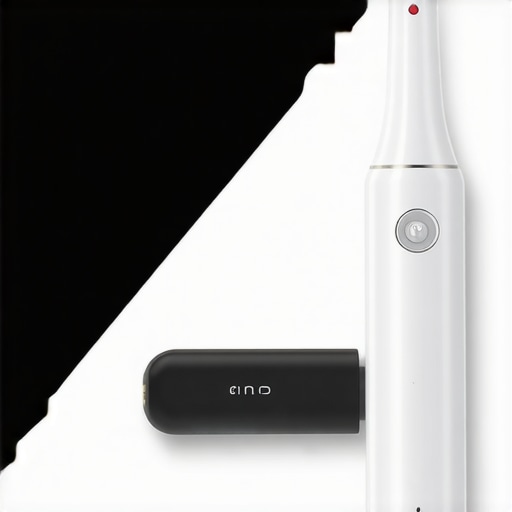
Maintaining your smile’s health and appearance requires specific tools and consistent routines. I personally rely on high-quality electric toothbrushes like the Sonicare DiamondClean. Its oscillating-rotating action effectively removes plaque without damaging enamel, which I find crucial for longevity, especially after veneers or whitening treatments. Additionally, using interproximal brushes helps me clean tight spaces that regular floss can miss, ensuring gum health over time.
For at-home whitening, I prefer professional-grade kits backed by scientific studies, such as those discussed in latest whitening research. They provide safer, more consistent results, especially when used periodically.
What tools do I recommend for ongoing dental care?
Aside from a good toothbrush, I recommend an ultrasonic water flosser. It massages gums while removing debris, which is particularly helpful if you have braces or veneers. For example, the Waterpik model I use is gentle yet effective, and I notice fewer gum irritations during routine cleanings. Choosing tools with clinical backing ensures your investments are worthwhile. Some tools even integrate app reminders to encourage regular use, making maintaining your oral health more manageable with your busy schedule.
For professionals thinking about long-term results, investing in regular professional cleanings is vital. Kravitz et al. (2022) emphasize that combined at-home tools and periodic in-office treatments significantly extend the lifespan of cosmetic and functional dental work. Regular checkups catch issues early—like minor gum inflammation—before they evolve into costly problems.
Is there a future for smarter dental maintenance?
Definitely. The trend is moving toward AI-driven diagnostics and smart toothbrushes that track your brushing patterns. These innovations aim to customize care and alert you to potential issues before they become visible or painful. I’m excited about how wearable tech could integrate with dental health, providing real-time feedback and personalized advice. In terms of scaling, dental practices are adopting teledentistry tools that monitor treatment progress remotely, reducing visits while maintaining results.
Final tip for proactive care: schedule your checkups
Don’t forget—regular visits to your dentist are the cornerstone of sustaining treatments like veneers, bleaching, or aligners. Early detection of issues such as minor cracks or gum recession saves money and preserves your investment in aesthetics. Take advantage of the comprehensive guidance available in family dental care tips for 2025 to stay ahead.
Remember, proper tools combined with consistent habits are your best allies in keeping that smile radiant and healthy for years to come. Try integrating a smart toothbrush into your routine today and experience the difference firsthand.
What Hidden Truths I Discovered About Smile Transformations
- One of the most eye-opening lessons was realizing that early attention to dental habits can prevent complex treatments later. Paying close attention to mouth breathing, thumb-sucking, and dental alignment in childhood can save not just money but also emotional distress.
- Another insight was understanding that not all cosmetic solutions suit every individual. For instance, while I loved the idea of veneers, I learned they require careful consideration of tooth health and structure—reminding me that personalized assessments are vital before rushing into treatments.
- Most surprisingly, I found that embracing the journey—be it Invisalign or teeth whitening—often involves patience and consistency. Quick fixes are rarely truly permanent; genuine results stem from ongoing care and informed decisions.
- A lightbulb moment was discovering how much professional guidance impacts outcomes. Skilled practitioners don’t just fix teeth—they craft a tailored experience that considers future health, comfort, and aesthetics, emphasizing the importance of consulting experts.
- Finally, I learned that continuous education about dental options empowers you. Staying informed through reliable resources like family dentistry tips or veneer vs. crown guides helps you make confident choices aligned with your goals.
My Top Picks for Smiling Brighter and Smarter
- Family dental care resources: Regular checkups and early detection are crucial; I trust this comprehensive guide for proactive family habits.
- Modern orthodontic insights: For innovative treatments like Invisalign, I recommend exploring latest advancements to understand what aligns with your lifestyle.
- Cosmetic procedures clarity: Deciding between veneers, whitening, or crowns benefits from trusting authoritative sources such as expert-informed comparisons.
- Long-term maintenance tools: Protect your investment with quality tools like electric toothbrushes and water flossers—I’ve personally benefited from brands and techniques discussed in this research.
Your Smile Awaits Its Next Chapter
Every smile has a story, and your commitment to informed choices can write a happy ending. Remember, the most beautiful smiles are built not just on aesthetics but on the confidence that comes from caring for your oral health. Don’t wait for issues to escalate—take action today, embrace expert guidance, and enjoy a future where your smile truly reflects your well-being. Ready to start your journey toward a healthier, radiant smile? Your future self will thank you.
What’s the first change you’re excited to try on your path to better dental health? Share your thoughts below—I’d love to hear your story!
.