Why your filling feels sharp when you run your tongue over it
Ever had that jarring moment when you glide your tongue over a recent filling and it feels oddly sharp or rough? I remember the first time it happened to me. I was just mindlessly checking my teeth in the mirror, and suddenly, I felt a strange bump that wasn’t there before. That unsettling sensation left me wondering if something was wrong with my tooth or if I had somehow damaged it. Turns out, I wasn’t alone. Many folks experience this, and it can be quite perplexing—and a little alarming. But there’s good news: most of the time, it’s fixable, and understanding the cause can help ease your worries.
Untangling the Mystery of the Sharp-Versus-Soft Filling
When you get a dental filling, the goal is to restore your tooth’s shape and function, but sometimes, the finished product doesn’t feel quite right. That *sharp* sensation is often due to the filling’s surface being a bit rough or uneven. It might be that the dentist’s polishing didn’t quite smooth out all the edges, or perhaps your tooth has some minor irregularities that make the filling’s surface stand out. Either way, it can be annoying—like running your tongue over a tiny, jagged pebble embedded just beneath the surface.
Here’s where the rubber hits the road: if you ignore this sharp feeling, it could eventually cause irritation to your tongue or even wear down your other teeth. That’s why it’s essential to address it early. A quick visit to your dentist can help smooth out those edges, making the filling feel natural again and preventing future discomfort. In fact, many dentists can resolve this issue in a simple polishing session, which feels like a minor tweak but can make a world of difference. Want to learn more about how to keep your dental restorations comfortable? Check out tips on transforming your smile.
Is a Slightly Sharp Filling Worth Worrying About?
From my own early days of dental mishaps, I learned that rushing to fix every tiny irregularity isn’t necessary—unless it’s causing pain or discomfort. One mistake I made was assuming that a little roughness was harmless, but I soon discovered that persistent sharpness can lead to ongoing irritation. That’s why I now advocate for regular check-ups, especially after getting dental work done and keeping an eye (or tongue) out for any anomalies. Remember, what seems like a minor issue could be the first sign of something needing professional attention. For more insights on maintaining your dental health, visit family dentistry tips.
Now that I’ve shared my experience, let’s explore how you can identify the causes of that sharp feeling and what steps to take to restore comfort to your smile. Trust me—addressing this early can save you from bigger problems down the line, ensuring your teeth stay healthy and pain-free.
Assess the Sharpness and Identify the Issue
Start by gently running your tongue over the filling to pinpoint exactly where the roughness or sharp edges are. This helps determine if the problem is localized or widespread. Recall a time when I noticed a small but persistent rough spot; I marked it with a finger mirror and prepared for action.
Schedule a Dental Check-Up Immediately
Contact your dentist promptly instead of procrastinating. Use the link contact us for scheduling. Dentists have specialized instruments and training to handle this issue safely and effectively. Remember, ignoring a sharp filling can cause tongue irritation or even damage your opposing teeth.
Preparation for the Dentist Visit
Keep oral hygiene impeccable before your appointment. Brush and floss thoroughly to remove any food debris that might interfere with the smoothening process. Use a soft-bristled brush to prevent further abrasion around the filling area.
Professional Polishing and Smoothing Procedures
During your visit, the dentist will examine the filling and use a fine dental burs or polishing tools to sand down sharp edges. Think of it like sanding a piece of wood; the goal is to create a smooth, rounded surface. I witnessed a dentist meticulously buff a rough spot, resulting in an instantly more comfortable feeling. Sometimes, they might even apply a gloss to improve the surface finish.
Consider Resin Reshaping or Replacement if Needed
If polishing isn’t enough, the dentist may reshape or replace the filling. This is akin to replacing a worn-out puzzle piece that no longer fits well. They might remove the old filling, clean the cavity, and apply a new composite resin, ensuring it’s perfectly contoured and polished. This process guarantees long-term comfort and functionality.
Post-Procedure Care to Maintain Smoothness
After treatment, avoid chewing on hard foods for at least 24 hours. Maintain good oral hygiene by gentle brushing and flossing around the filling. If you experience sensitivity or residual roughness, schedule a follow-up to ensure complete smoothness.
Use Identification Techniques for Future Issues
Learn to check your fillings periodically for irregularities. Use your tongue to feel for any sharp spots or rough patches. Regular self-assessment helps catch problems early, preventing discomfort or further damage. For ongoing dental enhancement options, explore tips on transforming your smile.
Explore Advanced Restorative Options When Appropriate
In cases where minor smoothing doesn’t suffice, discuss with your dentist the possibility of dental veneers or crowns that improve both function and appearance. For insights on veneers, visit veneers vs. crowns. These options provide seamless surfaces and can eliminate sharp edges for good.
Address Oral Habits That May Worsen Filling Sharpness
If habits like nail-biting or chewing ice are present, actively work on breaking them. Such behaviors can cause wear and misalignment, aggravating fillings. Consider seeking behavioral advice if habits persist, as they directly impact the longevity of your dental work.
Prevent Future Sharp Edges with Regular Dental Maintenance
Schedule routine check-ups at least twice a year. Regular professional cleanings and examinations ensure your fillings stay smooth and functional, preventing minor issues from escalating. Incorporate habits like using fluoride mouthwash to strengthen enamel and reduce wear.
Remember, Immediate Response Protects Your Smile
Always prioritize prompt dental care when discomfort arises. A simple polishing session or a quick repair can save you from more invasive procedures down the line. Stay vigilant about your oral health, and your smile will thank you for it.
Many patients believe that veneers instantly transform their smile with minimal consideration for the nuances involved. While veneers can be an excellent choice, the common misconception is that they are simply cosmetic and require no maintenance. In reality, the longevity and appearance of veneers heavily depend on proper placement, material choice, and ongoing care. For example, some assume veneers are entirely bulletproof against staining, but high-quality porcelain veneers resist discoloration better than composite ones. Understanding these subtleties can help you make more informed decisions and avoid costly adjustments down the line.
Similarly, teeth whitening is often oversimplified as a quick, one-time procedure. However, many don’t realize that whitening results vary based on the method used, the type of stain, and individual enamel characteristics. Overusing certain whitening agents can even cause unintended side effects like increased sensitivity or enamel erosion. A study published in the Journal of Esthetic and Restorative Dentistry emphasizes that professional whitening, tailored to the patient’s needs, offers safer, more durable results compared to over-the-counter products.
When it comes to family dentistry, there’s a myth that it only involves routine cleanings and check-ups. But, the nuanced approach in family dental care considers each member’s unique needs—children, adults, seniors—and often involves preventive measures like sealants or fluoride treatments, along with managing developmental issues. Relying solely on general cleaning routines may leave early-stage problems unnoticed until they develop into significant issues.
Invisalign has been celebrated as the ultimate discreet orthodontic solution, but many overlook the importance of compliance and long-term commitment. The invisible trays are effective only if worn as prescribed, typically 20-22 hours daily. Additionally, some misconceptions include the belief that Invisalign works on severe cases; however, complex malocclusions often require traditional braces or surgical interventions. Staying aware of these limitations ensures realistic expectations and better outcomes.
What are the dangers of ignoring these nuances? For example, choosing veneers without understanding their limitations can lead to chipping or need for replacements. Over-relying on OTC whitening might result in uneven discoloration or enamel damage. Neglecting personalized family dental care can allow hidden issues to progress, and misuse of Invisalign can prolong treatment or cause unintended shifting.
A major oversight is underestimating the importance of expert guidance. Consulting with a qualified dentist ensures you understand what procedure suits your specific condition, minimizes risks, and achieves optimal results. Remember, every smile is unique—what works for one person may not be suitable for another.
Have you ever fallen into this trap? Let me know in the comments, and stay proactive about your dental health by understanding these hidden nuances.
Maintaining a radiant smile isn’t just about choosing the right procedures; it’s equally about leveraging the best tools and techniques for long-term results. Over the years, I’ve found that some gadgets and software are game-changers in ensuring my dental health stays optimal, especially when managing veneers, teeth whitening, family dentistry, or Invisalign treatments.
How do I keep my dental work in top shape over time?
First, investing in a high-quality ultrasonic toothbrush like the Philips Sonicare DiamondClean has made a significant difference. Its sonic technology effectively clears plaque and surface stains, which is crucial for preserving veneers and whitened teeth. I’ve personally experienced fewer touch-up appointments since I adopted it, and it’s gentle enough to avoid damaging delicate restorations.
Complementing my toothbrush, I rely on professional-grade whitening gels recommended by my dentist. Using a light-weight, BPA-free whitening tray from the same brand ensures even application and minimizes sensitivity. Regular whitening touch-ups help prevent stains from coffee, wine, or foods that could dull veneers, prolonging their aesthetic appeal.
For managing Invisalign and family dental routines, I use a water flosser like the Waterpik Ultra. It’s particularly handy for cleaning around brackets, aligners, and hard-to-reach areas. Proper flossing combined with my sonic toothbrush safeguards against gum disease and cavity formation, especially important when you have multiple family members with different dental needs.
What future innovations am I excited about?
Emerging technologies like AI-driven dental monitoring apps are beginning to personalize oral care routines even further. These apps can analyze your brushing patterns and remind you to target neglected areas, making maintenance more effective. As an advocate for proactive dental health, I believe integrating these tools into daily routines will redefine long-term results for veneers and whitening treatments alike.
To stay ahead, I highly recommend exploring the latest in Invisalign technology. Learning about advanced aligner options ensures your orthodontic investments are resilient and discreet as ever.
Take the Next Step with Your Tools
Don’t settle for outdated equipment. Try upgrading to an ultrasonic toothbrush today and see how it enhances plaque removal and preserves your dental enhancements. Remember, consistent use of these tools can dramatically impact the longevity and beauty of your smile. Explore more about maintaining family dental health or straightening your smile with innovative solutions through trusted resources, and always consult your dentist before making significant changes to your routine.
< >
>
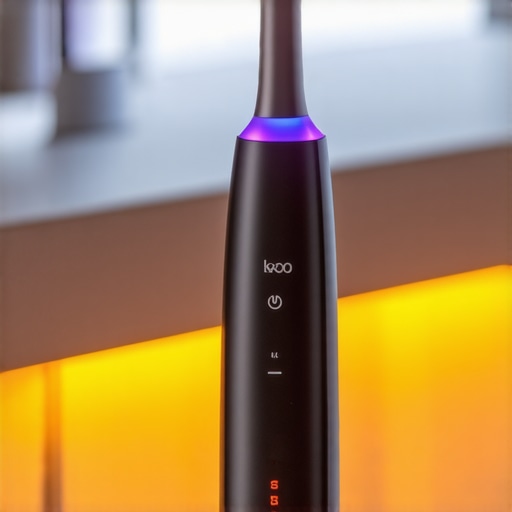
Image prompt: Close-up of a modern ultrasonic toothbrush with a sleek design, glowing lights, and an open bathroom setting; detailed, vibrant, and appealing to health-conscious readers. Alt text: Ultrasonic electric toothbrush for superior dental care. Title: Advanced Oral Hygiene Tool for Lasting Results.
The Wisdom Hidden in My Dental Journey
One of the toughest lessons I learned was to never dismiss small discomforts. A tiny rough spot on a filling or a subtle change in bite can hint at bigger issues if ignored. Taking immediate action, like scheduling a quick check-up, has saved me from complex procedures later on. This has taught me the importance of regular self-assessment; a simple tongue check can often spot early signs of trouble before they escalate.
I also discovered that investing in quality tools—like an ultrasonic toothbrush—can significantly prolong the life of veneers and whitened teeth. These small yet powerful gadgets served as my secret allies, making maintenance smoother and more effective. Additionally, understanding that not all treatments suit everyone equally helped me avoid unnecessary procedures, emphasizing the need for personalized dental advice rather than cookie-cutter solutions.
Tools and Resources That Made a Difference
My go-to resources include trusted brands like Philips Sonicare for daily brushing, which ensures gentle yet effective cleaning around veneers and aligned teeth. For whitening, professional-grade gels recommended by my dentist provide safe, consistent results, keeping my smile bright without sensitivity. When it comes to orthodontics, the latest Invisalign innovations—discussed extensively in this resource—offered me discreet options tailored to my needs. Lastly, exploring articles and guides on veneers versus crowns helped me understand the best restorations for my aesthetic goals and durability expectations.
Keep Your Smile Bright and Healthier Than Ever
Your journey toward a comfortable, confident smile is just beginning. By staying proactive—whether through regular check-ups, smart tool investment, or educating yourself—you can prevent discomfort and extend the life of your dental work. Remember, each step you take now is an investment in your future happiness and health. Embrace the latest innovations, stay curious, and never underestimate the power of expert advice in transforming your smile into your most trusted asset. What’s the first small step you’re willing to take today towards a more comfortable smile? Drop your thoughts below—I’d love to hear about your experiences or plans on this journey.