
The best snacks for kids that won’t cause cavities
I remember the exact moment I realized my child’s sweet tooth was more than just a habit—it was a cavity waiting to happen. During a routine check-up, the dentist pointed out a tiny, yet concerning, shadow on his molar. My heart sank. I knew then that I needed to reevaluate not just his dental hygiene, but also what snacks we kept within arm’s reach. That lightbulb moment sparked a mission to find the best snacks for kids that won’t cause cavities. If you’re tired of fighting the sugar surge and worried about long-term dental health, you’re not alone. Many parents face this dilemma every day, wondering which treats are safe enough to satisfy a child’s craving without compromising their smile.
Why Choosing the Right Snacks Matters More Than Ever
Diet plays a crucial role in dental health, especially for growing children. Cavities are primarily caused by bacteria in the mouth digesting sugars and producing acids that erode tooth enamel. Surprisingly, frequent snacking on sugary or starchy foods can turn your home into a cavity factory. The American Dental Association emphasizes that every exposure to sugary foods and drinks increases the risk of decay, especially when proper oral hygiene isn’t maintained afterward (source).
After many trial-and-error battles at the grocery store, I discovered that not all snacks are created equal. Some crunchy fruits, nuts, and even certain cheese varieties can serve as delicious, cavity-friendly alternatives. But here’s the question: How do you tell which snacks are truly safe, and which ones just seem healthy? This is exactly what we’ll explore today—empowering you to make smarter choices that protect your child’s teeth while keeping snack time fun.
Is All Natural Enough To Keep Cavities at Bay?
Early on, I made the mistake of assuming that snacks labeled as “natural” or “organic” automatically meant cavity-proof. Turns out, that’s not always the case. Many “healthy” treats still contain hidden sugars or acids that can damage enamel. Trust me, I learned this lesson the hard way. Instead of relying solely on labels, I started reading ingredient lists carefully and looking for snacks low in fermentable carbs and free from added sugars. This small shift made a massive difference in my child’s dental health and his overall enthusiasm for better snack choices.
If you’re interested in more insights on maintaining your family’s dental wellness, check out family dentistry tips that go beyond just snacks. Now, let’s dive into some practical, cavity-fighting snack ideas that you can start offering today—snacks that satisfy, nourish, and protect those precious teeth.
,
Choose Your Smile Enhancements Wisely
Start by assessing your dental goals—are you aiming for straighter teeth, brighter whiteness, or a complete smile makeover? Consult with a trusted family dentist to determine the most suitable options, whether that’s Invisalign for discreet alignment or veneers to correct shape and color. During my last visit, I brought photos of my preferred smile style, which helped my dentist recommend the best treatment plan. This initial step saves time and sets realistic expectations.
Prioritize Proper Planning and Assessment
Deepen your understanding of your dental structure through comprehensive examinations—X-rays, digital scans, and temporary try-ins. For example, I experienced a minor misjudgment of my bite before my Invisalign journey, which could have led to discomfort. But detailed planning and digital simulations ensured I knew exactly what to expect, preventing surprises. This approach applies to veneers too; knowing whether your teeth can support the desired shape and size avoids disappointing results.
Follow a Precise Application Process
Invisalign Alignment in Action
When I started Invisalign, I received a series of custom-made aligners. Each set gradually shifted my teeth into position. I followed the schedule meticulously—wearing the trays 20-22 hours daily—and replaced them as instructed. Regular check-ins with my dentist monitored progress, ensuring optimal results. Similar diligence is essential with veneers, where precise bonding and contouring impact both function and aesthetics. Learn more about Invisalign innovations to understand how technology enhances comfort and outcome.
Manage Daily Care Routines
Adopt a strict dental hygiene regimen—brushing at least twice daily with fluoride toothpaste, flossing, and using mouthwash. For veneers and crowns, pay attention to the cleaning method—avoid abrasive products that can scratch surfaces. I learned during my treatment that a gentle, interdental brush reached tricky areas better than standard floss, which reduced plaque buildup. Incorporate whitening treatments carefully, choosing products and procedures aligned with your dental work to prevent sensitivity and discoloration (teeth whitening tips). Keep in mind, regular professional cleanings are vital to maintain your investment.
Refine and Adjust Over Time
Monitor how your smile adapts post-treatment. Minor adjustments or touch-ups can improve comfort and appearance. For example, after my veneer placement, I noticed some sensation on the gum line, which my dentist addressed promptly. Staying proactive with follow-up appointments ensures your smile remains pristine and functional. If you need insights on managing adjustments or corrections, explore Veneers versus crowns to understand options tailored to your needs.
While many know the basics of cosmetic and family dentistry, the real nuance lies in understanding what most people get wrong—sometimes without even realizing it. For instance, a widespread myth is that Invisalign treatment is suitable for everyone aiming for perfect, straight teeth. In reality, this clear aligner system works best for mild to moderate orthodontic issues, and expecting it to handle complex cases can lead to disappointments and longer treatment times. Studies suggest that personalized evaluations are crucial; a one-size-fits-all approach often falls short, underscoring the importance of consulting with a specialist before starting a treatment plan.
Another hidden trap revolves around veneers. Many assume that veneers are purely aesthetic and can be applied without considering the health of underlying teeth. However, premature or inappropriate veneer placement can lead to increased tooth sensitivity or even damage, especially if the teeth have underlying decay or issues that haven’t been addressed first. For detailed insights on how to avoid these pitfalls, check out our guide on transforming your smile with veneers.
In family dentistry, one common misconception is that regular brushing suffices for maintaining oral health in children. Yet, neglecting flossing or routine check-ups can allow plaque buildup to go unnoticed, leading to cavities or gum problems. Parents often overlook the importance of early preventative care, which sets the stage for future dental wellness. For practical tips tailored to your family’s needs, visit family dentistry tips.
Now, let’s address a nuanced question: How do advanced whitening techniques balance effectiveness with enamel safety? Many over-the-counter whitening products are marketed as quick fixes, but they can sometimes cause enamel erosion or increased sensitivity if misused. Professional whitening treatments, guided by dental experts, utilize controlled strengths and protective agents to ensure safety. Research published in the Journal of Dentistry confirms that professionally supervised whitening minimizes risks while achieving superior results (source).
In essence, understanding these subtle distinctions and avoiding assumptions can save you time, money, and discomfort. Have you ever fallen into this trap? Let me know in the comments.
Keeping your smile looking its best requires more than just routine visits to the dentist; it involves the right tools and a consistent maintenance routine. Personally, I swear by certain equipment and software that ensure my veneers, Invisalign aligners, and whitening treatments stay in top condition over the long term. For instance, I rely heavily on a dedicated ultrasonic cleaner to sanitize my Invisalign trays daily. This small device uses high-frequency vibrations to remove plaque and bacteria effectively, which is crucial because improper cleaning can lead to discoloration or bad odor (source).
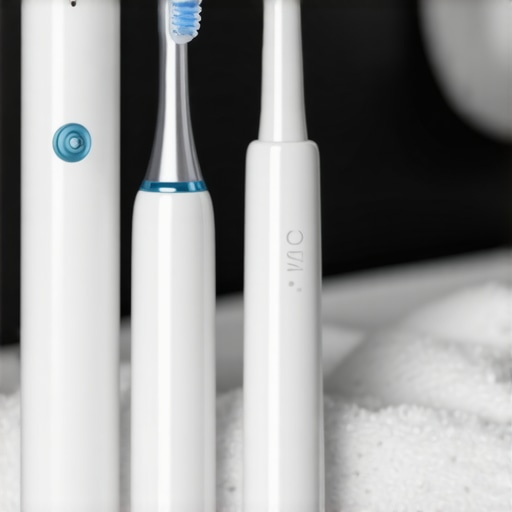
Additionally, I highly recommend investing in a high-quality electric toothbrush with a pressure sensor. This helps me prevent over-brushing, which can erode enamel on veneers or cause gum recession around implants. Brands like Oral-B or Philips Sonicare incorporate smart features that connect to apps, providing real-time feedback on brushing techniques and duration. Such technology keeps me accountable, ensuring I don’t slip into bad habits that could jeopardize my dental investments.
How do I maintain my dental enhancements over time?
The key lies in adopting a comprehensive routine. Regularly using interdental brushes or water flossers, like the Waterpik, helps clean around brackets or the edges of veneers where traditional floss might miss debris. I find that gentle, consistent cleaning prevents plaque buildup and maintains the longevity of my cosmetic work. Scheduling routine professional cleanings at least twice a year is equally vital — during these visits, your dentist can check for early signs of wear or damage, adjusting your care plan as needed. Incorporating whitening touch-ups with professional-grade kits, when advised by your dentist, can help sustain that bright smile without compromising enamel integrity. Looking ahead, advancements in AI-powered dental monitoring systems suggest a trend toward remote, continuous care, making maintenance more accessible.
Furthermore, integrating some smart software tools into your routine—for example, apps that log your brushing times and remind you of replacement schedules for aligners or whitening trays—can bolster your commitment to maintenance. In my experience, sticking to these practices prevents minor issues from escalating into costly repairs or replacements and prolongs the lifespan of your cosmetic investments.
If you’re eager to optimize your maintenance routine, I suggest starting with a thorough cleaning using an ultrasonic device, combined with a smart electric toothbrush. These tools are readily available and significantly improve daily hygiene, especially for those with veneers or Invisalign devices. Remember, consistent, targeted care not only preserves your smile’s aesthetics but also ensures your dental health remains robust for years to come.
For more detailed insights on maintaining veneers and other smile enhancements, visit this guide on veneers. Investing in the right tools today will pay dividends in your long-term dental wellness.
3 Surprising Lessons That Shaped My Dental Journey
- Not All Natural Snacks Are Cavity-Free: I initially believed that organic labels meant my child’s snacks were safe, but a deeper look revealed hidden sugars that could undermine our efforts. Trusting ingredient lists over labels became a game-changer.
- Consistency Outweighs Perfection: Regular maintenance—whether it’s cleaning aligners with ultrasonic tools or scheduling routine checkups—prevented small issues from turning into costly repairs, reinforcing that daily habits truly matter.
- Expect the Unexpected in Treatments: My experience with veneers taught me that every smile is unique, and personalization is key. Preparedness and honest conversations with your dentist ensure your treatment matches your expectations.
- Technology Can Elevate Your Care: Using smart toothbrushes and software tracking boosted my adherence to oral hygiene routines, making me more confident in preserving my dental enhancements.
- Learning Is a Continuous Process: Staying informed through trusted sources, like the articles on smile transformation and invisalign innovations, has kept me proactive and empowered my dental decisions.
Tools That Made a Difference in My Smile Evolution
- Professional Whitening Kits: Guided by my dentist, these provided safe, effective results, helping me maintain brightness without sensitivity. Check out the latest options under teeth whitening.
- Ultrasonic Cleaners: Regular use of a device like the ultrasonic cleaner for Invisalign trays kept them bacteria-free, prolonging their clarity and freshness, which I highly recommend.
- Smart Electric Toothbrushes: With pressure sensors and connected apps, I received real-time feedback, ensuring gentle yet thorough cleaning around veneers and crowns. Brands like Philips Sonicare have truly transformed my routine.
- Flossing Tech: Using interdental brushes and water flossers helped me reach tricky areas, especially around implants, preventing plaque buildup and future complications.
Seize Your Moment: Make Your Smile a Priority Today
Your journey toward a healthier, more radiant smile is uniquely yours, and every step you take builds confidence and joy. Whether you’re considering Invisalign, veneers, or perfecting your family’s dental health, remember that expert guidance and the right tools can make all the difference. Don’t wait for your next lightbulb moment—start today, invest in yourself, and embrace the smile you’ve always wanted. Curious how small changes can lead to big impacts? Share your experience or ask questions below and let’s grow together in this dental adventure.