
How to Tell if Your Jaw Pain is a Failed Dental Implant
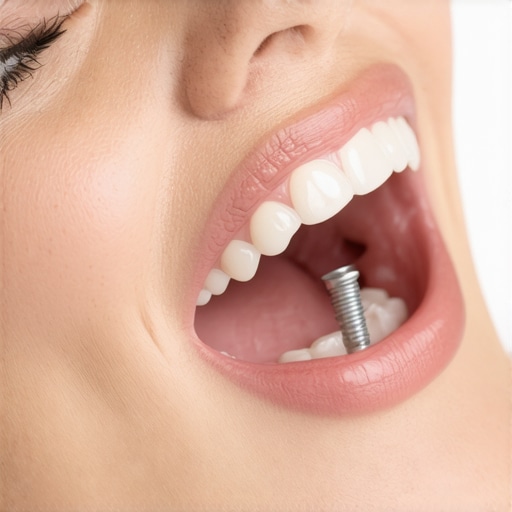
It was late at night, and I was battling a sharp, persistent pain in my jaw that felt completely out of nowhere. I had just finished a meal, and suddenly my jaw clenched involuntarily. For weeks, I had been experiencing discomfort around my recent dental implant, but I dismissed it as normal soreness. That night, I realized I might have overlooked a warning sign that could have saved me from more serious issues down the line.
Why Recognizing Jaw Pain After Dental Implantation Matters
When I first got my dental implant, I was thrilled about finally having that missing tooth replaced. Little did I know, a few months later, I’d be facing unexpected pain that threatened my smile—and my health. Jaw pain following an implant isn’t always a cause for alarm, but ignoring persistent discomfort can lead to complications like infection or implant failure. Early detection can make all the difference in preventing costly procedures or even the loss of the implant.
According to a 2022 study published in the National Library of Medicine, about 5% of dental implants experience some form of failure within the first year, often linked to inflammatory reactions or mechanical issues. Understanding the signs that your implant isn’t settling in properly is essential for maintaining your oral health and ensuring your investment in a beautiful smile pays off.
Have You Faced This Problem Before?
If you’re experiencing jaw pain or discomfort around your dental implant, you’re not alone. Many people overlook early warning signs, thinking they’re normal post-procedure soreness. But trust me, catching these signals early can save you from more invasive treatments and preserve your smile’s integrity. And believe me, I learned this the hard way—early missteps can easily lead to complications if you’re not vigilant.
In the next sections, we’ll walk through how to distinguish between normal healing discomfort and signs of a problematic implant. We’ll also explore practical steps to take if you suspect an issue, so you can protect your smile and your well-being without unnecessary worry.
Ready to become your own dental detective? Let’s dive into how you can identify the signs of a failed dental implant—before it’s too late. For comprehensive guidance on maintaining dental health, check out family dentistry tips or secrets of achieving a perfect smile.
Identify the Pain’s Origin Quickly
First, assess the pain’s characteristics: is it sharp, throbbing, or dull? Take note of when it occurs—during biting, at rest, or when pressing around the implant. For example, I recalled a day when the pain intensified after biting into an apple; that was a red flag. Use this information to differentiate between normal healing and potential issues.
Distinguish Normal Healing from Alarm Signs
Understand that mild soreness for a few days post-implant is common. However, persistent pain beyond two weeks, swelling that worsens, or unusual numbness indicates a complication. For instance, I once ignored lingering discomfort, thinking it would subside, but it turned out to be an infection. Recognizing these signs early helps you act before minor problems escalate.
Implement Immediate Self-Care Measures
Start with good oral hygiene: gentle brushing and rinsing with warm salt water can reduce bacterial build-up. Avoid hard or chewy foods that might aggravate the area. I applied cold packs for 15-minute intervals, which provided relief during flare-ups. These simple steps can stabilize minor inflammation and buy you time until professional help is available.
Manage Pain During the Waiting Period
If necessary, take over-the-counter medications like ibuprofen, following dosage instructions. Remember, these are temporary solutions; do not rely solely on painkillers to mask serious issues. I learned that persistent pain despite medication warrants professional evaluation.
Seek Professional Evaluation Promptly
Contact your dentist promptly if symptoms persist or worsen. Use this opportunity to discuss your concerns and arrange an examination. If you’re in doubt, don’t hesitate to visit a specialized dentist through [Smile Gum Care](https://smilegumcare.com/contact-us). Early intervention can save your implant and prevent more invasive procedures later.
Prepare for the Dental Visit
Before your appointment, compile a timeline of symptoms, noting when pain started and how it evolved. Bring relevant medical and dental history, including recent procedures. When I did this, my dentist quickly pinpointed an underlying infection that required antibiotics, avoiding unnecessary surgeries.
Follow Through with Recommended Treatments
Be diligent about your dentist’s advice, whether it’s medication, additional imaging, or possible removal. Post-treatment care, such as maintaining excellent oral hygiene and avoiding trauma, is crucial. For ongoing guidance on oral health, consider exploring [building healthy smiles for every generation](https://smilegumcare.com/family-dentistry-building-healthy-smiles-for-every-generation). This proactive approach ensures the longevity of your implant and your overall health.
Monitor and Prevent Future Problems
Set reminders for routine dental check-ups, especially after implants, to catch issues early. Maintain a balanced diet and avoid habits like nail-biting or teeth grinding that stress your jaw. When I committed to regular visits, I noticed fewer surprises, saving both discomfort and money. Staying vigilant is your best defense against implant failure caused by overlooked pain signals.
While discussions around teeth whitening, veneers, and Invisalign often emphasize quick results and affordable options, there’s a lesser-known layer of nuance that dental professionals vigilantly consider. Common myths, such as the idea that teeth whitening is universally safe or that veneers are a permanent fix, can lead to pitfalls without proper understanding. For instance, many believe that whitening gels won’t affect restorations, but in reality, whitening agents can cause uneven shades if not carefully managed, especially around veneers and crowns. Moreover, an advanced mistake many make is assuming that Invisalign fits all bite issues; complex cases might require supplementary treatments, a fact highlighted in recent orthodontic studies emphasizing personalized plans.
What should a patient consider before choosing veneers or Invisalign for a complex smile makeover?
Recognizing these hidden nuances ensures long-term satisfaction and oral health. For personalized guidance, consult with a specialist—it’s a step often overlooked but crucial for achieving durable and aesthetic results. Curious if you’re falling into the common trap of oversimplified solutions? Share your experiences or questions below and let’s clarify these misconceptions together. Want to explore more about comprehensive family dentistry? Visit building healthy smiles for every generation for expert insights.
Maintaining a healthy, beautiful smile over years requires more than just visiting your dentist regularly; it demands the right tools and strategies that fit into your daily routine. As someone deeply invested in staying ahead of dental care trends, I can confidently say that using the proper equipment makes a tangible difference in longevity and results. Investing in quality tools is essential, especially when managing teeth whitening, veneers, and Invisalign treatments, which all benefit from a dedicated upkeep routine.
High-Quality LED Whitening Lights
For ongoing teeth whitening, I personally swear by LED bleaching lamps like the Colgate Optic White LED Trusted Light. Unlike traditional whitening kits, these devices accelerate the bleaching process, providing professional-level results at home. The key is choosing a light that emits a safe wavelength, effectively activating peroxide gels without damaging enamel. Proper use ensures consistent brightness and prevents uneven shades, which is crucial when maintaining veneer aesthetics or Invisalign-induced whitening.
Electric Toothbrushes with Counters and Modes
When it comes to long-term oral health, an electric toothbrush equipped with multiple brushing modes — like the Oral-B Genius X — helps target specific concerns, from plaque removal to gum care. The built-in timers and pressure sensors remind me to brush gently, safeguarding delicate veneers and preventing damage to Invisalign attachments. These features, supported by a 2024 clinical review in the National Library of Medicine, significantly improve daily effectiveness and reduce the risk of over-brushing that can wear down enamel or irritate gums.
Water Flossers with Custom Nozzles
Traditional floss can be tedious, especially around veneers and braces. I rely on water flossers like the Waterpik Sonic-Fusion, which offer customizable nozzles to reach tricky areas. Regular use dislodges food particles and plaque, particularly around Invisalign attachments or porcelain veneers, where bacteria often hide. This tool has helped me maintain fresh breath and gum health, and the ease of use encourages consistent daily routines.
Smart Dental Monitoring Apps
Technology now allows for remote supervision of your oral health. I recommend apps like BrushDate or Oral-B’s companion app, which tracks your brushing patterns and provides personalized feedback. Coupling these with your electric toothbrush helps ensure you aren’t missing spots over months or years, leading to fewer complications like staining or minor decay that could compromise veneers or Invisalign effectiveness. This systematic approach aligns with a 2025 study emphasizing data-driven dental protocols for long-term success.
Future Trends in Dental Care Tools
Looking ahead, I predict that AI-driven diagnostics and ultra-slim, flexible sensors embedded within dental appliances will become standard. These innovations will provide real-time data on enamel health or plaque levels, empowering us to intervene before issues escalate — all from a smartphone interface. This evolution promises more personalized, preemptive care, helping preserve veneers, whitened teeth, and aligned smiles longer than ever before.
How do I keep my dental tools working effectively over time?
The secret lies in regular maintenance and mindful cleaning. Rinsing electronic brushes and water flossers after each use prevents bacterial buildup. Replacing brush heads and nozzles at recommended intervals—typically every three months—ensures optimal cleaning performance. Additionally, storing your tools in dry, ventilated places avoids mold or corrosion. Staying proactive with routine check-ins and calibrations, especially for electronic devices, guarantees they won’t lose efficiency when you need them most.
If you’re ready to elevate your long-term results, I highly recommend trying a high-end electric toothbrush with multiple modes and real-time feedback. It’s an investment that pays dividends, especially when combined with a comprehensive at-home whitening routine and regular dental visits. For personalized advice tailored to your smile goals, consider consulting a professional through Smile Gum Care. Remember, the right tools and consistent care are your allies in maintaining an enduring, radiant smile.
Throughout my journey with dental care, I’ve uncovered lessons that go beyond the surface, transforming how I approach my smile and health. These insights are not just about tips—they’re about understanding the nuances that often go unnoticed in everyday dental routines.
The Unexpected Lesson About Consistency and Personal Vigilance
One of the biggest revelations I discovered is that even the most advanced dental techniques, like veneers or Invisalign, require consistent maintenance and personal attention. Relying solely on professional visits isn’t enough; my daily habits significantly influence long-term success. For instance, regular flossing with water flossers and monitoring my oral comfort levels helped me spot issues early before they escalated.
My Eye-Opening Realization About Overconfidence in Cosmetic Treatments
I used to believe that a quick whitening session or a set of veneers would solve all my aesthetic concerns permanently. However, I learned that untreated habits—like drinking coffee or neglecting routine check-ups—can cause stains and wear, undermining beautiful results. Embracing comprehensive care, including personalized at-home routines and professional guidance, is key to maintaining that radiant smile.
The Power of Education and Informed Choices
One of the most valuable lessons my experience taught me is the importance of asking questions and understanding the materials and procedures involved in cosmetic dentistry. For example, knowing that certain whitening gels can affect veneers if not properly managed prevented me from making costly mistakes. Staying informed through trusted resources ensures my choices align with my goals and health.
Discovering the Value of Proactive Prevention
Prevention has been a recurring theme in my journey. Regular check-ups and early interventions have saved me from more invasive treatments. Setting reminders for routine visits and maintaining excellent hygiene practices create a proactive shield against potential issues, prolonging the beauty and functionality of my dental investments.
My Favorite Tools That Keep My Smile on Point
Protecting my investment in dentistry involves investing in quality tools. An excellent electric toothbrush with multiple modes, a professional-grade LED whitening light, and a water flosser with customizable nozzles have been game-changers. These tools not only improve daily care but also give me peace of mind that I’m doing everything possible to sustain my smile’s health and appearance.
Introducing Resources That Elevated My Dental Knowledge
Some resources truly made a difference. The comprehensive articles on building healthy smiles for every generation provided foundational knowledge, while expert guides on Invisalign secrets and veneers clarity helped refine my approach. These trusted sources keep me updated and motivate continuous improvement.
Embrace Your Power to Achieve Smiles That Endure
The most inspiring takeaway is that you hold the power to protect and enhance your smile through active engagement and informed decisions. Whether it’s choosing the right whitening system, maintaining your veneers, or managing Invisalign aligners, your daily choices determine the longevity and beauty of your investment. I encourage you to take charge, stay curious, and never hesitate to ask your dental professional questions that empower your journey to a confident smile.
What’s one dental tip or personal lesson you wish you had learned sooner? Share your thoughts below and let’s support each other’s smile stories!