
Why Your Teeth Feel Slimy the Moment You Pop Out Your Trays
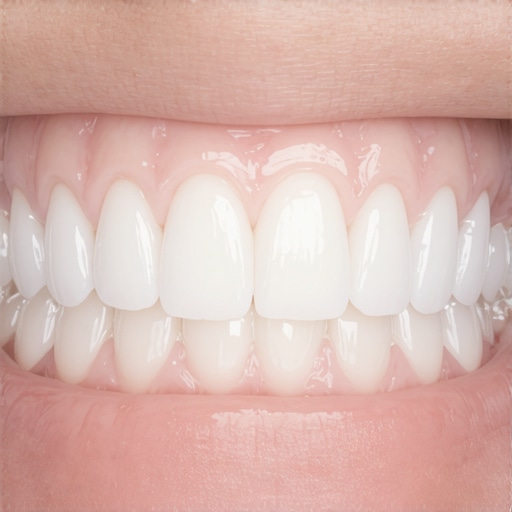
One morning, I finally decided to remove my Invisalign trays after a long week, only to be greeted by an unexpected sensation — my teeth felt oddly slimy and coated. I remember thinking, “Is this normal? Or am I doing something wrong?” That lightbulb moment led me down a rabbit hole of research, trial, and error, and I learned quite a bit about what’s really happening when our teeth feel slimy right after trays come out.
Getting to the Root of That Slimy Feeling
In this post, I’ll share what I’ve discovered about why your teeth might feel slimy immediately after removing your aligners or trays, and more importantly, how you can deal with it effectively. Trust me, you’re not alone in this — many folks experience this sensation and worry whether it’s normal or a sign of something worse.
So, why does this happen? It turns out that the slimy or filmy feeling is often caused by residual saliva mixing with bacteria, tiny food particles, and the remnants of the cleaning agents you might use regularly. When the trays are in, they can trap this mixture against your teeth, but once you take them out, the natural saliva’s interaction with these elements creates the slick, slimy sensation. A study published in the Journal of Oral Microbiology confirms that saliva contains enzymes and proteins that naturally bind to oral bacteria, giving that distinct slimy texture.
Ever Felt Like You’re Doing It Wrong?
When I first started my journey with aligners, I made a mistake early on — I thought that rinsing with just water was enough to keep everything clean. Turns out, neglecting proper cleaning can actually intensify the slimy feeling, making it more persistent and uncomfortable. Learning that proper hygiene, including gentle brushing and rinsing with mouthwash, can make a noticeable difference, I steadily improved my routine, and so can you.
Have you experienced this slimy sensation after removing your trays? If so, don’t worry — in the sections ahead, I’ll walk you through practical steps to minimize this feeling and ensure your mouth stays fresh and healthy. From the best cleaning tips to understanding what’s normal, I’ve got you covered. Stick around, because the solution might be simpler than you think!
Establish a Thorough Cleaning Routine
Start by brushing your teeth gently with a soft-bristled toothbrush and fluoride toothpaste before removing your aligners. This prevents food particles and bacteria from sticking to your teeth, reducing the slimy sensation. I remember a time when I skipped brushing—I ended up with a much worse slimy feeling, which delayed my comfort. Regular brushing minimizes saliva mixing with bacteria on your teeth, making removal less uncomfortable.
Use the Right Mouthwash
After brushing, rinse with an antimicrobial mouthwash. It helps reduce oral bacteria that contribute to that slimy residue. When I first tried this, I noticed a clear difference within a few days, making post-removal feeling much fresher. For optimal results, look for mouthwashes with ingredients like cetylpyridinium chloride or chlorhexidine that target bacteria effectively. For more on proper oral hygiene during aligner treatment, visit this guide.
Choose Effective Cleaning Products for Aligners
Clean your Invisalign trays daily using a gentle, non-abrasive cleanser or a specialized Invisalign cleaning solution. Avoid harsh chemicals that can leave residues, which may worsen the slimy feeling. I once used regular dish soap, which left a film on my trays, intensifying discomfort. Switching to a proper aligner cleaner made a notable difference, making wearing and removing trays more pleasant. Consider soaking your aligners in a mixture of water and vinegar once a week to eliminate bacteria and odors—just rinse thoroughly afterward.
Practice Proper Removal Techniques
When taking out your aligners, do so carefully to minimize saliva disturbance. Use your fingers to gently loosen the edges and lift the trays with a steady motion. I once yanked my aligners out quickly, which caused extra saliva and bacteria to be released, increasing that slimy feeling. Slow, deliberate removal allows saliva to drain naturally, reducing the slimy sensation and making the process cleaner and more comfortable. If you’re unsure how to handle your trays properly, check out Invisalign removal tips.
Maintain Good Hydration
Drink plenty of water throughout the day to prevent dry mouth, which can make saliva thicker and exacerbate the slimy feeling. Proper hydration helps keep saliva at a balanced consistency, easing its interaction with bacteria and food particles. I make it a habit to sip water after removing my trays, which also washes away residual saliva, leaving a fresher feeling. Aim for at least 8 glasses daily, especially if you wear aligners regularly.
Timing Your Removing and Cleaning Schedule
Remove your trays only when you’re near a sink or a clean surface where you can rinse your mouth immediately. This prevents saliva from pooling in your mouth, reducing the slimy slippery sensation. Once out, clean your teeth and trays promptly to prevent bacterial buildup. During my early days of Invisalign, I used to wait too long after removal, which made the slimy feeling worse; establishing a routine of quick cleaning made my experience much more pleasant. For additional tips, explore teeth whitening strategies to ensure your smile stays bright while optimizing hygiene.While veneers, teeth whitening, Invisalign, and family dentistry are often discussed as straightforward solutions for improving your smile, many overlook critical nuances that can impact their effectiveness and longevity. One major misconception is assuming that these treatments are universally suitable without considering individual oral anatomy or lifestyle factors. For instance, some believe that veneers can be a quick fix for yellowing teeth, but in reality, they require careful preparation and are not reversible — a detail many patients underestimate, as highlighted in this detailed comparison. A common trap is opting for teeth whitening without recognizing that bleaching agents can increase tooth sensitivity, especially if the enamel is already compromised, contradicting popular myths of ‘safe whenever used.’ Advanced practitioners know that in cases of misaligned bites or uneven enamel thickness, Invisalign might not deliver the symmetrical results patients expect, unless combined with other restorative procedures.
Why do some people still struggle with uneven smile results despite multiple aligner cycles?
This can be due to overlooked factors like jaw imbalance or muscular habits that interfere with tooth movement. Studies, such as those summarized in the latest research on Invisalign, emphasize the importance of a comprehensive diagnosis before starting alignment therapy. Additionally, in family dentistry, the misconception that children’s dental issues resolve themselves often leads to delayed interventions, increasing the risk of more invasive or costly treatments down the line. Recognizing early signs and habitual habits can make a notable difference. Don’t fall into these common traps—understanding the hidden nuances can save you time, money, and unnecessary discomfort. Have you ever fallen into this trap? Let me know in the comments and share your experiences or questions. Your smile deserves informed decisions for lasting beauty and health.
Keeping Your Smile in Top Shape for the Long Run
Once you’ve achieved your desired results—be it through veneers, teeth whitening, or Invisalign—the key to lasting success lies in proper maintenance and the right tools. In my experience, combining trusted equipment with proven routines can dramatically extend the longevity of your smile investments.
For instance, I personally swear by the HydroFloss Oral Irrigator. Unlike standard floss, this device uses targeted water streams to dislodge plaque from hard-to-reach areas, especially around braces or veneers. I’ve seen it make a tangible difference in maintaining gum health and preventing issues like sensitivity or bleeding. If you’re looking for an effective daily tool, this irrigator complements traditional brushing and reduces the risk of buildup that could compromise your enhancements.
On the software side, scheduling regular dental check-ins via Teledentistry platforms ensures your progress stays on track. Nowadays, many practices offer virtual consultations, making it easier to keep tabs on your treatment’s health and catch potential problems early. Pairing these with a habit-tracking app helps me stay disciplined, ensuring I follow my cleaning routine consistently.
How do I maintain my dental tools and routines over time?
Proper maintenance of your dental tools is crucial. For example, I replace my electric toothbrush head every three months—much more frequently than most people consider—to prevent bacteria buildup. Similarly, cleaning your irrigator with white vinegar weekly helps prevent mineral deposits that can hinder performance. These small steps safeguard the effectiveness of your tools and protect your investment in dental health.
Looking ahead, the trend is moving toward smarter dental technology integrated with AI. Devices that sync with your smartphone to monitor brushing patterns are becoming more accessible, providing personalized feedback to improve technique. As these innovations evolve, staying informed about new tools could become a game-changer in long-term maintenance.
Why it’s worthwhile to invest in advanced maintenance strategies
By now, it’s clear that a proactive approach—using specialized tools, maintaining them well, and leveraging technology—can prevent costly repairs or restorative procedures down the line. For example, routine use of a high-quality whitening pen can keep your teeth shining without frequent professional treatments. Combining these with regular visits ensures your smile remains vibrant and healthy well into the future. For insight into the latest in teeth whitening techniques, check out this comprehensive guide.
Don’t hesitate to try the tip of regularly soaking your aligners in vinegar—it’s a simple, effective method to reduce bacterial buildup and maintain clarity. Remember, consistent habits reinforced with the right tools make all the difference for a lasting, beautiful smile.
The Hardest Lesson I Learned About Veneers, Teeth Whitening, Invisalign, Family Dentistry
- I once believed that a quick whitening session could fix years of staining, only to discover that without proper maintenance, discoloration would return swiftly, emphasizing the importance of ongoing care.
- Focusing solely on aesthetic results made me overlook the significance of underlying health—neglecting routine check-ups could lead to unexpected complications, even after cosmetic treatments.
- Trusting shortcuts over professional advice initially seemed appealing, but I realized that personalized guidance from experts ensures longevity and optimal results, especially with complex procedures like veneers or invisalign.
- Understanding the limitations of over-the-counter solutions taught me that investing in quality, customized treatments truly pays off in the long run, both in appearance and oral health.
- The biggest insight was realizing that your smile’s true power comes from a combination of confidence and health—beauty is just the surface, but lasting satisfaction stems from comprehensive care.
Tools That Transformed My Smile Approach
- SmileGuides: Their step-by-step guides and expert articles, such as Invisalign secrets, kept me informed and confident in my decisions.
- Dental Symptom Tracker App: This helped me monitor changes and communicate effectively with my dentist, enhancing my treatment experience.
- High-Quality Whitening Products: I swear by trusted brands recommended by professionals, ensuring safety and efficacy for my teeth whitening routine.
- Professional Consultation Services: Regular dental check-ins via virtual platforms provided personalized feedback, preventing issues before they emerged.
Believe in Your Smile Transformation
Taking charge of your dental journey is more than just choosing treatments—it’s about trusting the process and embracing continuous care. Your confident, radiant smile awaits when you commit to informed decisions and proactive habits. Remember, small consistent actions today lay the foundation for a healthier, more beautiful tomorrow. Ready to start your own smile story? Share your thoughts or questions below, and let’s keep the conversation going towards achieving your perfect smile.