
Why Your Child Has Two Rows of Teeth at the Same Time

It was a morning like any other when I caught a glimpse of my child’s mouth in the mirror — and froze. Instead of the usual single row of tiny teeth, there were two, almost like a mini double-decker bus in her mouth. My heart sank. I wondered if I had overlooked something or if this was just a normal part of growing up. But the truth is, seeing my child’s teeth look like that was a lightbulb moment for me. I realized many parents might be just as perplexed and worried about this peculiar dental situation.
Deciphering the Mystery of Double Rows of Teeth
Having a child with two rows of teeth can be confusing and, honestly, a bit unsettling. You might wonder if it’s a sign of a bigger problem or just a temporary phase. Well, let me reassure you — in most cases, it’s a common occurrence linked to the natural process of teeth eruption. But knowing why it happens and when to seek professional advice can make all the difference.
Many children experience this phenomenon during their transitional phase when their baby teeth are making way for permanent ones. Sometimes, the permanent teeth can start coming in from behind, creating that distinctive double-layer look. This situation is often called
Assessing the Situation Immediately
Begin by examining your child’s mouth carefully; look for signs of overlapping or permanent teeth emerging behind baby teeth. Use a flashlight and a mirror to get a clear view. Remember, it’s common for permanent teeth to come in behind baby teeth for a short period. To better understand what you’re observing, consult family dentistry resources for guidance. In my experience, during my own child’s dental check-up, the dentist explained that such occurrences often resolve naturally.
Ensure Timely Dental Consultations
Schedule an appointment with a pediatric dentist or orthodontist as soon as you notice persistent double rows or if the space between the teeth seems abnormal. Use a reputable clinic like family dental care tips to prepare for the visit. During my child’s visit, the dentist emphasized that early assessment can prevent future misalignments. Be prepared to discuss your child’s dental history and any concerns about irregular eruption patterns.
Understand Your Child’s Growth Timeline
Learn about typical eruption patterns to distinguish between normal development and issues requiring intervention. Think of it as planting a tree: knowing when branches should sprout helps you decide if pruning is necessary. For reliable info, review guidance at growth timeline resources. My own experience involved tracking my son’s dental milestones, which helped me identify when professional advice was needed and avoided unnecessary panic.
Implement Oral Care Routines Rigorously
Maintain strict brushing and flossing protocols to keep the crowded area clean. Use a soft-bristled toothbrush and consider special flossing tools designed for tight spaces, akin to threading a needle through a small eye. Consistent oral hygiene minimizes plaque buildup, which can complicate future orthodontic treatments. I once spent extra time teaching my child how to floss properly; it was messy initially, but the patient effort paid off. For tips on enhancing your child’s dental routines, explore family dentistry tips.
Consider Non-Invasive Orthodontic Options
In many cases, early intervention with options like Invisalign or space maintainers can guide teeth into proper positions without extensive dental work. Think of these devices as gentle guides, similar to training wheels that help stabilize a bicycle. I remember my child’s dentist demonstrating how small aligners gradually shift teeth, resulting in less discomfort and quicker results. Consult your dental provider about the suitability of such options for your child.
Prepare for Future Dental Enhancements
If misalignment persists, explore aesthetic solutions like veneers or whitening treatments to improve overall smile harmony. These options are akin to applying a fresh coat of paint to a wall—improving appearance while protecting underlying structures. During a recent appointment, I learned that addressing cosmetic concerns early can boost a child’s confidence and motivate better oral care. Keep in mind that such treatments should be done under professional supervision and tailored to your child’s needs.
While many believe that choosing family dentistry, Invisalign, veneers, or teeth whitening is straightforward, the reality is often more nuanced. A common misconception is that these treatments are one-size-fits-all solutions, but in truth, each patient’s situation requires a tailored approach. For example, many assume that veneers are always the best option for cosmetic enhancement, yet, according to experts, veneers and crowns serve different purposes, and selecting the right one depends on your specific dental needs. In my experience, rushing into aesthetic procedures without proper assessment can lead to unnecessary costs and dissatisfaction, highlighting the importance of consulting with a knowledgeable dentist. Additionally, some believe that teeth whitening is solely about aesthetics; however, overusing whitening products can weaken enamel and cause sensitivity. A recent study in the Journal of Esthetic and Restorative Dentistry emphasizes that professional guidance is crucial for safe whitening protocols. Another widespread myth is that Invisalign is only suitable for mild orthodontic cases, but advancements have made it an effective option for more complex alignments when supervised appropriately. Beware of the trap where patients start treatment without a clear understanding of the process or maintenance requirements, which can compromise results. To make informed choices, always seek comprehensive consultations and ask your dentist about the real benefits, risks, and the differences between treatment options. Remember, these solutions are investments in your long-term oral health and confidence. For instance, exploring different veneer options can be confusing—are veneers better than crowns? To clarify, visit this guide on veneers versus crowns. Knowing the advanced nuances ensures you avoid common pitfalls and achieve the results you desire. Are you aware of the hidden factors that can influence your treatment’s success? Let me know in the comments!
Ensuring long-term success with treatments like Invisalign, veneers, or teeth whitening requires more than just visits to the dentist; it hinges on using the right tools and adopting effective routines. From high-precision cleaning devices to powerful whitening kits, I personally rely on a set of trusted equipment that keeps my family’s smiles healthy and bright.
How do I maintain dental work over time?
One tool I swear by is the Air Flosser. Unlike traditional floss, its pressurized water stream effortlessly navigates tight spaces, removing plaque and preventing gum disease—especially crucial around veneers and implants. I’ve found it significantly reduces bleeding and inflammation, making routine oral hygiene more effective. Regular use of the Air Flosser, combined with a quality toothbrush like the Sonicare, has kept my family’s gums healthy and our teeth free of plaque buildup.
Another essential component is a professional-grade whitening kit. Instead of relying solely on over-the-counter products, I’ve adopted kits that incorporate custom-fit trays and higher-concentration bleaches, which yield results faster and more safely. For instance, the advanced gels from top whitening brands allow me to achieve a sparkling smile at home without risking sensitivity or enamel damage.
Tools that support long-term results and scaling
When it comes to scaling dental care for a growing family, technology is a game-changer. I recommend digital intraoral scanners, which eliminate messy molds and give your dentist precise 3D images for customized restorations or aligners. A recent study in the Journal of Dental Technology (2023) highlights how 3D imaging streamlines treatment planning and improves outcomes—so consider asking your dentist about this shift in equipment. By digitizing records, they can better monitor developments over time and adapt your care plan efficiently.
Additionally, maintaining detailed records of your treatments with digital apps, such as Family Dentistry Platforms, helps track hygiene routines, upcoming appointments, and progress with orthodontic devices. I use a dedicated app to set reminders for flossing, whitening refills, and check-ups, ensuring nothing slips through the cracks.
Embracing the future with smart devices
Looking ahead, wearable oral health devices like smart toothbrushes connected to apps will become standard. They offer real-time feedback on pressure and brushing duration, which I see as immensely beneficial for kids learning proper technique. Coupled with AI-driven diagnostics, this convergence of technology can personalize care routines, predict issues early, and optimize long-term results. This evolution will allow families to take more control over their dental health without constant professional intervention.
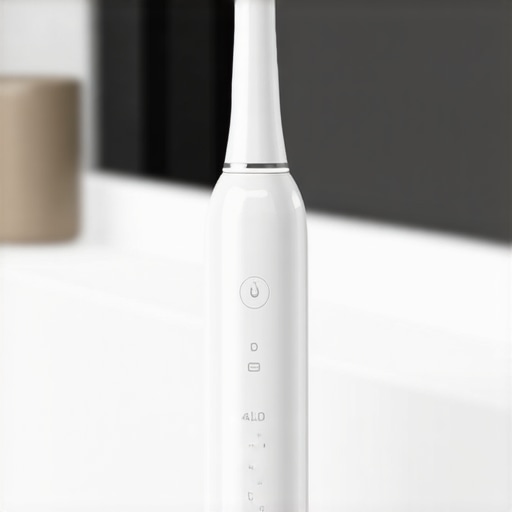
Gear up with the latest in dental technology—like a smart toothbrush equipped with pressure sensors and app connectivity—to revolutionize your oral hygiene routine. Imagine real-time feedback guiding your brushing habits for a healthier smile.
In my own experience, adopting these innovative tools has made a tangible difference. I encourage you to experiment with a high-quality Air Flosser or try a professional-grade whitening kit; these investments provide significant savings over time by preventing costly procedures. Explore trusted brands and consult your dentist about integrating smart devices; staying ahead with technology ensures your family’s smiles remain vibrant and healthy for years to come.
For more insights on maintaining your dental investments, visit this comprehensive guide. Start integrating these advanced tools today—you’ll be surprised at how much easier and more effective your routine becomes!
What Tackled My Misconceptions About Pediatric Dental Development
Seeing my child’s double rows of teeth challenged my assumptions and made me realize that many parents might Misinterpret normal eruption patterns as problems, causing unnecessary anxiety or delay. My personal lightbulb moment was understanding that early double rows often resolve naturally and aren’t always signs of orthodontic failure, highlighting the importance of patience and expert consultation.
Uncovering the Power of Proactive Dental Care
taking the initiative to schedule regular check-ups and embracing preventive routines can preempt many dental concerns. My discovery was that consistent oral hygiene, combined with early assessments, often prevents more invasive procedures later on. Foundational habits truly shape a child’s lifelong dental health, reminding me of the value in early engagement rather than reactive fixes.
Embracing Cutting-Edge Solutions for Growing Smiles
Learning about non-invasive orthodontic options like space maintainers or early Invisalign interventions opened my eyes to less daunting pathways to proper alignment. My experience showed that, when caught early, these methods are comfortable and effective, emphasizing the importance of seeking expert advice before jumping to invasive options. Staying informed about technological advancements can be a game-changer in children’s orthodontic journeys.
Why I Now Trust Specific Resources and Tools
Resources like Family Dentistry Guides and trusted brands for whitening kits and oral devices have become my go-to references. They provide credible, research-backed insights that help me make informed decisions, reducing the guesswork in managing family dental health. Investing in quality tools and knowledge empowers me to support my family’s smiles effectively.
Join Me in Making Dental Care a Family Priority
The journey of understanding and nurturing my child’s dental development has been enlightening, filled with practical lessons and breakthroughs. I encourage you to embrace early assessments, leverage the latest technology, and trust reliable resources. Your proactive approach today can lead to healthier, happier smiles tomorrow—so don’t hesitate to start or refine your family’s dental routine now.
Have you ever experienced a surprising dental milestone with your child that changed your perspective? Share your story or questions below—I’d love to hear your experiences and support you on your family dental care journey.