
Why your teeth hurt when you use a straw
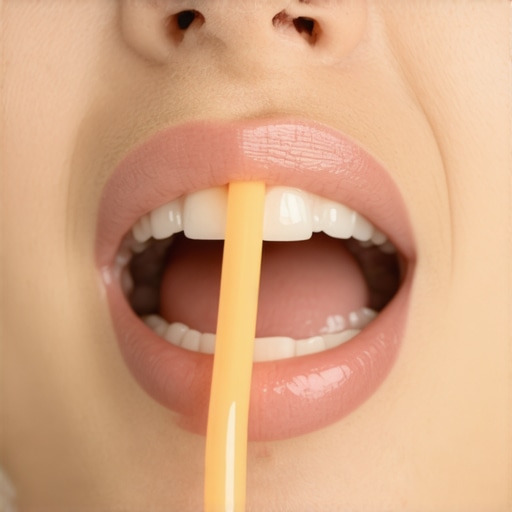
I remember the moment vividly. I was at a family barbecue, sipping my iced tea through a straw, blissfully unaware of the prickling pain suddenly stabbing my teeth. It caught me off guard—my teeth, which I thought were healthy, now felt sensitive and sore every time I used a straw. Initially, I brushed it off, thinking it was just a temporary thing. But soon, the discomfort became persistent, and I knew I had to figure out what was going on. That lightbulb moment led me into the world of dental health, and I want to share what I discovered, so you don’t have to go through the same confusion.
Getting to the Root of Straw-Induced Tooth Sensitivity
Ever wondered why something as simple as sipping your favorite cold drink with a straw can cause such discomfort? I promise, you’re not imagining it. Many people face this issue, and it’s often linked to underlying dental conditions or our lifestyle choices. Understanding why this happens is the first step toward relief and protecting your smile. Once I started paying attention, I realized that my teeth’s response to straws was a red flag pointing to broader dental health concerns. In fact, an article by the American Dental Association highlights that tooth sensitivity affects a significant portion of adults—up to 30%—and can be triggered by hot, cold, sweet, or acidic foods and drinks, including those sipped through straws. Recognizing the cause is essential, and luckily, most issues are manageable with the right approach.
Is Using a Straw Actually Worth the Hype?
In my early days, I made the mistake of assuming that switching to a straw was the magic fix for stained teeth or to prevent future discoloration. But I soon realized that not all straws are created equal, and overusing them without addressing the root cause of sensitivity might do more harm than good. It’s tempting to think that a straw shields your teeth from staining or damage, but if your teeth are already sensitive, frequent use could aggravate the problem. This realization made me cautious. If you’re like me, and curious whether straws are a helpful tool or a hidden hazard, you’re not alone. My advice is to evaluate your dental health first—sometimes a simple change in technique or an upgrade to your dental routine can make all the difference.
For instance, I learned that using a wide, smooth straw and avoiding sipping on very cold or acidic drinks can reduce discomfort. But if the pain persists, it might be time to consult a dental professional or explore preventive treatments. Also, I wish I had paid more attention early on; neglecting these signs may lead to more serious problems like enamel erosion or gum recession. If you’ve been battling this issue, don’t ignore it! Instead, check out trusted resources such as the ultimate guide to teeth whitening options in 2025 for tips on maintaining your smile’s health and beauty.
Now that we’ve uncovered why this pain happens, let’s move on to practical steps to prevent and manage this sensitivity, so your favorite drinks stay enjoyable without the discomfort.
**Would you agree that this issue has impacted your daily routine? Or is this the first time you’re hearing about it? Whatever your experience, understanding the cause is just the beginning—stay tuned for actionable tips that can help you sip confidently again!**
Switch to an Optimal Straw Design
Choose a wide, smooth, and BPA-free straw to minimize friction against sensitive teeth. I once replaced my thin plastic straw with a thicker silicone one, which significantly reduced discomfort when sipping cold drinks. This simple change prevented sharp sensations and made my favorite beverages enjoyable again.
Pick the Right Material
Look for straws made from stainless steel or silicone—they are gentler and easier to clean. When I switched, I used a stainless steel straw for my iced coffee, noticing that the smooth surface didn’t scrape my gums or enamel, unlike my previous rigid plastic straw.
Adjust Your Drinking Habits
Limit sipping on very cold or acidic drinks through a straw. Instead, let your beverage sit for a moment to reach room temperature, reducing thermal shock to your teeth. I learned this technique during my early sensitivity days, which helped diminish discomfort without sacrificing my iced drinks.
Aim for Gentle Drinking Techniques
Tip the glass slightly and sip slowly, keeping the liquid away from the gum line. This reduces direct contact with exposed dentin or enamel erosion areas. Once, I tilted my glass and slowly sipped, and found that it prevented the cold from triggering my sensitivity.
Maintain Consistent Dental Care
Use desensitizing toothpaste containing potassium nitrate or stannous fluoride. I incorporated such toothpaste into my daily routine, which gradually lessened my pain during cold beverages. Consistent brushing and flossing also prevent plaque buildup that can worsen sensitivity.
Schedule Regular Dental Check-ups
Visit your dentist at least twice a year to identify and treat underlying issues like enamel erosion or gum recession. During my last check-up, my dentist applied fluoride varnish, which temporarily sealed exposed dentin and provided immediate relief.
Consider Professional Treatments
If sensitivity persists, ask your dentist about options like in-office desensitizing treatments, bonding, or veneers. I personally underwent a quick veneer procedure for a chipped tooth, which not only improved aesthetics but also eliminated cold sensitivity in that area.
Stay Informed and Prepared
Adopt healthy lifestyle habits—avoid acidic foods frequently, and don’t brush immediately after consuming them to protect your enamel. Reading more about dental options, such as veneers vs. crowns, helped me understand solutions suitable for my sensitivity issues.
By implementing these targeted actions, you can significantly reduce or eliminate discomfort caused by sipping through a straw. Remember, every step counts in preserving your dental health and enjoying your favorite drinks without pain.
Veneers: The Overlooked Reality Behind the Glamour
Many believe that veneers are a one-size-fits-all quick fix for a perfect smile, but this is a misconception. The common myth is that veneers can mask all dental imperfections permanently, yet they require careful patient selection, proper preparation, and understanding that they are a cosmetic solution, not a health fix. Overstuffed expectations can lead to dissatisfaction or irreversible damage if the process isn’t properly managed. For example, placing veneers on misaligned teeth without correction can result in an unnatural appearance or bite issues. Learn the differences between veneers and crowns to better understand what suits your needs. Don’t fall for the trap of thinking they are a universal answer; instead, consult with an expert for personalized advice.
Teeth Whitening Techniques That May Do More Harm Than Good
Everyone talks about whitening as if it’s just about shiny results, but many underestimate the risks involved. Over-the-counter products often promise quick solutions, but they might contain harsh chemicals that can erode enamel or cause increased sensitivity. A common mistake is overusing whitening trays or strips, which can lead to uneven coloration or damage. Advanced whitening procedures supervised by professionals use controlled whitening agents and protect your oral tissues—something DIY methods can’t guarantee. For insightful tips on safe and effective whitening options available in 2025, check out our comprehensive whitening guide. Remember, whitening is a balance—pick the wrong approach, and you might spend more time repairing damage than enjoying a brighter smile.
Family Dentistry Often Fights Its Own Misconceptions
It’s easy to assume that family dentistry only focuses on kids or basic cleaning, but in reality, it’s an intricate practice that caters to all ages with specialized care. A prevalent myth is that the same routine works for everyone; however, children, teenagers, and seniors have different dental needs. Additionally, many underestimate the importance of preventive care for the entire family, including regular check-ups, fluoride treatments, and early interventions. For instance, early detection of misalignments or cavity risk can save substantial discomfort and expense later. To ensure your loved ones receive the best care, explore this comprehensive guide to family dentistry. An advanced understanding of familial dental needs fosters healthier habits across generations.
Invisalign Myths You Should Burn Today
Invisalign is praised for discreet alignment, yet many misconceptions cloud its reputation. The biggest myth: it is only suitable for minor corrections. In fact, recent innovations allow for complex cases, but it’s crucial to understand that success largely depends on proper planning and patient compliance. Some think Invisalign works without discipline—forgetting that attaching aligners diligently and wearing them for 20-22 hours daily is essential. Overconfidence or misunderstanding can jeopardize treatment timelines and results. A common error is attempting to hasten treatment by skipping aligner changes or removing trays prematurely. For an advanced insight into how Invisalign is evolving in 2025, visit this pinpoint discussion of innovations. Aligners promise convenience, but only if you understand and respect the complexity involved. Have you ever fallen into this trap? Let me know in the comments.
Keeping Your Dental Work in Top Shape with Advanced Tools
Achieving a flawless smile is only part of the journey; maintaining it over time requires the right tools and routines. I personally rely on a combination of high-quality equipment and software to ensure my veneers, teeth whitening, and Invisalign treatments stay effective and long-lasting. Electric toothbrushes with timers and pressure sensors are a game-changer. I recommend the Oral-B Genius X because its intelligent sensors help me brush thoroughly without damaging my enamel or gums. The smart technology tracks my brushing patterns and provides real-time feedback via an app, ensuring comprehensive cleaning without overdoing it.
How do I maintain my smile’s brilliance over time?
One of my favorite tools is the professional-grade whitening kits I use every few months. They contain custom-fitted trays and controlled whitening agents that protect my enamel while keeping my teeth bright. To preserve the results, I also use an air-floss device like the Waterpik Sonic-Fusion, which combines water flossing with brushing, reaching those hard-to-clean spots around braces or veneers. Regular use of such devices significantly reduces plaque buildup, ensuring my restorations last longer.
When it comes to aligners, I’ve adopted specialized cleaning tools like the Invisalign Cleaning Crystals. These keep my trays clear and fresh, preventing staining and germs. Integrating these tools into my daily routine has contributed to smoother treatment and better oral health overall.
The Future of Dental Maintenance: Smart and Personalized Care
Looking ahead, I predict that dental maintenance will become increasingly integrated with AI and IoT technology. Devices will provide more personalized insights, reminding us when to replace tools or schedule checkups. For example, smart toothbrushes will analyze plaque and enamel health, guiding us to improve our techniques. Additionally, advancements in remote monitoring by dentists will allow for quicker interventions, reducing the risk of complications.
Implementing advanced tools now sets a strong foundation for this future. I encourage you to try integrating a smart toothbrush or professional whitening kit into your routine—small changes today can prolong your smile’s radiance for years to come.
What steps can you take today to boost your smile maintenance game?
Start by investing in a high-quality electric toothbrush and scheduling regular professional cleanings. Remember, the key to long-term success is consistency. For personalized advice on your dental care, don’t hesitate to reach out to your dentist. Keep your tools updated, stay informed on the latest innovations, and watch your smile thrive well into the future!
For an in-depth look at upgrading your orthodontic care, explore the breakthroughs shaping Invisalign in 2025.
What I Learned About Veneers, Teeth Whitening, Family Dentistry, and Invisalign That Changed My Approach
One of the hardest lessons I uncovered was realizing that no single dental solution is a magic wand overnight. It’s tempting to think that veneers or whitening treatments alone can resolve all concerns, but true progress depends on a tailored plan that considers your unique needs and lifestyle.
Another insight was understanding the importance of early prevention. Regular visits to your family dentist aren’t just about cavities—they can spot subtle issues like enamel erosion or gum recession before they escalate, saving you discomfort and expense down the line. I wish I had prioritized these check-ups sooner.
The third revelation was embracing the long-term commitment of orthodontic innovations like Invisalign. It’s not just about an invisible aligner; it’s about patience, consistency, and understanding that perfecting your smile is a journey, not a quick fix.
Finally, I learned that maintaining my dental work is as critical as the initial procedures. Investing in quality tools and staying well-informed about advancements ensures my smile stays radiant and healthy. Remember, your dental health is an ongoing story—be proactive and seek the best care possible.