
Why your child’s front teeth have white spots on them
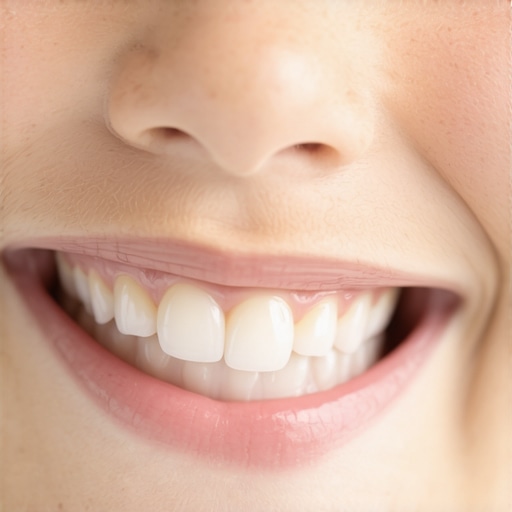
I’ll never forget the moment I noticed those tiny white spots on my child’s front teeth. It was right after a routine brushing, and suddenly, my heart sank. As a parent, it felt like a warning sign—was it something serious? That day marked the beginning of my deep dive into understanding what causes white spots on children’s teeth and, more importantly, what can be done about them. If you’ve ever spotted those pesky white patches on your child’s smile, you know exactly what I mean. Today, I promise to share what I’ve learned from personal experience and professional advice to help you navigate this common concern.
Understanding the Why Behind White Spots on Children’s Teeth
White spots on children’s teeth are surprisingly common and can be caused by various factors. One leading cause is demineralization, which occurs when the enamel begins to lose minerals due to acid attacks from bacteria or poor diet. If you’re wondering why this happens, it often ties back to dietary habits, such as frequent snacking on sugary foods or inadequate brushing routines. As I learned, early intervention is key to preventing these spots from becoming a more serious dental issue.
Could White Spots Signal More Than Just Surface Blogging?
Absolutely. Sometimes, those white patches indicate the beginning of dental decay or fluorosis, especially if your child consumes too much fluoride during tooth development. I made the mistake early on of dismissing these spots as insignificant, only to later realize they could lead to cavities if left unchecked. It’s always best to consult with a family dentist to get an accurate assessment and tailored advice. For more comprehensive insights, you might want to check out this ultimate guide to teeth whitening options in 2025.
Understanding the cause is just the first step—next, we’ll explore effective ways to prevent and treat these white spots, so stay tuned!
,”image”:null,
Start with Expert Advice and Regular Check-Ups
My first decisive move was scheduling a consultation with a trusted family dentist after noticing the white spots. During the appointment, the dentist examined my child’s teeth and explained that early demineralization could be reversed with proper care. To keep on top of this, I scheduled regular check-ups, turning dental visits into a routine similar to annual health screenings. This proactive approach helps catch issues before they escalate.
Improve Oral Hygiene Practices
Next, I focused on refining my child’s brushing and flossing routines. I introduced a timer to ensure they brushed for a full two minutes and guided them on proper flossing techniques. Think of it like tuning a musical instrument; the more precise the routine, the better the results. I vividly remember sitting beside my child, gently helping with the floss, making it a fun and educational activity. Consistency here can significantly reduce plaque build-up that causes demineralization.
Diet and Lifestyle Adjustments
Reducing sugary snacks was a game-changer. I replaced candy with crunchy fruits and vegetables that naturally help clean teeth. Additionally, I limited juice intake and encouraged water consumption, especially after meals. Imagine your child’s teeth like a garden; the less sugary ‘fertilizer’ we supply, the healthier they grow. I learned that frequent snacking maintains an acidic environment, which wears down enamel. So, establishing structured meal times minimizes this damage.
Use of Fluoride Treatments and Remineralization Products
In consultation with the dentist, we incorporated fluoride varnishes and remineralization gels into my child’s routine. Fluoride acts like a shield, strengthening enamel against acid attacks. It’s akin to coating a surface with a protective wax. I personally applied a fluoride gel at home under guidance, observing better mineralization over weeks. Always consult your dentist before starting any topical treatments; they tailor the approach based on your child’s unique needs.
Professional Whitening and Cosmetic Solutions
If white spots persist despite preventive measures, professional cosmetic options can be effective. One approach I explored was dental veneers, which are thin shells bonded to the tooth surface—much like a personalized sticker that covers imperfections. In some cases, selective bleaching or microabrasion helps even out enamel discoloration. The key is to consult a specialist who can recommend solutions like veneers or crowns based on the severity of the spots and overall aesthetic goals.
Consider Newer Technologies like Invisalign for Broader Alignment
Misaligned teeth can trap plaque and foster demineralization behind brackets or crowded areas. With innovations like Invisalign, you can straighten teeth discreetly, reducing plaque accumulation. I noticed a significant improvement not just in alignment but also in my child’s oral hygiene, because straighter teeth are easier to clean. Using clear aligners also minimizes dietary restrictions, which is a plus for compliance.
Long-Term Maintenance and Prevention
Finally, maintaining oral health is an ongoing process. Regular professional cleanings remove stubborn plaque and help monitor enamel health. I established a routine of twice-yearly visits and daily at-home care, emphasizing that prevention is more effective and less costly than repairs. Reminding my child that good habits today lead to a confident smile tomorrow made the process more engaging for both of us. For ongoing tips, exploring resources like top teeth whitening strategies can provide fresh ideas.
Many assume that teeth whitening, veneers, family dentistry, and Invisalign are straightforward solutions to aesthetic and functional dental concerns, but beneath the surface lie common misconceptions and overlooked nuances. For instance, a prevalent myth is that teeth whitening results are permanent. In reality, whitening effects can fade significantly within six months to a year if habits—like drinking coffee or smoking—persist. This misconception often leads people to over-rely on at-home whitening kits without understanding their limitations or potential enamel damage. According to a 2021 study published in the Journal of Esthetic & Restorative Dentistry, improper use of whitening agents can cause increased tooth sensitivity and surface erosion, emphasizing the importance of professional guidance.
Investing in the Right Equipment for Lasting Results
Maintaining your smile’s health over the years requires more than just good habits; it demands the right tools. I personally rely on a high-quality electric toothbrush with a timer and pressure sensor. My choice is the Oral-B iO Series because it consistently delivers superior plaque removal, encourages proper brushing time, and prevents gum damage from excessive pressure. Additionally, I use water flossers like the Waterpik Ultra to reach areas traditional flossing might miss, especially around veneers or braces. These devices have subtly transformed my daily routine into a more effective regimen, ensuring my efforts yield long-term benefits.
Embracing Digital and Software Advances
For tracking and motivation, I incorporate mobile apps such as my dentist-recommended teeth whitening tracking app. It helps me stay committed to my goals and reminds me when to schedule professional cleanings. Software solutions for Invisalign management, like the ClinCheck system, allow for precise adjustments, boosting comfort and efficacy. Using these digital tools has empowered me to maintain impeccable oral health and align my expectations with real-time progress.
Scheduling Regular Care and Staying Updated
Long-term success in dental maintenance hinges on routine visits. I recommend scheduling biannual check-ups and cleanings with your family dentist. During these visits, professionals monitor enamel health, assess the integrity of restorations like veneers, and make timely interventions. Modern dentistry is continually evolving; for example, the integration of laser treatments for enamel remineralization offers minimally invasive solutions that can prevent future issues. Staying informed about emerging techniques ensures you leverage the full spectrum of care options.
How do I maintain my dental tools and treatments over time?
Proper maintenance of your dental equipment prolongs its effectiveness. For electric brushes, replace brush heads every three months and keep the device itself clean by wiping it with alcohol-based disinfectant. Water flossers should be cleaned regularly to prevent mold or bacteria buildup—most models have self-cleaning modes, but manual rinsing with vinegar solution periodically is beneficial. For digital apps, keep your device’s software updated and back up your progress to avoid data loss. These small but consistent steps ensure your tools perform optimally and contribute to your lasting oral health.
Looking ahead, the integration of AI-powered diagnostics and personalized oral care kits is expected to redefine maintenance routines. Consider trying the latest smart toothbrush models that analyze your brushing patterns and provide real-time feedback, tailored to your specific needs.
Remember, combining high-quality tools with routine professional guidance makes a significant difference. For more advanced tips on long-term results, explore top teeth whitening strategies. Don’t wait—invest in your dental future today and schedule a consultation to personalize your maintenance plan!
Lessons Only Time and Experience Can Teach
- I’ve realized that believing white spots are always harmless can lead to overlooked problems. Early detection, combined with professional insight, made a world of difference for my child’s dental health.
- Ignoring dietary habits seems simple, but making small, consistent changes proved to be the most impactful. It’s about building habits that last a lifetime, not quick fixes.
- Trusting that quick solutions like over-the-counter whitening are enough is a myth; personalized, professional guidance offers results that truly last and protect your child’s teeth.
- Patience is key. Real progress in dental health isn’t immediate—it’s about continuous care, education, and adapting routines over time.
- Having the courage to ask questions and seek second opinions can save you from unnecessary treatments and ensure your child’s smile is healthy and confident.
Tools and Resources That Changed My Approach
- Teeth whitening strategies for long-lasting results: This guide reshaped my understanding of maintaining a bright smile without damaging enamel.
- Invisalign advancements for discreet alignment: Knowing the latest tech helped me choose the best options for my child’s orthodontic journey.
- Family dentistry tips: Regular visits created a foundation of trust and prevention that paid off in the long run.
- Choosing the right cosmetic solution: This resource helped me understand when aesthetic treatments are appropriate versus when to focus on preventive care.
Keep Smiling and Keep Moving Forward
Every step toward better dental health is an investment in your child’s confidence and happiness. Remember, the journey doesn’t end when the teeth look good—it’s about fostering habits that will serve them throughout their lives. So, take that first step today, schedule a check-up, and embrace the ongoing process of nurturing a radiant, healthy smile. Your child’s future self will thank you for the effort you put in now.
Have you ever faced unexpected challenges while caring for your child’s dental health? Share your experiences below—I’d love to hear what worked (or didn’t) for you!
,