
The real reason your gums look swollen around your new dental crown
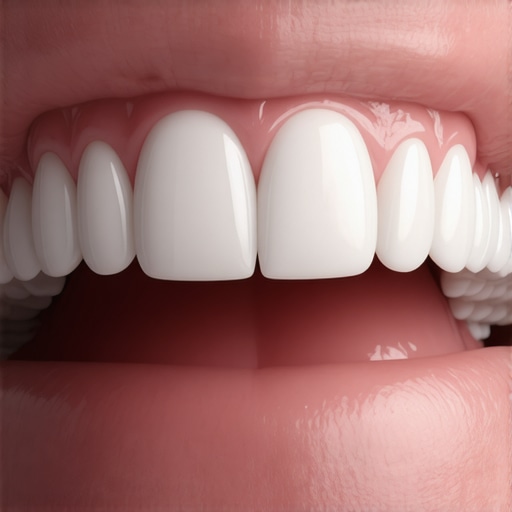
Have you ever flashed your new dental crown in the mirror only to notice your gums looking puffier than usual? I remember the moment vividly—there I was, smiling confidently at a family gathering, when suddenly I caught sight of that alarming swelling around my newest crown. At first, I thought it was just inflammation disappearing on its own, but days turned into a week, and the swelling stubbornly stayed, making me uncomfortable and self-conscious.
It was a lightbulb moment for me: I realized that swollen gums around a new crown aren’t just an innocent sign of healing. Sometimes, there’s a deeper reason that needs attention—but often, we brush it off or simply hope it will resolve on its own.
Today, I want to share what I’ve learned from my own experience—and from experts—about why your gums might be swollen around a dental crown and what you can do about it. This knowledge could save you from unnecessary discomfort or even more serious issues down the line.
Understanding the Hidden Causes of Gum Swelling After a Crown
Swelling can stem from a variety of reasons, and pinpointing the exact cause is key to proper treatment. One common culprit is irritation from the crown itself—perhaps it’s too high, pressing against your gum tissue, or not fitting perfectly, which can cause ongoing inflammation. Additionally, bacterial buildup around the margin of the crown can trigger an immune response, leading to swelling and sensitivity. Early on, I made the mistake of ignoring mild discomfort, thinking it was part of the normal healing process. But ignoring these signs can lead to infection or gum disease.
It’s essential to understand that swelling isn’t always just a temporary thing—it can indicate an underlying problem requiring professional attention. Recognizing the signs early can make a huge difference in preserving your oral health. For more insights, I highly recommend checking out this comprehensive guide on [why your gums feel sore after changing your dental crown](https://smilegumcare.com/why-your-gums-feel-sore-after-you-change-your-electric-toothbrush-head), which explains the typical reactions your tissue might have.
If you’re experiencing persistent swelling, don’t wait it out. Consulting with your dentist can prevent minor issues from escalating into more complex complications. Now, let’s dive deeper into how to identify when swelling is normal healing and when it’s a sign you should see a professional.
Identify the Root Cause
Inspect for Fit and Irritation
Recall the time I noticed my gums swelling—first, I checked if the crown felt high or if my biting felt uneven. Using a mirror, I gently ran my tongue around the crown margin to feel for any sharp edges or misalignment. If your crown isn’t fitting snugly, it can irritate surrounding tissue. To confirm, schedule a dental appointment to have your dentist evaluate the fit—don’t attempt to adjust it yourself, as improper handling can cause more damage.
Look for Signs of Infection
If swelling persists beyond a few days or is accompanied by pain, pus, or bleeding, these are signs of infection. I remember experiencing a dull pain that worsened over time; a quick clinical check revealed bacterial buildup at the margin. Regular flossing around the crown can help remove trapped food particles, preventing bacterial growth. Use a soft-bristled toothbrush and gentle flossing techniques to keep the area clean and reduce inflammation.
Implement Immediate Self-Care Measures
Rinse with Antiseptic Mouthwash
Using an antiseptic rinse can reduce bacterial load. I swished with a warm saltwater solution (half teaspoon salt in a cup of warm water) twice daily, which helped soothe my gums and decreased swelling. For added benefit, consider an antibacterial mouthwash, but avoid alcohol-based variants that can dry out tissue.
Apply Cold Compresses for Inflammation
Applying a cold pack externally to your cheek for 10-15 minutes can constrict blood vessels and minimize swelling. I held an ice pack wrapped in a cloth against my jaw during episodes of swelling, which brought immediate relief. Remember, do not apply ice directly to skin to prevent frostbite. This step is effective for temporary relief but consult your dentist for underlying issues.
Schedule Professional Evaluation and Treatment
Visit Your Dentist Promptly
Persistent swelling doesn’t improve with self-care. When I faced ongoing discomfort, I scheduled a visit at Smile Gum Care. The dentist checked for crown fit, signs of infection, and overall oral health. During the consultation, they might remove or adjust the crown, perform root canal if necessary, or recommend other interventions. Ignoring symptoms can lead to periodontal disease or dental abscesses, which are more challenging to treat.
Follow Through with Recommended Procedures
If your dentist finds bacterial buildup, they might perform scaling and root planing around the crown area. Occasionally, a crown may need replacement if it’s defective or has a marginal seal failure. Trust their guidance—proper treatment is essential to prevent further complications. To keep your smile healthy post-treatment, reinforce good habits like gentle brushing and regular dental checkups. For comprehensive insights into restorative options, see Veneers vs. Crowns.When it comes to aesthetic dental treatments like veneers, invisalign, or teeth whitening, many assume that choosing the most popular or advertised option guarantees the best results. However, a common misconception is that these procedures are one-size-fits-all solutions, which isn’t true. In reality, understanding the nuances can make a significant difference in your satisfaction and long-term oral health.
Why Believing More Is Always Better Can Lead You Astray
Many patients believe that opting for the most extensive or expensive treatment guarantees superior outcomes. For example, some think that veneers are always the ultimate fix for a perfect smile, but in my experience, less invasive options like composite bonding can sometimes achieve similar aesthetic results with fewer risks. It’s critical to consider your unique dental structure, habits, and even personal preferences before jumping into a treatment. To understand the right choice for you, explore this detailed comparison of veneers and crowns, which emphasizes the importance of personalized treatment planning.
The Biggest Trap: Overlooking the Long-Term Maintenance
Most people focus on the immediate visible results but forget about maintenance and potential complications down the line. For instance, teeth whitening can be a quick fix, but if improperly used or selected without considering your enamel’s health, it can lead to increased sensitivity or even damage. A study by the American Academy of Cosmetic Dentistry highlights that overuse of bleaching agents can cause irreversible enamel erosion. Be wary of products or treatments that promise rapid results without considering the health of your teeth. Regular professional evaluations are essential to ensure your smile remains healthy and vibrant over time.
Understanding the advanced aspects of these treatments involves assessing your specific needs and risks rather than simply following popular trends. For example, a treatment suitable for one person might not be ideal for another due to differences in bite mechanics, enamel thickness, or age-related factors. When considering options like invisalign, remember that compliance and wearing times are crucial for effective results. Dive into expert tips on transforming your smile with veneers to get a comprehensive grasp of personalized planning.
Have you ever fallen into this trap? Let me know in the comments and share your experiences or questions about choosing the right dental aesthetic treatments.Maintaining your dental work over the long term requires more than just good habits; it involves using the right tools and methods that stand the test of time. I personally rely on specialized equipment and professional-grade products that ensure my veneers, Invisalign aligners, and whitening treatments deliver optimal results beyond initial applications. For example, I swear by ultrasonic toothbrushes like the Philips Sonicare FlexCare, which effectively remove plaque with gentle yet powerful vibrations—crucial for keeping veneers and crowns free of bacterial buildup and preventing gum swelling. Regularly using high-quality interdental cleaners, such as the TePe Interdental Brushes, allows me to reach areas that standard floss might miss, especially around tricky surfaces like veneers or orthodontic attachments. Additionally, incorporating professional-grade whitening pens like the GLO Science GLO Styler helps me maintain that bright smile without frequent visits to the dentist, saving both time and money. Looking ahead, I believe the future of dental maintenance will pivot toward smart technology—integrating Bluetooth-enabled toothbrushes that sync with apps to give real-time feedback and personalized recommendations, making home care more effective than ever.
How do I keep my dental treatments working long-term?
For sustained success, schedule regular checkups—typically every six months—to catch potential issues early. During these visits, professionals can perform thorough cleanings, evaluate the fit of your veneers or crowns, and adjust your Invisalign aligners if needed. Embracing an integrated approach, combining advanced tools like water flossers such as the Waterpik Sonic-Fusion with daily routines, can dramatically improve your oral health. Remember, even the best cosmetic treatment can falter if maintenance is neglected; therefore, investing in quality tools and staying consistent is key. For more detailed guidance on selecting the right products, check out the comprehensive “Veneers Made Simple” guide, which emphasizes the importance of long-term upkeep here. Don’t be afraid to embrace innovation—try adding a smart toothbrush to your routine and see how it transforms your dental care efficiency. Staying proactive with reliable equipment is the secret to preserving your beautiful smile for years to come.
How I Discovered the Power of Personalized Dental Care
One of the most profound lessons I’ve learned is that no two smiles are the same, and cookie-cutter solutions rarely lead to lasting satisfaction. After countless consultations and experiments with various treatments, I realized that understanding my unique dental anatomy and habits was crucial. Trusting my dentist to tailor my veneers and Invisalign plan—rather than following flashy advertisements—made all the difference in achieving a truly natural look and comfortable feel.
The Importance of Long-Term Maintenance Over Quick Fixes
I used to believe that a bright smile was mainly about the initial results. Over time, I came to see that consistent, personalized maintenance routines—like using high-quality electric toothbrushes and interdental cleaners—are essential to prolong the benefits of veneers and whitening. The real secret is in daily care that respects your specific dental work, which I now consider the foundation of my ongoing smile health.
The Cost of Ignoring Expert Guidance
My biggest mistake was underestimating the importance of professional advice when issues arise. Small concerns, like gum swelling or minor discomfort, can signal underlying problems that only a professional can diagnose correctly. Delaying treatment or attempting DIY fixes often worsens the situation, leading to more complex and costly procedures. Collaborating closely with my dentist ensures that every treatment, whether veneers or Invisalign, stands the test of time.
Curated Resources for Genuine Smiles
To deepen my understanding, I rely on sources like Veneers Made Simple; this comprehensive guide demystifies cosmetic options and helps tailor choices to my needs. For tips on maintaining whiteness, I consult Teeth Whitening Secrets. And for insights into family dentistry, Building Healthy Smiles for Every Generation offers invaluable strategies to promote oral health for loved ones.
Remember, the journey to a captivating smile is deeply personal and ongoing. Embracing expert advice, personalized routines, and continuous learning empowers you to maintain that radiant confidence every day. Your smile is a lifelong asset—nurture it with care, curiosity, and patience.
What unexpected lesson have you learned from your dental journey? Share your story below—your insights might inspire someone else to embrace their unique smile.