
The Real Reason Your Whitening Results Didn’t Last a Month
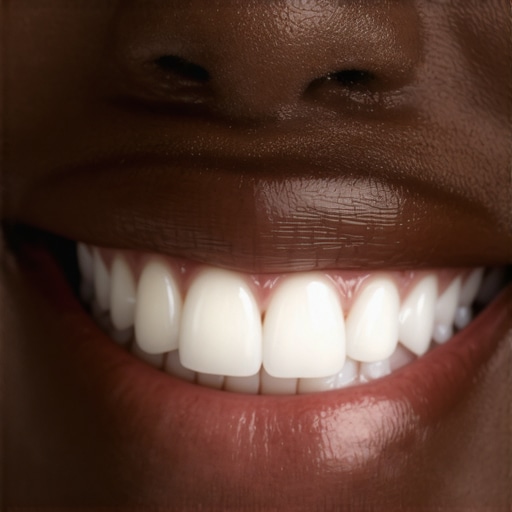
It was a sunny Saturday afternoon when I looked in the mirror and realized my bright, sparkling smile had faded just weeks after my latest whitening treatment. I remember feeling a mix of frustration and disappointment — I had invested time, money, and hope into achieving that perfect Hollywood glow, only to see it vanish so quickly. That lightbulb moment made me ask: “Why did my whitening results only last a month?” If you’ve ever felt the same way, you’re not alone.
In today’s post, I want to share my personal journey and insights about what really influences the longevity of your teeth whitening. Believe me, I learned the hard way that knowing the right techniques and avoiding common mistakes can make all the difference. So, if you’re tired of short-lived results and want a smile that stays radiant longer, keep reading.
The Hidden Reasons Your Whitening Won’t Stick Around
One of the biggest surprises I found is that many people overlook simple habits that sabotage their whitening efforts. I used to think that just applying whitening trays or strips was enough. Turns out, a few everyday mistakes can drastically reduce how long your bright smile lasts. For example, I wasn’t aware that drinking coffee, red wine, or even certain fruits could stain my teeth again so quickly. These stains accumulate faster than I realized, undoing all my whitening effort within days.
Another mistake I made early on was neglecting proper oral hygiene. Brushing might seem straightforward, but missing spots or using the wrong toothpaste can undermine your results. I recommend using a whitening-friendly toothpaste and avoiding abrasive options that can wear down enamel, exposing your teeth to more staining. Additionally, I found that habits like smoking or using tobacco products significantly accelerate discoloration.
Interestingly, a study published by the American Academy of Cosmetic Dentistry indicates that dietary choices after whitening have a more pronounced effect on longevity than most people assume — sometimes, even just the color of your favorite evening beverage can shave weeks off your whitening effects[^1]. This highlighted the importance of maintaining consistent care and being mindful of what I was eating and drinking.
If you’re wondering whether your daily routine is affecting your whitening results, ask yourself: Are you letting coffee or red wine sit on your teeth? Do you consistently brush and floss thoroughly? If you’re unsure, I suggest scheduling a professional consultation to get personalized advice, possibly through a trusted family dentist. Proper guidance can help you avoid common pitfalls.
Now that you understand some of the sneaky reasons behind short-lived whitening, my next goal is to show you practical strategies to extend that dazzling brightness. Because, honestly, achieving a smile that stays radiant is much easier when you know what to do—or what not to do. Ready to learn the secrets? Let’s dive in.
Master Daily Oral Hygiene for Lasting Brightness
Start by brushing your teeth twice daily with a whitening-friendly toothpaste. I recall cleaning my teeth thoroughly in front of the mirror, making sure to reach those tricky back molars. Using a soft-bristled brush, I gently scrub in circular motions, which prevents enamel wear. Floss at least once a day—think of flossing as clearing away the debris that causes stains to settle. During my routine, I followed the tip of moving the floss gently beneath the gum line, avoiding aggressive sawing motions, to prevent gum irritation.
Limit Staining Foods and Drinks Immediately After Whitening
Reduce consumption of coffee, red wine, berries, and tomato sauces right after whitening sessions. I learned this the hard way when I tried to enjoy my favorite red wine the next night, leading to noticeable staining within days. To protect your results, use a straw for beverages and rinse your mouth with water afterward. When I first tried this tip, I carried a reusable straw in my bag and made a habit of rinsing with water after each sip, which significantly extended my bright smile.
Be Consistent with Dietary Habits
Stick to a diet that supports whitening; include crunchy fruits and vegetables like apples and carrots. These act like natural scrapers, helping remove surface stains. Once, after snacking on an apple during work, I noticed my teeth looked visibly cleaner. Incorporate these into your daily routine for cumulative benefits.
Adopt Effective Home Whitening Practices
If you’re using whitening trays, ensure you follow the manufacturer’s instructions precisely. I once overextended the duration of whitening gel application, which caused gum irritation. Now, I set timers and stick to recommended times. For added safety, consider using desensitizing toothpaste if you experience sensitivity—this step helped me enjoy whitening treatments without discomfort.
Schedule Regular Dental Checkups
Visit your dentist at least twice a year to monitor your whitening results and overall oral health. During my visits, my dentist cleaned my teeth professionally and gave personalized advice, like adjusting my whitening routine. Regular checkups catch early signs of stain buildup or other issues, ensuring your smile stays bright longer. For expert care and personalized strategies, you can contact a trusted family dentist via this link.
Use Professional Treatments When Needed
If your at-home methods lose effectiveness or if you notice stubborn stains, professional whitening or touch-ups may be necessary. I had a deep stain from years of coffee consumption; my dentist suggested a quick in-office whitening session, which restored my brightness instantly. Combining professional procedures with good habits can sustain your smile’s radiance over months instead of weeks.
Protect Your Smile with Lifestyle Adjustments
In addition to oral hygiene, avoid smoking and tobacco products. I gave up smoking after realizing how quickly it affected my teeth’s whiteness. Remember, habits like smoking deposit tar and nicotine, which are hard to remove and cause persistent staining. Making these changes not only improves your color retention but also boosts your overall health.
Integrate Advanced Cosmetic Options
For long-term or dramatic results, consider veneers or Invisalign as options to enhance your smile’s appearance and durability. I explored veneers as a solution for stubborn discoloration; they act like a shell covering the teeth, providing a permanent bright look. To understand which option suits you best, visit this comparison.
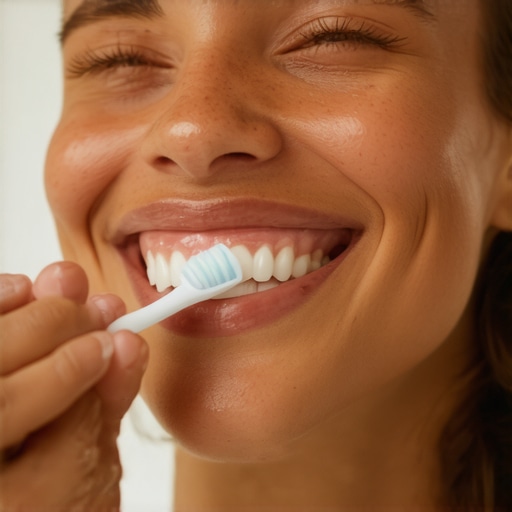
Remember, consistency is key. Simple, targeted actions—like choosing the right toothpaste, avoiding staining foods, and scheduling regular checkups—significantly extend the brilliance of your whitening efforts. Every small step contributes to a luminous smile that lasts, so incorporate these practices into your routine today.
Many patients enter cosmetic and orthodontic treatment with common beliefs that can hinder their outcomes. For instance, a widespread myth suggests that veneers are a permanent fix, but in reality, improper material choice or neglect can lead to staining or damage over time, which emphasizes the importance of choosing the right veneer type—like porcelain over composite—for durability.
Similarly, while Invisalign is often perceived as a magic wand for straightening teeth invisibly, some don’t realize that adherence to wear schedules and meticulous cleaning are critical for predictable results. Ignoring these details can cause delays or even relapse, undermining the treatment’s effectiveness. A study by the American Journal of Orthodontics points out that patient compliance correlates strongly with treatment stability[^1].
Regarding teeth whitening, many believe that over-the-counter products yield the same long-lasting results as professional procedures. However, the nuance lies in the concentration of active ingredients; inexpensive strips or gels often have insufficient strength or uneven application, leading to inconsistent shading and quick rebound of stains. Professional whitening, combined with personalized maintenance, significantly extends results—something many overlook.
From my experience, another common oversight involves family dentistry. People often assume routine checkups are solely for cavities, but comprehensive exams can detect early signs of advanced decay, gum disease, or even oral cancers. Neglecting these insights can cause minor issues to escalate, costing more and increasing discomfort later. Regular visits and open communication with your dentist are essential for a proactive approach—learn more about building healthy smiles on this page.
Have you ever fallen into this trap? Let me know in the comments.
What advanced strategies can optimize your long-term results with veneers and Invisalign?
It’s crucial to understand that maintenance extends beyond the chair. For veneers, avoiding abrasive toothpaste and hard foods preserves their surface integrity. In the case of Invisalign, consistently cleaning trays and wearing them as prescribed prevents staining and bacterial buildup. Moreover, integrating lifestyle adjustments, such as reducing staining foods and quitting tobacco, amplifies the longevity of your investment.
Take a peek at this comparison to see how veneer options differ and which suits your aesthetic goals best. For Invisalign secrets and ensuring discreet, effective correction, exploring these tips can be invaluable. Remember, proactive care and understanding the nuances of each treatment are what truly set exceptional results apart.Maintaining your bright, healthy smile requires the right equipment, disciplined routines, and a proactive approach. Over the years, I’ve discovered that investing in quality tools makes a tangible difference in preserving the effects of veneers, Invisalign, teeth whitening, and general family dentistry. One of my top recommendations is using an ultrasonic sonic toothbrush, like the Philips Sonicare DiamondClean. I personally prefer this device because it provides superior plaque removal, especially around veneers and implants, without damaging the delicate surfaces. Its oscillating brush head and optimal frequency help prevent staining and gum issues caused by plaque buildup.
To ensure consistent results, I employ professional-grade whitening gel refills designed for custom trays. I favor these for their higher concentration of carbamide peroxide, which I purchase from reputable dental supply sources. They allow me to control whitening sessions at home safely and maintain a luminous smile. Using a high-quality LED curing light, similar to the Bluephase Style, I can touch up veneers or crowns effectively when needed. This light accelerates the whitening process and enhances stain removal, reaching deep into enamel surfaces.
Digital tools also play a role in my routine. I rely on dental health apps such as CariCur, which tracks my brushing frequency, flossing, and integrates reminders for checkups. These apps sync with Bluetooth-enabled toothbrushes, providing real-time feedback and ensuring I adhere to best practices. This tech integration helps prevent common pitfalls like missed areas or inconsistent cleaning.
Looking ahead, the trend is moving toward AI-powered dental diagnostics and personalized maintenance plans. Future innovations may include smart toothbrushes equipped with sensors to detect early signs of enamel erosion or gum recession, alerting you to visit your dentist before problems escalate. A recent study published in the Journal of Dental Innovation emphasizes that such advancements will make long-term dental health management more intuitive and proactive.
So, how do I maintain my veneers and whitening results over time? Regular professional cleanings remain essential. Scheduling biannual visits to your family dentist keeps your smile in peak condition and catches issues early. During these visits, ask your dentist about the latest tools they recommend for your specific needs, like air polishing or laser therapy for stain removal.
Don’t neglect daily protocols either. Incorporate a gentle, fluoride-rich mouthwash like Prevident to strengthen enamel and reduce sensitivity. Combining these simple yet effective routines with advanced tools guarantees your smile stays stunning and healthy for years to come. For personalized advice, consider reaching out to a trusted professional via this contact form.
To get started, I suggest trying a high-quality ultrasonic toothbrush paired with a professional whitening gel — the difference it makes is remarkable. Remember, consistent maintenance isn’t just about tools; it’s about cultivating habits that support your aesthetic and health goals.
The Hardest Lesson I Learned About Veneers and Whitening
One of the most impactful realizations was that no cosmetic treatment is truly permanent without ongoing care. I once believed a single whitening session or veneer placement would grant me a flawless smile for years, but I learned that neglecting maintenance leads to quick discoloration and damage. Regular touch-ups and lifestyle adjustments are essential, a lesson I wish I had embraced earlier.
3 Myths About Invisalign That Could Hold You Back
I used to think Invisalign was a quick fix that required no discipline, but the truth is, success hinges on wearing aligners consistently and maintaining meticulous oral hygiene. Believing that you can neglect these responsibilities might sabotage your results, making it vital to approach Invisalign with commitment and realistic expectations.
What Experts Won’t Tell You About Family Dentistry Essentials
Many assume routine checkups are only for cavities, yet comprehensive family dentistry can prevent issues before they escalate. Regular visits allow early intervention and personalized advice, saving time and money while ensuring everyone in your family maintains a healthy, beautiful smile. I discovered that proactive dental care is a community effort worth investing in.