
The Real Reason Your Veneers Feel Heavy in Your Mouth
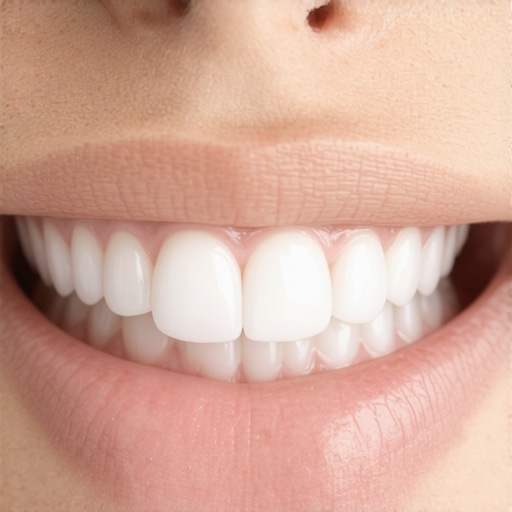
I remember the moment clearly—the first time I noticed my veneers feeling uncomfortably heavy, like I had a foreign object glued to my teeth. It was unsettling. I couldn’t bite into an apple without feeling a strange weight, and I wondered if I had made a mistake in getting them done. That lightbulb moment made me realize I wasn’t alone in this experience, and more importantly, I discovered there’s a lot more to this heaviness than just the veneers themselves.
Why Do Veneers Sometimes Feel Heavy and Unnatural?
Many people, myself included, are surprised to find that after getting veneers, they sometimes experience a sensation of heaviness or bulkiness in their mouth. This isn’t just in your imagination. It often results from the additional thickness of the veneer material, which, if not properly designed and placed, can make your teeth feel larger or different. Over time, your brain adapts, but that initial discomfort can be distracting—and even discouraging. Knowing the root of this sensation can help you navigate your options and work towards a more comfortable smile.
The Biggest Skepticism: Are Veneers Really Worth All This?
If you’re like me, you might worry, “Is all this heaviness a sign I shouldn’t have gone for veneers?” I made that mistake early on—believing that veneers would feel just like natural teeth and not appreciating how their thickness could impact comfort. It’s common to assume that veneers are seamless and weightless, but the truth is, not all dental professionals prioritize the refinement of thickness and fit enough. To avoid that, I recommend choosing an experienced cosmetic dentist. They know how to craft veneers that look stunning AND feel natural. For more insights on selecting the right professional, check out this guide to veneers.
Understanding this aspect is crucial—it’s not just about aesthetics but also about function and comfort. Now that I’ve shared my early mistake, let’s move on to how you can identify whether this heaviness is temporary or if there’s a deeper issue at play. Rest assured, there are practical steps to help you regain that natural feeling in your mouth.
Evaluate Your Current Veneer Fit and Thickness
Start by assessing whether your veneers are properly fitted. If they feel overly bulky, it might be due to excessive thickness or improper contouring. Recall a time I noticed my veneers felt strange—I gently tried to compare their size to natural teeth, noticing they seemed larger than expected. This personal experience taught me to examine the fit closely. Request your dentist to check the thickness, especially in the regions where heaviness is noticed. If they are too thick, ask about the possibility of refining or replacing them for a more natural feel.
Consult an Experienced Cosmetic Dentist
Seek out a professional who specializes in cosmetic procedures because skill and experience significantly influence comfort. When I finally visited a highly-rated dentist, they meticulously examined my veneers and confirmed that some areas could be polished down for a better fit. To find the right specialist, look for reviews and specific experience with veneer adjustments. You can explore options in your area through resources like this guide to veneers.
Assess Your Bite and Occlusion
Proper alignment ensures even distribution of chewing forces, preventing sensation of heaviness. To do this, gently bite down and observe if one side feels heavier or if there’s a tendency to bite unevenly. I remembered a morning when I noticed discomfort on one side, prompting me to ask my dentist to check my occlusion. Misalignments can cause veneers to feel bulky or uneven. An adjustment or recontouring might be necessary to achieve a smooth, comfortable bite.
Consider a Dental Recontouring Procedure
This involves carefully removing tiny amounts of material from your veneers or natural teeth to improve fit and comfort. I experienced this firsthand—my dentist used a fine diamond bur to subtly polish and reshape my veneers, reducing bulkiness. It’s a precise process that requires expertise; therefore, always ensure your dentist is skilled in cosmetic recontouring. This step can significantly diminish that heavy feeling, returning your smile to a more natural state.
Adjust Daily Oral Habits to Support Comfort
Incorporate gentle chewing methods and avoid hard or sticky foods that put extra stress on your veneers. For instance, I started cutting apples into smaller pieces instead of biting directly, which reduced unnecessary pressure. Additionally, maintain excellent oral hygiene to prevent gum or tissue inflammation that could exacerbate discomfort. Regular cleaning and gentle flossing — especially around veneer edges — help maintain overall comfort and longevity.
Monitor and Follow Up for Lasting Results
Finally, keep track of your sensation over time. If heaviness persists, schedule a follow-up appointment promptly. During my experience, regular check-ins allowed my dentist to fine-tune the fit, ultimately resolving the heaviness. Remember, subtle adjustments can make a big difference in restoring a natural, pain-free feeling in your mouth. Using professional guidance ensures you don’t endure discomfort unnecessarily, making your veneer experience a positive one from start to finish.
Many individuals believe that cosmetic and family dental treatments are straightforward fixes, but the truth is, there’s a hidden nuance that often gets overlooked. For instance, a common misconception about veneers is that they are purely aesthetic and require no consideration of functional nuances. In reality, the success of veneers depends heavily on precise placement and the underlying tooth health, which many overlook, leading to complications down the line.
Similarly, when it comes to Invisalign, many think it’s just about aligning teeth invisibly, but advanced users understand that properly managing their aligners involves understanding the subtleties of bite dynamics and material wear. Ignoring these can lead to extended treatment times or suboptimal results. You can explore the latest innovations and expert strategies in this detailed guide to Invisalign.
In the realm of teeth whitening, there’s a myth that over-the-counter products are just as effective as professional whitening. Yet, studies show that professional treatments offer not only faster results but also reduce the risk of sensitivity and uneven coloring. A common mistake is choosing cheaper options that contain abrasive agents, which can harm enamel over time. For a comprehensive understanding of safe whitening methods, check this expert review on teeth whitening strategies.
When discussing family dentistry, many perceive it as just routine cleanings and checkups. However, the real nuance lies in preventive care tailored for every age group, considering the unique risks at different life stages. Many parents accidentally delay essential interventions, risking future dental issues. For insights on creating a comprehensive family dental routine, see this resource on family dental care essentials.
An advanced consideration across all these treatments involves understanding their long-term sustainability. For instance, improper veneer placement or neglecting Invisalign retention can lead to shifting teeth years later. Recognizing these hidden pitfalls is essential for maintaining a beautiful, healthy smile long-term. If you’re curious about avoiding these common mistakes, dive into this comparison of veneers and crowns.
Remember, superficial fixes are tempting but missing the underlying nuances can cost much more in future dental work. Have you ever fallen into this trap? Let me know in the comments! Ensuring you understand these subtle yet critical details empowers you to make informed decisions and achieve the best possible outcomes for your smile.
Keep it Working with Precision Tools and Methods
Achieving and maintaining a healthy, beautiful smile isn’t just about the initial procedures—it’s about consistent upkeep using the right tools and techniques. After years of experience in family dentistry and cosmetic treatments, I’ve identified specific equipment and software that truly make a difference. These tools help monitor, adjust, and enhance dental health over time, ensuring your investment pays off long-term.
One essential device I personally rely on is the Cerec same-day CAD/CAM system. This technology allows for precise shade matching, custom veneer fabrication, and quick adjustments during appointments. Its accuracy minimizes the need for revisions and reduces discomfort. Moreover, its digital impressions eliminate messy moldings, making the entire process more comfortable for patients. I often recommend this to clients looking to maintain their veneers or plan for future enhancements without hassle.
Complementing the hardware, software solutions like Dental Monitoring are game-changers. This AI-powered platform enables remote tracking of oral health progress. Patients can upload intraoral scans or images from their smartphones, allowing me to assess compliance and identify issues before they escalate. This proactive monitoring is especially valuable for Invisalign wearers, ensuring aligners function optimally and treatment stays on track. Usage of this software boosts long-term results and prevents costly corrections.
For teeth whitening, I suggest incorporating professional-grade kits like the Sapphire LED whitening system. Unlike generic over-the-counter products, these systems combine targeted light therapy with high-concentration gels, delivering faster and safer results. As I always tell my patients, protecting your enamel is crucial; therefore, using reputable, dentist-recommended supplies is non-negotiable. Regular use of such tools maintains that dazzling smile and prevents staining buildup—especially important for heavy coffee drinkers and those with veneers.
Looking forward, I believe the integration of advanced digital planning tools like Invisalign will continue to evolve. 3D imaging and AI predictions will enable even more personalized and efficient treatments, reducing appointment times and improving comfort. As these innovations become more widespread, your ability to sustain a perfect smile will only improve.
How do I maintain my smile over time?
Regular check-ups with a focus on detailed monitoring are paramount. My go-to protocol involves annual digital scans, which I review alongside patients. This habit uncovers potential issues early, whether it’s marginal veneer wear, minor alignment shifts, or early staining. Combining technology with personalized care fosters long-term success.
To maximize results, I recommend investing in a quality electric toothbrush like the Sonicare DiamondClean. The sonic vibrations effectively remove plaque and surface stains, better than manual brushes, especially around veneers and orthodontic attachments. Pair this with interdental cleaning tools such as Waterpik water flossers, which reach deep in gums and around brackets. These daily habits, supported by your dentist’s customized advice, keep your smile pristine for years.
Finally, always stay ahead with ongoing education. For example, understanding the subtle impacts of diet and lifestyle choices on your dental health empowers you to make smarter decisions. Implementing these tools and routines into your dental care regimen ensures that your bright smile remains vibrant and functional over the decades.
Don’t forget—using high-quality dental veneers and tools tailored for your specific needs is vital. Try integrating a remote monitoring app into your routine today and see the difference it makes in holding onto your confident smile. With the right equipment and proactive habits, you’re set to enjoy a lifetime of dental happiness.
As I reflect on my journey with dental enhancements, one lesson stands out—the importance of truly understanding the nuances behind cosmetic procedures. The biggest insight I’ve gained is that achieving a natural, comfortable smile isn’t just about the visible outcome but also about deep attention to detail and ongoing care. If I could go back, I’d invest more time in researching the subtle differences in veneer craftsmanship and insist on personalized adjustments from my dentist. This experience taught me that even the smallest refinements—like slight contouring or precise thickness—can make a world of difference in how natural your smile feels and looks. Remember, the journey to a perfect smile involves continuous learning and working with professionals who prioritize your comfort as much as aesthetics.