
How to Stop Your Invisalign Trays From Giving You a Dry Mouth
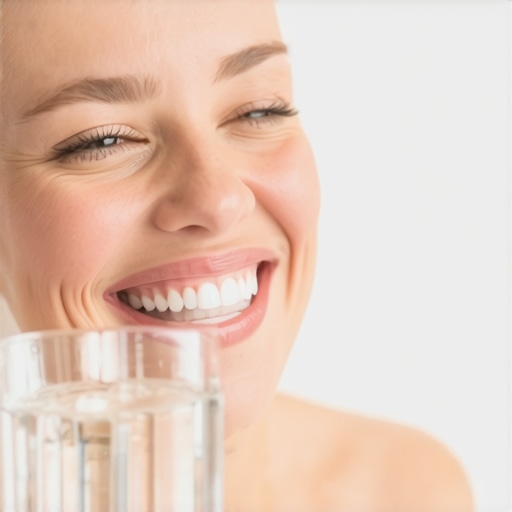
Ever had that sinking feeling when you realize your Invisalign trays are making your mouth feel like a desert? I remember the first time I noticed my tongue sticking to the roof of my mouth, and every sip of water seemed to evaporate instantly. Talk about a confidence killer during meetings or social outings! That lightbulb moment hit me hard: my aligners, which were supposed to straighten my teeth discreetly, were turning into a source of relentless dryness and discomfort.
Why Dry Mouth Comes Hand in Hand with Invisalign
Invisalign trays are marvels of modern orthodontics, but they can inadvertently disrupt your natural saliva flow. Saliva is essential — it keeps your mouth moist, helps break down food, and even neutralizes acids that cause cavities. When you wear aligners constantly, they can reduce saliva production or block saliva from reaching certain areas, leading to that scratchy sensation and even bad breath. Did you know that excessive dryness can increase the risk of cavities? An article from the National Institutes of Health confirms that saliva plays a key role in preventing dental decay and maintaining oral health.
Early in my Invisalign journey, I made a crucial mistake: I believed I just needed to brace myself through the discomfort. Instead of addressing the root cause, I tried to ignore it, which only worsened the problem—cracked lips, sore tongue, and persistent bad breath. That’s when I realized that managing dryness was essential not just for comfort, but for my overall dental health. So, let’s dive into practical, tried-and-true strategies to keep that mouth moist and happy while you wear your aligners.
Avoiding the Pitfalls: Your First Step Towards Comfort
If you’re tired of feeling like your mouth has been lost in the Sahara, you’re in the right place. Whether you’ve just started Invisalign or you’re a seasoned wearer, maintaining adequate saliva flow is key. We’ll explore simple habits, minor adjustments, and professional tips to restore that natural moisture, so you can wear your trays confidently without the constant reminder of dryness. Ready to turn your Invisalign experience from dry and uncomfortable to smooth and seamless? Let’s start with the basics and then move on to more effective solutions.
Is It Really Worth Worrying About Dry Mouth During Invisalign?
Many people dismiss dry mouth as a minor inconvenience, but it can have serious implications. Over time, persistent dryness increases the risk of tooth decay, gum disease, and even oral infections. Early on, I overlooked this issue, thinking it would resolve itself. However, I learned that ignoring it only made things worse. Addressing dryness isn’t just about comfort—it’s about protecting your smile for the long haul.
Now that we understand why this happens and why it’s worth fighting, let’s look at practical ways to keep your mouth hydrated, fresh, and healthy—turning your Invisalign journey into a stress-free experience.
.
Boost Saliva Production with Hydrating Practices
Start by increasing your water intake—aim for at least 8 glasses daily. Carry a reusable water bottle to sip frequently, especially during meals and dry spells. Chewing sugar-free gum stimulates saliva, much like how a sponge absorbs water. I remember a day I kept a pack of gum on me and diligently chewed after meals, which noticeably eased my dryness, making wearing aligners more comfortable.
Optimize Oral Hygiene for Comfort
Use gentle, fluoride-rich toothpaste to maintain oral health without irritating tissues. Incorporate alcohol-free mouthwashes to soothe dryness; avoid those with alcohol, which can dry out your mouth further. I switched to a soothing, alcohol-free rinse and experienced less soreness and dryness during my Invisalign journey. Regularly cleaning your aligners with a soft brush and mild soap also prevents buildup that can exacerbate dryness.
Adjust Your Diet to Minimize Drying Effects
Avoid caffeine and alcohol, as they dehydrate the mouth. Opt for moist foods like soups, stews, and smoothies to keep your oral tissues hydrated. When I faced persistent dryness, I incorporated more broth-based soups into my meals, which not only kept my mouth moist but also made eating more enjoyable during treatment.
Leverage Natural Humidifiers and Environment Controls
Use a humidifier in your room, especially during dry seasons or in heated environments, to add moisture to the air. Breathing through your nose instead of your mouth reduces dry mouth severity; practice nasal breathing by consciously maintaining it throughout the day. I found that keeping my environment humidified and being mindful of my breathing patterns significantly reduced my discomfort.
Seek Professional Assistance When Necessary
If dryness persists despite these measures, consult your dentist about saliva substitutes or other medical options. Professionals can provide tailored solutions, including prescription rinses or medications that boost saliva production. During my appointment, my dentist recommended a saliva substitute gel, which provided instant relief and made wearing aligners less bothersome.
Remember, managing dry mouth isn’t just about comfort—it’s essential for maintaining oral health during Invisalign treatment. Consistent hydration, proper oral hygiene, dietary adjustments, environmental controls, and professional advice form the pillars of lasting relief. Taking these proactive steps ensures your smile transformation remains smooth, comfortable, and cavity-free.
Many patients believe they’re fully informed about cosmetic and restorative dental treatments, but beneath the surface lies a web of misconceptions that can lead to costly mistakes. For instance, a common myth is that veneers are universally the best solution for cosmetic flaws, but in reality, they may not suit every smile or address underlying dental issues. Understanding the nuances between veneers and crowns is crucial for making informed decisions.
Another mistake people often make with teeth whitening is assuming that over-the-counter products are just as effective as professional treatments. While DIY options can be tempting, they may cause sensitivity or uneven results if not used properly. Professionals customize whitening procedures to your dental needs, ensuring safety and longevity. Learn more about professional whitening advantages.
In family dentistry, a prevalent misconception is that regular check-ups can be postponed until issues become severe. However, early intervention often prevents more invasive, expensive procedures later on. Routine visits allow dentists to catch misalignments, decay, or gum problems before they escalate. Discover the importance of proactive family dental care.
When it comes to Invisalign, many assume it’s only suitable for teens or minor corrections. But advances in technology have made Invisalign a powerful tool for complex cases across all ages. The hidden nuance is that treatment success heavily depends on proper wear and adherence. Failing to follow your orthodontist’s instructions can lead to prolonged treatment or subpar results. See how Invisalign is evolving in 2025.
A critical ‘oops’ to watch out for is neglecting the importance of comprehensive treatment plans. Choosing a quick fix—like veneers to hide cracked teeth—without addressing underlying problems can result in veneer failure or other complications. The key is to consult with experts who evaluate your overall dental health before recommending cosmetic procedures. Feel free to explore tips for transforming your smile with veneers.
Furthermore, advanced readers should question the long-term risks associated with certain treatments. For example, over-bleaching can weaken enamel, leading to sensitivity and increased decay risk. Evidence from dental research stresses moderation and professional oversight during whitening. Find out about safe whitening practices.
Making informed choices requires understanding not just the benefits but also the potential pitfalls of dental treatments. By debunking myths and recognizing hidden risks, you can navigate your dental journey more confidently. So, have you ever fallen into this trap? Let me know in the comments and share your experiences.
When it comes to maintaining the results of veneers, teeth whitening, family dentistry, or Invisalign, the right tools and habits make all the difference. As someone who’s been through multiple treatments myself, I’ve found that investing in quality equipment and adopting consistent routines ensures long-term success. Today, I want to share what genuinely works for me, and I believe, will work for you too.
Choose a Soft-Bristled Manual Toothbrush for Gentle Cleaning
Personally, I swear by my ergonomic, soft-bristled toothbrush. It effectively removes plaque without damaging delicate restorations or enamel. I prefer the ones with angled heads because they reach those tricky back teeth effortlessly. Regular brushing with a high-quality brush keeps your veneers and crowns shiny while preventing decay around your orthodontic attachments. Remember, gentle, yet thorough, brushing is key—brushing too hard can cause unnecessary wear over time.
Integrate Electric Flossing for Precision and Ease
Manual flossing works well, but I’ve transitioned to a water flosser with adjustable pressure settings, especially since I wear aligners. This tool allows me to clean between teeth and around brackets more efficiently. I use mine daily after brushing to ensure no leftover debris compromises my whitening results or accelerates decay. For optimal results, I recommend using a device with customizable modes—some models even come with built-in timers to guarantee consistent flossing durations. More info on proper flossing techniques can be found in family dentistry resources.
Employ a Sonic Cleaning Device for Maintenance of Veneers and Crowns
One of the most underrated tools I’ve adopted is a sonic toothbrush cleaner. It vibrates at ultrasonic frequencies, removing plaque and helping maintain the integrity of veneers or crowns. Using these devices weekly keeps my dental restorations in pristine condition, prolonging their lifespan. Additionally, they’re gentle enough so I don’t worry about damaging any delicate surfaces. Expect to pay a bit more, but the investment has paid off—my smile stays bright and healthy longer.
Harness Smartphone Apps to Track and Improve Oral Hygiene
Staying motivated can be difficult, but I rely on a dedicated oral health app that reminds me twice daily to brush, floss, and rinse. These apps often include tutorials on proper techniques and can even gamify your routine to make it more fun. Over time, they helped me develop consistency, crucial for preserving whitening effects and preventing gum issues. Many new apps are now integrated with dental devices, providing feedback on your brushing pressure and coverage, like the latest teeth whitening guides suggest.
Future Trends: Smarter Tools for Dental Maintenance
Looking ahead, dental technology is trending toward smarter, AI-driven devices that adapt to your individual needs. Imagine toothbrushes that analyze your brushing habits in real-time and suggest personalized improvements. The integration of IoT in dental care simplifies long-term maintenance and reduces the risk of future issues. Staying ahead of the curve means investing in these intelligent tools early, ensuring your smile remains impeccable for years to come. One such advancement is the upcoming AI-powered cleaning systems discussed in Invisalign innovations.
How do I keep my dental work working for years?
Regular professional checkups combined with diligent at-home routines are essential. Cleaning tools tailored for dental restorations, like ultrasonic cleaners, ensure your veneers, crowns, and aligners stay pristine. Don’t forget to consult your dentist about specialized products compatible with your unique treatments; they can recommend proven solutions that fit your needs. For example, professional advice on whitening and maintenance can be found in family dentistry tips for 2025.
Proactively adopting these advanced tools and routines, along with staying informed on emerging technologies, is your best bet to enjoy lasting results. I encourage you to try out a sonic cleaning device or a dental tracking app today—view it as an investment in your long-term dental health and confidence.
3 Secrets That Changed My Approach to Perfecting Smiles
- Patience Over Perfection: I learned that rushing treatments like veneers or teeth whitening often leads to disappointment. Giving my dental work time to settle and trusting professional guidance yielded the best long-term results.
- Empowerment Through Education: The more I researched about family dentistry and Invisalign, the more confident I felt in making informed decisions, avoiding costly mistakes and myths that can derail progress.
- Consistent Rituals Matter: Small, daily habits—like gentle brushing and regular checkups—created compounding benefits that kept my smile vibrant and healthy, emphasizing that success is built on routine.
My Secret Arsenal for a Lasting Smile
Over the years, I’ve curated a set of tools and resources that truly make a difference. These aren’t just products; they’re trusted allies in my dental care journey. For instance, I rely on a soft-bristled manual toothbrush for gentle cleaning and a water flosser tailored for aligners, ensuring every nook and cranny gets proper attention. When I want to refine my technique or understand innovative treatments, I turn to insightful books like Veneers Made Simple and follow the latest in dental technology through trusted sources. Staying informed helps me adapt and keep my smile in top shape.
Let Your Smile Spark a New Chapter
The journey to an impeccable smile isn’t just about aesthetics—it’s a testament to how much you value your well-being. Each step, from choosing the right Invisalign aligners to maintaining your veneers, is an act of self-love. Remember, the tools and routines you adopt today set the foundation for years of confidence and health. Whether you’re just starting or seeking to refine your current care, I encourage you to embrace the process with optimism and persistence.
What’s the one dental habit you’ve found most effective in maintaining your smile? Share your experience below—I’d love to hear your story!
**[Feel free to visit our contact page for personalized advice or to explore more ways to elevate your dental journey.]**