
Why your dental bridge feels loose after years of wear
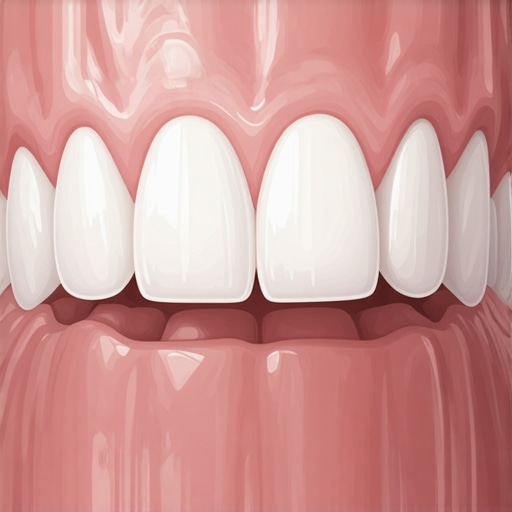
Ever had that unsettling moment when you bite down and feel that your dental bridge isn’t as stable as it used to be? I remember the first time I experienced it—it was as if a part of my mouth had betrayed me overnight. The constant worry about whether it would fall out or cause discomfort had me searching for answers in every corner of the internet, only to realize I wasn’t alone. If you’ve noticed your dental bridge feeling loose after years of wear, you’re not imagining things. This common issue can sneak up on you and impact your confidence, chewing ability, and oral health. But here’s the good news: you’re about to learn why it happens and what you can do about it.
Understanding Why Dental Bridges Loosen Over Time
Dental bridges are designed to be durable and long-lasting, often serving their owner for a decade or more. However, with time, even the best bridges can become loose. The primary causes include natural wear and tear, bone loss around the supporting teeth, and slight shifts in your jaw or bite alignment. These factors can loosen the cement holding the bridge in place or cause the supporting teeth to weaken. Early on, I made the mistake of ignoring the signs—like small gaps or a change in how my bridge felt—thinking it was just normal aging. Trust me, ignoring it only made the problem worse. Regular dental checkups can catch such issues early, so don’t skip your visits!
Is Replacing a Loose Dental Bridge Actually Worth It?
This is a question I hear often, especially from folks worried about the cost or hassle. The truth is, if caught early, minor adjustments or repairs can prolong the life of your existing bridge. But if the foundation underneath is compromised, a full replacement might be necessary. Keep in mind, untreated looseness can lead to decay or damage to neighboring teeth. For more insights, check out this comparison of veneers and crowns. I learned this the hard way by delaying action and ending up needing a new bridge sooner than I expected. So, stay vigilant! Your smile’s health depends on it.
Are you experiencing a loose dental bridge? If so, you’re not alone, and tackling this issue promptly can save you time, money, and discomfort. Next, I’ll guide you through practical steps to evaluate and address this common concern, starting with some immediate actions you can take today.
Assess Your Situation Carefully
Begin by gently examining your dental bridge. Use clean fingers or a mirror to detect any movement or gaps. For instance, I noticed my bridge felt slightly wobbly after a meal, prompting me to act quickly. Detecting looseness early prevents further damage. Don’t rely solely on sensation; visual cues like discoloration or food debris around the bridge can signal an issue. If unsure, schedule a professional checkup here.
Bypass the DIY Fixes and Consult Experts
Attempting to re-cement or glue your bridge at home may seem tempting but risks damaging your teeth. Instead, prepare for your dental appointment by noting symptoms and avoiding sticky or hard foods that could exacerbate the problem. Think of it like a mechanic diagnosing a loose car wheel; professional tools and expertise are essential. During the appointment, your dentist will evaluate whether the support teeth are healthy and if the bridge needs rebonding or replacement. Preparation ensures a smooth process and better outcome.
Clean and Maintain Your Mouth Before Appointments
Good oral hygiene plays a vital role. Use an interdental brush or floss gently underneath and around the bridge, removing debris without disturbing the area. I learned that failing to clean properly can trap food and promote decay, accelerating looseness. For example, I used a soft floss threader to clear stubborn buildup, which helped my dentist determine the cause of looseness later. Regular cleaning preserves the stability of your dental work and prevents future issues.
Get a Professional Assessment and Possible Repairs
During your dental visit, expect the dentist to take X-rays or perform a tactile test to assess bone health and support structures. If the cement has failed, a simple rebonding might suffice; if supporting teeth are damaged or decayed, they may recommend crowns or a new bridge. For broader insight, explore this guide on crowns and veneers for understanding other restorative options. Remember, early intervention can save you from costly replacements later.
Implement Preventive Measures to Save Your Investment
After repair, focus on prevention. Avoid chewing on hard objects like ice or nuts that can stress your bridge. Use a night guard if you grind your teeth; it’s like protecting a fragile vase from accidental knocks. Maintaining proper dental habits and visiting your dentist regularly, ideally every six months, can prolong your bridge’s lifespan. This ongoing care helps catch early signs of issues before they escalate, ensuring your smile stays healthy and stable.When it comes to cosmetic and preventive dental treatments like veneers, Invisalign, or teeth whitening, many patients fall prey to misconceptions that could hinder their results or cause unnecessary expenses. Let’s dig deeper into some of these hidden nuances to help you make more informed decisions. For instance, a common myth is that all veneers are the same, leading many to choose cheaper options without considering material quality or long-term durability. In reality, porcelain veneers tend to resist staining better and mimic natural enamel more precisely than composite ones, but they also come at a higher upfront cost. Understanding these differences can save you money and frustration over time.
Another often-misunderstood area is Invisalign. Many believe that it’s suitable for all types of misalignments, but complex cases—like severe overbites or significant crowding—may require traditional braces or other options. Additionally, some underestimate the importance of compliance; wearing aligners diligently is crucial for achieving optimal results. Advanced cases might also benefit from adjunct procedures, such as mini-implants or TADs, to improve precision, an aspect overlooked by many casual users.
In the realm of teeth whitening, the dominant perception is that brighter teeth are always healthier, which isn’t necessarily true. Overuse of at-home whitening products or aggressive bleaching can weaken enamel, leading to increased sensitivity and susceptibility to decay. A study published in the Journal of Esthetic and Restorative Dentistry emphasizes that professional whitening treatments use controlled concentrations of bleaching agents, reducing risks while providing superior results. Yet, many patients don’t realize that whitening doesn’t address underlying issues like decay or gum disease, making comprehensive dental health assessments essential before starting whitening routines.
Now, let’s address a critical question that often puzzles even seasoned patients—**Can veneers or whitening procedures cause long-term damage if not properly managed?** The answer is yes. Over-bleaching can eradicate enamel layers, and improperly placed veneers might trap plaque or cause gum recession. That’s why collaborating with a skilled dentist familiar with the latest techniques is vital. Regular checkups, proper maintenance, and understanding the limitations of each treatment are essential to prevent unintended consequences. For instance, over-reliance on DIY whitening kits without professional guidance often leads to uneven results or damage; instead, explore trusted options like professional whitening as detailed in this comprehensive guide.
Finally, remember that a holistic approach to family dentistry involves not just addressing aesthetic concerns but also ensuring structural health. Regular exams and cleanings, tailored advice for children and adults, and understanding treatment nuances can significantly improve oral health longevity. So, have you ever fallen into this trap of misconceptions? Let me know in the comments, and if you’re considering any cosmetic treatment, consult with an experienced professional to tailor your approach.Maintaining your dental enhancements over time requires the right tools and habits. I’ve found that investing in quality equipment not only prolongs the effectiveness of procedures like veneers and Invisalign but also makes daily oral care more efficient and rewarding. One essential tool I swear by is a water flosser, such as the Waterpik Ultra, which I’ve personally used for over a decade. It easily removes debris from hard-to-reach areas around veneers and Invisalign aligners, reducing plaque buildup and preventing future complications. Additionally, I always recommend a soft-bristled, FDA-approved electric toothbrush like the Sonicare DiamondClean. Its sonic vibrations provide superior plaque removal without damaging sensitive restorative materials, something manual brushes can’t consistently achieve.
For whitening maintenance, I prefer using shade-matched whitening pens like the Opalescence GO, which allow precise touch-ups on specific teeth that may have become dull over time. This targeted approach ensures a uniform, sparkling smile without overusing bleaching treatments that can weaken enamel. To keep track of your progress and reminders for dental visits, I’ve been leveraging dental tracking apps such as Dentitude, which syncs with your dentist’s records and prompts regular checkups—key for early detection of wear or deterioration.
Looking ahead, I predict that digital tools will become even more integral in smile maintenance. Future innovations might include AI-powered wearables that monitor oral health indicators in real time, alerting you to issues before they escalate. Moreover, advancements in at-home testing kits for enamel density and bacterial activity could empower patients to take proactive steps, similar to how glucose monitors transformed diabetes management.
**How do I maintain my dental work over time?** Regular use of these tools combined with consistent professional checkups forms the backbone of long-term success. Remember, neglecting maintenance can lead to more invasive and costly treatments down the line. Don’t be shy to experiment with new, evidence-backed devices—like the recently developed ultrasonic toothbrushes tested in clinical trials (see the detailed analysis here). Start incorporating one of these advanced tools today and experience the difference firsthand.
Lessons Hidden in My Dental Journey
- One of the most profound lessons I learned was the importance of vigilant maintenance; even a small looseness in a dental bridge can escalate if overlooked. Regular checkups are your best allies in catching issues early before they turn into costly fixes.
- I realized that personalized oral hygiene routines are vital—what works for someone else might not suit your unique dental structure. Tailoring your care, like choosing the right interdental tools, can make all the difference.
- The myth of DIY fixes almost cost me my comfort; attempting to re-cement a loose bridge at home can cause damage. Trusting professionals ensures your smile remains healthy and beautiful long-term.
- Investing in education about dental materials and procedures, such as understanding veneer types or whitening options, empowers you to make informed decisions that align with your goals and budget.
- Consistent preventive measures—like avoiding hard foods and using night guards—can drastically extend the lifespan of your dental treatments, saving you time, money, and discomfort in the future.
My Go-To Resources for Dental Confidence
- SmileGumCare’s Ultimate Teeth Whitening Guide: This comprehensive resource provides up-to-date, science-backed options for whitening, helping me choose treatments suitable for my enamel type. Check it out here.
- Invisalign Secrets: For discreet orthodontic solutions, I rely on this site for expert insights that demystify the process and set realistic expectations. Learn more through this guide.
- Family Dentistry Tips: Maintaining a healthy smile across generations is simpler with expert advice on children’s dental health. Explore practical tips at this link.
- Personalized Support: Connecting with trusted dental professionals through Contact Us ensures tailored advice and treatments, crucial for complex cases or ongoing maintenance.
Your Smile’s Next Chapter Starts Now
True confidence emerges when you actively nurture your dental health, armed with knowledge and the right tools. Whether you’re considering veneers, Invisalign, or teeth whitening, remember that your journey toward a radiant smile is a personal adventure—one that rewards patience and proactive care. Embrace your role as your own dental steward, and don’t hesitate to seek expert advice when needed. Every step you take today builds the foundation for a healthier, brighter tomorrow. Ready to make that move? Your future smile awaits—start now and believe in its potential.