3 signs your wisdom teeth are finally coming in
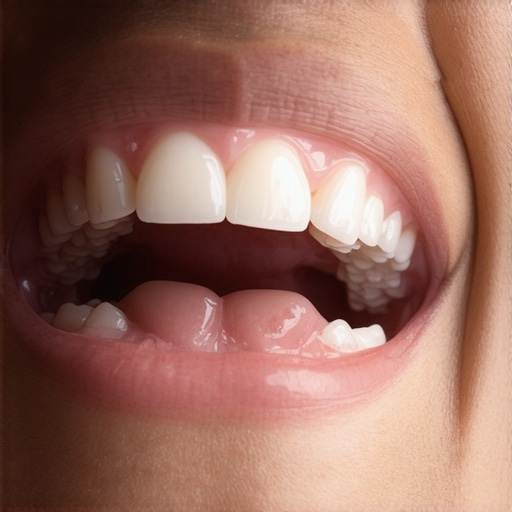
I remember the moment it hit me—waking up one morning with a dull but persistent ache at the very back of my mouth, and realizing this wasn’t just a random toothache. It was a lightbulb moment that my wisdom teeth might be finally coming in. If you’ve ever experienced something similar, you know it’s not just about the discomfort; it’s about understanding what your body’s telling you. Maybe you’ve brushed it off as normal tooth pain, but trust me, recognizing the signs early can save you a lot of trouble down the road.
Why Paying Attention to Your Wisdom Teeth Matters
Getting a grip on whether your wisdom teeth are emerging isn’t just about avoiding surprise pain—it’s about maintaining your overall dental health. Wisdom teeth, or third molars, are notorious for causing issues if they don’t come in correctly. Impacted teeth, infections, and crowding can all result from unnoticed or ignored signs. Many folks overlook the subtle cues, much like I did initially, leading to more complicated dental procedures later. According to the American Dental Association, early detection can help prevent complications such as cyst formation and damage to neighboring teeth. So, spotting the signs early isn’t just smart—it’s essential.
Is Pain the Only Sign to Watch For?
One common mistake I made early on was assuming discomfort was just part of getting older or a passing ailment. But pain isn’t the only indicator. Swelling, bad taste, and even increased difficulty opening your jaw are clues that your wisdom teeth might be on their way. If you’re anything like me, missing these subtle signs can lead to unexpected emergencies. Understanding that these symptoms can be signals of incoming wisdom teeth is the first step toward proactive dental care.
Have you ever experienced unexplained discomfort at the back of your mouth that turned out to be your wisdom teeth? Recognizing these early signs can make all the difference. Stay tuned, because next, we’ll delve into the specific indicators to watch for, so you can catch the warning signs before they become painful problems.
Prepare Your Smile Strategy
Start by evaluating your dental goals—are you aiming for a brighter smile, straighter teeth, or a complete makeover? Clarify your priorities to tailor your treatment plan effectively. Schedule an initial consultation with a trusted dentist by visiting our contact page and discuss your expectations clearly.
Select the Right Cosmetic Solution
To choose between options like veneers or crowns, consider the specific needs of your teeth. For subtle improvements, learning the differences between veneers and crowns can help. During your consultation, ask detailed questions about durability, appearance, and cost to make an informed decision.
Enhance Your Smile with Veneers
Applying veneers involves minimal removal of your natural enamel. Prepare by ensuring your teeth are free of decay and gum disease. Your dentist will take precise impressions to craft custom veneers. When fitting, they will etch the tooth surface to ensure strong adhesion. Micro-adjustments in shape and color are made to match your natural teeth, resulting in a seamless aesthetic transformation.
Achieve Straight Teeth with Invisalign
For discreet orthodontic correction, opt for Invisalign. Start with a thorough evaluation, including digital scans. Your dentist designs a series of custom aligners that gradually shift teeth into position. Replace the trays every one to two weeks, following the prescribed schedule. Regular check-ups ensure progress tracking and adjustments if needed. Discover more secrets of Invisalign adaptation.
Brighten Your Smile Effectively
Professional whitening offers quick results compared to over-the-counter options. Undergo a clinical bleaching session or receive custom whitening trays. Use provided gels strictly as instructed to avoid sensitivity. To prolong results, avoid staining foods and drinks, and maintain good oral hygiene. For additional tips, explore top whitening strategies.
Build a Family-Friendly Dental Plan
Prioritize regular check-ups for all ages by scheduling visits through family dentistry guidelines. Promote early detection of issues like cavities or misalignments. Establish daily oral hygiene routines at home—brushing twice daily and flossing. Educate children on proper technique, making it a positive experience. Consider preventive treatments like sealants, especially for younger members, to safeguard their developing teeth.
Use Visual Aids for Better Understanding
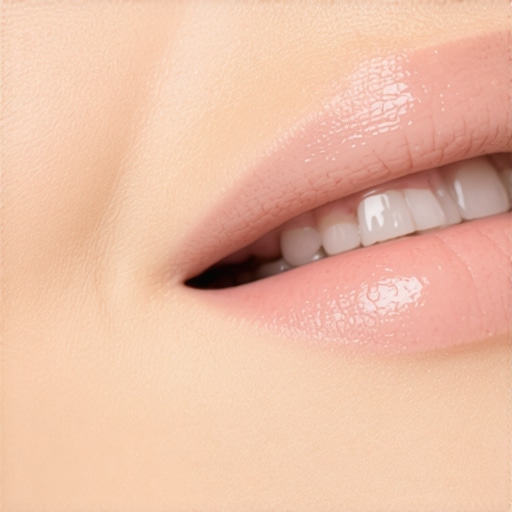
Visuals can clarify complex procedures, such as how veneers bond to teeth or how aligners fit. Request your dentist to show before-and-after photos, or ask for a digital simulation of your future smile. This practice aids in setting realistic expectations and boosts confidence in your treatment choices.
Many patients embark on cosmetic or preventive dental treatments with common assumptions that can hinder their results. While it’s tempting to believe that veneers instantly transform your smile or that Invisalign guarantees perfect teeth without discomfort, the truth often lies beneath the surface. For instance, a widespread misconception is that all veneers are the same; in reality, porcelain veneers differ significantly from composite options in durability and stain resistance, as discussed in our comprehensive guide on veneers. Overlooking such details can lead to costly redo procedures or dissatisfaction.
One hidden trap with Invisalign is the assumption that it works equally well for all orthodontic issues. Advanced cases may require auxiliary attachments or even traditional braces for optimal results, a nuance highlighted in secrets of Invisalign. Believing that Invisalign is entirely invisible and effortless can cause users to neglect proper wear time, compromising their treatment timeline.
In family dentistry, many assume regular check-ups alone suffice for kids’ dental health. However, early intervention strategies like sealants or fluoride applications play a crucial role in preventing decay, especially in molars prone to cavities. More on this can be found at family care.
Regarding teeth whitening, a common myth is that over-the-counter products are just as effective as professional whitening. In truth, the higher concentration of bleaching agents administered in-office results in faster and more uniform whitening. Yet, many overlook the importance of customized aftercare to prolong results, such as avoiding staining foods, which is detailed in top whitening strategies.
Advanced patients should also consider the importance of proper shade matching and understanding the limitations of cosmetic procedures. For example, veneers cannot alter the shape of your teeth dramatically unless combined with reshaping or orthodontics, a nuance explained when comparing veneers to crowns here.
Have you ever fallen into this trap? Let me know in the comments. Remember, a well-informed patient makes better decisions—so don’t settle for surface-level knowledge. Digging deeper into these nuances ensures your dental transformations are successful and long-lasting.Maintaining an impeccable smile requires more than just initial treatment; it involves investing in the right tools and habits that ensure lasting results. Personally, I rely on specialized equipment like ultrasonic toothbrushes with sonic vibration technology, such as the Philips Sonicare ProtectiveClean, which effectively disrupts plaque and reaches hard-to-clean areas. Its gentle yet thorough cleaning action makes it my go-to for daily maintenance, especially after procedures like veneers or teeth whitening, where preserving enamel integrity is crucial. Additionally, I incorporate high-quality floss like dental tape or interdental brushes to target spaces that regular floss might miss, preventing gum disease and decay.
For whitening enthusiasts, I recommend using custom-fitted bleaching trays paired with professional-grade gels, which provide uniform contact and reduce sensitivity—for example, the Zoom! custom trays. These trays are a game-changer in maintaining whitening results over time, helping you avoid the common pitfall of rapid discoloration from staining foods or beverages. Regular check-ins with your dentist, ideally every six months, allow for professional cleanings and quick touch-ups, prolonging the longevity of your treatments.
The future of dental maintenance looks promising with innovations like AI-enabled oral health apps that track your brushing consistency and provide personalized tips. I predict that integrating such smart technology will become standard within the next few years, making at-home care more effective and tailored.
How do I maintain my dental enhancements over time? The key is consistency—using the right tools, following your dentist’s advice, and scheduling regular dental visits. For instance, after getting veneers, I make sure to avoid biting hard objects and use a non-abrasive toothpaste recommended by my dentist. Similarly, for Invisalign wearers, diligently cleaning aligners with specialized solutions like Invisalign cleaning crystals or sonic cleaners prevents buildup and odors. If you’re considering long-term results, investing in high-quality tools and habits today will save you time, money, and discomfort tomorrow. Curious about which equipment suits your needs best? Contact us at our contact page for personalized advice.
Throughout this exploration of veneers, Invisalign, family dentistry, and teeth whitening, I’ve uncovered some invaluable lessons that transformed my approach to dental health. One eye-opening realization was that not all veneers are created equal—porcelain versus composite options can make a significant difference in longevity and stain resistance, something I only discovered after costly trial and error. Another insight was understanding that Invisalign isn’t a one-size-fits-all solution; advanced cases often require auxiliary attachments, making me appreciate the importance of personalized treatment plans. Lastly, I’ve learned that regular, professional maintenance combined with the right tools—like sonic toothbrushes and custom whitening trays—can dramatically extend the results of any cosmetic procedure, turning a temporary fix into a long-lasting investment. These lessons remind us that informed choices and proactive care are essential for a radiant, healthy smile that lasts a lifetime.