How to Remove a Stuck Kernel from Under Your Permanent Retainer
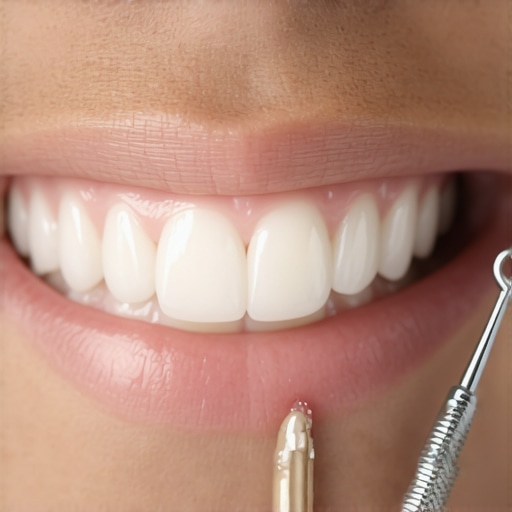
I remember the first time I felt that tiny, irritating bump under my lower teeth after getting my permanent retainer. It was a Saturday, and I was mid-coffee sip when I suddenly tasted something odd—hard, crunchy, impossible to ignore. Turns out, a small piece of food had gotten trapped between the wire and my tooth, and trying to pick it out without knowing what I was doing only made things worse. That little incident was a real lightbulb moment for me—and probably for you too if you’re reading this with frustration building. Why? Because a stuck kernel or food debris under a permanent retainer is more common than most people realize, and it can lead to discomfort or worse if not handled properly.
Why Clearing a Stuck Kernel Matters More Than You Think
When a kernel or food debris gets stuck under your retainer wire, it feels like a small, persistent pebble in your shoe—irritating, distracting, and increasingly uncomfortable as the day goes on. But beyond the discomfort, this issue can cause plaque buildup, gum irritation, or even decay if ignored. Imagine a tiny piece of popcorn silently wreaking havoc on your teeth—sounds trivial, but the consequences can be significant. That’s why knowing how to safely remove it is essential for maintaining healthy teeth and gums. Moreover, if you don’t address the problem promptly, it can turn into costly dental visits down the line, or worse, damage your retainer itself. So, today, I promise to walk you through proven, safe methods to dislodge that stubborn kernel and restore your comfort without panic or damage. Ready to learn the tricks that made me confident in handling this common dilemma? Let’s dive into the practical steps.
Is It Safe to Remove Food Debris on My Own, or Will I Harm My Retainer?
This is a question I hear a lot. Early on, I made the mistake of trying to yank out debris with tweezers or floss without proper technique. It might seem harmless, but many of us underestimate how delicate those wires and your gums are. Using the wrong tools or excessive force can loosen or damage your retainer, leading to even more trouble. The key is to use gentle, effective methods—think along the lines of floss threaders or interdental brushes, designed specifically for this purpose. Over time, I discovered that patience and proper tools are your best friends when dealing with food entrapment. If you’re ever uncertain, a quick consult with your dentist can prevent accidental damage and save you from unnecessary discomfort. For more comprehensive guidance on maintaining your smile, check out our family dentistry tips.
Gather the Right Tools and Prepare Mentally
Before attempting to clear a trapped kernel, assemble your supplies: dental floss with a waxed thinner, interdental brushes, or a floss threader. I recall a time when I temporarily used a toothpick to nudge out a stubborn piece; it worked, but I realized it was risky because it could damage the wire. Always have these tools ready and approach the task with patience, not force. Ensuring good lighting and a mirror helps, much like inspecting a tricky widget you’re about to fix—clarity prevents disasters.
Loosen and Dislodge the Debris Carefully
Use Floss with a Threader
Slip the floss through a floss threader and gently slide it under the wire around the trapped food. Gently glide the floss back and forth to loosen the debris. I once faced a particularly stubborn piece lodged near the molar, and carefully working the floss through its threader allowed me to dislodge it without pulling on the wire. Think of it like fishing; a gentle tug that frees the snag without breaking the line.
Employ Interdental Brushes for Precision
If floss doesn’t do the trick, try an interdental brush—small, cone-shaped bristles designed for tight spaces. Insert it gently between the wire and your tooth, mimicking a tiny brush clearing out nooks in a model or sculpture. This method is especially useful for larger debris or when the floss slips.
Replace and Reinforce the Cleaning Process
After removal, floss again to ensure no remaining particles linger. Rinse your mouth thoroughly with water or mouthwash to wash away residual debris. Remember, regular cleanings prevent future build-up and maintain overall gum health—like cleaning a lens after a smudge, clarity is key. Consistent maintenance is vital because, over time, debris can harden or cause irritation if neglected.
Know When to Skip and Seek Professional Help
If at any point the debris resists removal or you notice discomfort, don’t force it. Instead, schedule an appointment with your dentist. Using improper tools or excessive force can loosen or damage the retainer, leading to costly repairs. My experience taught me that sometimes a quick professional check saves time and prevents mishaps—think of it as calling in an expert mechanic when your car has a stubborn issue.
By following these precise steps, you can confidently manage minor food entrapments at home. For additional guidance on maintaining your braces or retainer, consider consulting resources like family dentistry tips or learn more about veneers and aesthetic enhancements.
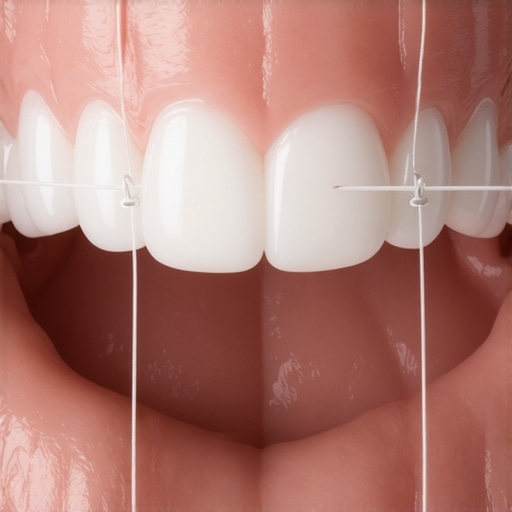 Many individuals believe that all dental procedures are straightforward and universally suitable, but in reality, there’s more nuance than most realize. For instance, a common myth about teeth whitening is that it’s a one-size-fits-all solution; however, according to clinical research, teeth whitening options vary significantly depending on enamel health and staining types, with some methods potentially causing sensitivity or uneven results if not properly tailored (see [Teeth Whitening Secrets for a Sparkling Smile in 2025](https://smilegumcare.com/teeth-whitening-secrets-for-a-sparkling-smile-in-2025-at-1248)). An advanced mistake often made is assuming veneers are purely cosmetic and neglecting their impact on bite and overall oral function. Many overlook that porcelain veneers require precise planning to avoid issues like asymmetric tooth wear or lip imbalance, emphasizing the importance of consulting experienced specialists who understand the intricacies of smile design, as discussed in [Veneers Made Simple](https://smilegumcare.com/veneers-made-simple-transform-your-tooth-aesthetics-in-2025-at-1822). When it comes to family dentistry, the misconception is that primary dental care is only about cavity fillings or cleanings. In truth, creating a comprehensive preventive strategy involves understanding fluoride protocols, bite development, and early intervention for dental habits—an area I’ve explored extensively in [Family Dentistry Tips](https://smilegumcare.com/family-dentistry-building-healthy-smiles-for-every-generation). 2025’s advancements in Invisalign technology have challenged the outdated belief that orthodontics are visible and uncomfortable. In fact, many don’t realize that modern clear aligners are remarkably discreet and customizable, but improper use or neglecting attachments can prolong treatment or cause relapse, a caution highlighted in [Invisalign Innovation in 2025](https://smilegumcare.com/invisalign-innovation-invisible-braces-changing-smiles-in-2025-at-1537). The crucial takeaway is that each dental solution carries its own subtleties—what works perfectly for one patient might not suit another. Having a tailored approach, grounded in expertise, ensures optimal results and long-term oral health. Don’t fall into the trap of assuming generalizations apply universally; a thorough consultation with a trusted specialist can reveal these hidden nuances. Have you ever fallen into this trap? Let me know in the comments.
Keep It Working: Essential Tools for Long-Lasting Results
To maintain your smile’s brilliance and health over the years, investing in the right tools can make all the difference. I personally recommend using a sonic toothbrush like the Oral-B Genius X. Its oscillating-rotating technology effectively removes plaque without damaging enamel, especially important for those with veneers or braces. Pair this with an ultrasonic water flosser such as the Waterpik Aquarius. It’s exceptional at dislodging food debris from tight spaces—something that manual floss might miss after a long day. I’ve found that consistent use of these tools minimizes the risk of staining or gum irritation, ensuring your restorative work stays pristine.
Furthermore, incorporating an interdental brush like the TePe Interdental Brushes into your routine helps clean around veneers and braces with precision. These small brushes can access areas that floss alone can’t reach, reducing plaque buildup and promoting gum health. For those considering teeth whitening, at-home kits like Philips Zoom DayWhite provide professional-grade results when used correctly, but always consult with your dentist first to tailor the treatment to your enamel health.
Future Trends in Dental Maintenance
The future of dental care points toward smarter, AI-integrated tools. Imagine toothbrushes that monitor your brushing habits in real-time and send data directly to your dentist—making upkeep more personalized and preventive. As technology advances, I foresee increased adoption of diagnostic apps that analyze photos of your teeth, alerting you to early signs of wear or decay. Staying ahead in your dental maintenance approach means embracing these innovations now, and regular professional check-ups will remain essential.
One strategy that I recommend for ongoing results is to schedule bi-annual check-ins at your dental practice, like our clinic. Consistent professional evaluations combined with the right tools at home form a comprehensive shield against dental issues. Regular maintenance doesn’t have to be complicated; it’s about choosing effective equipment and sticking with it.
How do I keep my veneers and whitening treatments looking their best long-term?
Maintaining the integrity of veneers and whitening results involves more than just routine cleaning. I suggest avoiding foods and beverages that stain—like coffee, red wine, and berries—especially around your scheduled whitening touch-ups. Using a straw when drinking pigmented drinks helps reduce contact with your teeth. Additionally, applying a fluoride-rich gel nightly can strengthen enamel, providing extra protection against sensitivity and staining. For detailed guidance on optimizing veneer longevity, explore our veneer care tips series.
Remember, tailored maintenance routines that combine high-quality tools with professional care will keep your smile radiant much longer. Don’t be lazy—embrace these techniques, and your future self will thank you. Ready to upgrade your at-home toolkit? Try incorporating a water flosser into your nightly routine and enjoy the noticeable difference it makes!
< >
>
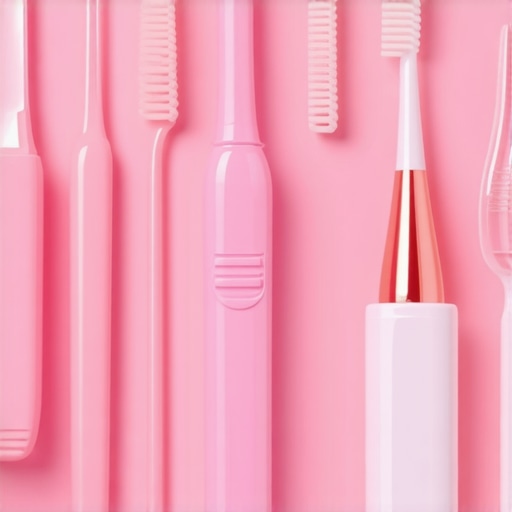
An image showcasing a modern dental toolkit including a sonic toothbrush, water flosser, interdental brushes, and whitening gel, illustrating the recommended tools for at-home maintenance. Alt: Modern dental tools for effective oral care. Title: Essential tools for long-term dental health.
,
Lessons From My Dental Journey You Won’t Find in Textbooks
One of the most impactful lessons I learned is that personalized dental advice beats generic recommendations every time. Early in my smile transformation, I followed popular tips that didn’t account for my unique enamel or gum health, leading to unnecessary sensitivity. It taught me that understanding your own oral landscape is crucial before jumping into treatments like veneers or teeth whitening. Additionally, I discovered that patience is an underrated virtue in dental routines; rushing can cause mishaps like chipped veneers or misaligned aligners, which are costly and frustrating to fix. Finally, I realized that proactive communication with your dentist not only saves money but builds trust—so don’t hesitate to ask questions or voice concerns. These insights are gold for anyone committed to maintaining a radiant, healthy smile long-term.
Tools and Resources That Transformed My Dental Care Approach
Over the years, I’ve curated a toolkit that truly makes a difference. My go-to is the Oral-B Genius X sonic toothbrush—its technology ensures thorough cleaning without damaging delicate restorations like veneers. I rely on the Waterpik Aquarius water flosser to access tricky spots that traditional floss can miss, especially around braces or Invisalign attachments. For precise cleaning, TePe Interdental Brushes have been invaluable—they reach narrow spaces and keep gum health in check. When exploring smile enhancements, I recommend reading Veneers Made Simple to understand how to prolong your investment. These tools aren’t just products; they’re partners in your journey to a confident smile.
Your Smile Deserves More Than Ideas—It Needs Action
Embracing the best practices in family dentistry, teeth whitening, and veneers can revolutionize your confidence and quality of life. Remember, your smile is your personal signature—protect it fiercely with the right knowledge and tools. Make a commitment today to consult with experts like those at our clinic and tailor your dental routine. Small consistent steps now create long-lasting results, so don’t wait for problems to arise. Your best smile is waiting—take action and show the world your brightest, healthiest self!