
Why Your Teeth Feel Loose for a Few Minutes After Waking Up
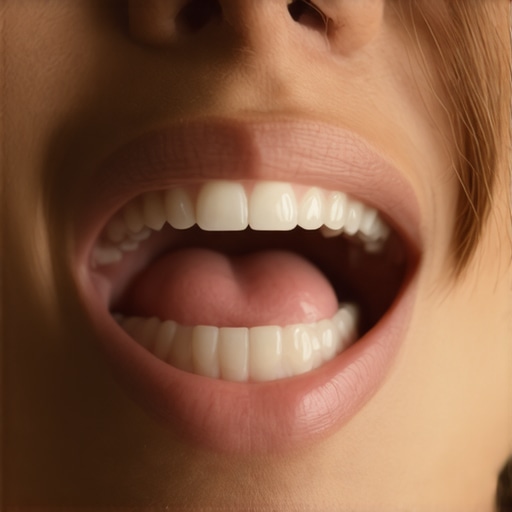
I vividly remember the morning I looked in the mirror and felt that unsettling wobble in my teeth, only to realize it was gone a few minutes later. That sudden, fleeting looseness can be genuinely alarming, especially when it catches you off guard right after waking up. At first, I thought it was a sign of something serious, like gum disease or a dire dental emergency. Turns out, many people experience this odd sensation, and it’s more common than you might think.
What Causes That Temporary Teeth Looseness?
Have you ever woken up and felt like your teeth are a bit wobbly? It’s a strange sensation, and honestly, it can be quite unsettling. The good news is, in most cases, it’s harmless and fleeting. But understanding why it happens can be empowering. During sleep, our saliva production decreases, which can lead to dry mouth. This dryness sometimes causes the tissues around your teeth to tighten temporarily, giving that sensation of looseness. Additionally, nocturnal grinding, or bruxism, is a common culprit. When you grind your teeth at night, it puts pressure on your jaw and the supporting structures, which can momentarily affect the stability of your teeth.
It’s worth noting that some people develop mild inflammation of the gums overnight due to plaque accumulation, which might also contribute to this sensation. However, if your teeth feel loose for extended periods or if the sensation persists throughout the day, it’s crucial to consult your dentist. Early intervention can prevent potential issues from escalating.
Have you ever experienced this looser feeling and wondered if it’s normal? Well, you’re not alone. Many individuals get surprised by this sensation and worry about their dental health. The key is to recognize that in most cases, it’s temporary and benign. Nonetheless, keeping a close eye on other symptoms like persistent gum bleeding, pain, or ongoing looseness can help you determine when to seek professional advice.
In this post, I will share practical insights and expert tips to help you manage and understand these feelings better. We’ll look into common causes, preventive strategies, and when it’s time to schedule a dental check-up. If you’re tired of waking up with that unsettling loose feeling in your teeth, stick around! We’ll explore proven ways to address this issue and keep your smile healthy and confident.
Do you often wake up with this weird sensation? If so, don’t worry—you’re not alone, and solutions are within reach. Let’s dive into the details and get to the bottom of why your teeth feel loose after sleep.
Take Charge with Proper Brushing and Flossing
Start by setting a timer for two minutes, ensuring you brush thoroughly and evenly on all surfaces of your teeth. Use a soft-bristled toothbrush and replace it every three months. Floss daily, making gentle zig-zags between teeth to remove plaque without damaging gums. I once dedicated a weekend to refining my technique, which immediately reduced bleeding and improved overall gum health, illustrating that consistent, mindful care pays off.
Implement Targeted Whitening Safeguards
If you aspire to brighten your smile, explore reputable whitening options like professional treatments or top-rated at-home kits. Avoid overuse to prevent enamel sensitivity, and always follow product instructions meticulously. For instance, I applied a whitening gel one evening, noticing a temporary sensitivity afterward, which taught me to pace treatments and include desensitizing toothpaste in my routine. Check out expert-approved whitening tips here to get optimal results safely.
Choosing Between Veneers or Crowns for Aesthetic Goals
Decide based on your specific needs—veneers are thin shells perfect for minor corrections, while crowns provide more coverage for damaged teeth. Think of veneers like a stylish overlay, akin to a decorative cap, whereas crowns are like sturdy armor around your tooth. During my consultation, I learned that veneers are less invasive but might stain over time, whereas crowns are more durable but involve more tooth preparation. For a clear comparison, visit this detailed guide.
Explore Family Dentistry for Consistent Care
Find a trusted family dentist to streamline appointments and maintain oral health across generations. Regular check-ups help catch issues early, saving discomfort and costs. Personally, establishing a family dentistry routine meant my kids got comfortable early, and I stayed proactive about my own dental health. To secure a reputable provider, consider seeking recommendations and reviewing privacy policies like this privacy policy to understand your data rights.
Make Invisalign Your Discreet Smile Solution
Opt for Invisalign if you want alignment correction without metal braces. Commit to wearing aligners at least 20 hours daily, changing them as prescribed. I once ignored the recommended schedule, which prolonged my treatment, but once I followed the plan diligently, my results accelerated. Address concerns like dry mouth or soreness with specific strategies, and discover more in Invisalign secrets.
Many patients believe that choosing between options like Invisalign, teeth whitening, veneers, or family dentistry is straightforward, but the reality is far more nuanced. For instance, a prevalent myth is that all whitening treatments are equally effective and safe. In truth, over-the-counter whitening strips, while convenient, often lead to uneven results and can cause enamel sensitivity if misused. A study published in the Journal of Esthetic and Restorative Dentistry highlights that professional whitening performed under supervision yields more predictable and safer results, emphasizing the importance of consulting dental professionals rather than relying solely on DIY methods.
What advanced considerations should you make when evaluating cosmetic dental options?
One often overlooked factor is the impact of existing restorations on the outcome of treatments like veneers or whitening. Not all veneers are created equal; porcelain veneers tend to stain less and mimic natural enamel better than composite veneers, but they require more preparation. Moreover, if a patient has aging restorations, attempting whitening without addressing these can lead to mismatched shades and undesired aesthetic results. Therefore, comprehensive planning by an experienced dentist is essential to ensure harmony between natural teeth and restorations—more than just a superficial concern.
Misunderstandings also arise around family dentistry. Many assume that a general dentist can handle all dental issues seamlessly, but complex cases, such as orthodontics or periodontal treatments, require specialized skills. An error here can lead to ineffective treatments and prolonged discomfort. Establishing a relationship with a trusted family dentist who collaborates with specialists ensures that every family member receives appropriate, tailored care. You can learn about the latest in family dental strategies at this resource.
Another hidden nuance lies in understanding when traditional treatment might be more appropriate than cutting-edge interventions. For example, while Invisalign offers discreet alignment correction, severe malocclusions might necessitate traditional braces or even surgical interventions. Rushing into the most modern solution without a thorough assessment can not only delay results but also compromise oral health. Always seek a comprehensive consultation to understand the pros and cons tailored to your unique dental structure.
In summary, effective dental aesthetics and family care hinge on nuanced decision-making and informed choices. Aesthetic treatments like whitening and veneers are more complex than they seem, requiring consideration of existing restorations and long-term outcomes. Similarly, family dentistry involves recognizing the limits of general practice and knowing when to consult specialists. Engaging with well-informed professionals and understanding these intricacies can save time, money, and discomfort in the long run. Have you ever fallen into this trap? Let me know in the comments and share your experiences. For more detailed insights, explore this comprehensive guide.When it comes to maintaining your dental work and oral health, having the right tools can make all the difference. I swear by specific equipment and software that keep my smile in top shape over the years. One of my essential items is the **Electric Sonic Toothbrush** — I personally use the Philips Sonicare DiamondClean because its oscillating brush heads and multiple settings ensure thorough cleaning without damaging sensitive areas. The built-in timer encourages me to brush for the recommended two minutes, which is crucial for effective plaque removal and maintaining healthy gums. For consistency, I also use **Floss Picks with a Built-in Water Flosser** like the Waterpik Cordless Plus, which effortlessly clean between teeth and under veneers or dental crowns, reducing the risk of gum disease and decay. This combination has significantly improved my long-term oral health and preserved my restorations.
Furthermore, I utilize **Dental Monitoring Apps** such as SmileMate, which allows me to track the progress of my Invisalign treatment from home. As technology advances, these apps are predicted to become more sophisticated, integrating AI to provide real-time feedback and personalized care recommendations, reducing visits to the dentist without compromising results. I anticipate that in the near future, such tools will incorporate 3D scanning and augmented reality to facilitate even more precise at-home maintenance.
Some of you might wonder, **How do I maintain my veneers or crowns over time?** Regular professional check-ups are vital—most dentists recommend bi-annual exams to identify early signs of wear, staining, or minor chipping. During these visits, your dentist can perform professional cleanings and address issues before they become costly repairs. Additionally, using **Whitening Toothpaste** like the ones I swear by (see this article for top options: https://smilegumcare.com/teeth-whitening-secrets-for-a-sparkling-smile-in-2025-at-1248) helps prevent discoloration without harming your restorations.
To ensure your long-term success, I also recommend tracking your oral hygiene habits digitally. Software like **MySmilePlan** offers personalized tracking and reminders, making daily routines easier and more consistent. As my colleagues in the dental field predict, integrating these smart tools with AI-driven diagnostics will revolutionize how we care for our smiles, making maintenance more proactive and less reactive.
Do you want to see real results? Try implementing a **high-quality water flosser combined with a smart app** for a week and observe the difference in your gum health. It’s an investment that pays off by preventing issues that could compromise your aesthetic and functional dental work. Remember, the key to longevity isn’t just the treatments you get—it’s how well you maintain them with the right tools. For a seamless experience, consider consulting with your dentist about personalized recommendations and software integrations tailored to your needs.
The Hardest Lesson I Learned About Invisalign, Teeth Whitening, Veneers, and Family Dentistry
One of the biggest surprises in my dental journey was realizing that not every option fits everyone equally. I once pushed for veneers because I loved the quick aesthetic fix, only to find out they stained faster than I expected, especially after years of coffee. That taught me to thoroughly research material choices and prioritize long-term durability over instant results.
Similarly, I assumed Invisalign would be a simple, quick fix, but neglecting the importance of compliance extended my treatment by months. Learning to wear aligners diligently made me appreciate the blend of discipline and professional guidance—trusting your dentist’s advice can save time and frustration.
My experience with family dentistry highlighted an overlooked truth: consistent early visits for children set the stage for lifelong health. Waiting until problems appear often complicates treatments, so establishing regular check-ups is a game-changer. These lessons remind us that informed decisions and routine care are investments in your smile’s future.
Tools & Resources That Transformed My Dental Routine
For maintaining restorations and natural teeth, I swear by the Philips Sonicare DiamondClean for effective, gentle cleaning. It helps prevent staining and gum issues, especially around veneers and crowns. Pairing it with Waterpik Water Flossers has been a revelation—removing plaque from hard-to-reach areas while protecting delicate restorations. Technology also plays a role; apps like SmileMate help me monitor Invisalign progress from home, saving time and making adjustments easier.
Beyond tools, I’ve found books like The Ultimate Guide to Teeth Whitening in 2025 invaluable—offering expert insights that informed my choices. Regularly visiting trusted sources and staying updated on emerging innovations keeps my smile healthy and radiant. Remember, combining proper tools with continuous education creates a sustainable, confident smile.
Your Path Begins Now: Take Control of Your Smile
Every journey to a perfect smile is unique, but the core is always knowledge and action. Whether you’re considering whitening, veneers, or family dentistry, understanding the nuances empowers you to make informed choices. Don’t wait for issues to escalate—start with a professional consultation and embrace a proactive mindset. Your future self will thank you for investing in your smile today.
What aspect of your dental care routine do you think could benefit from a fresh approach? Let me know below, and let’s share tips to keep our smiles shining bright!