
How to Tell if Your Implant Crown is Actually Cracked or Just Loose
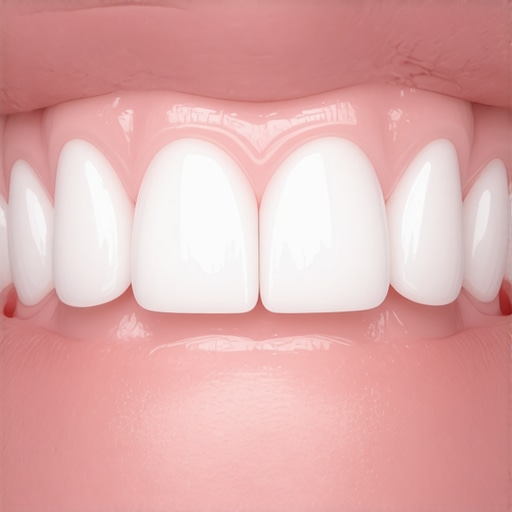
It was a busy Saturday afternoon when I bit into an apple, and suddenly I felt a strange wiggle in my front tooth. At first, I brushed it off as normal looseness—after all, occasional shifts can happen, right? But as I looked closer in the mirror, a tiny crack seemed to appear out of nowhere. That moment of panic hit me — what if my implant crown was cracked? Or was it just loose and needing a quick fix? I’ve been there, and I bet many of you have faced a similar uncertain feeling with your dental work.
Spot the Difference: Cracked or Loose, Why It Matters
Understanding whether your implant crown is truly damaged or just loose can save you from unnecessary dental visits or worse, a bigger problem down the line. When a crown feels different — whether wobbly or conveying a strange sensation — your mind races with questions. “Is this a crack that requires immediate attention?” or “Is my implant just a little loose and easy to fix?” Knowing the signs can help you act quickly and avoid complications like infection, sensitivity, or further damage.
Is It Worth the Stress? My Early Mistakes
Early on, I made the mistake of ignoring the wiggle and hoping it would resolve itself. Big mistake. Delay often leads to worsening issues. I learned to trust my instincts and seek professional advice instead of dismissing the warning signs. The truth is, many people underestimate the importance of paying attention to changes in their dental implants — a mistake I see many repeat. For reliable guidance, I recommend consulting a trusted source like the expert advice on crown vs. veneer.
So, how do you determine what’s really going on with your implant crown? In the following sections, I’ll walk you through the practical steps to assess your situation and when it’s time to see your dentist. No need to panic — let’s turn that ominous wiggle into a manageable fix.
Check Your Bite and Feel for Wobbles
Start by gently biting down and feeling if your crown moves or shifts more than usual. In my case, I sat in front of the mirror, gently applied pressure with my finger on the crown, and noticed it wobbled slightly. If you detect movement, note whether it’s a wobble or if it feels more like a crack or rough edge. This simple test can help distinguish if it’s just loose or truly broken.
Examine for Visible Damage or Cracks
Using a good light and a mirror, closely inspect your crown for visible cracks, chips, or discoloration. Hold a small flashlight at different angles — sometimes cracks are too fine to see with the naked eye and require side lighting. In my experience, a tiny crack was visible only under certain lighting, which prompted me to take a photo and show my dentist later.
Assess Sensitivity and Discomfort
Gently tap the crown with a toothbrush or tongue, and note any sharp sensations or discomfort. If biting causes pain or sensitivity, it might indicate a crack or underlying issue. When I pressed on mine, I felt a slight twinge, which was a clear sign I needed professional evaluation.
Consider Recent Activities or Trauma
Recall if you’ve recently experienced trauma, biting into something hard, or grinding your teeth. These can weaken or crack crowns. I remembered biting into a crunchy snack earlier, which probably contributed to my crown feeling different.
Measure the Wobble and Document Changes
If possible, gently wiggle the crown with your finger and compare to previous days. Document any changes — increasing looseness, new cracks, or changes in sensation. I used my phone to take photos over a few days, which helped my dentist see how my situation evolved.
When to Seek Professional Help
If you notice persistent wobbling, cracks, or pain, contact your dentist promptly. Do not attempt to repair a crown yourself; improper handling can make things worse. I used this link to get in touch with my dentist and scheduled an appointment within a day. Remember, quick action can prevent infections or additional damage.
Prevent Future Problems
Once your crown is repaired, ask your dentist about steps to prevent future cracks or loosening. Regular dental check-ups, avoiding biting into hard objects, and wearing a night guard if you grind your teeth are effective strategies. For insights into maintaining your dental work, explore Invisalign care tips and other family dentistry advice.
While many believe they understand the basics of dental aesthetics and treatments, a closer look reveals common misconceptions and overlooked nuances that can significantly impact your dental health. For instance, the popular belief that all teeth whitening methods are equally safe is misleading. Many over-the-counter products contain harsh chemicals like hydrogen peroxide at concentrations higher than what professionals recommend, risking sensitive tissues and enamel erosion. According to a study published in the Journal of the American Dental Association, professional whitening treatments not only deliver better results but also minimize potential damage when administered correctly.
Advanced questions: Is there a risk of overusing whitening products leading to irreversible enamel damage?
Certainly, overuse can weaken enamel, leading to increased sensitivity and susceptibility to decay. The key lies in adherence to professional advice and avoiding DIY over-application. When considering veneers, many assume they are a quick fix for cosmetic flaws, but the reality involves detailed planning. Porcelain veneers offer aesthetic benefits, yet improper placement or choosing an unsuitable material can result in issues like unaesthetic translucency or chipping. For a comprehensive comparison and expert recommendations, visit this guide on veneers versus crowns. One common myth is that veneers are irreversible; in fact, while they are minimally invasive, the preparation process involves enamel removal, which is permanent.
Why do some patients prefer veneers over crowns despite the invasive prep?
Veneers typically preserve more natural tooth structure and are less invasive, making them preferable for aesthetic cases where structural damage isn’t severe. Moving to Invisalign, many folks think it’s just about discreet braces, but the advanced mechanics involve precise tooth movement programs. However, neglecting the importance of retention can cause relapse. Wearing retainers as prescribed is crucial; otherwise, your smile might revert to its previous state. For inside tips on maintaining your Invisalign results, explore this article on Invisalign secrets. Be aware that some people neglect to wear their retainers consistently because they underestimate the risk of minor setbacks. Regular follow-ups and adherence to your dentist’s instructions ensure long-lasting results. Ultimately, understanding these nuances helps you make informed decisions, avoid costly mistakes, and achieve the smile you’ve always wanted. Have you ever fallen into this trap? Let me know in the comments!
Maintaining a healthy, beautiful smile over the long term requires reliable tools and consistent care routines. As someone deeply invested in family dentistry, teeth whitening, veneers, and Invisalign treatments, I’ve tested and refined my toolkit to ensure optimal results and easy maintenance. In this section, I’ll share my tried-and-true equipment and methods, backed by professional insights, that help my patients keep their dental work functioning perfectly for years to come.
Precision Water Flossers for Deep Cleanliness
One device I swear by is the Waterpik Water Flosser. Unlike traditional floss, it reaches areas a string can’t, helping dislodge plaque around veneers and braces without risking damage. I personally recommend the Waterpik Ultra because of its adjustable pressure settings and proven efficacy. Regular use, ideally once a day, significantly reduces plaque buildup and prevents stain accumulation, which is crucial for maintaining whitened teeth and veneers.
High-Quality LED Whitening Kits for Touch-Ups
To keep teeth bright after professional whitening, I advise my patients to invest in an advanced LED whitening system. I prefer kits that feature peroxide gels with safe, controlled concentrations and include a personal LED device. The Whitening Bee Home System is a favorite because it allows consistent touch-ups without the sensitivity issues common with over-the-counter products. Regular whitening touch-ups, scheduled every 6-12 months, help preserve that dazzling, age-defying smile.
Digital Smile Monitoring Apps for Day-to-Day Care
Keeping tabs on your oral health daily is easier with modern technology. I recommend using SmileTrack, an app that guides brushing and flossing routines, tracks progress, and reminds you about appointments. For my patients undergoing veneers or Invisalign, this app helps catch early signs of wear or plaque before they develop into more serious problems. Consistent use of such tools elevates standard home care into a precise, proactive approach to oral wellness.
Regular Professional Check-Ups with 3D Imaging
No personal tool can replace periodic professional evaluations. I urge my patients to schedule bi-annual check-ups, during which I utilize 3D CBCT scans to detect issues not visible on traditional X-rays—like early bone loss or hidden cracks in veneers. This advanced imaging provides a comprehensive view, enabling me to preempt potential failures and advise on preventive measures. For long-term success, partnering with a dentist skilled in such technology is essential.
Predicting the Future of Dental Maintenance Tools
Looking ahead, I believe the integration of AI-powered diagnostics and smart dental devices will revolutionize at-home care. Imagine toothbrushes and flossers that analyze your mouth in real-time and provide personalized feedback. As technology advances, my goal is to equip patients with intuitive, easy-to-use tools that seamlessly fit into daily routines, making long-term dental health maintenance effortless and effective.
How do I keep my dental work working? Tips for lasting results
Beyond tools, consistency is key. Maintaining a diligent oral hygiene regimen, avoiding habits that stress dental restorations, and scheduling regular check-ups are practices I promote fiercely. To optimize your routine, I recommend trying my favorite high-tech tools—like the Waterpik flosser and LED whitening kits—and sticking to professional guidelines. For additional insights on preserving your veneers, check out this expert guide on veneers.
Remember, proactive maintenance today ensures your smile remains stunning and functional tomorrow. Incorporate these tools into your care routine, and you’ll extend the lifespan of your dental treatments significantly. Ready to take your smile maintenance to the next level? Start by trying out a high-quality water flosser and watch how it transforms your daily oral health regimen!
What No One Tells You About Your Smile Journey
One of the biggest lessons I learned is that patience truly is a virtue when it comes to family dentistry, teeth whitening, veneers, and Invisalign. Many patients expect instant results, but understanding the healing and adjustment processes helps set realistic expectations and reduces anxiety.
Secondly, I realized that every smile is unique, and a personalized approach makes all the difference. Tailoring treatments to individual needs, rather than following a one-size-fits-all mentality, saves time and enhances satisfaction.
Lastly, I found that ongoing education is vital. The more I learn about emerging techniques and technology, the better I can guide my patients through their options, ensuring they make informed decisions that last.
My Go-To Tools for a Radiant Smile
Over the years, I’ve curated a set of trusted resources that genuinely make a difference. The comprehensive guide on veneers versus crowns remains my top recommendation for patients weighing aesthetic improvements — it offers honest insights backed by clinical experience.
For maintaining whitening results, the Brighten Your Life teeth whitening kits provide safe, effective touch-ups that I trust for durability and safety. Additionally, the Invisalign secrets resource helps my patients maximize their aligner treatment outcomes.
Lastly, embracing modern tech like the SmileTrack app allows for real-time monitoring of oral habits, making home care proactive and personalized.
Get Ready to Shine: Your Smile Counts
Your journey to a healthier, more beautiful smile doesn’t have to be overwhelming. With the right knowledge, trusted tools, and a proactive mindset, you’re empowered to take control and see real results. Remember, your smile is a reflection of you, and investing in it today paves the way for confidence tomorrow. So, what’s your next step toward that radiant smile? Start today, and let your confidence shine!
Have you ever faced a tricky decision with your dental care routine? Share your experience below — I’d love to hear how you navigated it!