
How to Handle a Sharp Edge on a Broken Tooth Before Your Appointment
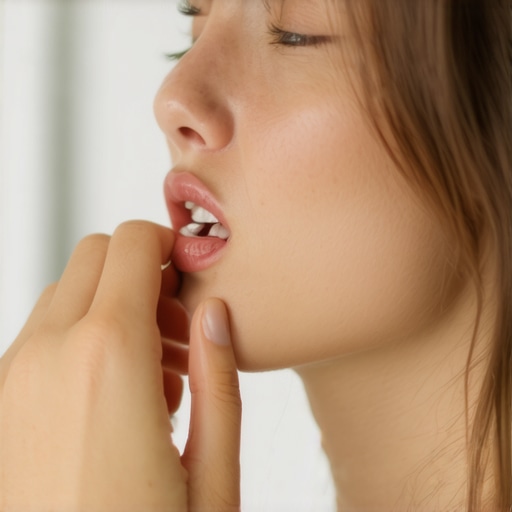
I vividly remember the moment when I bit into an apple and felt that unmistakable sudden jolt—a sharp, jagged edge scraping the inside of my cheek. My heart sank. That’s when I realized my once smooth, perfect tooth was now a tiny nightmare, threatening to turn my smile into a series of jagged, uncomfortable edges. Does this sound familiar? If you’ve experienced something similar, you’re not alone. I’ve been there, and I know how unsettling it can be to have a broken tooth with a sharp edge—especially when you’re waiting for that next dental appointment to fix it. But here’s the thing: you don’t have to suffer in silence or risk further damage until your visit.
Why a Sharp Edge on a Broken Tooth Just Can’t Wait
The truth is, a broken tooth isn’t just about aesthetics. A jagged or sharp edge can cause real discomfort—cutting your tongue, irritating your gums, or even damaging the inside of your cheeks. Moreover, exposed dentin or pulp can make your tooth more prone to infection or decay. Early intervention can prevent the problem from worsening and save you from more invasive procedures later. Trust me, I’ve made the mistake early in my dental journey of ignoring a small chip thinking it was no big deal—only to find out it led to a root canal. The key is understanding how to manage that sharp edge safely until your dental appointment.
Is a Temporary Fix Really Worth It?
Many people wonder if applying a simple household solution or makeshift repair is enough to get through the day. I once tried to wrap the edges with a bit of dental wax I found in my first aid kit, only to realize it was a terrible idea. The mistake I made early on was underestimating how delicate and important proper materials and techniques are. That experience taught me that using the right over-the-counter products—like dental wax—is essential. They’re specifically designed to provide a temporary barrier that protects your soft tissues and prevents worsening of the sharp edge. And if you’re curious about more professional tips, my recommendation is to check out the comprehensive guides available on trusted sites like Smile Gum Care, which provide insights on managing dental emergencies effectively and safely. It’s crucial to follow accurate guidance and not just improvise with household items that might do more harm than good.
Natural management of a broken tooth before your dental appointment combines safety, comfort, and prevention. So, do you have that sharp, jagged tooth that’s been bothering you? If so, keep reading—because the next steps could save you from unnecessary pain and additional dental issues.
My first attempt involved applying a small ball of dental wax to cover the jagged edge. I softened the wax between my fingers to make it pliable, then pressed it onto the sharp fragment. The result was immediate relief—gentle protection from cuts while eating or talking. If you don’t have dental wax, over-the-counter options like orthodontic wax are readily available at pharmacies. Remember to clean your tooth thoroughly before application to ensure the wax adheres well and doesn’t trap bacteria.
Find a Suitable Temporary Filling Product
During my messy first aid attempt, I used temporary filling material designed for dental emergencies. These are resin-based pastes that can be shaped onto the tooth’s edge. They provide a sturdier barrier than wax, especially if you need to eat regularly. You can purchase these products online or at dental supply stores. Always read the instructions carefully—most require mixing a base and catalyst, then shaping it before it hardens. My first try was too thick, making speech awkward, but with patience, I smoothed it out for better comfort.
Shape and Secure the Barrier
Using a clean applicator or even a toothpick, I molded the filling over the jagged part, avoiding the gums. Achieving a rounded, smooth shape minimized irritation. It took a few attempts, especially since the material is sticky, but shaping it properly prevents accidental swallowing or inhalation. This barrier not only prevents cuts but also shields the exposed dentin from further exposure to food particles and bacteria, reducing the risk of infection.
While managing the sharp edge, I switched to soft foods like yogurt, mashed potatoes, and smoothies. Hard, crunchy, or acidic foods can worsen sensitivity or dislodge temporary repairs. Sitting down for a gentle meal also helped avoid accidental biting on the problematic tooth. Remember, staying away from hot, cold, or sweet foods reduces pain and prevents further damage while waiting for your dental visit.
Over-the-counter analgesics like ibuprofen helped me manage inflammation and discomfort. I took doses as directed, focusing on timing—taking pain relief before meals minimizes discomfort during chewing. Applying a cold compress to the cheek can also reduce swelling. These measures are temporary but crucial for maintaining comfort and preventing reactive muscle tension or jaw clenching, which could make the sharp edge worse.
Maintaining oral hygiene is vital. I gently rinsed with warm salt water after eating or touching the tooth. This rinse flushes debris and keeps the area sterile. Brushing around the area carefully prevents plaque buildup without disturbing my temporary barrier. Avoid vigorous scrubbing directly on the broken tooth to prevent dislodging protective materials.
Before my dental appointment, I took photos of the broken tooth from different angles. Clear documentation helps your dentist assess the damage accurately. Note any changes like increasing pain, swelling, or bleeding, which could indicate an infection. Staying vigilant ensures your dentist can plan the most effective repair, whether it’s a veneer, crown, or root canal.
Managing a jagged tooth edge temporarily requires precision, patience, and the right materials. By covering the sharp fragment with dental wax or temporary filling and optimizing your diet and hygiene, you can reduce pain and avoid further tissue damage until professional treatment is available.
Skeptics vs. Experts: Spotting the Myths Behind Popular Dental Procedures
Many assume that teeth whitening, Invisalign, veneers, and routine family dentistry are straightforward solutions, but there’s a layer of nuance that often gets overlooked. For instance, the notion that all whitening treatments are alike is a misconception. Over-the-counter options may seem convenient, yet they can sometimes cause sensitivity or uneven results, especially if not selected appropriately. According to a 2023 study published in the Journal of Cosmetic Dentistry, professional whitening, tailored to your enamel’s condition, yields safer and more predictable outcomes than generic products. This reveals that understanding the specific needs of your teeth can make a significant difference in results and safety.
Common Pitfall: Overconfidence in DIY Fixes
Another mistake is overestimating the effectiveness of DIY repairs, such as attempting to reshape or veneer teeth at home. While quick fixes might seem tempting, they often lead to damage or misalignment that complicates professional treatment later. For example, applying household glues to bond veneers or reshape teeth can interfere with the bond strength of actual dental materials, making subsequent procedures more invasive and costly. A study by the American Academy of Cosmetic Dentistry emphasizes that only trained professionals should undertake cosmetic procedures, preserving both the health and aesthetics of your smile.
Question for Advanced Readers: How Do Material Choices Impact Long-Term Results?
When it comes to veneers and restorations, selecting the right material is crucial. Porcelain veneers, for example, are prized for their durability and aesthetic appeal, but not all porcelains are created equal. Recent research indicates that lithium disilicate ceramics offer superior strength and translucency compared to traditional feldspathic porcelains, extending the lifespan of veneers and reducing maintenance needs (source). Understanding these material nuances empowers you to make informed decisions and avoid the trap of choosing based solely on price or superficial features. If you’re curious about how material selection affects your smile’s longevity, exploring detailed guides or consulting with a specialist can be invaluable.
Protect Yourself from Hidden Risks
The key takeaway is that not all dental solutions are solutions for everyone. What works beautifully for one patient may not suit another, especially when considering existing oral health, lifestyle, or aesthetic goals. Always seek personalized advice from reputable professionals—like your trusted family dentist—who can evaluate your unique situation and recommend the most suitable approach. For a deeper understanding of how family dentistry can safeguard your entire family’s health, check out this resource.
In summary, peeling back the layers of common assumptions reveals that a nuanced understanding of materials, techniques, and individual needs is essential for effective dental care. Have you ever fallen into this trap? Let me know in the comments.
Invest in the Right Equipment for Ongoing Dental Care
Maintaining your radiant smile beyond dental treatments requires dedication and the right tools. I personally rely on an electric toothbrush with a variant sonic technology, such as the Oral-B Genius series, because it provides superior plaque removal and gum stimulation. Its oscillating-rotating action ensures a thorough clean that manual brushes can’t match, especially in hard-to-reach areas. Additionally, I incorporate interdental brushes like the TePe lengthened brushes for effective flossing in tight spaces—crucial after veneers or Invisalign to prevent plaque buildup. For my water flossers, I prefer the Waterpik Aquarius, known for gum health benefits and ease of use, which complements daily flossing routines and prevents periodontal issues over time.
Utilize Software and Apps to Track Oral Health
Technology can be a game-changer in long-term dental maintenance. I recommend using apps like Crescent, which sync with your dental devices and provide reminders for brushing, flossing, and even tracking changes in your oral condition. These digital tools help maintain consistency and identify early signs of problems—saving money and discomfort at the dentist. The future of dental care leans heavily into AI-driven diagnostics, improving early detection of issues like cavities or gum disease long before they become visible or painful, as highlighted in the latest teeth whitening insights for 2025.
How do I keep my dental maintenance routine effective over time?
Consistency is key—set regular schedules for brushing, flossing, and dental checkups. Investing in reliable tools, staying informed with technology, and consulting your dentist for personalized advice are essential strategies. Remember, long-term results depend on diligent everyday care combined with professional monitoring. Don’t hesitate to try advanced tips like integrating a water flosser into your routine or using specialized dental apps to track your progress. These small steps can greatly extend the lifespan of veneers, Invisalign, or crowns, ensuring your smile remains healthy and beautiful in the years to come.
Over the years, I’ve come to realize that truly understanding dental care goes far beyond brushing and flossing. It involves recognizing subtle nuances, questioning common myths, and embracing ongoing education. One of my most impactful lessons was discovering how material choices in veneers and crowns can influence long-term durability—trusting high-quality ceramics like lithium disilicate makes all the difference. Additionally, I’ve learned that DIY fixes, while tempting, often complicate professional treatments, so consulting experts remains essential. These insights underscore that mastering your dental health is a continuous journey of informed choices and cautious optimism.
Unlocking Hidden Lessons That Transformed My Dental Approach
- Measurement Matters: Using digital tools to track changes in my oral health revealed patterns I never noticed, preventing minor issues from escalating.
- Myths Can Harm: Believing that all over-the-counter whitening products are safe led me to unnecessary sensitivity. Professional guidance ensures safer results.
- Materials Are Everything: Choosing the right veneer material has drastically extended its lifespan, saving me repeated visits and expenses.
- Prevention Over Cure: Regular tech-infused checkups early on caught potential problems, saving time and discomfort in the future.
Tools and Resources That Changed My Perspective
- Top teeth whitening strategies: Inspired me to opt for professional treatments over DIY kits, enhancing safety and results.
- Veneers in 2025: Educated me on the significance of material choices, leading to more durable and aesthetic outcomes.
- Invisalign tips: Provided insights into discreet orthodontics, encouraging me to pursue smile corrections confidently.
- Family dentistry: Reinforced the importance of tailored care for all ages, ensuring long-term oral health for my loved ones and me.
Take Charge of Your Smile Today
Your journey to a healthier, brighter smile starts with curiosity and action. The more you learn about choosing the right materials, embracing innovative technologies, and seeking professional advice, the better your results will be. Remember, your dental health isn’t a one-time effort—it’s a lifelong commitment. So, take that first step confidently, explore trusted resources, and never hesitate to ask your dentist questions. Your perfect smile awaits, and every small decision counts in making it a reality.
What’s the most surprising thing you’ve learned about dental care? Drop your thoughts below and join the conversation!