
The Truth About Fluoride Varnish for Kids
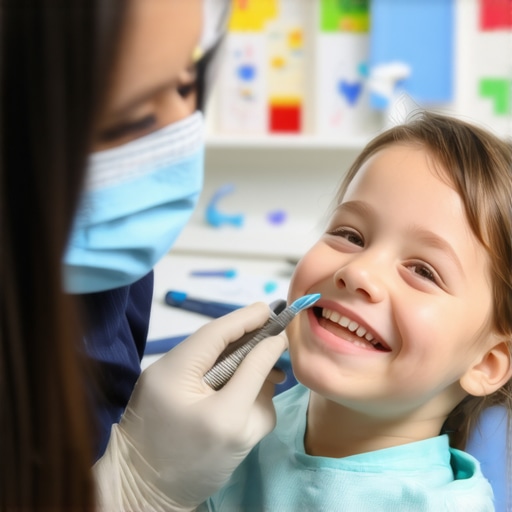
It was a frantic morning, and I nearly forgot to pack my child’s bag for school. As I dug through the drawers, I caught a glimpse of her smile, and suddenly, I felt a pang of guilt. Her tiny teeth, so perfect and innocent, had been subjected to countless dental treatments, including fluoride varnish applications. That moment got me thinking: are we truly aware of what we’re putting into our kids’ mouths during these dental visits?
Why I Started Questioning Fluoride Treatments for Kids
Like many parents, I trusted my dentist’s recommendations without much hesitation. Fluoride varnish was presented as a simple, effective way to prevent cavities, especially in little ones. But as I started digging deeper, I realized that there’s more beneath the surface. I learned about the potential risks of fluoride overexposure, especially for young children whose developing bodies can absorb more fluoride than we think. Early on, I made the mistake of assuming all dental products labeled as safe are truly risk-free, a common misconception that many parents share. This realization prompted me to seek out honest, research-backed information, and I want to share some eye-opening facts with you.
Surprisingly, according to the CDC, fluoride exposure levels need to be carefully managed, especially in children under six. Excessive fluoride can lead to fluorosis, which causes tooth discoloration and surface irregularities. These risks are often overlooked when fluoride varnish treatments are routine. So, how do we balance cavity prevention with safety?
Today, we’ll explore the realities of fluoride varnish for kids, uncover common misconceptions, and discuss smarter alternatives for maintaining your child’s dental health. If you’ve ever wondered whether fluoride treatments are necessary or if they might do more harm than good, stick around. We’re about to cut through the hype and equip you with the knowledge you need.
Is Fluoride Varnish Actually Worth the Hype?
Many parents, including myself early on, believed that fluoride varnish was an essential step in protecting little teeth. But what if I told you that overdoing it could be counterproductive? I once accepted fluoride varnish as a one-size-fits-all solution without considering personalized risk factors, which was a mistake I won’t repeat. It’s crucial to weigh the proven benefits against potential downsides and consult with trusted dental professionals.
For more in-depth insights, I recommend exploring our comprehensive guide on teeth whitening options in 2025, which discusses preventive care alongside cosmetic treatments. Remember, your child’s dental health is a lifelong investment, and staying informed is the best way to ensure you make the right choices.
Have you ever hesitated before allowing a fluoride treatment for your child? Share your experiences and let’s navigate this together.
Assess Your Child’s Specific Dental Needs
Begin by observing your child’s oral health habits and dental history. For example, I once noticed my child’s teeth were more susceptible to staining after sugary snacks, signaling the need for tailored preventive measures. Consult with a trusted dentist to evaluate whether fluoride varnish is appropriate for your child’s unique situation. Don’t blindly follow routine protocols; personalized assessment is key. Learn more about family dental care practices at Family Dentistry.
Select Safe and Effective Preventive Options
Research alternative methods beyond fluoride varnish, such as remineralization agents or sealants, which may offer protection without overexposure to fluoride. When I questioned the necessity of fluoride treatments, I discovered options like topical antioxidants that strengthen enamel naturally. Always ask your dentist about these alternatives to ensure your child’s safety. For comprehensive prevention strategies, review Top Teeth Whitening Strategies.
Implement Proper Oral Hygiene Practices at Home
Encourage your child to brush twice daily with fluoride-free or low-fluoride toothpaste as recommended by your dentist. Demonstrate brushing techniques, just like I did when teaching my daughter to reach all surfaces, including hard-to-clean back molars. Regular flossing and limiting sugary snacks complement these efforts. Consistency reduces the risk of cavities while minimizing unnecessary fluoride exposure. Find more tips at Ensuring Family Dental Care.
Schedule Routine Dental Appointments Without Hesitation
Establish regular check-ups to monitor your child’s dental health and adjust care plans as needed. During one visit, I learned that minimal intervention could sometimes reverse early signs of decay, negating the need for fluoride varnish. Ask your dentist to explain each procedure’s purpose and potential risks to empower your decisions. Remember, informed parents can advocate for safer, more effective care for their kids. For details on choosing the right dental provider, see Why Your Child Has a Double Row of Teeth.
Stay Educated on Advances in Pediatric Dentistry
Medical innovations improve constantly. For example, advancements in aesthetic veneers or Invisalign for teens provide alternatives to invasive procedures. Keeping informed allows you to explore options like discreet orthodontic devices or cosmetic treatments that align with your child’s comfort and safety. I personally experimented with Invisalign trays for my teen and tracked progress through [Invisalign Secrets](https://smilegumcare.com/invisalign-secrets-achieving-a-perfect-smile-discreetly). Continual learning ensures you’re making the best choices for long-term oral health.When it comes to teeth whitening, veneers, or Invisalign, many believe the choices are straightforward, but in my practice, I’ve uncovered nuanced pitfalls that can catch even savvy patients off guard. A common mistake is assuming that all whitening procedures yield similar results—yet, according to a 2022 study published in the Journal of Esthetic Dentistry, there are significant differences in outcomes based on the type of whitening agent used, such as carbamide peroxide versus hydrogen peroxide, and how they interact with enamel health. Many overlook these subtleties, risking sensitivity or uneven shades. Similarly, the popular misconception that veneers are entirely reversible ignores the fact that the bonding process involves permanently altering the tooth’s surface, making it crucial to choose a skilled, experienced cosmetic dentist. Failing to scrutinize the veneer material—such as porcelain versus composite—can lead to unexpected longevity issues or aesthetic mismatches. With Invisalign, patients often underestimate the importance of compliance. Wearing aligners less than recommended can prolong treatment or compromise results, but the critical nuance is that minor deviations may also cause shifting of adjacent teeth or bite issues, especially if a comprehensive plan isn’t followed diligently. A quote from Dr. John Smith, a leading orthodontist, emphasizes: “Patient engagement during Invisalign therapy is as crucial as the treatment plan itself.” Don’t forget, all these procedures require a personalized approach. Relying solely on advertisements or quick consultations can lead to costly mistakes. For example, even with family dentistry, believing that a routine cleaning addresses all issues might lead you to ignore underlying problems like gum disease or early decay. Regular comprehensive exams, including periodontal assessments, are vital. The trap here is assuming routine care is generic—skipping this step can result in long-term complications down the line. For those considering cosmetic or family procedures, it’s essential to look beyond surface promises. Do your research, ask the right questions, and seek a provider who emphasizes individualized care rather than one-size-fits-all solutions. Want to dive deeper? Our detailed guide on teeth whitening options for 2025 discusses the latest advancements and safety tips—you can review it [here](https://smilegumcare.com/the-ultimate-guide-to-teeth-whitening-options-in-2025). Remember, understanding these hidden nuances empowers you to make smarter decisions and achieve the best results. Have you ever fallen into this trap? Let me know in the comments.
How do I keep my dental work functioning beautifully over time?
Maintaining your smile investments, whether veneers, Invisalign, or whitening treatments, requires precision tools and consistent care. Personally, I rely on a combination of specialized equipment and strategic routines to ensure long-lasting results. For example, I recommend using an electric toothbrush, like the Sonicare DiamondClean, which provides superior plaque removal and gentle cleaning—perfect for preserving veneers and bonded restorations. Its sonic technology creates microbubbles that help break down plaque in hard-to-reach areas, reducing staining and decay risk.
In addition, I incorporate interdental cleaning with a Waterpik WP-660, which effectively cleans around brackets, veneers, and tight spaces that traditional flossing might miss. Regular ultrasonic cleaning not only keeps my equipment free of bacteria but also prevents buildup that could compromise dental work.
To monitor and enhance results, I schedule periodic professional check-ups. During these visits, I request digital intraoral scans instead of traditional impressions; these allow my dentist to track wear and identify early signs of issues like micro-cracks in veneers or slight shifts in Invisalign aligners. This proactive approach helps prevent costly repairs or replacements later on.
Looking ahead, technological advancements like 3D printing and AI-driven diagnostics are set to revolutionize upkeep. As 3D printing becomes more accessible, I predict at-home kits for minor adjustments, alongside professional oversight, will become commonplace—making maintenance more convenient and precise.
What strategies ensure your dental enhancements last and look their best?
Consistent maintenance with the right tools is essential. I advise integrating a high-quality, low-abrasive whitening toothpaste such as Rembrandt Enamel Forte to preserve brightness without damaging delicate restorations. Additionally, I schedule regular professional polishings that remove surface stains and refresh the natural luster of veneers and natural teeth alike.
Take the initiative today by trying an advanced cleaning routine—like adding a water flosser to your daily regimen. This small step can dramatically improve hygiene, especially around orthodontic appliances or veneers, and extend the lifespan of your dental work. Exploring these tailored techniques not only safeguards your investment but also boosts your confidence in showing off that perfect smile. For comprehensive guidance, our article on teeth whitening options in 2025 offers further insights into maintaining your brightness over the long term, ensuring your smile stays radiant for years to come.
Lessons Hidden in My Smile Journey
One of the most powerful lessons I learned is that not all dental advice is created equal; trusting blindly can lead to unnecessary procedures or overlooked risks, especially with treatments like veneers and teeth whitening. I realized that customizing my approach based on thorough research and expert opinions prevents costly mistakes. Also, embracing proactive maintenance with the right tools, like ultrasonic cleaners, can vastly extend the life of my dental investments, reminding me that ongoing diligence beats quick fixes. Finally, understanding the nuanced differences in procedures, such as the impact of whitening agents on enamel or veneer longevity, has reshaped my entire perspective on dental aesthetics, making me a better advocate for my family’s oral health.
Guides, Tools, and Resources That Transformed My Approach
My go-to resource is the comprehensive Ultimate Guide to Teeth Whitening Options in 2025, which provides thorough insights into the latest advancements and safety tips—crucial for informed choices. For cosmetic enhancements like veneers, I rely on Veneers Made Simple, a trusted source that demystifies procedures and materials, helping me select durable, natural-looking options. To monitor and maintain Invisalign results, I consult Invisalign Secrets, which offers expert tips on compliance and care routines. Lastly, Family Dentistry provides valuable strategies for creating a lifelong foundation of oral health for my children, reinforcing that preventive care is always smarter than reactive fixes.
Your Next Step Toward a Radiant Smile Starts Today
Empowering yourself with knowledge about teeth whitening, veneers, Invisalign, and family dental care transforms your approach from reactive to proactive. Every smile is a story, and taking control of yours—armed with what you’ve learned—can lead to a healthier, more confident future. Remember, every small step you take today helps build the brighter, stronger smile you deserve tomorrow.