
Why Your Child Has a Double Row of Teeth
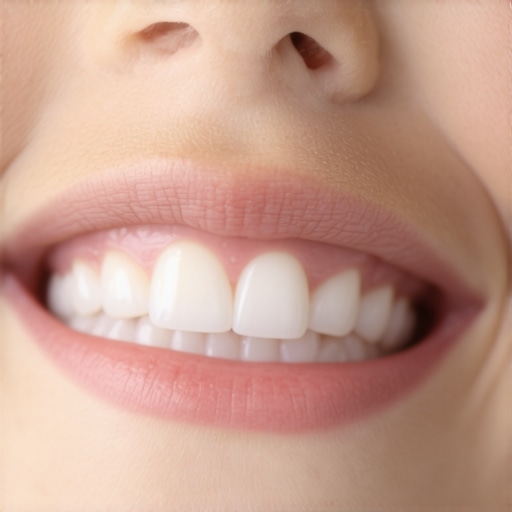
I remember the moment I first noticed my child’s unusual smile—those tiny, emerging teeth seemed more crowded than usual, and then I spotted it: a double row of teeth, like a miniature shark in the making. It was a lightbulb moment for me, realizing that what I thought was just a phase could be something more significant. If you’ve ever looked at your child’s teeth and felt a flicker of concern or confusion, you’re not alone. Many parents wonder, “Is this normal? Should I worry?” Today, we’re going to dig into why some kids develop this double row of teeth and, more importantly, what steps you can take to ensure your child’s dental health isn’t compromised.
Understanding the Double Row Phenomenon in Children
Why Does My Kid Have Two Rows of Teeth?
The appearance of a double row of teeth, medically known as a ‘supradental arch’ or ‘double teeth,’ can be startling. It often results from genetic factors, developmental stages, or habits such as thumb-sucking, which can influence teeth alignment over time. Sometimes, it’s just part of the natural shedding process, but in other cases, it indicates underlying issues like retained primary teeth or early signs of malocclusion.
Early on, I made the mistake of dismissing my child’s additional teeth as just a phase, which led me to delay a proper dental consultation. That delay could have impacted his future oral health. According to the American Academy of Pediatric Dentistry, identifying and addressing abnormal tooth development early can prevent more complex orthodontic problems later. So, if your child exhibits this trait, it’s a good idea to consult with a family dentist promptly.
Wondering whether it’s worth chasing after this double row or just a passing phase? That’s a common concern. Let’s explore that next.
Schedule a Professional Dental Evaluation
First, book a consultation with a pediatric dentist to get a precise diagnosis. During my own experience, I took my child to a dentist within a week after noticing the extra teeth. We discussed the possibility of retained primary teeth or early malocclusion, which allowed us to plan the next steps effectively.
Assess the Development and Plan Treatment
Understand the Underlying Cause
Have the dentist examine whether the double row is a normal developmental stage or a sign of an issue like supernumerary teeth or extra primary teeth retention. The dentist might take X-rays to see the root causes clearly, similar to how radiographs reveal hidden issues behind your smile—see this guide for understanding dental imaging.
Decide on Intervention Options
Depending on the diagnosis, treatment may involve removing extra teeth, orthodontic appliances, or monitoring growth. When I opted for early intervention, it involved a simple extraction combined with braces, which is like pruning a plant to ensure healthy growth—preventing future overcrowding and alignment problems.
Implement Orthodontic Measures
Choose the Right Orthodontic Approach
If braces are necessary, options like traditional brackets or Invisalign can be considered. For a discreet solution, Invisalign offers nearly invisible aligners—discover more about this by visiting this resource. I remember fitting my son’s Invisalign trays carefully, as if inserting a snug glove over a child’s tiny hand. Regular adjustments and consistent wear are crucial to success.
Complement with Dental Hygiene Routines
Maintain excellent oral hygiene to support treatment. Brushing twice daily, flossing, and using mouth rinses keep debris away—think of it as cleaning the workspace to enhance the effectiveness of your tools. A professional cleaning before starting orthodontic processes often helps prevent complications, much like preparing the foundation before building.
Follow-Up and Monitoring
Regular visits are essential to track progress and make adjustments. Just as I checked my child’s teeth periodically, ensuring the orthodontic appliances fit well and the teeth are moving as planned, ongoing monitoring prevents unexpected setbacks. This proactive approach can help you avoid more complicated procedures later, much like maintaining your car regularly to prevent costly repairs.
Consider Future Cosmetic Solutions
Once the primary issue is resolved, you might explore cosmetic options such as veneers or teeth whitening to perfect the smile’s appearance. For example, after correcting the alignment, I explored options like veneers to enhance aesthetics, which can boost confidence and overall satisfaction with your child’s smile. Knowing the correct sequence—treating structural issues first, then refining appearance—ensures long-lasting results.
Many believe that teeth whitening offers instant results without repercussions, but in reality, overusing whitening products can lead to enamel erosion and increased sensitivity—a fact supported by the American Dental Association’s research on dental sensitivity caused by bleaching agents. When it comes to Invisalign, there’s a misconception that it’s suitable for all orthodontic cases; however, complex malocclusions often require traditional braces or other interventions, a nuance many overlook. Veneers are frequently considered a quick fix for aesthetic flaws, yet choosing between veneers and crowns requires a nuanced understanding of long-term durability and reversibility, which is detailed in [this comprehensive comparison](https://smilegumcare.com/veneers-vs-crowns-which-is-right-for-your-smile). In family dentistry, a common myth is that regular check-ups are unnecessary for healthy children; on the contrary, early assessments can prevent future orthodontic and dental issues, as emphasized in [this guide](https://smilegumcare.com/family-dentistry-tips-creating-a-healthy-smile-for-your-kids-at-0915). The hidden nuance is that each dental treatment or preventive measure isn’t one-size-fits-all; what works for one patient may not be ideal for another. For instance, choosing between veneers and crowns isn’t solely about appearance but also about the underlying tooth structure and future maintenance needs. Overlooking these details can lead to unnecessary costs and compromises in oral health. Remember, a deep understanding of these treatments equips you to make informed choices, avoiding common pitfalls and optimizing your dental health. Have you ever fallen into this trap? Let me know in the comments.Maintaining your dental transformations like veneers, Invisalign, or whitening results requires the right tools and consistent care routines. Personally, I rely on a few specialized instruments to ensure longevity and optimal health. A high-quality interdental brush, for example, like the GUM PROximal Interdental Brush, allows me to clean areas that floss can’t reach effectively, preventing plaque buildup that can erode veneers or compromise orthodontic appliances. I also swear by a water flosser—specifically, the Waterpik Aquarius—because it helps remove debris in hard-to-reach spots, especially around brackets or under veneers, reducing the risk of decay or gum inflammation.
Regularly using an electric toothbrush with a gentle yet thorough oscillating motion is another essential part of my routine. I prefer models with customizable intensity settings and pressure sensors, such as the Oral-B Genius X, to prevent over-brushing that can damage sensitive enamel or gums. These tools work synergistically, ensuring my smile stays bright and healthy over the long term.
When it comes to whitening, I recommend employing gentle, enamel-safe whitening pens for touch-ups, paired with a customized whitening tray for at-home use. This combination allows for controlled, consistent results without overexposing teeth to bleaching agents. The key is to follow the guidelines set by your dental professional, as overuse can lead to increased sensitivity, a common concern supported by studies like the ADA’s research on bleaching side effects.
Looking ahead, I think the trend in dental care will lean further toward smart devices—think Bluetooth-enabled toothbrushes that connect with apps to track your brushing habits and provide real-time feedback. Integration with AI diagnostics could also mean more personalized maintenance plans, alerting you to early signs of issues before they escalate.
**How do I keep my Invisalign or veneers in pristine condition over time?** The answer is simple: consistent, mindful maintenance using the right tools. For instance, replacing your toothbrush every three months, as recommended by dental experts, maintains effective cleaning and prevents bacteria transfer. Also, routine professional cleanings scheduled with your dentist act as a vital check-up to catch any emerging concerns early. Remember, your smile’s success depends not just on the initial treatment but on ongoing care.
Want to optimize your dental routine further? Try incorporating a water flosser like the Waterpik Aquarius into your nightly regimen. This small but mighty device can significantly reduce plaque accumulation, especially in areas where traditional floss struggles. For more insights into long-term dental maintenance, visit [Family Dentistry](https://smilegumcare.com/family-dentistry-building-healthy-smiles-for-every-generation). Keep your smile radiant—keep it working.
What I Learned About Early Intervention Makes All the Difference
One of the most crucial insights was realizing that waiting for issues like double rows of teeth to resolve on their own can lead to bigger problems down the line. Acting promptly—whether through early orthodontic consultation or gentle intervention—can save a child from uncomfortable procedures later. This lesson taught me to trust the wisdom of pediatric specialists and not dismiss signs that might seem harmless at first glance.
Small Details Hold the Power to Prevent Future Expensive Repairs
Paying attention to minor signs—like irregular tooth development—can be the difference between a quick fix and a complex correction. I discovered that regular dental check-ups are invaluable, not just for cleaning but for catching subtle cues early. This proactive approach emphasizes that preventive steps today can reduce costs and emotional stress tomorrow.
Customized Care Is Not Just a Buzzword—It’s Life-Changing
Every child’s dental needs are unique, and personalized treatment plans—whether for braces, veneers, or whitening—offer the best results. My eye-opening moment was understanding that off-the-shelf solutions often fall short; instead, working closely with my child’s dentist to tailor treatments made all the difference in his confidence and oral health.
How Dental Routines Become Your Child’s Best Defense
Building a consistent, joyful dental routine turned out to be more impactful than I imagined. Incorporating tools like interdental brushes and water flossers, and making sessions fun, helped cultivate lifelong habits. This insight reinforced that daily care routines are foundational to maintaining a healthy, radiant smile for years to come.
Resources That Shaped My Dental Journey
I’ve come to rely on trusted sources that break down complex topics into understandable advice. Websites like this detailed comparison help clarify treatment options, ensuring I make informed decisions. Books such as Transform Your Smile with Veneers have also provided practical insights that I still revisit. These resources have empowered me to advocate confidently for my child’s dental health.
Your Smile Sanctuary Starts Now
Taking responsibility early sets the stage for a lifetime of confident, healthy smiles. Whether you’re contemplating veneers, Invisalign, or just establishing good routines, remember that your proactive efforts are investments in your child’s future. Don’t wait for problems to become urgent—embrace the journey today and see the incredible transformation unfold.