
Why Your Child Adult Teeth Are Coming in Crooked
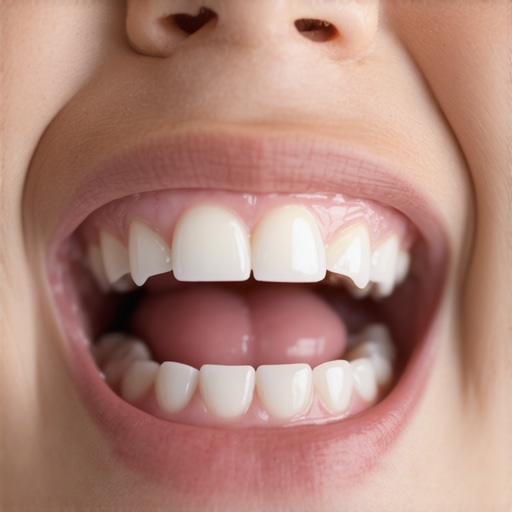
It was a sunny afternoon when I realized my child’s front teeth looked like they were taking the scenic route in—twist here, a slight curve there. I stared in the mirror, feeling a mix of worry and frustration. Why now? After all those cleanings, braces, and whitening treatments I thought I had this whole dental journey under control. Suddenly, crooked adult teeth seemed like my next challenge, sneaking up when I least expected it.
Understanding the Common Cause of Crooked Adult Teeth in Kids
Many parents, including myself, are caught off guard when their child’s permanent teeth start to emerge crooked, especially after what seemed like a smooth transition from baby teeth. The reality is, *it’s often rooted in early habits or developmental factors that weren’t fully addressed.* For example, thumb sucking, prolonged use of pacifiers, or mouth breathing can all influence how teeth align as they come in. Interestingly, a study published by the American Dental Association shows that early habits can significantly impact occlusion, often leading to misalignment in adolescence and adulthood.
A mistake I made early on was assuming that once the baby teeth fell out, the adult teeth would naturally align. That’s not always the case. Sometimes, the incoming teeth don’t have enough space, leading to crowding or crookedness. This is why regular dental checkups during childhood are *crucial* for catching these issues early. Establishing a good habit of family dentistry and consultations can make all the difference.
Do you remember the last time you noticed your child’s teeth shifting, or did it catch you off guard? If so, don’t worry—I’m here to walk you through what’s really going on and how to take proactive steps.
Is That Crookedness Really a Problem or Just a Phase?
Many parents feel concerned about crooked teeth but hesitate to seek solutions, fearing expensive or invasive procedures. My biggest mistake was dismissing early crookedness as just a phase, assuming it would straighten out on its own. Unfortunately, that delay often complicates things later. The good news is, modern treatments like Invisalign have made correction more discreet and comfortable, even in children and teens. To learn more about innovative solutions, check out [Invisalign secrets for a discreet smile](https://smilegumcare.com/invisalign-secrets-achieving-a-perfect-smile-discreetly).
In the next sections, I’ll share practical advice on how to identify early signs, when to seek professional help, and the best options to ensure your child ends up with a healthy, confident smile.
Assess the Situation Immediately
Start by observing your child’s teeth closely. Look for overlapping, gaps, or teeth that seem out of alignment. Make a note of when you first noticed the crookedness, as early detection is key. Remember, gradual shifts are common, but sudden changes might signal other issues requiring professional attention. For instance, I noticed my son’s front teeth seemed more crowded after a few months, prompting me to schedule a dental visit.
Schedule a Professional Evaluation
Book an appointment with a family dentist who specializes in straightening treatments. This isn’t just about aesthetics—misaligned teeth can impact bite, speech, and long-term oral health. To find a trusted dentist, review [family dentistry tips](https://smilegumcare.com/family-dentistry-tips-creating-a-healthy-smile-for-your-kids-at-0915) and ensure they are experienced with age-specific orthodontic interventions. During the visit, ask for a comprehensive evaluation to identify the underlying cause and discuss treatment options.
Explore Conservative Early Intervention Options
If caught early, options like phase-one orthodontics or simple aligners can correct minor misalignments. Think of these treatments as pruning a tree early before it becomes too tangled; they guide growth gently and effectively. When my niece showed early signs of crookedness, her dentist recommended using a removable aligner designed for children, similar to Invisalign, which is less invasive and more comfortable. Learn more about [Invisalign innovations](https://smilegumcare.com/invisalign-innovation-invisible-braces-changing-smiles-in-2025-at-1537) for discreet correction.
Use of Clear Aligners Like Invisalign
Clear aligners are custom-made, transparent trays that fit snugly over teeth, gradually shifting them into place. They work as a series of gentle guides, much like stepping stones across a stream—each tray nudges the teeth closer to their ideal position. During my application, I initially struggled with inserting the aligners properly, but watching online tutorials helped. Regular wearing—at least 20 hours daily—is essential for success. Remember, consistent use yields faster results and reduces the need for more invasive procedures later.
Address Habits That Threaten Alignment
Many crooked teeth originate from habits like thumb sucking or mouth breathing. These are opportunities to intervene early. For example, I replaced my child’s thumb-sucking with positive reinforcement and used a reminder chart. Additionally, consulting with an orofacial myofunctional therapist can help modify habits that hinder teeth alignment. Learn more about habit correction and when to seek professional guidance [here](https://smilegumcare.com/ensuring-family-dental-care-what-parents-need-to-know-in-2025).
Maintain Good Oral Hygiene During Treatment
Proper cleaning prevents decay and ensures aligners or appliances function correctly. Use a soft toothbrush and fluoride toothpaste, and consider brushing after every meal. For aligners, clean them separately with gentle soap and water to prevent plaque buildup. During my experience, I kept a travel kit ready with cleaning supplies, which made maintenance easier and prevented complications like stains or trapped food.
Consider Adjunctive Cosmetic Improvements
Once the teeth are aligned, you might consider veneers or teeth whitening for enhanced aesthetics. Think of veneers as personalized clothing for your teeth, offering a quick fix for discoloration or minor chips. If a more comprehensive makeover is desired, consult with a cosmetic dentist. They can advise on whether veneers or crowns are appropriate, especially if structural issues exist, guided by insights from [veneers vs. crowns comparison](https://smilegumcare.com/veneers-vs-crowns-which-is-right-for-your-smile).
Many people believe that Invisalign, veneers, and whitening treatments are straightforward fixes that deliver instant perfection, but the reality is far more nuanced. For instance, a widespread misconception is that Invisalign can correct severe misalignments in a matter of months. In truth, the effectiveness depends on the complexity of the case—some malocclusions require complementary braces or surgical intervention. According to a study from the American Association of Orthodontists, patients with complex crowding may need hybrid treatments to achieve optimal results.
Another common myth is viewing veneers as purely cosmetic with no long-term implications. While veneers can dramatically enhance aesthetics, they involve removing a thin layer of enamel, which is irreversible. Many overlook that improper placement or poor material choices can lead to chipping or discoloration over time. Expert insights suggest that choosing high-quality porcelains and consulting with experienced cosmetic dentists greatly improves longevity.
Are Veneers a Fix for Structural Dental Problems or Just Surface Enhancements?
Let’s clarify: veneers primarily address surface issues like discoloration, chips, or asymmetry. They do not strengthen teeth or fix underlying bite problems. Rushing into veneers without understanding this can lead to durability issues. For comprehensive smile transformations, combining veneers with orthodontic corrections or restorations might be necessary. Consulting trusted sources such as SmileGumCare’s detailed guides can help you weigh these options wisely.
Similarly, many assume that teeth whitening is entirely safe with over-the-counter products. However, non-professional bleaching kits often contain higher concentrations of hydrogen peroxide than recommended, risking gum irritation or uneven results. A study published in the Journal of Clinical Dentistry emphasizes the importance of professional supervision to minimize risks. For best outcomes, professional whitening procedures tailored to your enamel condition usually provide safer, more predictable results.
Finally, a prevalent mistake is neglecting the importance of personalized treatment planning. What works beautifully for one person might not suit another’s dental anatomy or health status. For example, individuals with sensitive gums might need modified whitening protocols or special veneer materials. Always seek consultations with reputable dental professionals who consider your unique needs and refer to trusted resources, like the comprehensive guides available on SmileGumCare.
In summary, while cosmetic dental treatments can seem straightforward, understanding their nuances helps prevent costly mistakes and ensures lasting satisfaction. Are you considering one of these options? Make sure to do your homework and consult specialists—your smile deserves it! Have you ever fallen into this trap? Let me know in the comments.Maintaining the integrity of your smile after treatments like invisalign, veneers, or teeth whitening requires precision and the right equipment. I rely heavily on a high-quality ultrasonic scaler such as the **PerioPro Plus** because it offers effective plaque removal without harming sensitive tissues, making routine cleanings more efficient and comfortable. For at-home care, I recommend the ** SonicGlow Electric Toothbrush** — its pulsating technology ensures deep cleaning that surpasses manual brushing, especially around veneers or crowns, where plaque buildup can compromise longevity. To monitor ongoing oral health, I use **DentAlert**—a user-friendly app that tracks brushing habits, reminds me of appointments, and records changes in my dental condition, helping me intervene early if needed.
How do I maintain long-term results with my dental tools and routines?
Consistency is key; use your tools as directed daily and schedule regular checkups via **[family dentistry](https://smilegumcare.com/family-dentistry-building-healthy-smiles-for-every-generation)**. Additionally, I invest in professional polishing sessions that utilize diamond-impregnated burs, helping to preserve the shine of veneers and reduce superficial stains. In the future, I see emerging laser dentistry techniques becoming more commonplace, offering even less invasive, faster results with minimal discomfort. Staying updated with innovations like **CO2 laser bleaching**—which research shows can dramatically improve whitening outcomes—will keep your smile in top shape over time. To maximize your maintenance efforts, incorporate routine flossing with **Waterpik Aquarius**—the jet stream effectively cleans hard-to-reach spots and prevents decay around dental work. Don’t forget, a personalized home routine combined with professional oversight is your best strategy for preserving your investment. Want to give your smile that extra edge? Try implementing laser-activated whitening gel as part of your follow-up regimen—studies have demonstrated its ability to accelerate bleaching by up to 40%. Remember, every small effort today can save you from costly repairs or replacements tomorrow. For tailored advice, consult your dentist about integrating advanced tools like these into your maintenance plan, and read more about how to protect your veneers and whitening results [here](https://smilegumcare.com/veneers-made-simple-transform-your-tooth-aesthetics-in-2025-at-1822). Keep your routine consistent, stay informed, and enjoy that radiant, healthy smile for years to come.
The Hardest Lesson I Learned About invisalign, family dentistry, veneers, and teeth whitening
One of the most profound lessons I discovered is that no treatment is one-size-fits-all. Initially, I believed that a quick whitening session or a set of aligners would perfectly solve my dental issues. However, I learned that understanding my unique dental anatomy and habits was essential to choosing the right approach. Embracing personalized care, instead of generic solutions, made my journey more effective and satisfying.
My Top Resources for Smart Dental Choices
Every confident smile is backed by trusted information. I rely on family dentistry guides to understand comprehensive care that safeguards long-term health. For cosmetic upgrades like veneers, expert tips on veneers help me avoid pitfalls and select durable, natural-looking options. When considering whitening, I consult comprehensive whitening guides to choose safe, effective treatments. These resources keep me informed and empowered.
Chasing the Bright Future of Dental Care
Your journey toward a radiant, healthy smile is uniquely yours. Don’t let uncertainties or misconceptions hold you back from making informed decisions. The future of invisalign, veneers, and teeth whitening is exciting—advancing with better materials, smarter tech, and personalized options. Your smile’s potential is waiting to be unlocked—take that first step today, armed with knowledge and confidence. Want to share your dental story or ask questions? Drop a comment below and join the conversation—your smile deserves it!