Why your front tooth looks shorter after wearing Invisalign
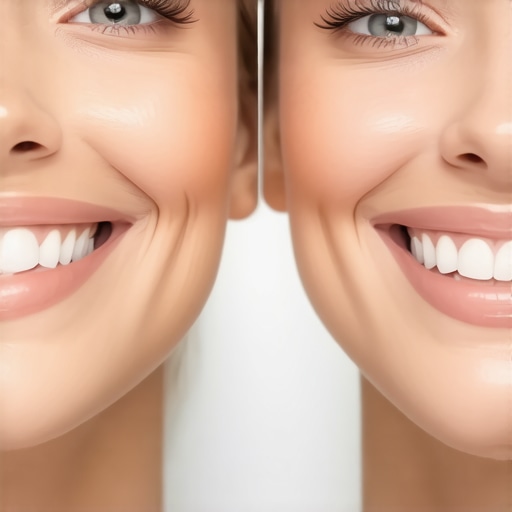
It happened in the mirror one morning—I suddenly felt my front tooth looked oddly shorter than it used to be. At first, I thought I was imagining things, but then I couldn’t shake the feeling that my smile was changing in a way I didn’t expect. That moment was a lightbulb for me—a clear sign that something was off with my Invisalign journey. If you’ve ever noticed a similar change, you’re not alone, and it can be pretty unsettling.
Why does my front tooth seem shorter after wearing Invisalign?
Many people embarking on Invisalign treatments assume that straightening teeth is a straightforward process, but the reality can be more nuanced. The change in the appearance of your front tooth isn’t necessarily a sign of damage. Sometimes, Invisalign aligns teeth in such a way that the overall aesthetic shifts, making certain teeth seem shorter or longer temporarily. This is often due to how the aligners move your teeth incrementally, affecting the soft tissue and the way your smile looks during the process.
In my case, I made a common mistake early on—ignoring the importance of proper attachment placement and not communicating concerns with my orthodontist. This oversight can lead to unintended movement or uneven results, which might make your teeth look different than expected. If you’re curious about how to avoid such pitfalls, check out these Invisalign secrets for achieving optimal results.
Understanding that temporary changes can happen is crucial. They’re often part of the normal adjustment phase, and with the right guidance, you can ensure your final smile turns out just the way you want. But the question is—how do you tell whether this is a normal phase or something that needs addressing? That’s what we’ll explore in this post.
Will my smile be forever altered? Or is this just a passing phase?
Many skeptics worry—”Is Invisalign actually worth the hype if it alters my appearance temporarily?” Early in my treatment, I had similar doubts. I didn’t realize that slight changes are often part of achieving a perfect finish. The key lies in working closely with your orthodontist and understanding the process. Don’t make the mistake of ignoring minor shifts—they’re often part of the journey toward your new smile.
Knowing the right steps to monitor, communicate, and adjust can make all the difference. If you’re wondering whether your current changes are normal or signals of a problem, consider consulting your dental professional or exploring trusted sources like this guide on smile transformations.
Next, let’s look at practical strategies to ensure your Invisalign results align with your expectations and to prevent the appearance of a shorter front tooth from becoming a lasting concern.
.
Check Your Attachments and Aligner Fit
Begin by inspecting your aligners to ensure they fit snugly over your teeth. Loose or cracked aligners can lead to uneven pressure, causing unintended tooth movement. During my own treatment, I noticed my aligner felt slightly loose one evening. I carefully examined it, finding a small crack along the edge. Replacing it immediately prevented further misalignment and preserved my progress. Always replace damaged aligners promptly and consult your orthodontist if issues persist.
Evaluate the Positioning of Your Teeth
Use a mirror to observe any visible shifts in your front teeth. If you observe uneven spacing or your teeth appear shorter than before, it might be a result of the ongoing movement process. I once noticed my right central incisor looked less prominent after a week, which initially unsettled me. Recognizing this was part of the alignment process, I maintained communication with my provider to track progress.
Document Changes with Photos
Take periodic photographs of your smile from different angles. This helps you notice subtle changes that might not be apparent daily. In my case, comparing photos week-to-week revealed gradual transpositions, confirming normal progression.
Communicate with Your Orthodontist or Dental Professional
If you suspect your front tooth is shortening unusually or experiencing discomfort, schedule a consultation promptly. Clearly describe your observations, and share your photos if possible. During my consultation, my orthodontist reviewed my case using detailed scans, reassuring me that minor deviations are common and manageable.
Implement Proper Oral Hygiene Habits
Maintain meticulous oral hygiene to prevent soft tissue irritation that can affect tooth appearance. Using a soft-bristled toothbrush and gentle techniques minimized gum trauma during my treatment, preserving the natural gum line and preventing perception of tooth length changes.
Be Patient and Avoid Self-Adjustments
Resist the urge to modify aligners or skip scheduled appointments. Delaying professional advice can worsen uneven movements or cause damage. I learned this firsthand when attempting to adjust my aligner myself, which led to discomfort and further misalignment. Always seek professional guidance before making changes.
Learn About Normal Transitional Changes
Understand that minor shifts and temporary alterations, like slight shortening or lengthening, are common in Invisalign treatments. These adjustments typically stabilize as treatment progresses. I experienced this when my front teeth seemed slightly uneven after initial aligner wear but improved over subsequent weeks.
Consider Enhancing Aesthetic Results with Veneers
If, after treatment, certain teeth appear asymmetrical or shorter, veneers can be a solution to fine-tune your smile. For example, after completing Invisalign, I opted for veneers on a slightly misaligned tooth, achieving a balanced and natural look. Learn more about veneers at this guide on veneers.
Many patients enter the world of cosmetic and family dentistry with preconceived notions that often don’t hold up under scrutiny. For example, a widespread belief is that teeth whitening permanently eradicates all stains; however, in reality, some discolorations, especially intrinsic stains, require ongoing maintenance or alternative treatments like veneers for optimal results.
Are Veneers Truly a Quick Fix for Imperfections or Do They Come with Risks?
While veneers are marketed as a rapid solution for misalignments, discoloration, or chipped teeth, this view masks the nuanced reality. Veneers involve removing a thin layer of enamel, making the process irreversible, and potential complications include sensitivity or veneer failure if not properly placed.
Another common myth is that Invisalign orthodontics is only suitable for mild cases. In my experience, advanced cases with complex rotations or vertical discrepancies can also benefit from Invisalign with proper planning and attachment placements. However, this requires meticulous case assessment and sometimes adjunctive procedures, which many overlook.
Moreover, many assume that family dentistry is just a routine check-up. In truth, effective family dentistry involves understanding the unique needs of different age groups, managing behaviors in young children, and preventing future issues through personalized education—an expertise that goes beyond basic cleanings.
What’s the Hidden Trap Most People Overlook When Choosing Teeth Whitening Products?
Many choose over-the-counter whitening strips or gels without consulting a dental professional, not realizing they might contain harsh bleaching agents that can damage sensitive enamel or exacerbate existing problems. According to a 2020 study published in the Journal of Esthetic and Restorative Dentistry, professional supervision ensures safe and effective whitening, tailored to individual oral health.
For those considering cosmetic enhancements, understanding the subtle interplay between different treatments is crucial. For example, opting for veneers after whitening can maximize aesthetic harmony, but improper sequencing can lead to mismatched tones or compromised tooth health. As I always advise, thorough consultation with an experienced dentist is your best safeguard against these pitfalls.
In summary, while these treatments and procedures seem straightforward, the real mastery lies in understanding their deeper nuances, potential risks, and the importance of personalized care. Are you aware of the hidden factors that could influence your treatment success? Have you ever fallen into this trap? Let me know in the comments.Maintaining a healthy, attractive smile requires more than just professional interventions—it also hinges on the right tools and routines. Over the years, I’ve discovered that investing in high-quality equipment and software can make all the difference in ensuring long-term success with treatments like Invisalign, whitening, or veneers. One essential piece of equipment I swear by is a **UV sterilizer**. Not only does it keep my aligners and dental tools germ-free, but it also extends their lifespan, reducing the risk of infections that could compromise future procedures. I personally use the **WhizzLife UV Sterilizer** because of its proven efficiency and compact design, perfect for home use. For keeping track of treatment progress and reminders, I rely on **Dental Monitoring apps** like SmileSmart. These apps sync with my dental provider’s system, enabling me to upload photos and receive feedback without frequent office visits, which has been a game-changer for Invisalign maintenance. Additionally, I recommend high-precision **dental loupes** when inspecting your teeth or aligners closely. They dramatically improve visibility, allowing you to spot irregularities early—preventing small issues from becoming costly repairs later. From a software perspective, I utilize **3D imaging tools** such as iTero scanners for initial consultations. These technology solutions create highly detailed models of your teeth, providing a comprehensive view that guides both treatment planning and long-term monitoring. As dental trends evolve, future innovations are heading towards **AI-powered diagnostics** that can predict potential complications before they happen, further safeguarding your investment.
How do I maintain my smile treatments over time?
Regular check-ins with your dentist are crucial, but don’t underestimate the power of at-home tools. Consistently using your aligner cleaner, like the **Retainer Brite**, ensures your appliances stay bacteria-free, preserving oral health and appliance clarity. Pair this with a **smart toothbrush**—like the Phillips Sonicare ExpertClean—that provides real-time brushing feedback, and you’ll significantly reduce plaque buildup, especially around the edges of veneers or crowns. I also set weekly reminders using my phone’s alarms to schedule gentle flossing sessions, which help prevent gum issues that could undermine veneers or whitening results. Remember, long-term success isn’t solely about initial procedures but about disciplined upkeep. For instance, I recommend trying out my favorite advanced routine: after brushing, soak your aligners in a mixture of hydrogen peroxide and water for 15 minutes weekly. This simple step ensures your Invisalign trays stay pristine and free from bacteria. Even the most cutting-edge tools are only as good as your consistency. To explore more about maintaining these treatments effectively, check out these Invisalign secrets that emphasize routine. Start small—commit to a weekly deep clean, and you’ll notice your appliance remaining clear and odor-free, supporting your journey to a perfect, lasting smile.
Embarking on a journey toward the perfect smile often reveals surprises—some we never anticipated. Over the years, I’ve learned that the most valuable insights come from unexpected lessons and honest reflections. If you’re considering family dentistry, teeth whitening, Invisalign, or veneers, understanding these behind-the-scenes truths can empower your choices and keep your smile shining brightly.
The Hardest Lesson I Learned About Smile Makeovers
One of the biggest realizations was that perfection doesn’t come from a single procedure but from a mindful combination of treatments. For example, I once believed that whitening alone would create a flawless smile, but I discovered that veneers often provide a more durable aesthetic finish. Reading this guide on veneers helped me understand their long-term benefits and how they can complement whitening treatments.
The Surprising Power of Consistent Communication
Early in my dental journey, I underestimated how vital it is to maintain open dialogue with my dental team. Questions about tiny shifts or discomforts can be signs of progress or potential issues. For instance, catching a slight misalignment early allowed my provider to adjust my Invisalign plan before minor imperfections became noticeable, reminding me that proactive communication is a cornerstone of successful smile transformation. If you want to optimize your treatment, exploring these Invisalign tips can guide you through effective collaboration with your dentist.
Going Beyond the Surface Benefits
Initially, I focused solely on appearance, but I soon realized that oral health and confidence are deeply intertwined. Securely fitted veneers or properly aligned teeth can improve not just your smile but also your bite, speech, and overall health. This holistic perspective transformed my approach, serving as a reminder that every smile enhancement has ripple effects beyond aesthetics. To understand the full scope of smile improvement, check out this resource on family dentistry benefits.
Trust Your Unique Path and Embrace Patience
One of the most profound lessons I learned is that every smile is uniquely yours, and so is every healing process. Speed isn’t always indicative of success; patience allows your treatments to settle and reveal their best results. I’ve seen friends rush treatments or skip essential follow-ups, only to face setbacks. Remember, a confident, lasting smile is worth the wait. If you’re eager to move forward, exploring top teeth whitening strategies can help you prepare for your next step.