
Why your gums look grey around your old porcelain crowns
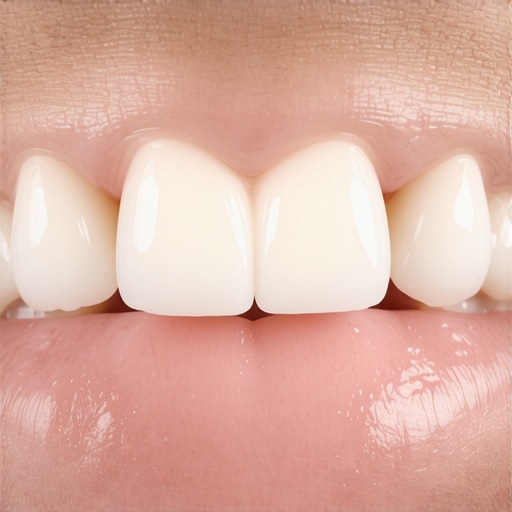
I remember the exact moment I first noticed it — that strange, unsettling greyish hue creeping around the edges of my porcelain crown. It hit me during a casual mirror glance, and suddenly, my brightest smile felt a little duller. That sinking feeling—the one where you realize things aren’t quite what they seem—hit hard. At first, I thought maybe it was just some staining or poor lighting, but as days went on, the grey tint persisted. Turns out, many people face this perplexing issue, and it’s more common than you might think.
Unraveling the Mystery of Grey Gums Around Your Crowns
Understanding why your gums look grey around old porcelain crowns can be a bit confusing, especially since it’s not a typical topic talked about in casual conversations. But here’s the thing: this discoloration might be more than just an aesthetic nuisance; it could be signaling underlying issues that deserve attention. As someone who’s been down this road, I want to help you decode what’s happening and guide you towards solutions that restore your confidence and oral health.
Have you ever experienced this yourself? If so, you’re not alone. It often sneaks up on folks who have had crowns for years, and I’ve learned that awareness is the first step to resolution.
Is Gummy Discoloration a Sign of Something Serious?
Early in my journey, I made the mistake of ignoring the greyish appearance, thinking it was just superficial staining. Big mistake. That oversight delayed getting to the root cause and potentially worsened the issue. It’s crucial to recognize that grey gums aren’t just an aesthetic flaw—they can indicate risks such as gum recession, inadequate crown fit, or even underlying infections.
According to dental health research, changes in gum color can sometimes be linked to peri-implantitis or other gum diseases, which require prompt attention (source: [Smile Gum Care](https://smilegumcare.com/why-your-gums-turn-white-after-using-whitening-strips)). Recognizing these signs early can save you from more invasive procedures down the line.
I’m here to walk you through the key causes behind this discoloration and, most importantly, how to address it effectively. Whether it’s a simple cleaning, adjustment, or a more restorative procedure, there’s a path forward. But first, let’s understand exactly why this grey hue appears and what it might mean for your oral health.
Start with a Precise Dental Assessment
Begin by scheduling a professional evaluation to identify the root cause of the grey discoloration. When I noticed the grey hue around my crown, I immediately booked an appointment with my dentist. They examined my gum line and crown fit, discovering minor gum recession and staining, which pointed to specific treatment needs. To ensure accuracy, ask your dentist about peri-implantitis or crown fitting issues, and consider referring to a trusted family dentistry provider to get detailed insights.
Identify Underlying Causes
Determine whether the discoloration stems from plaque buildup, staining, gum recession, or other issues. Think of it like cleaning a window: if dirt is only on the surface, a good wash suffices. But if the glass is cracked or the frame is damaged, more complex repairs are needed. Your dentist may take X-rays or perform periodontal probing to assess the health of your gums and supporting bone, giving clarity on the underlying problem.
Implement Targeted Cleaning and Maintenance Routines
Effective cleaning is vital. Use a soft-bristled toothbrush and non-abrasive toothpaste to gently remove plaque along the gum line. Incorporate interdental brushes or floss designed for crowns to eliminate debris lodged between teeth. I once tried a detailed flossing technique I read about—moving carefully beneath the gum margin without hurting sensitive tissue—and it made a notable difference in reducing surface stains. Think of this process like polishing a gemstone—regular, gentle care keeps it shining.
Enhance Home Care with Specialized Products
Consider using mouth rinses with antibacterial properties or whitening formulations tailored for crowns and gums. These can help prevent staining and support gum health. Remember, products with high alcohol content may irritate sensitive gums, so choose wisely. Regular use reinforces the cleaning routine and prevents existing discoloration from worsening. Just like maintaining a car’s paint job, consistent upkeep preserves its appearance and function.
Explore Corrective Treatments for Long-term Results
If staining or gum recession persist, professional interventions are necessary. Your dentist might recommend procedures like soft tissue grafts to repair gum lines or professional cleaning to remove embedded stains. In my case, a polishing session combined with a crown refit significantly improved my gum appearance. For advanced aesthetic improvements, options like veneers—more on this in the veneers guide—can seamlessly correct discoloration and shape. Think of veneers as custom-fit covers that instantly rejuvenate your smile’s brightness.
Maintain and Prevent Future Discoloration
After treatment, establish a daily routine that includes brushing twice daily, flossing, and regular dental check-ups—similar to scheduling oil changes for your car. Limit foods and drinks that stain—such as coffee, wine, and berries—and avoid smoking, which can accelerate discoloration. Regular professional cleanings, at least twice a year, keep your gums healthy and prevent greyish hues from returning. Remember, early intervention saves you from more extensive, costly procedures later.Many assume that whitening treatments and cosmetic procedures like veneers or Invisalign are quick fixes that require minimal understanding. However, this oversimplification often leads to misconceptions that can jeopardize long-term results. For instance, superficial whitening might seem sufficient, but neglecting underlying enamel health can cause sensitivity or uneven discoloration over time. Similarly, many believe veneers are purely aesthetic upgrades, ignoring their irreversible nature and the importance of proper assessment—dental professionals often emphasize that not every smile is a candidate for veneers, especially when underlying issues like enamel erosion or malocclusion exist. Regarding Invisalign, there’s a misconception that it’s only for minor corrections; in reality, complex bite issues can sometimes be surprisingly well-managed with clear aligners when guided by an experienced dentist.
Are You Overlooking the Nuances That Make a Difference?
Understanding the advanced nuances in family dentistry is critical for achieving and maintaining oral health. For example, many patients skip regular check-ups, thinking these are optional or only necessary for emergencies. Yet, routine visits serve as preventative measures, catching issues like early decay or gum disease that can undermine cosmetic treatments if ignored. Research published in the Journal of Clinical Periodontology highlights that consistent family dental care significantly reduces the risk of periodontal disease progression, a condition often misunderstood or overlooked. Additionally, some assume that whitening is safe for everyone; however, individuals with sensitive teeth or certain enamel conditions require customized approaches to avoid adverse effects. Being aware of these subtleties can save you time, money, and discomfort. Want to ensure you’re making informed choices? Visiting a comprehensive family dentistry practice can guide you through personalized, strategic dental plans tailored for all ages, see https://smilegumcare.com/family-dentistry-building-healthy-smiles-for-every-generation. Keep in mind, selecting the right treatment involves more than just aesthetics—it’s about long-term oral health maintenance and understanding your unique needs.Keeping your dental work in top shape requires the right tools and techniques. I personally swear by an oscillating electric toothbrush, like the Philips Sonicare DiamondClean, because it provides consistent, gentle cleaning that removes plaque effectively without damaging delicate veneers or crowns. Its timer feature ensures you brush for the recommended two minutes, which I’ve found makes a noticeable difference in long-term gum health and stain prevention.
For advanced plaque removal and gum stimulation, I use interdental brushes such as the Tepe Interdental Brush Minis. These are perfect for cleaning around veneers and orthodontic appliances like Invisalign aligners, ensuring debris doesn’t accumulate in hard-to-reach spots. Regular use helps prevent discoloration and gum recession, extending the life of your dental enhancements.
When it comes to maintaining Invisalign trays, I rely on SonicVibes Cleaning Cups. This ultrasonic device uses vibrations to loosen plaque and eliminate bacteria from aligners — a step I prioritize weekly to keep my trays fresh and odor-free. It’s more effective than manual cleaning, which can sometimes miss bacteria hiding in tiny crevices.
On the software side, I recommend using dental health apps like DentTools Pro. This app allows me to track my brushing, flossing, and maintenance routines, making it easy to stay consistent. It also provides reminders for replacing toothbrush heads or cleaning accessories, which is crucial for preventing microscopic bacteria buildup.
As dental technology advances, expect smarter, more integrated tools to become mainstream. For example, AI-powered toothbrushes that analyze your brushing habits and adjust their cleaning intensity in real-time are on the horizon, promising even better long-term results.
How do I make sure my dental tools last and stay effective over time? Regular maintenance is key. For instance, replacing toothbrush heads every three months prevents bacteria accumulation and ensures optimal cleaning. Cleaning your interdental brushes with hot water after each use prevents mold growth. Moreover, soaking aligners and retainers in antimicrobial solutions weekly keeps them bacteria-free and odorless.
Incorporating these tools into your daily routine can significantly enhance your oral health, especially if you’ve invested in veneers, whitening, or Invisalign. Remember, the effectiveness of any tool depends on proper use and maintenance, so stay consistent.
Want a practical tip to upgrade your routine? Try using ultrasonic cleaning devices like SonicVibes for your Invisalign trays—they make a noticeable difference in cleanliness and freshness. For more insights on achieving a gleaming smile, check out our comprehensive guide on teeth whitening secrets for 2025.
Reflecting on my experiences with dental aesthetics and family dentistry has taught me invaluable lessons that go beyond surface-level solutions. One of the most surprising insights was realizing that quick fixes like whitening strips or veneers are just one piece of a bigger picture. Long-term oral health depends on understanding your unique needs and maintaining consistent, personalized care. For instance, I once underestimated the importance of routine dental check-ups, which could have saved me from more complex issues down the line. My biggest lightbulb moment came when I discovered that even the most sophisticated treatments require diligent at-home care and ongoing professional assessments. This journey has shown me that a holistic approach, combining modern technology with attentive maintenance, yields the best, most natural results for a confident smile.