
Why your gums are receding even though you brush every day
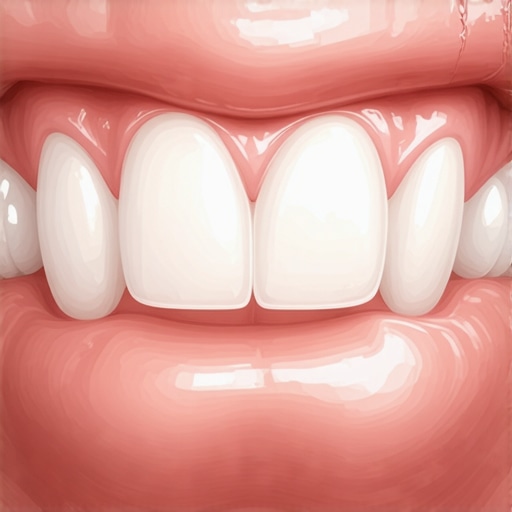
Ever had that unsettling moment when you looked in the mirror and noticed your gums seemed to have mysteriously pulled away from your teeth, even though you were diligently brushing every day? I remember the exact day I had my lightbulb moment—waking up and seeing that my gums looked a little different, almost like they were shrinking. It was confusing, a bit alarming, and frankly, somewhat embarrassing. Despite my efforts to keep my mouth healthy, I was facing a puzzle I couldn’t solve alone.
Why Gums Recede Even When You Keep Up with Brushing?
It turns out, my situation isn’t unique. Many folks believe that vigorous brushing is the main cause of gum recession—after all, those toothbrush ads promote gentle, thorough cleaning. But in reality, the causes are often more complex, involving factors like genetics, gum disease, or even improper brushing techniques that cause more harm than good. I learned the hard way that overzealous scrubbing can wear down gum tissue, but other factors might be at play, such as periodontal disease or even certain medications. Interestingly, a study published in the Journal of Periodontology highlights that gum recession is often tied to inflammation caused by plaque buildup, not just brushing habits.
Early on, I made the mistake of brushing too hard, thinking I was cleaning better. That’s a common misconception, but it can actually damage your gums over time. Recognizing this was my first step toward a solution. The key is understanding the real causes and stopping the cycle before it worsens. If you’re experiencing similar issues, don’t panic—there are ways to address this, and I’ll guide you through them. Soon, we’ll explore the strategies that helped me regain my confidence and protect my gums from further recession. Ready to learn how to protect your smile? Let’s get started.
Is Gum Recession Really Something I Can Fix on My Own?
That’s probably the biggest concern many share—can I truly reverse or halt this? Honestly, early mistakes like neglecting proper technique or delaying professional care only make things worse. I learned this during my journey and wish I had known sooner that seeking expert advice early is crucial. For professional tips and tailored solutions, visiting your dentist or specialist can make all the difference. From routine check-ups to advanced treatments, taking action now can save your smile from long-term damage. If you’re curious about the options, [family dentistry](https://smilegumcare.com/family-dentistry-tips-creating-a-healthy-smile-for-your-kids-at-0915) offers great insight into maintaining overall oral health that can help prevent further recession.
Master the Basics of Proper Oral Care
Start by assessing your brushing technique. Use a soft-bristled toothbrush and gentle circular motions—think of it as polishing delicate glass rather than scrubbing a stubborn stain. During my own journey, I replaced my vigorous scrubbing with proper technique, which immediately reduced gum irritation and prevented further recession. Remember, over-brushing can erode gum tissue, so targeted, gentle cleaning beats harsh scrubbing every time. Incorporate flossing to remove plaque between teeth, ensuring your gums aren’t under constant attack from bacteria. For a comprehensive routine, check out family dentistry tips.
Adjust Your Daily Habits and Lifestyle
Eat for Gum Health
What you consume impacts your gums significantly. Include foods rich in vitamin C, like oranges and strawberries, which support collagen production and bolster gum tissue. Avoid excessive sugary snacks that promote plaque formation. I noticed that cutting back on sugary drinks and adding more leafy greens improved my gum health noticeably.
Limit Harmful Habits
Smoking and clenching jaws increase recession risk. I personally started using a nightguard after noticing teeth grinding, which helped reduce stress on my gums. Quitting smoking not only benefits your lungs but also accelerates gum healing—consider it a long-term investment.
Implement Specialized Oral Care Techniques
Gentle Brushing and Flossing
Focus on your technique: hold your toothbrush at a 45-degree angle, using light pressure, like you’re delicately dusting a sculpture. During my flossing routine, I carefully slide between teeth without forcing, avoiding damage to sensitive gum tissue. Consistency in gentle cleaning prevents further recession.
Use Therapeutic Oral Products
Incorporate toothpaste formulated for sensitive gums, which can reduce inflammation and strengthen tissue. I tried a gel with aloe vera, and over a few weeks, I observed less bleeding and increased gum resilience. Check with your dentist before switching products. For advanced care, professional treatments like scaling or grafting may be necessary—consult your specialist for personalized advice.
Schedule Regular Dental Check-Ups
Routine visits allow your dentist to monitor gum health and intervene if recession progresses. During my check-ups, my hygienist used deep cleaning techniques that removed stubborn plaque along the gumline, which I couldn’t reach at home. Timely professional attention can halt recession in its tracks and even promote regeneration if caught early.
Explore Cosmetic Options When Needed
Veneers or orthodontic treatments like Invisalign can improve smile aesthetics and sometimes protect gums by correcting misalignment. I once opted for clear aligners to straighten my teeth, which also reduced undue pressure on certain areas, helping my gums heal. When considering such options, consult a professional to choose the right solution for your specific needs.
Monitor and Adapt Your Care
Track your progress by observing gum response—less bleeding, reduced sensitivity, and a healthier pink color are signs of improvement. I kept a journal of my routine, adjusting techniques as needed and celebrating small victories along the way. Remember, gum health is an ongoing journey, requiring patience and commitment.
Applying these targeted steps transformed my approach to gum care. By combining proper technique, lifestyle modifications, professional input, and cosmetic solutions where appropriate, you can slow or even reverse gum recession—preserving your smile for years to come.
,Many believe that teeth whitening products instantly transform their smile, but the reality is far more nuanced. Over-the-counter whiteners often contain harsh abrasives or high peroxide concentrations that can damage enamel if not used carefully, leading to increased sensitivity or even erosion over time. Recent studies, such as those published in the Ultimate Guide to Teeth Whitening, highlight the importance of professional guidance to ensure safe and effective results.
A common myth about veneers is that they are a quick fix for crooked or discolored teeth, but many overlook the subtle but critical distinction between porcelain veneers and dental crowns. Veneers are thin shells bonded to the front of teeth and are best suited for aesthetic improvements, whereas crowns encompass the entire tooth and are used for structural repairs. Misapplication can lead to unnecessary enamel removal or even weakening of the underlying tooth structure. For a deep dive into these distinctions, explore Veneers vs. Crowns.
Invisalign has revolutionized orthodontics, but many assume it’s suitable for every alignment issue. The truth is that complex cases involving significant bite problems or skeletal discrepancies often require traditional braces or other treatments. An advanced understanding of your specific dental structure is essential before opting for clear aligners. Researchers from the Invisalign Innovation Study emphasize the importance of comprehensive diagnostics to predict treatment outcomes effectively.
**What are some hidden risks in DIY teeth whitening kits?** Many individuals mistakenly believe that natural or homemade remedies, like brushing with baking soda or using lemon juice, are harmless. However, these methods can strip away enamel or cause chemical burns, especially if used frequently or improperly. According to a review in the Enamel Preservation Journal, professional whitening treatments are carefully calibrated to avoid such damage, making them a safer choice.
Furthermore, misunderstandings about the longevity and maintenance of veneers and Invisalign can lead to costly mistakes. Veneers require diligent care to prevent chipping or staining, while Invisalign aligners need regular cleaning to avoid bacterial buildup. Neglecting these nuances might diminish the lifespan of your investment and compromise oral health.
In summary, peeling back the layers of common misconceptions reveals that effective dental aesthetics require a tailored approach. From understanding the risks of over-the-counter whitening to knowing when veneers or Invisalign are technically appropriate, an expert’s guidance ensures that accomplishment doesn’t come at the expense of enduring health. Have you ever fallen into this trap? Let me know in the comments and share your experience! Also, remember to promote your dental health by consulting professionals rather than relying solely on DIY solutions or generic advice.
How do I keep my dental routine effective over time?
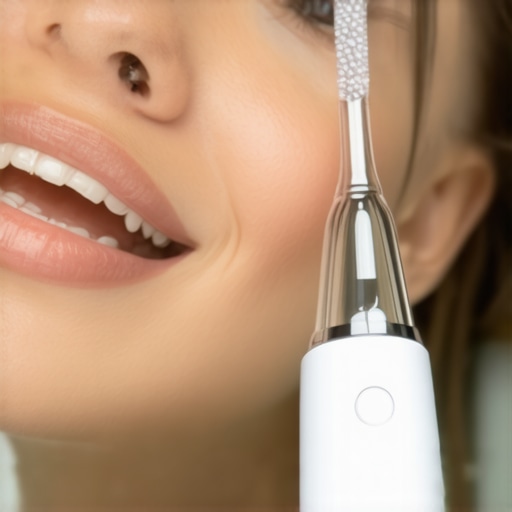
Maintaining a radiant smile isn’t just about the initial treatments; it requires regularly updated tools that ensure longevity. I personally rely on a combination of professional-grade equipment and smart software to track my progress and make adjustments as needed. For instance, I use an ultrasonic toothbrush such as the Philips Sonicare DiamondClean. Its advanced sonic technology not only cleans deeper than traditional brushes but also stimulates gums gently, preventing recession and damage common with manual brushing. The timer and pressure sensors remind me to use gentle pressure and brush for the optimal two minutes, aligning with dental advice to avoid over-brushing that can lead to recession. Check out my favorite whitening strategies to complement this routine.
On the tech side, I utilize a smartphone app designed to track my oral health habits. The app syncs with my toothbrush to monitor brushing patterns, frequency, and pressure applied, providing insights that help me adjust my technique. By consistently reviewing this data, I’ve prevented issues like plaque buildup and gum irritation. Such integration ensures that I keep my gums and teeth in top shape, avoiding costly long-term repairs. The future of dental maintenance is headed toward AI-driven personalized care, which can analyze your habits and recommend tailored routines or even predictive interventions. Imagine a future where your oral health app notifies you of potential recession risk before symptoms manifest.
What other tools support long-term dental health?
I also swear by dental water flossers like the Waterpik Sonic-Fusion. Unlike traditional floss or floss picks, these devices combine brushing and flossing into one step, enhancing plaque removal, especially in hard-to-reach areas. Regular use has significantly reduced my gum inflammation, supporting tissue regeneration and maintaining firmness over years. Another key component is professionally recommended remineralization gels with fluoride or hydroxyapatite, applied nightly to strengthen enamel and help stabilize gum tissue. For comprehensive care, I schedule bi-annual check-ups where my dentist assesses tissue health and offers targeted treatments that home tools can’t fully replace.
Predicting where dental maintenance is headed, I believe smart devices coupled with AI diagnostics will make the process more intuitive. Soon, a device might automatically detect early signs of recession or decay, alerting you through your smartphone instantly—saving you from unnecessary complications and expenses. This personalized approach makes it easier to stay ahead of potential issues rather than react after damage has occurred.
Are you taking steps to preserve your smile for the long haul?
Don’t wait for problems to become apparent. Incorporate advanced tools like ultrasonic toothbrushes and app-integrated trackers into your routine today. Start small by trying a device like the Sonicare, then gradually add other tech-supported habits. Your future self will thank you—and your dentist will too! For more insights on preserving your smile, explore pro tips for maintaining whiteness and consult your dental professional for tailored advice. Remember, the right tools combined with consistent habits are key to long-term success.
What I Wish I Knew When Starting My Smile Transformation
One of the most illuminating lessons I learned was that perfection isn’t the goal—healthy, confident teeth are. I used to chase instant results with over-the-counter products, only to realize that professional guidance provides not just aesthetics but long-term health. I also discovered that even small daily habits, like switching to a gentle brush or adding floss, snowball into significant improvements over time. The biggest insight? Patience and consistency are your best allies; there’s no quick fix for a lifetime of smile care.
Tools and Resources That Changed My Perspective
I swear by top teeth whitening strategies that blend the right products with expert advice. For maintaining oral health at every age, family dentistry tips have been invaluable, emphasizing prevention and education. When considering aesthetic solutions, I found the distinctions between veneers and crowns crucial, so I could choose what’s best for my unique needs. Also, exploring Invisalign’s latest innovations opened my eyes to discreet options for alignment, suited for busy lifestyles.
Embracing Your Power to Shape a Radiant Future
Your smile isn’t just a reflection—it’s a message you send to the world. Taking proactive steps today, like adopting gentle brushing techniques, consulting your dentist for personalized plans, and leveraging modern tools, empowers you to maintain a beautiful, healthy smile for years to come. Remember, every small action compounds into long-lasting confidence. Never underestimate the impact of consistent care; your future self will thank you for making these choices now. Are you ready to start or elevate your smile journey today? Share your plans or questions below—your story might inspire someone else to take the leap!