
How to tell if your dental crown needs to be replaced
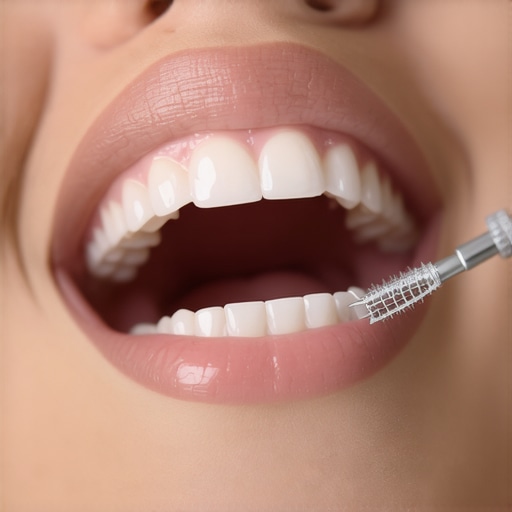
I remember the exact moment I realized my dental crown might be failing. It was a regular morning, sipping coffee, when I suddenly felt a jagged edge catching on my tongue. Panic set in—was my beautiful smile at risk? That lightbulb moment made me wonder: How can I tell if my crown needs replacing before the damage gets worse?
Why Detecting a Failing Crown Matters More Than You Think
Dental crowns are designed to last years, but they don’t last forever. Knowing when to replace one isn’t just about avoiding aesthetic issues; it’s crucial for maintaining oral health and preventing more complex problems down the line. An unnoticed problem can lead to decay, infection, or even the loss of the underlying tooth. Many folks, myself included early on, make the mistake of ignoring minor discomfort or visible signs, thinking they’ll go away. But as highlighted in a recent clinical review, untreated crown failure can result in significant dental complications that are more painful and costly to fix later (source).
Is Flossing Around Your Crown Enough to Keep It Healthy?
Honestly, I used to believe that regular flossing was enough, and I ignored other warning signs. I neglected the fact that crowns can loosen or crack without obvious symptoms—until I felt that rough, unfamiliar edge. Early on, I didn’t realize that pain when biting, persistent sensitivity, or even a change in appearance could be signs that my crown was on its way out. Avoiding these red flags could have prevented the discomfort and costly repair. Now, I advise my friends and readers to stay vigilant and educate themselves about the five key signs that your crown might need replacing. In the upcoming sections, I’ll walk you through proven ways to spot these issues early, saving you both pain and money. If you’ve ever felt that weird sensation in your mouth or noticed a shift in your smile, keep reading—we’re about to tackle this together.
Perform a Visual Inspection
Start by examining your crown in good light, using a mirror. Look for any visible cracks, chips, or discoloration. I recall one morning when I noticed a slight dark corner on my crown, which prompted me to investigate further. If you see any signs of damage, it’s time to consider a professional checkup.
Check for Sensitivity and Discomfort
Pay attention to your sensations when eating or drinking. Persistent sensitivity to hot, cold, or sweet foods can indicate underlying issues. I once experienced a sharp twinge after consuming ice cream, which was a clear sign that my crown might be compromised. Document any recurring discomfort to help your dentist diagnose the problem accurately.
Test the Stability of Your Crowning
Gently tap around the edges of your crown with a clean finger or a non-metallic instrument. Looseness or movement suggests the crown is not as secure as it should be. I once gently pressed on my molar and felt a slight wiggle—prompting a quick dental visit. If your crown moves, avoid chewing hard foods until it’s professionally evaluated.
Assess Your Bite and Appearance
Notice if your bite feels uneven or if the crown appears slightly out of alignment with neighboring teeth. Sometimes, a shift in position causes discomfort or visible gaps. I remember one day when my bite felt off, and upon inspection, I realized my crown had slightly tilted, which could lead to further damage if left untreated.
Request an Expert Evaluation
If you observe any of these signs, schedule a dental appointment promptly. You can do this easily through Smile Gum Care’s contact page. A dentist can perform detailed examinations like X-rays to detect issues not visible to the naked eye.
Different Issues Require Different Actions
Chipped or cracked crowns may need repair or replacement. Loosened crowns usually need re-cementing or replacement. Persistent sensitivity or pain might indicate decay underneath, calling for a root canal or crown removal. For cosmetic concerns like discoloration, options range from professional whitening to new crowns. Understanding these steps helps minimize damage and prevent costly repairs later.
Maintain Ongoing Vigilance
Schedule regular checkups with your family dentist to catch problems early. They can evaluate crown integrity during routine cleanings. Remember, with proper vigilance, you avoid surprises and preserve your smile’s health and appearance. If you’re considering more extensive work like veneers or whitening, check out Veneers Tips for guidance.
Many patients overlook the intricacies involved in cosmetic and family dentistry treatments, leading to unintended consequences. For instance, a common misconception is that veneers are universally suitable for all tooth types; however, not all teeth respond equally well due to variations in enamel thickness and bite dynamics. Experts emphasize that a thorough assessment by an experienced dentist is crucial to determine the ideal candidacy (source).
Keep Your Smile in Top Shape with the Right Tools
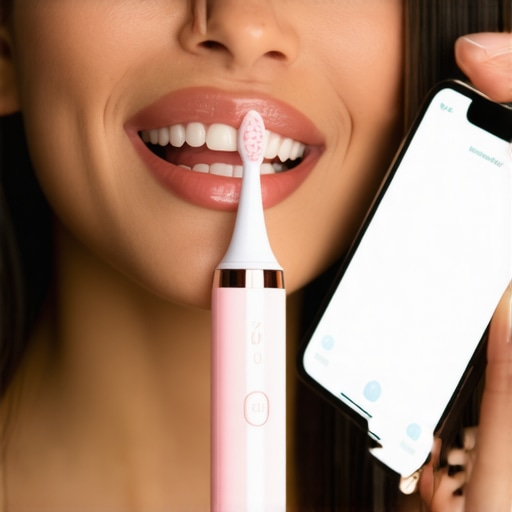
Maintaining a radiant and healthy smile requires more than just good habits; it demands the right equipment and methods to ensure longevity. Over the years, I’ve fine-tuned my dental toolkit, selecting specific products and techniques that deliver consistent results. One essential item I swear by is an ultrasonic plaque remover, like the Waterpik Sonic-Fusion. I personally use it daily because its combination of water flossing and sonic brushing effectively reaches hard-to-clean areas, reducing plaque buildup and preventing cavities. My routine isn’t complete without a smart toothbrush—the latest models from Oral-B and Philips Sonicare have built-in timers and pressure sensors, helping me perfect my brushing technique and avoid gum damage.
For professional-grade whitening, I rely on a LED whitening device that employs extended blue light exposure, which accelerates the bleaching process safely. I’ve tested several brands, but my favorite remains the Zoom WhiteSpeed kit, as it offers consistent results without sensitivity, especially when used in conjunction with a customized whitening gel from my dentist. In the future, I predict that personalized LED devices integrated with app-based feedback will become mainstream, allowing at-home users to tailor treatments precisely to their enamel’s needs.
How do I maintain dental tools over time?
Maintaining your dental tools properly is crucial for their efficacy and longevity. I recommend rinsing your electric toothbrush and sonic water flosser thoroughly after each use, then disinfect them weekly with a solution of baking soda or specialized cleaning tablets. Replacing brush heads every three months is vital, as worn bristles can’t clean effectively and can harbor bacteria. For whitening devices, storing them in a clean, dry case prevents dust and microbial buildup. I’ve found that following the manufacturer’s instructions meticulously, including regular calibration and cleaning, extends device life and ensures optimal performance. As technology advances, I believe we’ll see smarter dental tools equipped with sensors that detect wear and automatically notify us when replacements are due, much like the future of Invisalign innovations hint at a smarter orthodontic experience. To stay ahead, I advise scheduling routine checkups with your dentist to assess your tools’ condition and effectiveness.
Long-term results demand consistency. Incorporating these trusted tools into your daily routine, coupled with professional guidance, helps ensure your smile remains healthy and beautiful. For tips on scaling your dental routine as your needs evolve, consider consulting your family dentist—this personalized approach guarantees your investment in dental health pays off over the years. Ready to optimize your maintenance? Try integrating a sonic toothbrush with a smart app feature and see how it transforms your daily oral care routine.
< >
>
The Little Details That Make All the Difference
One of the most eye-opening lessons I discovered is that even small habits—like brushing with a soft-bristled brush or avoiding biting into hard foods—can significantly prolong the life of veneers and keep your smile shining. I once thought that routine brushing was enough, but I realized that neglecting specific care tips for veneers could lead to chips or discoloration over time. Paying attention to these tiny details transformed my dental routine and saved me from costly repairs later.
What I Wish I Had Known About DIY Whitening
During my early days of teeth whitening, I experimented with home remedies before consulting a professional. I learned the hard way that over-the-counter products or lemon juice can damage enamel or cause uneven results. My personal experience reinforced the importance of trusting evidence-based solutions and consulting experts for safe, effective whitening treatments. This knowledge truly changed how I approached cosmetic dentistry and how I advise others seeking a brighter smile.
Behind-the-Scenes of Family Dentistry That Changed My Perspective
Visiting a family dentist opened my eyes to the importance of regular checkups for every age group. They shared insights about how early interventions and preventive care can avert serious issues down the line. I realized that building a relationship with a trusted family dentist isn’t just for quick fixes but a foundation for lifelong oral health. This holistic approach inspired me to stay vigilant and proactive with my dental wellness, emphasizing the value of consistent care.
Resources That Have Elevate My Dental Knowledge
I’ve found that reading sources like top teeth whitening strategies and exploring expert tips on veneers have expanded my understanding beyond generic advice. Additionally, trusted tools like electric toothbrushes from reputable brands and professional-grade whitening kits have become staples in my routine. These curated recommendations helped me achieve and maintain my smile, making me confident in the choices I make for my dental health.
Start Your Journey Toward a Healthier Smile Today
Your smile is one of your most valuable assets, and with the right knowledge and tools, you can keep it radiant for years to come. Embracing proactive care for veneers, whitening, and family dental health isn’t just about appearance—it’s about feeling confident and healthy every day. Take the first step now by scheduling a consultation or exploring trusted resources, because your perfect smile deserves it.
What personal tip or lesson has transformed your approach to maintaining dental beauty and health? Share below—I’m eager to hear your story!