
How to tell if your wisdom teeth are shifting your front teeth
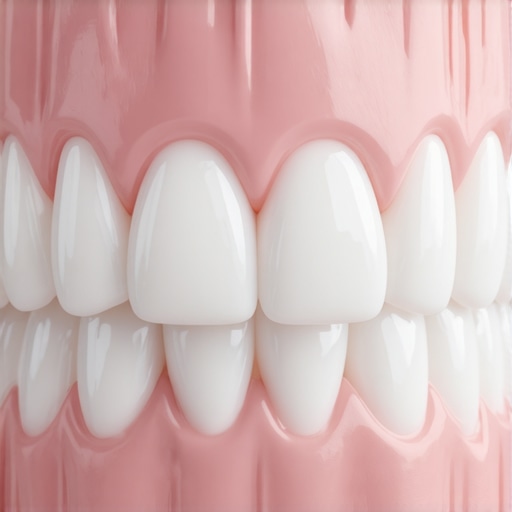
One morning, I caught my reflection and noticed something unsettling — my front teeth seemed slightly different. A tiny gap appeared where there wasn’t one before. Initially, I brushed it off, thinking it was just a trick of the light or perhaps asymmetry. But as days went on, the change became more noticeable, and I started to worry. Could those mysterious signals be caused by my wisdom teeth shifting everything around? It turns out, this is a surprisingly common concern for many people, and understanding the signs is crucial.
Why Should You Care About Your Teeth Moving?
Our smiles are a window to our health, confidence, and overall well-being. When your teeth start shifting, it can lead to more than just aesthetic changes; it might cause bite issues, gum problems, or even pain. Wisdom teeth, the last to emerge in our mouths, are often blamed for these shifts, especially if they become impacted or misaligned. According to a 2020 study published in the Journal of Oral and Maxillofacial Surgery, improper eruption of wisdom teeth can influence the positioning of neighboring teeth, sometimes pushing them forward or causing crowding.
If you’ve noticed your smile seems altered — your front teeth feeling tighter, crooked, or your bite feeling uneven — you’re not alone. Many people dismiss early signs, thinking they’re harmless or part of aging. But ignoring the warning signs could lead to more complicated issues down the line.
In fact, I made a mistake early on by believing that minor shifts would fix themselves or wouldn’t impact my dental health. That was a big oversight. Recognizing the signs early allowed me to seek professional advice, saving me from more invasive procedures later. If you’re wondering whether your wisdom teeth are responsible for moving your front teeth, stay with me. We’re about to get into practical ways to assess the situation and find solutions.
Have You Experienced This Problem?
If you’ve noticed your teeth look different or feel strange, don’t brush it off. Identifying early signs can make all the difference. Want to learn more about how to protect your smile and keep your teeth aligned? Check out our comprehensive guides on Invisalign secrets and veneers for a stunning smile. Ready to explore how you can maintain that perfect grin? Let’s dive into the signs that indicate your wisdom teeth might be the culprits.
Assess the Situation with Your Teeth
Begin by observing any noticeable changes in your smile, such as your front teeth appearing crooked or feeling tighter. Use a mirror and take note of any new gaps or shifts. Keep a dental diary to record when these changes started and how they’ve progressed. An individual I knew once noticed her front teeth seeming uneven after her wisdom teeth began to emerge; documenting these changes made it easier for her to discuss specific concerns with her dentist.
Perform a Self-Inspection to Detect Signs of Shift
Open wide and examine your bite by biting down naturally. Look for asymmetries or areas where your teeth seem misaligned. Gently run your tongue along your teeth to feel for rough edges or gaps that weren’t there before. If you notice these signs, it indicates that dental movement might be occurring. I recall checking my own teeth after experiencing mild discomfort and finding my front teeth slightly misaligned, which prompted me to seek professional advice.
Consult a Dental Professional for Accurate Evaluation
Schedule an appointment with your dentist rather than relying solely on self-assessment. They will take X-rays to assess the position of your wisdom teeth and surrounding teeth, identifying any impaction or misalignment contributing to movement. During my visit, my dentist explained that impacted wisdom teeth can exert pressure, pushing adjacent teeth forward — a process clearly visible on the X-ray images. This step is crucial for determining the right course of action.
Consider Orthodontic Options if Movement is Confirmed
If your dentist confirms teeth shifting due to wisdom teeth, explore orthodontic treatments like Invisalign, which provides discreet corrections. I decided to try Invisalign myself after my dentist recommended it; I was able to see my progress through digital previews and appreciated how comfortable the process was compared to traditional braces. For more insights on achieving a perfect smile with Invisalign, visit this guide.
Enhance Your Smile with Cosmetic Solutions
In cases where shifting has caused aesthetic concerns, options like veneers offer a quick transformation. Veneers can mask minor misalignments and gaps, giving you a confident smile. I personally had veneers placed to correct minor irregularities, which significantly boosted my confidence. To learn about the procedure and benefits, check this resource.
Maintain Long-term Dental Health
Beyond correcting existing issues, establish a regular dental routine to prevent future shifts. Consistent examinations, cleanings, and monitoring wisdom teeth development are essential. I set reminders for biannual checkups and prioritized maintaining good oral hygiene to keep my smile healthy. Proper care ensures that once corrected, your teeth won’t easily shift again, especially if wisdom teeth are removed under professional guidance.
Learn Preventative Measures
Prevent future problems by understanding how wisdom teeth impact your overall dental alignment. Regularly discuss with your dentist whether extraction is advisable to eliminate potential pressure sources. I found that timely removal of my wisdom teeth prevented further movement and avoided complex orthodontic work later, which underscores the importance of professional guidance at every stage.
When it comes to cosmetic and preventive dental procedures, many misconceptions persist that can lead patients astray. As someone deeply engaged with advanced dental practices, I want to shed light on some of these common errors to help you make informed decisions. For instance, a widespread myth is that teeth whitening weakens your enamel permanently. While overusing whitening agents can cause sensitivity, professional treatments are designed to be safe when used responsibly, as supported by recent studies in the Journal of the American Dental Association. Always consult your dentist before opting for such procedures.
Another misconception is that family dentistry is just about routine cleanings and fillings. Actually, a comprehensive family dental approach involves anticipating future issues, guiding preventive care, and educating every family member—including children—on habits that safeguard their oral health. This proactive stance can prevent complex problems later, as outlined in family dentistry standards. Don’t fall into the trap of thinking that visiting the dentist only when there’s pain is enough; regular checkups are the cornerstone of long-term health.
Regarding Invisalign, many believe it’s only suitable for minor misalignments. In fact, recent advancements have made it a viable option for more complicated cases, providing discreet and effective correction. My own experience with Invisalign was smooth, and I highly recommend exploring the latest innovation in invisible braces. Check out this guide for a deep dive.
Similarly, a prevalent myth about veneers is that they are purely for aesthetic enhancement, ignoring their potential for functional correction. While veneers do provide a quick aesthetic makeover, they also serve to protect weakened teeth and correct irregularities. However, many don’t realize that poor placement or choosing veneers when underlying issues aren’t addressed can lead to durability problems. Always seek expert advice to determine if veneers or alternative treatments like crowns are more appropriate, as explained in comparing veneers and crowns.
What are some pitfalls you’ve encountered when considering these treatments? Have you ever fallen into this trap? Let me know in the comments. Remember, staying informed is your best defense against costly mistakes and subpar results.
Maintaining your dental investments isn’t just about regular brushing and flossing; it’s about adopting a strategic approach with the right tools and practices. Personally, I’ve found that investing in high-quality equipment and utilizing specialized software can significantly extend the results of treatments like Invisalign or veneers. A prime example is using a flossing device that adapts to your unique dental architecture, such as the Sonicare AirFloss, which I use daily. It delivers microdroplets of air and water pressure, effectively disrupting plaque buildup in areas traditional floss can miss, especially around orthodontic appliances or veneers.
For long-term success, I also recommend integrating digital tools into your maintenance routine. Dental apps like MySmilePlan or Smile Reminder help track your scheduled cleanings and monitor the condition of your dental work, ensuring no detail is overlooked. These personalized reminders keep you disciplined and proactive, extending the lifespan of your smile makeover. Experts predict that health-focused digital solutions will become standard in dental care, emphasizing prevention over correction in the future.
When it comes to professional equipment, I personally rely on high-frequency ultrasonic scalers during my cleanings. These devices, like the SatelecUltrasonic, are superior at removing plaque and tartar than manual scaling, helping to prevent gum recession or decay that can compromise veneers or implants. Regular professional cleanings using advanced equipment are vital; timelines vary, but typically every six months is recommended—consider these as all-important checkpoints for your smile’s health.
Maintaining aesthetic results also involves careful management of lifestyle habits. Using whitening pens or gels like professional-grade whitening products can help sustain that spark, especially if you indulge in stain-prone foods and drinks. My personal routine includes nightly touch-ups with a custom-fitted whitening tray, which I’ve found to be highly effective without causing sensitivity—an issue I experienced early on with poorly formulated over-the-counter products.
Looking ahead, innovations such as 3D laser scanning and AI-based diagnostic tools are poised to revolutionize how we monitor and preserve our dental work. These technologies enable dentists to detect minute shifts or decay long before they become visible, offering preemptive solutions. For instance, the Planmeca Emerald S scanner utilizes high-resolution imaging to assess the integrity of veneers and aligners with remarkable precision, making ongoing maintenance more efficient and reliable.
So, how do I maintain my smile’s brilliance and alignment over time? The key is implementing a comprehensive routine that pairs professional care with the latest tools—like ultrasonic scalers, digital monitoring apps, and advanced whitening methods. If you’re serious about safeguarding your dental investments, I strongly suggest trying a tool like the Sonicare AirFloss or scheduling regular visits with equipped professionals. Remember, a proactive approach today saves you from costly adjustments tomorrow. For more insights into maintaining your aesthetic treatments, visit our guide on veneers maintenance.
What I Wish I Knew About the Hidden Impact of Wisdom Teeth
One of the most overlooked aspects of dental health is understanding how wisdom teeth influence the overall alignment of your smile. I realized that ignoring early signs of shifting can lead to more complicated procedures later. Recognizing the subtle changes in my teeth early on taught me the importance of proactive dental care, saving me time, money, and discomfort in the long run.
The Power of Personal Experience in Choosing the Right Solution
Deciding between Invisalign or veneers wasn’t just about aesthetics; it was about understanding my habits, needs, and long-term dental health. Listening to my own body’s signals, coupled with trusted professional advice, made all the difference. I now see that personalized solutions, tailored to your lifestyle, result in a more satisfying and lasting smile.
Why Routine Checkups Are Your Best Defense Against Dental Surprises
Consistent dental visits armed me with early warnings and preventative care techniques. Regular examinations with advanced tools like ultrasonic scalers or digital scanners helped detect issues before they became painful or costly. This experience reinforced that investing in routine care is an insurance policy for your smile’s future.
Curated Recommendations: Tools and Resources That Changed My Approach
To maintain my dental health effectively, I rely on high-quality tools like the Sonicare AirFloss, which ensures thorough cleaning around braces and veneers. I also trust digital apps such as MySmilePlan for scheduling reminders and monitoring progress. For expert insights, I turn to trusted resources like Invisalign secrets and veneers guides. These tools empower me to stay proactive about my smile, preventing issues before they arise.
Your Smile’s Future Depends on How You Act Today
Remember, your journey to a radiant smile is personal and ongoing. Embrace prevention, stay informed, and don’t hesitate to seek professional advice whenever you notice subtle changes. Investing in your dental health now ensures you can confidently share your smile for years to come. How have you taken charge of your dental journey so far? Share your experiences below and inspire others to prioritize their smile’s health.