How to fix the small gap that appeared between your front teeth
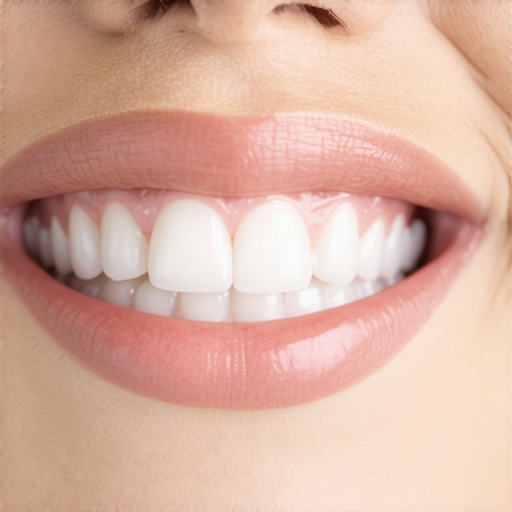
Picture this: I’m standing in front of the mirror, brushing my teeth after a long day, when I suddenly notice it—a tiny, almost invisible gap between my front teeth. It wasn’t there yesterday, and now, it feels like my smile has lost a bit of its sparkle. That lightbulb moment made me realize how such a small change can impact my confidence and how I feel about my smile.
Why That Little Gap Can Feel Like a Big Issue
Our front teeth are the focal point of our smile, and even a tiny gap can make us self-conscious. This small separation, often called a diastema, can develop for various reasons—shrinking gums, habits like thumb-sucking, or even just natural shifting over time. I remember early on I made the mistake of ignoring it, thinking it was no big deal. But as the gap grew slightly wider, I knew I had to do something. If you’re experiencing a similar situation, you’re not alone, and the good news is—you can fix it.
Is Fixing a Gap Between Your Teeth Really Worth the Effort?
Honestly, I was skeptical at first. Isn’t it just aesthetics? Well, a small gap might seem minor, but it can cause issues beyond appearance—food getting stuck, speech problems, or even uneven wear. Early in my journey, I also made the mistake of choosing quick fixes like over-the-counter whitening strips without considering their impact on gaps or overall dental health. That taught me a valuable lesson: proper evaluation and professional guidance are essential. For more insights on maintaining your dental health, you might find this family dental care guide helpful.
So, if you’ve noticed a small gap appearing or have been thinking about fixing it, rest assured—you’re in the right place. Over the next sections, I’ll walk you through proven strategies and tips to close that gap effectively, building your confidence along the way. Let’s get started!
.
Aligning Your Smile with Invisalign
Start by consulting a dentist experienced in clear aligners. During my own process, I vividly recall visiting my orthodontist, who explained that Invisalign trays gently shift teeth over time—much like planting a seed and patiently watching it grow. I learned that the key is wearing the aligners for 20-22 hours daily, removing only for eating, drinking, and cleaning. Wearing them consistently moves teeth gradually, closing gaps discreetly, much like steadily pushing a stubborn door with a gentle, persistent force. I initially wore my trays inconsistently, which slowed progress, but once I committed fully, I saw tangible results within a few months. For insider secrets on achieving optimal invisalign results, check out this guide.
Track Your Progress and Adjust
Keep a close eye on the movement of your teeth. Capture weekly photos to compare changes and stay motivated. If you notice any irregularities, such as teeth not shifting evenly, consult your dentist promptly—they may recommend adjustments or new trays. Remember, patience and consistent wear are your best allies, much like tending to a delicate bonsai tree. During my journey, I also learned that over-the-counter whitening products are not suitable while using aligners, as they can cause uneven discoloration. Explore more for maintaining tooth aesthetics with minimal fuss at teeth whitening secrets.
Handling Small Snags Safely
If you experience a slight discomfort or notice a small crack in your aligner, don’t panic. Use warm water to soften and reshape minor bends, just like straightening a bent spoon carefully. For sharp edges that might cut your gums, gently file or sand them down using a nail file—think of it as smoothing a rough stone. Never attempt to force or bend aligners aggressively, as this can cause damage. Remember, your dentist is your best resource; don’t delay in scheduling a check-up if issues persist. Additionally, staying consistent with cleaning your aligners prevents buildup that could cause irritation. Cleaning is simple—just use a soft toothbrush and mild soap, avoiding harsh chemicals that could damage the plastic. More tips for keeping your aligners pristine are available at retainer cleaning tips.
Complementing Invisalign with Smile Enhancements
Sometimes, closing a gap isn’t enough to boost confidence—consider veneers or crowns for a stunning finish. Think of veneers as custom-made armor for your teeth, offering immediate transformation, much like wrapping a gift to make it more appealing. During my research, I discovered that veneers can mask minor imperfections and create a uniform appearance, especially if alignment correction alone doesn’t provide the desired aesthetic. To decide which option suits you best, review veneers vs crowns. Also, pair your orthodontic journey with professional whitening to brighten your entire smile. This combination ensures that every aspect of your dental appearance is harmonized, much like tuning a musical instrument. For expert advice on selecting the right whitening method, visit top whitening strategies.
Maintain and Monitor Long-Term Results
Once your gap has closed and you’re satisfied with your smile, set up a personalized maintenance routine. Like maintaining a garden, regular brushing, flossing, and dental check-ups are essential. Consider custom retainers to prevent teeth from shifting back—these are the guardians of your newly aligned smile. I personally found that wearing my retainer every night kept my teeth in place much longer than I expected. Don’t forget to schedule routine family dentistry visits to ensure all smiles in your household stay healthy. For family-specific tips, browse family dentistry advice. Consistent care guarantees that your investment in orthodontics retains its value for years to come, much like the longevity of a well-built house.
While many patients embark on cosmetic and family dental treatments with grand expectations, there are often overlooked nuances that can impact long-term satisfaction and health. For instance, a prevalent misconception is that Invisalign aligners are foolproof for perfect teeth without considering the importance of precise tracking and professional guidance. In my experience, even minor deviations—like inconsistent wear—can slow progress or cause unexpected shifts, highlighting the need for meticulous compliance and regular check-ins. Many assume that teeth whitening is entirely safe and permanent; however, overuse or improper products—such as those with high peroxide concentrations—can lead to increased tooth sensitivity or damage to enamel. Trusting only professional-grade treatments, as explained in this comprehensive whitening guide, ensures safety and optimal results. When it comes to veneers, the common belief is they are a quick fix for all aesthetic issues. But, in reality, veneers require careful preparation, and misjudging the thickness or choosing inappropriate shading can lead to unnatural appearances or increased sensitivity. Exploring veneers vs crowns helps clarify the best approach for individual needs. Additionally, many overlook the importance of a solid family dentistry routine, often thinking it’s just about regular cleanings. Yet, as emphasized in this family dental care resource, early detection of developing issues like cavities or gum disease saves money and prevents more complex procedures later. Recognizing these hidden aspects allows for smarter choices and more durable results. So, let’s dig deeper—are you falling into any of these common traps? Share your experiences in the comments!
Keeping Your Smile in Top Shape with the Right Tools
One of the most overlooked aspects of maintaining treatments like Invisalign, whitening, or veneers is having the proper tools and routines to ensure longevity and effectiveness. Personally, I rely on a few key items that have proven invaluable in my journey toward a brighter, more aligned smile. First, I swear by an ultrasonic toothbrush, such as the Sonicare DiamondClean, which provides superior plaque removal and gentle cleaning, helping preserve the integrity of veneers and the health of surrounding gums. Its advanced sonic technology vibrates at over 30,000 strokes per minute, reaching deep between teeth and around restorations, reducing the risk of decay or staining. Additionally, I always use soft, orthodontic-specific floss or interdental brushes like the Plackers Micro Mint Flossers, which maneuver easily around aligners or veneers without causing damage or irritation.
To complement physical tools, I highly recommend investing in a quality water flosser like the Waterpik WaterFloss. This device utilizes pulsating water streams to remove debris from hard-to-reach areas, which is especially beneficial for those with braces, veneers, or whitening treatments. Its gentle yet effective action helps maintain the surface polishing and prevents plaque buildup, crucial for long-term results. Regularly replacing your toothbrush head is also critical; I set a reminder to change mine every three months, ensuring optimal cleaning efficiency and avoiding bacterial transfer. For whitening treatments specifically, whitening pen kits like the AuraGlow also serve as touch-up tools that keep your smile consistently bright between professional visits.
On the software front, consistent monitoring is key. I utilize dental tracking apps such as Dental Monitoring or even simple photo documentation to track shifts or staining over time. These apps allow for remote consultations, which have saved me trips to the dentist during busy periods, enabling quick adjustments or advice from professionals. Implementing a routine that combines physical tools with digital oversight helps catch minor issues before they escalate, safeguarding your investment in cosmetic and restorative dental work.
Future Trends in Dental Maintenance Tools
Looking ahead, the development of smart dental devices equipped with sensors—such as toothbrushes that analyze plaque levels and provide personalized feedback—is poised to revolutionize at-home dental care. These innovations will likely integrate AI to guide perfect brushing techniques and alert users to potential problems early on. Staying ahead in your dental hygiene routine means embracing these technological advancements, which promise to make maintaining treatments like Invisalign or veneers easier, more precise, and more personalized.
How do I keep my dental enhancements working long-term?
Maintaining your aesthetic and functional improvements extends beyond initial treatments. Regular dental check-ups, professional cleanings, and adhering to your dentist’s advice regarding hygiene practices are fundamental. For example, using custom-fit retainers nightly, as recommended in this family dental care guide, ensures your teeth stay aligned and your restorations remain intact. Moreover, adopting a consistent, gentle cleaning routine with the right tools prevents staining, decay, or damage that could compromise your results. Remember, proactive maintenance is your best defense against long-term setbacks, and the small investments in quality tools and technology today pay off in durable, stunning results tomorrow. Want to take your routine further? Try incorporating an ultrasonic toothbrush combined with remote monitoring apps, and enjoy the confidence of a truly maintained smile.
Throughout my journey fixing a small gap or enhancing my smile, I’ve learned some invaluable lessons—lessons that can save you time, money, and frustration as you pursue your perfect smile. From mistakes made to insights gained, these experiences are the keys to smarter decisions in invisalign, teeth whitening, veneers, and family dentistry.
What I Wish I’d Known About Smiling Confidence Earlier
- Don’t underestimate the power of consistent wear and maintenance—small habits like regular retainer use or proper aligner cleaning make a huge difference in long-term results.
- Choosing quick fixes without consulting professionals often leads to setbacks. Professional evaluation ensures your treatment is personalized, effective, and safe.
- Patience is your best friend—teeth and gums need time to respond to treatments, so avoid rushing and trust the process for true transformation.
- Understanding that aesthetic procedures like veneers or whitening are investments in yourself stresses the importance of quality and expert guidance over shortcuts.
- Maintaining long-term results involves more than just the treatment—it requires a dedicated routine, the right tools, and regular check-ins with your dental care team.
Tools and Resources That Became My Go-To Arsenal
- Ultrasonic toothbrushes like the Sonicare DiamondClean revolutionized my daily routine, providing thorough cleaning while being gentle on restorations.
- Water flossers such as Waterpik helped me reach difficult areas easily, ensuring my smile stays plaque-free and vibrant.
- Monitoring apps like Dental Monitoring empowered me to track progress and communicate effortlessly with my dentist without frequent visits.
- Professional guides and trusted blogs like the comprehensive resources on Smile Gum Care have kept me informed about advances in teeth whitening and veneer options, helping me make smart choices.
Your Smile Is Worth Taking Action For
Now that you have the insights and tools to improve your smile, imagine the confidence you’ll gain and the positive impact on your life. Don’t wait for imperfections to become habits—embrace the journey toward a brighter, more aligned smile today. Remember, every step you take is an investment in your self-esteem and overall well-being. Your future self will thank you for making the decision to prioritize your dental health and aesthetics. So, what’s holding you back from starting your smile transformation? Take that first step now—your best smile awaits!