
How to clean a reusable straw to protect your enamel
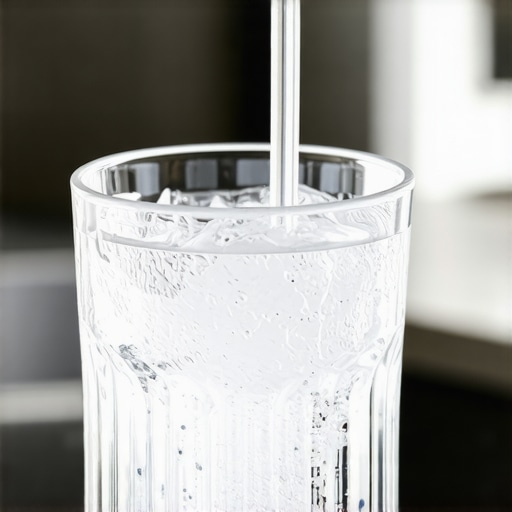
I remember the exact moment I realized my morning iced coffee routine was a disaster. I was sitting at my kitchen table, sipping through my sleek, stainless steel straw, feeling pretty smug about protecting my teeth whitening secrets from those nasty coffee stains. Then, I looked down. A tiny, greyish fleck floated up into my glass. I pulled the straw out, peered inside, and saw it: a thick, slimy layer of biofilm. My stomach did a somersault. I wasn’t just sipping coffee; I was sipping a science experiment. That’s when it hit me: if we don’t clean these things right, we aren’t just being gross—we’re actively putting our oral health at risk. Today, I’m going to show you exactly how to sanitize your straws so you can keep your enamel strong and your breath fresh.
My Eco-Friendly Habit Was Secretly Harboring a Germ Colony
For years, I told everyone that [the truth about using straws to prevent tooth stains](https://smilegumcare.com/the-truth-about-using-straws-to-prevent-tooth-stains) was the ultimate hack for a bright smile. I even bought them for the whole family as part of our family dentistry goals. But I made a massive mistake early on: I thought a quick rinse under the tap was enough. It’s not. Reusable straws, whether they are silicone, glass, or metal, are the perfect breeding ground for bacteria because they stay damp for hours. If you are trying to avoid the truth about the charcoal whitening trend and your enamel issues by using a straw, you’ve got to make sure that straw isn’t actually introducing harmful pathogens into your mouth every time you take a gulp. Have you ever noticed a weird smell or a metallic taste coming from your favorite straw? That’s your sign that things have gone south.
Can a Dirty Straw Actually Cause More Harm Than Good?
A lot of people are skeptical. They think, “It’s just water or coffee, how dirty can it really get?” Well, it’s not just about the liquid. It’s about the moisture and the backwash. According to a report by the National Sanitation Foundation (NSF), items that are frequently moist and difficult to clean—like the interior of a narrow tube—can harbor yeast and mold at levels that might surprise you. If you’re already dealing with issues like why your teeth feel sensitive when you eat chocolate, the last thing you want is an oral infection from a moldy straw. I’ve learned the hard way that a “clean-looking” straw is often anything but. We need to move beyond the rinse-and-repeat method if we want to protect our enamel and our overall health.
Scrubbing Away the Biofilm
You need a brush—there is no way around it. Think of the inside of your straw like the hidden spaces in your mouth. You wouldn’t just swish water and assume your teeth are clean, right? You need friction. Just as you have to learn how to clean a dental bridge without getting floss stuck, you need a specialized tool to navigate the narrow channel of a straw. I use a long, thin nylon brush. Squirt a bit of dish soap directly onto the bristles and push it all the way through until it pops out the other side. Do this three or four times. I once thought my glass straw was pristine until I did this and watched a grey cloud of old oat milk particles exit the tube. If you aren’t scrubbing, you aren’t cleaning; you’re just wetting the germs.
Sanitize with Heat and Acid
Once the physical debris is gone, it’s time to tackle the microscopic level. Much like the care required for other oral appliances, such as knowing how to properly clean a night guard to prevent bacterial buildup, your straws need a periodic deep soak. I prefer a mixture of one part white vinegar to three parts hot water. Let them soak for ten minutes. This acidity breaks down mineral deposits from hard water and kills most lingering bacteria. If you’re using stainless steel, you can even drop them into boiling water for a few minutes for a total reset. This is especially important if you’ve been sick, as you don’t want to keep reintroducing pathogens to your gums.
Stop the Yellowing and Staining
If you use straws specifically because you want to know how to stop your clear aligners from turning yellow over time, you have to ensure the straw itself isn’t stained. Silicone straws are notorious for absorbing pigments from coffee and tea. Last summer, I was drinking iced matcha every single morning. I thought I was protecting my enamel, but my silicone straw turned a swampy shade of green that eventually started to smell like old grass. I found that a paste of baking soda and water, threaded through with the brush, acts as a gentle abrasive to lift those stains without scratching the material. This keeps your equipment looking as bright as you want your teeth to be.
The Gravity Trick for Bone-Dry Straws
The biggest mistake is the ‘lay flat’ method. If you wash your straw and lay it flat on a drying mat, water stays trapped inside the curve or the middle of the tube. This is exactly how mold starts. After cleaning, you must stand your straws upright in a glass or a drying rack so gravity can pull the moisture out. It’s a similar logic to the best method for flossing under a permanent lingual retainer; if you leave moisture and debris trapped in a tight spot, you’re asking for trouble. I always make sure mine are in a well-ventilated spot, never tucked away in a dark drawer while still damp. If you can’t see through the straw to confirm it’s bone-dry, it’s not ready to be put away.
While I love my reusable straws, I’ve noticed a dangerous trend: the ‘straw security blanket.’ Many of my friends think that as long as they use a straw, they have a free pass to consume unlimited amounts of acidic or staining drinks. But here is the contrarian truth: relying too heavily on a straw can actually lead to concentrated staining on the back of your teeth and near your molars. When you sip, the liquid often bypasses the front teeth only to pool around the lingual surfaces. This is why I always tell people to check the truth about using straws to prevent tooth stains before they assume they are totally protected.
The Hidden Trap of Hot Liquids and Silicone
One of the biggest ‘oops’ factors I see is people using silicone or plastic straws with piping hot coffee. We often focus on the teeth whitening secrets that keep our smiles bright, but we forget about chemical leaching. High temperatures can cause some straw materials to release compounds that aren’t just bad for your body; they can disrupt the oral microbiome. If you are investing in family dentistry to keep everyone’s mouth healthy, don’t undermine it by sipping hot acid through a material not rated for high heat. In my experience, glass or high-grade stainless steel is the only way to go if you aren’t drinking something chilled.

Can the Way You Sip Actually Damage Your Enamel?
It sounds like a reach, but the physics of sipping matters. An advanced study published in the Journal of the American Dental Association (ADA) suggests that consistent, localized exposure to sugars and acids—even through a straw—can increase the risk of localized decay. This is especially true for those who have veneers or Invisalign. If you aren’t careful, you might be keeping the front of your teeth white while the areas around your attachments or the margins of your veneers are slowly eroding. I’ve seen patients wonder why your teeth feel sensitive when you eat chocolate, only to realize they’ve been ‘jetting’ soda directly onto a sensitive molar for months.
Stop Treating Natural Remedies as Safe Alternatives
I see it all over social media: use a straw and then brush with charcoal or lemon juice to ‘reset’ the enamel. This is a massive mistake. As we’ve discussed regarding the truth about the charcoal whitening trend and your enamel, these abrasives strip away the very layer you’re trying to protect. If you want to know how to stop your clear aligners from turning yellow over time or keep your professional whitening intact, stick to pH-neutral cleaners. The straw is a tool, not a cure-all. Have you ever fallen into this trap of thinking your straw made you invincible to stains? Let me know in the comments!
If you’re ready to move past the basics and really commit to a long-term plan for a bright smile, you need to look at your toolkit. I’ve realized that a cheap nylon brush simply isn’t enough when you are trying to protect a significant investment like veneers vs crowns. To truly scale your oral hygiene routine, you have to treat your tools with the same respect as your teeth.
Upgrade Your Toolkit to Save Your Smile
My favorite advanced tool isn’t actually a brush at all; it is a small, countertop ultrasonic cleaner. I originally bought it because I wanted to know how to stop your clear aligners from turning yellow over time, but I soon realized it was the ultimate solution for my stainless steel straws too. These devices use high-frequency sound waves to create millions of microscopic bubbles that implode, a process called cavitation. This reaches into the tiny scratches and crevices inside a straw where bacteria hide. If you are balancing family dentistry needs for multiple kids, throwing all the household straws into an ultrasonic bath for five minutes is a massive time-saver that ensures a level of sterile clean you just can’t get by hand.
How do I maintain my straw-safe routine for years?
Maintenance is about consistency and the right chemistry. Beyond the physical cleaning, I recommend a pH-neutralizing rinse. When you use a straw, the liquid often hits the back of the mouth. To protect your Invisalign attachments or the back of your veneers, you should follow your coffee with a quick swish of alkaline water. This neutralizes the acid before it can sit against your enamel. For those who are serious about teeth whitening secrets, this one-two punch of a sterile straw and a pH reset is what separates a temporary bright smile from a permanent one. According to research published by Dr. David Williams from the Cardiff University School of Dentistry, biofilm on dental-grade materials and nearby surfaces can reform in as little as 24 hours if the environment remains acidic and moist. By keeping your straws sterile and your mouth neutral, you break that cycle.
Smart Straws and the Next Tech Wave
Looking ahead, I predict we are going to see a shift toward ‘smart straws.’ We are already seeing the development of bioactive glass coatings that could potentially be applied to the interior of reusable straws to inhibit bacterial growth. Until then, you have to be your own dental advocate. If you want to how to prevent coffee stains on your new veneers effectively, you can’t be lazy with the hardware. I’ve found that replacing silicone tips every three months is non-negotiable, as the porous material eventually degrades, no matter how well you clean it. Treat your straws like an extension of your toothbrush. If you wouldn’t use a frayed, dirty toothbrush, don’t use a cloudy, scratched straw. My advanced tip for you this week: try the ‘hot soak plus ultrasonic’ combo for your straws and see the difference in clarity—you might be shocked at what your ‘clean’ straw was still holding onto.
Hard-Won Truths About Keeping Your Sipping Habits Sterile
Over the years, I’ve realized that owning a reusable straw is only half the battle; maintaining it is where the real dental health magic happens. Here are a few lightbulb moments that changed everything for me:
- The Transparency Test: I switched almost exclusively to glass straws. Why? Because you can’t hide a biofilm in a clear tube. If you are serious about teeth whitening secrets, you need to see exactly what you are putting in your mouth.
- Biofilm is Real: Just because a straw looks clean doesn’t mean it is. Bacteria create a protective slime layer that only friction—not just soap—can remove.
- Straws Aren’t Shields: A straw doesn’t make you bulletproof against sugar. I learned that focusing on family dentistry tips means teaching kids that even with a straw, water is still the best chaser for juice.
Invest in These Tools to Protect Your Dental Investment
To keep your hardware as pristine as your smile, I recommend a few specific upgrades to your kitchen sink area. First, a medical-grade ultrasonic cleaner is a game-changer. I initially used mine for jewelry, but it is the best way to figure out how to stop your clear aligners from turning yellow over time and simultaneously deep-clean your metal straws. Second, look for extra-long, tapered nylon brushes. Most ‘free’ brushes that come with straws are too short to reach the middle, leaving a germ-factory right where you can’t see it. Finally, I swear by distilled white vinegar as a natural descaler to keep minerals from building up and scratching the interior of your straws, which would otherwise provide more ‘hooks’ for bacteria to grab onto.
Your New Routine Starts with the Next Glass
Taking care of your straws might seem like a small detail, but it is a vital part of a holistic approach to oral hygiene. When you commit to these small steps, you aren’t just cleaning a tube; you are protecting your enamel, preventing gum irritation, and ensuring that your brighten your life top teeth whitening strategies today actually work. Don’t let a dirty straw sabotage your beautiful smile. Your mouth deserves the same level of care you give to your teeth every single morning and night. #IMAGE_PLACE_HOLDER_E#
Have you ever looked inside your reusable straw and found a ‘science experiment’ waiting for you? Let me know your cleaning horror stories—or your best tips—in the comments below!