
How to tell if a white spot on your tooth is a cavity or just a mark
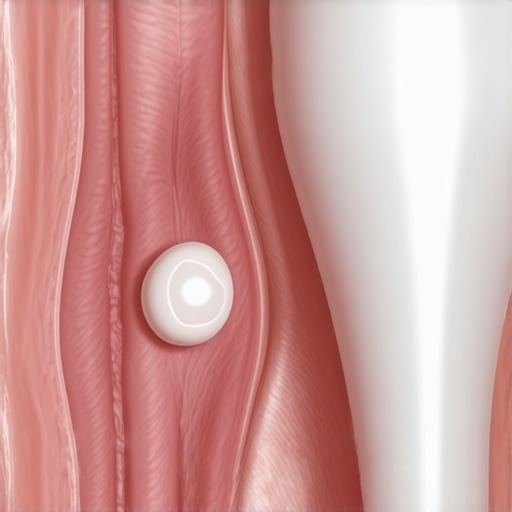
I remember staring into my bathroom mirror, heart sinking as I spotted a bright, chalky white fleck right on my front tooth. I immediately assumed the worst. I spent the next three days avoiding sugar and frantically searching for a way to hide it, convinced my tooth was rotting from the inside out. It is that specific kind of panic that makes you want to cancel every social event on your calendar. I even made the rookie mistake of trying to use over-the-counter strips, thinking I could just blend it away, but my teeth whitening secrets were not working because I didn’t actually know what I was treating. Today, I want to save you that stress and help you figure out if you are looking at a harmless beauty mark or a ‘stealth’ cavity that needs a professional eye.
Stop Panic-Searching Your Tooth Spots
It is easy to think every discoloration is a disaster, but teeth are more complex than we give them credit for. When I first saw that spot, I didn’t realize that white marks can be anything from a sign of too much fluoride as a kid to a simple area where your enamel is just a bit ‘thirsty’ for minerals. If you have kids, you might have even noticed white spots on their new adult teeth and felt that same pang of guilt I did. The truth is, these spots are often ‘white spot lesions,’ which are essentially the precursor to a cavity. According to the American Dental Association, these lesions represent a stage where the enamel has started to lose its mineral content but hasn’t yet formed a physical hole. This is actually good news because, if caught early, you can often remineralize the area instead of needing a drill.
Could this tiny white speck actually cost me thousands later?
This is the big fear, right? We worry that ignoring a small mark today leads to an expensive crown or a root canal tomorrow. While a white spot *can* be the start of decay, it is often just a signal to change your routine. I learned the hard way that jumping to conclusions is expensive. I almost rushed into getting veneers to transform my aesthetics before even checking if a simple fluoride treatment would fix the issue. We are going to look at the texture, the location, and the ‘feel’ of that spot so you can make an informed choice before you head to the clinic. Have you ever noticed a new spot and immediately felt like you needed to hide your smile? Let me know in the comments, because you are definitely not alone in that bathroom-mirror-induced anxiety. Setting the stage for a healthy mouth starts with knowing exactly what you’re up against, and it is usually less scary than you think.
The Texture Test for Your Enamel
One of the first things I learned from my dentist was that the ‘feel’ of the spot matters more than the color itself. A mark that is smooth and shiny is often just a result of how the tooth formed, whereas a chalky, rough, or dull spot is usually a sign that minerals are currently escaping. If you find yourself wondering how to prevent cavities, you should know that catching these rough spots early is the ultimate secret weapon.
Check Where the Spot Lives
The location of that chalky mark is your first real clue. Think of your tooth like a shield; if the spot is right along the gum line or tucked into the deep grooves of your molars, it is likely a sign of early decay where plaque has been throwing a party. However, if the spots are scattered randomly across the smooth surfaces, you might just be looking at fluorosis or a remnant of a childhood fever. When I was navigating my own dental journey, I found that learning how to tell if you have a hidden cavity between teeth was the only way to stop my late-night Googling. If the spot is hidden in a crevice, it is time to stop the DIY fixes.
Swap Your Scrubbing for Soaking
Many of us see a spot and try to brush it away with brute force. This is the worst thing you can do. Imagine your enamel is a dry sponge; if you scrub it, you just tear the fibers. If you soak it in the right minerals, it plumps back up. I once spent two weeks aggressively brushing a white lesion, only to make it more sensitive and noticeable. The fix was actually backing off and using a remineralizing paste. For those with children, choosing the best toothpaste for kids who hate the taste of mint can actually help them tolerate the longer ‘contact time’ needed for these minerals to work. You want the paste to sit on the tooth, not just be rinsed away immediately. 
Don’t Let Your Aligners Trap Bacteria
If you are currently in the middle of a smile transformation, you have to be extra vigilant. I remember a friend who was so excited about invisalign secrets for a perfect smile that they forgot one crucial rule: never drink anything but water with trays in. They ended up with white ‘halo’ spots around their attachments because the sugar and acid were trapped against the enamel for 22 hours a day. If you see spots forming during orthodontic treatment, it is usually a sign that your cleaning routine isn’t keeping up with your trays. You might need to learn how to stop your clear aligners from turning yellow and simultaneously check that you aren’t trapping acid against those vulnerable spots.
Will Whitening or Veneers Hide the Damage
Once the enamel is stable and no longer ‘active’ (meaning it’s smooth and hard, not chalky), you might still hate how it looks. This is where the aesthetic side of family dentistry comes in. If the spot is deep, traditional bleaching might actually make the white spot brighter while the rest of the tooth stays the same, creating even more contrast. In my case, I had to look into the best way to whiten teeth with sensitive enamel to ensure I wasn’t causing more damage. If the spots are permanent and bother you, veneers can transform your aesthetics by providing a fresh, uniform surface. It is all about deciding if the spot is a health risk or just a cosmetic annoyance.
Let’s dig deeper into the actual science because most people mistake white for clean or think every discoloration is fixable by bleaching. The most common trap? Thinking that professional whitening is a universal eraser. In reality, whitening products target organic stains, not structural mineral deficiencies. If you apply high-concentration peroxide to a white spot lesion, you are basically highlighting the issue. I have seen so many people try to brighten their life with top teeth whitening strategies only to find that the contrast between the healthy enamel and the lesion becomes even more jarring. It is like trying to paint over a hole in a wall with a glossier paint; you are not filling the hole, you are just making it shiny. This is exactly why your professional whitening didnt work as well as last time if you were dealing with demineralization rather than surface stains.
Is Resin Infiltration Better Than a Drill for Your Smile?
A study published in the Journal of Esthetic and Restorative Dentistry highlights that resin infiltration is significantly more effective at masking white spot lesions than traditional bleaching because it changes the refractive index of the tooth. Instead of removing tooth structure, a liquid resin is soaked into the thirsty enamel pores. This is the level of nuance that family dentistry requires: knowing that filling a spot with resin is often better than covering it with a porcelain shell. If you are a parent, understanding this can save you from unnecessary drilling when you notice white spots on your childs new adult teeth. Most people think the only options are to live with it or drill it, but the modern middle ground is much less invasive.
The Hidden Risk of Tiling Over a Rotten Floor
The biggest mistake I see is rushing into veneers to transform your aesthetics before the underlying enamel is stable. If you have active decay, those chalky, rough spots we talked about, putting a veneer over it is like tiling over a rotten floorboard. The decay can continue underneath, leading to a much more expensive situation where you have to learn how to tell if your dental crown needs to be replaced or if the tooth is even salvageable. Always stabilize the health first. Furthermore, you must stop brushing your veneers like they are real teeth using abrasive charcoals, as this can ruin the glaze and make those expensive restorations look dull. 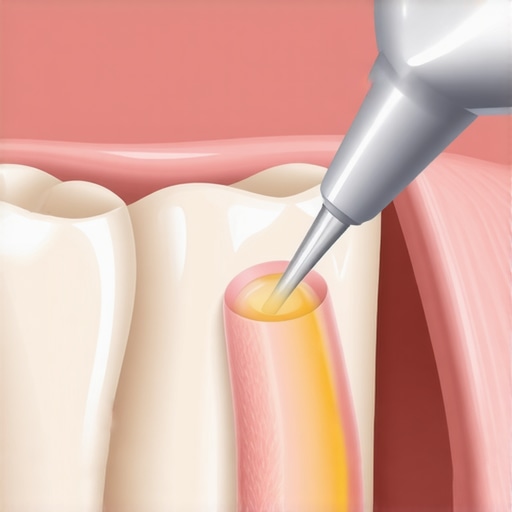
Why Clear Aligners Demand a Different Kind of Clean
If you are choosing invisalign innovation for a straighter smile, you are essentially wearing a biological greenhouse. The biggest nuance people miss is that your saliva, which naturally buffers acid and remineralizes those white spots, cannot reach your teeth while the trays are in. This is why you might experience why your breath smells like vinegar after wearing aligners all night. It is not just a smell; it is an acidic environment that actively leaches minerals from your teeth. Have you ever fallen into this trap where you thought the trays were protecting your teeth when they were actually trapping sugar? Let me know in the comments. To prevent this, you need to master how to stop your clear aligners from turning yellow while ensuring you are not trapping debris against those vulnerable white lesions.
Since I switched to an electric brush with a built-in AI pressure sensor, my gum recession has actually halted. I realized I was a ‘scrubber’—I thought harder was better, but I was just stripping my enamel. This is a common pitfall when you are looking into the ultimate guide to teeth whitening options in 2025; you cannot whiten what you have already scrubbed away. To maintain a truly healthy environment, I have integrated a water flosser with a micro-bubble feature that targets the bacteria clear aligners love to hide.
How do I maintain my smile’s health over the long term?
The secret is not just brushing; it is about the tools you use while you sleep. If you have been grinding your teeth or recently finished orthodontic work, you need to learn how to properly clean a night guard to prevent bacterial buildup. This is not just about hygiene; it is about protecting the financial investment you made in your aligners or your veneers vs crowns decision. A study in the International Journal of Molecular Sciences (2023) confirmed that synthetic nano-hydroxyapatite particles can effectively repair sub-surface enamel lesions, which is why I now only use pastes containing that specific ingredient instead of just generic fluoride. This biomimetic approach actually fills in those ‘thirsty’ white spots I mentioned earlier. 
Smart Scanning and the Future of Your Mouth
I predict that within the next three years, we will not just be going to the dentist for annual cleanings; we will be doing weekly AI-driven scans of our teeth at home using our smartphone cameras. We are already seeing the real reason culpeper dentists are swapping traditional x-rays for 3d scans—the precision is unbeatable and the radiation is non-existent. For parents, this technology is a game-changer when ensuring family dental care what parents need to know in 2025. You can catch a white spot becoming a cavity before it even shows up on a traditional bitewing film. If you are serious about your smile, I recommend buying a high-quality water flosser with a specialized orthodontic tip. Try this tonight: buy a nano-hydroxyapatite serum and apply it directly to any sensitive spots or white marks before bed without rinsing. It is the most effective way to ‘feed’ your enamel while your saliva flow is naturally lower during sleep.
Lessons I Learned the Hard Way About My Own Smile
I used to think a white spot meant I had failed at brushing, but the reality was far more nuanced. One of my biggest lightbulb moments was realizing that my nighttime mouth-breathing was drying out my enamel and making those spots look ten times more prominent than they were when hydrated. I also learned that teeth whitening secrets only work effectively if the surface is structurally sound; otherwise, you’re just highlighting a problem. Lastly, I realized that white spots are often a ‘check engine light’ for your mouth—ignore them, and the engine fails, but respond quickly, and you can reset the system without a single drill bit involved.
What I Keep in My Medicine Cabinet for Peak Enamel
To maintain a high-value smile, I rely on a specific toolkit that focuses on science rather than trends. I always check back with family dentistry tips to ensure I am applying the same rigorous standards to my children’s routines as I do my own. I personally use a pH-balancing mouth rinse to neutralize acid after snacks, which is essential if you are currently using any invisalign innovation that traps bacteria against the tooth. I also suggest keep a dedicated ‘remineralization kit’ containing nano-hydroxyapatite serum for those weeks when your teeth feel a bit more sensitive or ‘chalky’ than usual.
Building a Legacy of Healthy Grins
Your smile is a living part of you, not a static object that stays the same year after year. By paying attention to those small white markers today, you are actively preventing the need for more invasive procedures down the road. If you do reach a point where you want a complete reset, you can always transform your smile with veneers once your underlying health is stabilized. Don’t let a tiny speck of white cause you a mountain of stress; instead, use it as the catalyst to upgrade your daily habits and protect your smile for a lifetime. Have you ever tried to whiten a spot only to have it stand out even more? Let me know in the comments below!