
The Best Way to Whiten Teeth with Sensitive Enamel
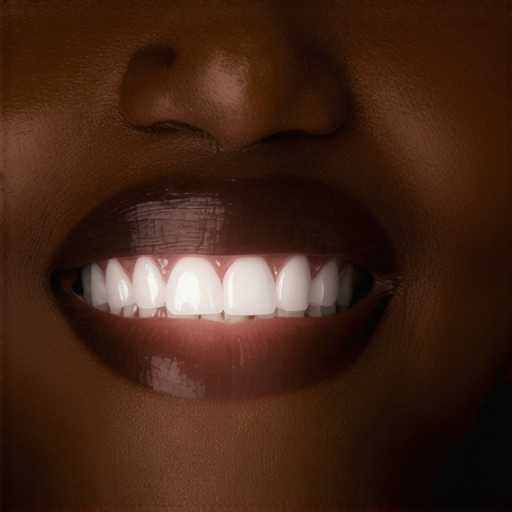
It was a moment I won’t forget—standing in front of the mirror, toothbrush in hand, only to wince at the sharp, nagging pain radiating through my teeth. After trying countless whitening products that promised a sparkling smile, I realized that my sensitive enamel was holding me back. That lightbulb moment hit me hard: I needed a solution that would brighten my teeth without turning my daily routine into a discomfort-filled chore.
Why Sensitive Enamel Makes Teeth Whitening a Challenge
If you’ve ever experienced a sudden jolt of pain when trying to whiten your teeth, you’re not alone. Sensitivity occurs when the protective enamel layer wears thin, exposing the underlying dentin, which contains tiny nerve endings. This makes even minor stimuli like whitening agents feel intense. Early on, I made the mistake of rushing into over-the-counter products without checking their suitability for sensitive teeth. These quick-fixes often exacerbated my discomfort, making me think whitening was simply off-limits for people like me. But here’s the good news: with the right approach, achieving a brighter smile is possible—even with sensitive enamel.
Concerned About Damaging Your Enamel? Here’s What You Should Know
Many people worry that whitening treatments will worsen their sensitivity or damage their teeth further. I learned this the hard way, applying harsh gels that promised quick results but left me with increased pain and hesitation. Fortunately, I discovered that not all whitening methods are created equal. According to the American Dental Association, choosing gentle, ADA-approved products and consulting with your dentist can greatly reduce risks. Want to learn more about safe whitening options? Check out this comprehensive guide on teeth whitening strategies.
So, are you tired of hiding your smile because of sensitivity? In the next sections, I’ll share practical tips and expert advice to brighten your teeth safely without discomfort—giving you the confidence to smile boldly again. Let’s get started on transforming your smile, one gentle step at a time.
,
Choose the Right Products Carefully
Start by selecting whitening gels or strips specifically designed for sensitive teeth. Look for products with lower peroxide concentrations and certifications from reputable dental associations. I remember the first time I bought a gentle whitening pen; it was less aggressive and caused minimal discomfort, making my whitening process much more enjoyable. To ensure safety, visit this comprehensive guide on teeth whitening strategies.
Optimize Your Oral Hygiene Routine
Maintain excellent habits—brush twice daily with a soft-bristled toothbrush and fluoride toothpaste. Floss daily to remove plaque that can aggravate sensitivity. When I started brushing gently with circular motions, rather than harsh scrubbing, I noticed a decrease in sensitivity. Consistent hygiene prepares your enamel to withstand whitening treatments better. For more family-friendly tips, see this family dentistry advice.
Gradually Introduce Whitening Treatments
Do not jump straight into full-strength products. Begin with shorter application times, like 15 minutes, and increase gradually. I once tried a whitening strip for 10 minutes, then slowly built up to 30 minutes over a week, which minimized discomfort. Use a timer and listen to your teeth’s response—if you feel pain, stop immediately. Also, consider using desensitizing toothpaste beforehand to build up your enamel’s resilience. Check out this teeth whitening secrets for more tips.
Incorporate Protective Measures
Applying a fluoride treatment post-whitening can strengthen your enamel. As an extra safeguard, avoid acidic or staining foods for a few days after whitening sessions. I remember drinking orange juice immediately after a whitening treatment and feeling a jolt of pain; now, I wait at least 48 hours before consuming such foods. To prevent future sensitivity, consult with your dentist about options like veneers or Invisalign if your enamel is significantly compromised. For details, explore this comparison of veneers and crowns.
Schedule Regular Dental Checkups
Regular professional cleanings not only maintain your oral health but also help monitor enamel health. When I started seeing my dentist every six months, we could catch early signs of wear and address sensitivity issues before they worsened. Dentists can also recommend personalized treatments or desensitizers based on your unique needs. Remember, continuous care ensures your smile remains bright and healthy without unnecessary discomfort.
Many patients assume they fully understand cosmetic and family dental treatments, but in reality, several misconceptions can lead to suboptimal results or even health risks. Let’s explore some advanced insights into veneers, Invisalign, teeth whitening, and family dentistry that challenge popular beliefs and highlight crucial nuances.
**Veneers are Only for Cosmetic Perfection**: While veneers are often marketed as quick fixes for aesthetic flaws, professionals warn against viewing them as a universal solution. Some believe that veneers can replace comprehensive dental health practices, but this is false. Veneers do not address underlying issues like decay, misalignment, or enamel erosion, which require a tailored approach. Experts recommend evaluating enamel strength and avoiding unnecessary removal of tooth structure, as highlighted in this detailed guide on veneers.
**Invisalign is Just Clear Braces—No Risks Involved**: A common myth is that Invisalign is risk-free and suitable for all orthodontic corrections. However, advanced cases involving skeletal discrepancies or complex rotations may not be ideal candidates. Overuse or improper treatment can cause root resorption or periodontal issues. Additionally, as discussed in Invisalign secrets, compliance is essential; failure to wear aligners diligently can prolong treatment and damage teeth.
*Is your understanding of Invisalign enough to avoid costly setbacks? Find out more in these insights.*
**Teeth Whitening Should Be Done Repeatedly for Continuous Brightness**: Many think that frequent whitening boosts results endlessly. In truth, overuse of peroxide-based products can weaken enamel, increasing sensitivity and susceptibility to decay. The American Dental Association emphasizes moderation and professional consultation to prevent unintended harm. A nuanced approach involves alternating whitening with remineralization treatments, which is often overlooked—learn more in whitening strategies.
**Family Dentistry Is Only About Kids**: There’s a misconception that family dentists are mainly for pediatric care. But experienced family practices provide comprehensive, continuous care for all ages, including preventive measures for periodontal health, orthodontics, and restorative dentistry. They understand the evolving needs from childhood through old age, as explained in building healthy family smiles. Recognizing this can help you prioritize regular checkups and tailored advice, preventing small issues from escalating.
**Beware of the Myths and Embrace Nuance**: Navigation in modern dentistry often involves weighing options, understanding limitations, and embracing personalized strategies. Failing to recognize the nuanced facts can lead to unanticipated complications. For instance, choosing veneers without assessing enamel integrity or attempting DIY whitening can do more harm than good.
Have you ever fallen into this trap? Let me know in the comments! For a comprehensive understanding, always consult your dental professional before embarking on cosmetic or family dental treatments. Remember: informed choices lead to healthier, more beautiful smiles.**
How do I keep my veneers, Invisalign, and whitening results pristine over time?
Maintaining your dental treatments requires a combination of precise tools and disciplined routines. I personally swear by using electric toothbrushes with ultra-soft bristles, such as the Oral-B iO Series, which provides gentle yet effective cleaning, protecting delicate restorations like veneers and crowns from excessive wear. Regular use of interdental brushes, like the GUM Professional Cleaners, ensures plaque removal in hard-to-reach areas, which is crucial for preserving Invisalign aligners and preventing decay around whitened enamel.
For whitening maintenance, I recommend a hydroxyapatite-based toothpaste. This type of toothpaste helps remineralize enamel, which can be slightly compromised by whitening agents. Additionally, using a whitening LED light at home can boost the longevity of your results—I’ve seen significant benefits in minimizing staining when combined with proper oral hygiene.
Monitoring your oral health with digital tools like the Dentacare app allows for tracking brushing habits and receiving personalized tips, which is especially helpful for those with veneers or Invisalign, as these require careful care to avoid damage. Regular professional checkups, ideally every six months, allow your dentist to perform ultra-precise cleanings with ultrasonic scalers that effectively remove calculus without harming restorations.
The future of long-term dental care lies in smart technology and personalized maintenance protocols. As research advances, expect to see more AI-driven monitoring systems that alert you to early signs of wear or damage, ensuring your investments in dental health remain protected for years to come. For now, integrating these recommended tools and routines into your daily life will set you on the path to a lasting, beautiful smile.
Want to stay ahead in maintaining your veneers, Invisalign, or whitening results? Try incorporating a hydroxyapatite toothpaste into your daily routine and schedule a digital check-in with your dentist to customize your care plan. For comprehensive guidance, visit this expert guide on veneers.
Few Mistakes Held Me Back More Than I Thought
Initially, I believed cosmetic dental treatments like veneers and teeth whitening were quick fixes that required little more than visiting the dentist. My lightbulb moment was realizing that rushing into these procedures without proper knowledge could damage my enamel or lead to unsatisfactory results. Learning from my mistakes, I wish I had understood the importance of thorough assessments and realistic expectations beforehand.
The Real Cost of Skipping Professional Advice
Many underestimate how personalized treatments need professional input. I once tried to DIY a whitening kit, only to experience increased sensitivity and uneven results. Consulting with a qualified dental professional ensures you’re choosing the safest, most effective options—saving time, money, and discomfort in the long run. For tailored guidance, exploring expert insights on veneers can be transformative.
Patience Equals Power in Smile Makeovers
One lesson I learned the hard way is that achieving and maintaining a beautiful smile requires patience. Rushing treatments like Invisalign or whitening can cause setbacks. A gradual approach, combined with consistent oral hygiene, ensures lasting results. Remember, a smile is an investment—embracing the journey makes the final outcome even more rewarding.
Curated Resources That Changed My Perspective
Over time, I relied on some trusted sources that helped demystify complex dental topics. The Invisalign secrets guide provided clarity on discreet orthodontic options. The teeth whitening strategies website helped me understand safe bleaching practices. Finally, talking with my dentist regularly transformed my approach into a sustainable routine.
Your Smile, Your Confidence—Take the First Step Today
Transforming your smile isn’t just about appearance; it’s about embracing your confidence and well-being. Every small step, from choosing the right products to seeking professional guidance, can lead to extraordinary change. I encourage you to explore your options, stay informed, and remember that a brighter, healthier smile is within your reach. Ready to start your journey? Your perfect smile awaits!