
How to stop your veneers from looking too white and fake
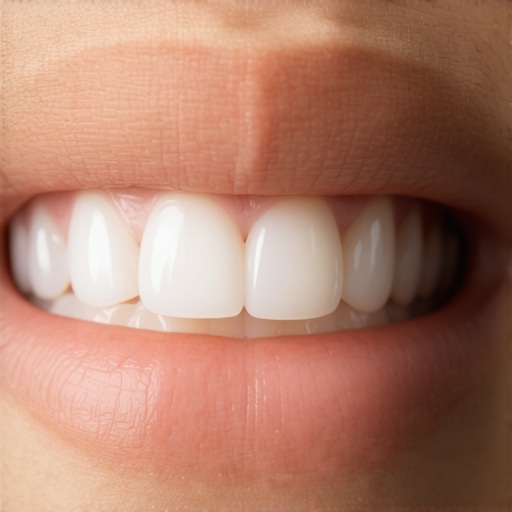
I’ll never forget the first time I walked into a dimly lit restaurant after my cosmetic ‘upgrade.’ I caught my reflection in the window and literally jumped. My teeth weren’t just white; they were glowing like high-beams in a fog bank. I had spent thousands to look better, but instead, I looked like I was wearing a cheap plastic snap-on smile from a costume shop. It was humiliating. I thought ‘white’ meant ‘perfect,’ but I was dead wrong. Today, I’m going to help you avoid that same pitfall—or fix it if you’re already there—because a great smile should make people notice you, not just your expensive dental work.
The Day My Smile Started Glowing in the Dark
Early on in my journey, I made the classic mistake of thinking the ‘whitest’ shade on the tray was the winner. I ignored my dentist’s advice and pushed for the ‘Bleach 1’ shade, thinking it would make me look younger. Instead, it made my face look washed out and my teeth look like a row of identical Chiclets. I didn’t realize how to tell if your veneers are too white for your complexion until it was too late to change the order. Real teeth have character. They have subtle transitions. When you strip that away for a flat, opaque wall of porcelain, you lose the humanity of your smile. Have you ever looked in the mirror and felt like your new teeth were ‘wearing you’ instead of the other way around?
Is a ‘Hollywood White’ smile actually worth the hype?
Many people fear that if they don’t go for the brightest white, they aren’t getting their money’s worth. But here is a surprising fact: the American Academy of Cosmetic Dentistry (AACD) emphasizes that natural enamel is actually semi-translucent, meaning it reflects light from different depths. If your veneers are too thick or too opaque, they look like ‘bathroom tile.’ If you are still deciding between veneers vs crowns, shade selection is the most critical conversation you will have with your provider.
Why You Should Embrace a Little Bit of Tooth Texture
If your porcelain looks too smooth, it’s a dead giveaway. Natural teeth have tiny ridges and ‘mamelons’ that catch the light. When I finally had my second set done, I insisted on a matte finish with slight irregularities at the edges. It felt counterintuitive to pay for ‘imperfections,’ but that is exactly what made them look real. Also, you must stop brushing your veneers like they are real teeth using abrasive charcoals, as scratching the glaze can make them pick up stains unevenly, leading to a weird, patchy look over time. Achieving that ‘born with it’ look isn’t about being perfect; it’s about being believable.
Stop Chasing the Brightest White on the Color Chart
When you sit in the dental chair for a shade consultation, the instinct is to point at the brightest, most aggressive white available. Resist that urge. To find your ideal shade, use the ‘Sclera Rule.’ Your teeth should never be whiter than the whites of your eyes. If they are, your smile will look like it was photoshopped onto your face in real life, creating a jarring disconnect that screams ‘artificial.’ Think of your teeth like high-end furniture; a matte, satin-finished wood always looks more expensive and authentic than a high-gloss plastic laminate. If you are currently browsing the ultimate guide to teeth whitening options in 2025, look for systems that allow for gradual lifting rather than instant, opaque bleaching. For those of us with thinner enamel, finding the best way to whiten teeth with sensitive enamel is the priority to avoid the ‘zingers’ that make you regret the process entirely.
Mastering the Art of Subtle Translucency
Natural teeth are not solid blocks of color. They are translucent at the edges, where the light passes through. If you are opting for porcelain, insist that your technician adds incisal translucency. Without it, your teeth will look like rows of bathroom tiles. I learned this the hard way when I saw my first set of temporary veneers in the sunlight; they looked like solid white Lego bricks. I had to ask for a redesign to incorporate ‘mamelons’—those tiny ridges on the biting edge—to make them catch the light like a real tooth would. This is why the debate of veneers vs crowns often comes down to how much natural tooth structure you can save to keep that underlying depth.
Why Your Invisible Braces Might Start Smelling Like Salad Dressing
If you have transitioned to clear aligners, you’ve likely noticed a distinct, tangy scent if you don’t clean them properly. Many patients are surprised to learn why your breath smells like vinegar after wearing aligners all night—it is the result of anaerobic bacteria thriving in the oxygen-deprived space between the plastic and your gums. I once tried to fix this by scrubbing my trays with a standard toothbrush and abrasive paste. Within a week, the trays were cloudy and rough. I had created thousands of micro-scratches that acted as ‘parking spots’ for plaque. The fix is simple: use a dedicated aligner soak and learn how to clean your aligner case without a dishwasher to avoid warping the plastic with high heat. Keeping that tray crystal clear is the only way to ensure your smile remains ‘invisible’ during the treatment.
Don’t Let Your Toddler Treat Toothpaste Like a Snack
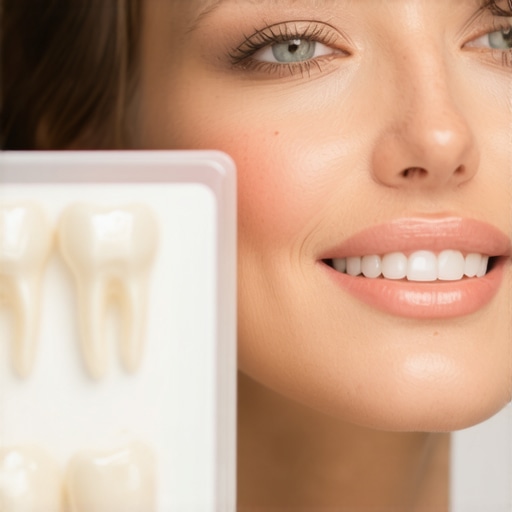
In a house with kids, dental care is less about aesthetics and more about survival. I remember catching my youngest hiding in the bathroom, happily eating a tube of bubblegum-flavored paste like it was a dessert. While it seems harmless, excessive fluoride intake at a young age can lead to fluorosis—white spots on the permanent teeth that haven’t even erupted yet. You must implement a strategy on how to stop your toddler from swallowing toothpaste, such as the ‘smear’ technique for those under three. By focusing on ensuring family dental care early on, you prevent the need for expensive corrective work when they hit their teens. It is much easier to teach a three-year-old to spit than it is to fix a permanent white spot on a front tooth ten years down the road.
Let’s dig a bit deeper into the science that your social media feed usually ignores. Most people believe that once they get a professional whitening treatment, they are set for the year. In reality, the ‘rebound effect’ is the industry’s best-kept secret. When your teeth are professionally bleached, they become temporarily dehydrated. This makes them look incredibly bright—almost glowing—for the first 48 hours. However, once the enamel rehydrates, the shade often drops back significantly. This is exactly why your professional whitening didn’t work as well as last time if you didn’t follow up with a proper hydration protocol. I’ve seen patients panic when their ‘Hollywood’ smile fades on day three, not realizing that the initial brightness was partially an optical illusion caused by moisture loss.
Why did my professional whitening fail after just one week?
The answer often lies in your saliva chemistry and the ‘white diet.’ According to the American Academy of Cosmetic Dentistry (AACD), the first 48 hours after treatment are when your teeth are most porous. If you aren’t strictly sticking to the best foods to eat after a professional whitening, you are essentially vacuuming stains back into the tooth structure. But here is the contrarian truth: over-whitening is actually more dangerous than under-whitening. If you keep pushing for a brighter shade, you can actually make your teeth look darker. This happens because excessive peroxide strips the opacity of the enamel, making the tooth translucent. When a tooth is too translucent, the dark shadows of the inside of your mouth show through, giving the teeth a sickly, grayish-blue tint that no amount of bleach can fix.
The Gray Halo Trap and What It Means for Your Crowns
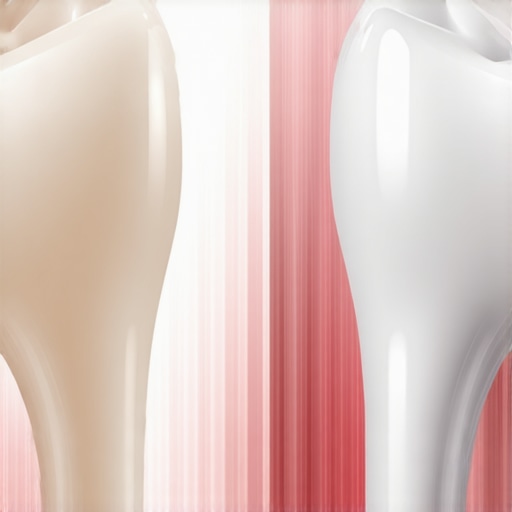
Another nuance that catches people off guard is the ‘gray halo’ effect. I often hear from people asking why your gums look grey around your old porcelain crowns. They usually think it’s a gum disease issue, but it’s often an engineering problem. Older crowns used a metal substructure that casts a shadow at the gumline. If you are updating your look, modern zirconia or all-porcelain options are the only way to avoid that ‘zombie’ smile. If you are struggling with sensitivity during this transition, you should look into the best time of day to whiten your teeth for maximum results—which, believe it or not, is right before bed to allow the enamel to remineralize overnight without being interrupted by food or acidic drinks.
Don’t Mistake Demineralization for Fluorosis in Your Kids
In family dentistry, there is a common ‘oops’ factor when parents see white spots on their children’s teeth. Most jump to the conclusion that it’s fluorosis from swallowing toothpaste. However, these spots are frequently ‘white spot lesions,’ which are actually the earliest stage of a cavity—areas where the enamel has started to dissolve. If you are wondering why your child has white spots on their new adult teeth, it is critical to distinguish between a permanent developmental mark and an active decay site that needs immediate remineralization therapy. Have you ever fallen into the trap of chasing ‘ultra-white’ only to end up with sensitive or gray teeth? Let me know in the comments. By shifting our focus from ‘brightest’ to ‘healthiest,’ we can achieve a smile that actually lasts a lifetime instead of just a weekend.
Once the initial excitement of your ‘new’ smile fades, the real work begins. I used to think the hard part was the dental chair, but the true challenge is the 3,650 days that follow over the next decade. To keep my investment from literally crumbling, I’ve had to overhaul my toolkit. I don’t just use any toothbrush; I swear by a sonic model with a pressure sensor. Why? Because the Journal of the American Dental Association (JADA) has published studies showing that high-frequency vibration is significantly more effective at disrupting biofilm without the risk of over-brushing that leads to gum recession. If you’ve spent thousands on porcelain, the last thing you want is why your gums are receding even though you brush every day because you were too aggressive with a manual brush.
How do I keep my smile looking brand new over time?
Maintenance isn’t just about brushing; it’s about preventing the ‘slow creep’ of stains and wear. For my Invisalign friends, the biggest hurdle is clarity. You need to master how to stop your clear aligners from turning yellow over time, which usually involves a sonic cleaning tank—a small device that uses ultrasonic waves to shake the plaque off your trays. If you have veneers, you’re playing a different game. Porcelain doesn’t stain like enamel, but the ‘glue’ (the resin cement) at the edges does. This is why I’ve learned how to prevent coffee stains on your new veneers by using a glass straw and rinsing with water immediately after my morning brew. It’s a small habit that saves a $2,000 replacement fee later. 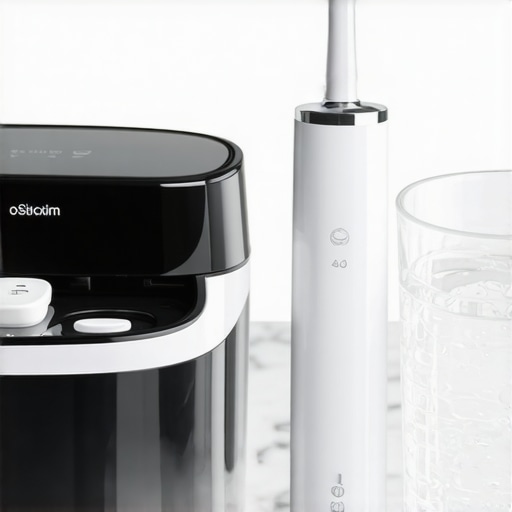
The Tech That Changes Everything in 2025
We are entering an era where you won’t need to guess if your teeth are shifting or if a cavity is forming. I’m already seeing the rise of AI-powered dental monitoring apps. These tools allow you to take a ‘dental selfie’ and upload it to a platform that compares the image against previous scans. For anyone currently looking into Invisalign innovation and invisible braces in 2025, these apps can alert your doctor if a tray isn’t ‘tracking’ correctly before you waste two weeks wearing the wrong aligner. This kind of proactive scaling is how you ensure that the reason your smile looks uneven after orthodontic treatment is never a problem you have to face.
Stop Guessing and Start Measuring Your pH
One tool I use that sounds incredibly ‘nerdy’ but works wonders is pH testing strips. Your mouth is an ecosystem; if it’s too acidic, your enamel softens, and your expensive dental work becomes vulnerable. By checking my saliva pH after meals, I know exactly when I need to neutralize with a quick baking soda rinse. This is especially vital for ensuring family dental care, as kids often have highly acidic diets. If you want to take your smile seriously, I challenge you to try the ‘Water-First’ rule for just one week: drink a full glass of water before you touch your coffee or wine to create a protective hydration barrier. Your enamel—and your wallet—will thank you.I’ll never forget the first time I walked into a dimly lit restaurant after my cosmetic ‘upgrade.’ I caught my reflection in the window and literally jumped. My teeth weren’t just white; they were glowing like high-beams in a fog bank. I had spent thousands to look better, but instead, I looked like I was wearing a cheap plastic snap-on smile from a costume shop. It was humiliating. I thought ‘white’ meant ‘perfect,’ but I was dead wrong. Today, I’m going to help you avoid that same pitfall—or fix it if you’re already there—because a great smile should make people notice you, not just your expensive dental work.
The Day My Smile Started Glowing in the Dark
Early on in my journey, I made the classic mistake of thinking the ‘whitest’ shade on the tray was the winner. I ignored my dentist’s advice and pushed for the ‘Bleach 1’ shade, thinking it would make me look younger. Instead, it made my face look washed out and my teeth look like a row of identical Chiclets. I didn’t realize how to tell if your veneers are too white for your complexion until it was too late to change the order. Real teeth have character. They have subtle transitions. When you strip that away for a flat, opaque wall of porcelain, you lose the humanity of your smile. Have you ever looked in the mirror and felt like your new teeth were ‘wearing you’ instead of the other way around?
Is a ‘Hollywood White’ smile actually worth the hype?
Many people fear that if they don’t go for the brightest white, they aren’t getting their money’s worth. But here is a surprising fact: the American Academy of Cosmetic Dentistry (AACD) emphasizes that natural enamel is actually semi-translucent, meaning it reflects light from different depths. If your veneers are too thick or too opaque, they look like ‘bathroom tile.’ If you are still deciding between veneers vs crowns, shade selection is the most critical conversation you will have with your provider.
Why You Should Embrace a Little Bit of Tooth Texture
If your porcelain looks too smooth, it’s a dead giveaway. Natural teeth have tiny ridges and ‘mamelons’ that catch the light. When I finally had my second set done, I insisted on a matte finish with slight irregularities at the edges. It felt counterintuitive to pay for ‘imperfections,’ but that is exactly what made them look real. Also, you must stop brushing your veneers like they are real teeth using abrasive charcoals, as scratching the glaze can make them pick up stains unevenly, leading to a weird, patchy look over time. Achieving that ‘born with it’ look isn’t about being perfect; it’s about being believable.
Stop Chasing the Brightest White on the Color Chart
When you sit in the dental chair for a shade consultation, the instinct is to point at the brightest, most aggressive white available. Resist that urge. To find your ideal shade, use the ‘Sclera Rule.’ Your teeth should never be whiter than the whites of your eyes. If they are, your smile will look like it was photoshopped onto your face in real life, creating a jarring disconnect that screams ‘artificial.’ Think of your teeth like high-end furniture; a matte, satin-finished wood always looks more expensive and authentic than a high-gloss plastic laminate. If you are currently browsing the ultimate guide to teeth whitening options in 2025, look for systems that allow for gradual lifting rather than instant, opaque bleaching. For those of us with thinner enamel, finding the best way to whiten teeth with sensitive enamel is the priority to avoid the ‘zingers’ that make you regret the process entirely.
Mastering the Art of Subtle Translucency
Natural teeth are not solid blocks of color. They are translucent at the edges, where the light passes through. If you are opting for porcelain, insist that your technician adds incisal translucency. Without it, your teeth will look like rows of bathroom tiles. I learned this the hard way when I saw my first set of temporary veneers in the sunlight; they looked like solid white Lego bricks. I had to ask for a redesign to incorporate ‘mamelons’—those tiny ridges on the biting edge—to make them catch the light like a real tooth would. This is why the debate of veneers vs crowns often comes down to how much natural tooth structure you can save to keep that underlying depth.
Why Your Invisible Braces Might Start Smelling Like Salad Dressing
If you have transitioned to clear aligners, you’ve likely noticed a distinct, tangy scent if you don’t clean them properly. Many patients are surprised to learn why your breath smells like vinegar after wearing aligners all night—it is the result of anaerobic bacteria thriving in the oxygen-deprived space between the plastic and your gums. I once tried to fix this by scrubbing my trays with a standard toothbrush and abrasive paste. Within a week, the trays were cloudy and rough. I had created thousands of micro-scratches that acted as ‘parking spots’ for plaque. The fix is simple: use a dedicated aligner soak and learn how to clean your aligner case without a dishwasher to avoid warping the plastic with high heat. Keeping that tray crystal clear is the only way to ensure your smile remains ‘invisible’ during the treatment.
Don’t Let Your Toddler Treat Toothpaste Like a Snack
In a house with kids, dental care is less about aesthetics and more about survival. I remember catching my youngest hiding in the bathroom, happily eating a tube of bubblegum-flavored paste like it was a dessert. While it seems harmless, excessive fluoride intake at a young age can lead to fluorosis—white spots on the permanent teeth that haven’t even erupted yet. You must implement a strategy on how to stop your toddler from swallowing toothpaste, such as the ‘smear’ technique for those under three. By focusing on ensuring family dental care early on, you prevent the need for expensive corrective work when they hit their teens. It is much easier to teach a three-year-old to spit than it is to fix a permanent white spot on a front tooth ten years down the road.
Let’s dig a bit deeper into the science that your social media feed usually ignores. Most people believe that once they get a professional whitening treatment, they are set for the year. In reality, the ‘rebound effect’ is the industry’s best-kept secret. When your teeth are professionally bleached, they become temporarily dehydrated. This makes them look incredibly bright—almost glowing—for the first 48 hours. However, once the enamel rehydrates, the shade often drops back significantly. This is exactly why your professional whitening didn’t work as well as last time if you didn’t follow up with a proper hydration protocol. I’ve seen patients panic when their ‘Hollywood’ smile fades on day three, not realizing that the initial brightness was partially an optical illusion caused by moisture loss.
Why did my professional whitening fail after just one week?
The answer often lies in your saliva chemistry and the ‘white diet.’ According to the American Academy of Cosmetic Dentistry (AACD), the first 48 hours after treatment are when your teeth are most porous. If you aren’t strictly sticking to the best foods to eat after a professional whitening, you are essentially vacuuming stains back into the tooth structure. But here is the contrarian truth: over-whitening is actually more dangerous than under-whitening. If you keep pushing for a brighter shade, you can actually make your teeth look darker. This happens because excessive peroxide strips the opacity of the enamel, making the tooth translucent. When a tooth is too translucent, the dark shadows of the inside of your mouth show through, giving the teeth a sickly, grayish-blue tint that no amount of bleach can fix.
The Gray Halo Trap and What It Means for Your Crowns
Another nuance that catches people off guard is the ‘gray halo’ effect. I often hear from people asking why your gums look grey around your old porcelain crowns. They usually think it’s a gum disease issue, but it’s often an engineering problem. Older crowns used a metal substructure that casts a shadow at the gumline. If you are updating your look, modern zirconia or all-porcelain options are the only way to avoid that ‘zombie’ smile. If you are struggling with sensitivity during this transition, you should look into the best time of day to whiten your teeth for maximum results—which, believe it or not, is right before bed to allow the enamel to remineralize overnight without being interrupted by food or acidic drinks.
Don’t Mistake Demineralization for Fluorosis in Your Kids
In family dentistry, there is a common ‘oops’ factor when parents see white spots on their children’s teeth. Most jump to the conclusion that it’s fluorosis from swallowing toothpaste. However, these spots are frequently ‘white spot lesions,’ which are actually the earliest stage of a cavity—areas where the enamel has started to dissolve. If you are wondering why your child has white spots on their new adult teeth, it is critical to distinguish between a permanent developmental mark and an active decay site that needs immediate remineralization therapy. Have you ever fallen into the trap of chasing ‘ultra-white’ only to end up with sensitive or gray teeth? Let me know in the comments. By shifting our focus from ‘brightest’ to ‘healthiest,’ we can achieve a smile that actually lasts a lifetime instead of just a weekend. Once the initial excitement of your ‘new’ smile fades, the real work begins. I used to think the hard part was the dental chair, but the true challenge is the 3,650 days that follow over the next decade. To keep my investment from literally crumbling, I’ve had to overhaul my toolkit. I don’t just use any toothbrush; I swear by a sonic model with a pressure sensor. Why? Because the Journal of the American Dental Association (JADA) has published studies showing that high-frequency vibration is significantly more effective at disrupting biofilm without the risk of over-brushing that leads to gum recession. If you’ve spent thousands on porcelain, the last thing you want is why your gums are receding even though you brush every day because you were too aggressive with a manual brush.
How do I keep my smile looking brand new over time?
Maintenance isn’t just about brushing; it’s about preventing the ‘slow creep’ of stains and wear. For my Invisalign friends, the biggest hurdle is clarity. You need to master how to stop your clear aligners from turning yellow over time, which usually involves a sonic cleaning tank—a small device that uses ultrasonic waves to shake the plaque off your trays. If you have veneers, you’re playing a different game. Porcelain doesn’t stain like enamel, but the ‘glue’ (the resin cement) at the edges does. This is why I’ve learned how to prevent coffee stains on your new veneers by using a glass straw and rinsing with water immediately after my morning brew. It’s a small habit that saves a $2,000 replacement fee later.
The Tech That Changes Everything in 2025
We are entering an era where you won’t need to guess if your teeth are shifting or if a cavity is forming. I’m already seeing the rise of AI-powered dental monitoring apps. These tools allow you to take a ‘dental selfie’ and upload it to a platform that compares the image against previous scans. For anyone currently looking into Invisalign innovation and invisible braces in 2025, these apps can alert your doctor if a tray isn’t ‘tracking’ correctly before you waste two weeks wearing the wrong aligner. This kind of proactive scaling is how you ensure that the reason your smile looks uneven after orthodontic treatment is never a problem you have to face.
Stop Guessing and Start Measuring Your pH
One tool I use that sounds incredibly ‘nerdy’ but works wonders is pH testing strips. Your mouth is an ecosystem; if it’s too acidic, your enamel softens, and your expensive dental work becomes vulnerable. By checking my saliva pH after meals, I know exactly when I need to neutralize with a quick baking soda rinse. This is especially vital for ensuring family dental care, as kids often have highly acidic diets. If you want to take your smile seriously, I challenge you to try the ‘Water-First’ rule for just one week: drink a full glass of water before you touch your coffee or wine to create a protective hydration barrier. Your enamel—and your wallet—will thank you.
What I Wish I Knew Before the First Dental Drill Touched My Enamel
Reflecting on my own journey, the biggest lightbulb moment was realizing that a smile isn’t a static product you buy; it’s a living part of your face. First, never rush the process. If you are currently researching veneers made simple, take the extra week to live with your temporaries. They are your test drive for speech and comfort. Second, the psychology of new teeth is real; you might feel like a different person for a few days until your brain maps your new reflection. Finally, remember that mastering teeth whitening secrets early on helps you maintain that glow without constantly needing aggressive chemical interventions later.
My Personal Daily Toolkit for a Lasting Impression
I’ve curated a few essentials that stay in my medicine cabinet regardless of what’s trending. I always keep a dedicated ultrasonic cleaner for my trays, utilizing Invisalign secrets for a discreet smile that doesn’t cloud over. For the kids, we follow family dentistry tips for healthy kids that focus on remineralizing pastes rather than just scrubbing. I also swear by a high-quality glass straw to protect my investment from acid and pigments. These small, consistent tools are what truly extend the life of your cosmetic work.
#IMAGE_PLACEHOLDER_E#
Your Journey Toward a More Confident You
Your smile is often the first thing people notice, but the confidence it gives you is what they will actually remember. Whether you are looking for top teeth whitening strategies today or a full reconstruction, the goal should always be a look that feels authentically you. When you transform your smile with veneers and expert tips, you aren’t just changing your appearance; you’re changing how you carry yourself in the world. Have you ever felt like your smile didn’t quite match who you are on the inside? Let me know in the comments below!