
The reason your dental implant feels like it is throbbing
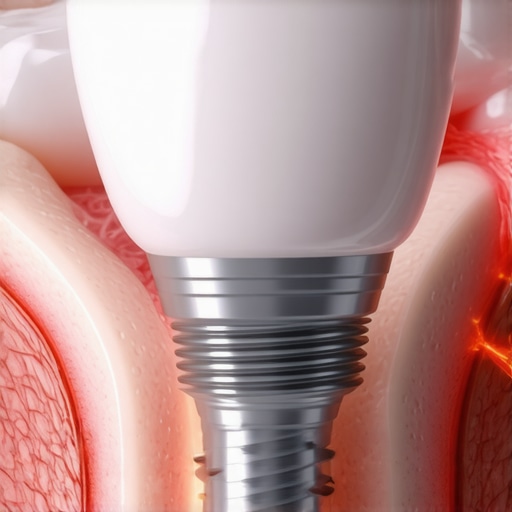
I was halfway through a bowl of lukewarm tomato soup when I felt it—that rhythmic, dull pulse right where my molar used to be. It wasn’t the sharp sting of a cavity; it was deeper, more insistent. My first thought? My body is rejecting the metal. I’ve been there, staring at the bathroom mirror, wondering if my permanent fix was about to fall out. It’s a terrifying sensation, especially after you’ve invested the time and money into a procedure that’s supposed to be the gold standard of modern dentistry. But here’s the thing: your dental implant shouldn’t have a heartbeat. Today, we are going to figure out why your implant is throbbing and when you actually need to worry. We will look at everything from simple inflammation to the dreaded peri-implantitis, so you can stop scrolling through forums and start taking the right action.
That Rhythmic Pulse in Your Jaw Isn’t Always a Disaster
When I first got my implant, I made a classic mistake. I figured that because the tooth was fake, I didn’t have to worry about it anymore. I ignored a slight tenderness for weeks, thinking it would just settle on its own. By the time I finally sat in the chair, my dentist had to remind me that while the crown is porcelain, the bone and gums around it are very much alive. A throbbing sensation is usually your body’s way of sounding an alarm about the soft tissue. Sometimes, that throb is just your blood flow increasing to help the area heal during the early stages of family dentistry care. You might even feel like your dental implant feels like its vibrating when you speak or chew. This is often just your nerves and jawbone adjusting to the new occupant. However, if that pulse turns into a constant, heavy ache, it might be a sign that something is brewing under the surface.
Does a throbbing sensation mean my implant is failing?
This is the big fear. You’ve spent months waiting for the bone to fuse, and now it feels like a ticking time bomb. While it’s scary, a throb doesn’t automatically mean the implant is a goner. In fact, most of the time, the issue is with the surrounding gum tissue, not the titanium post itself. Interestingly, research published by the American Academy of Implant Dentistry notes that while dental implants have a success rate of over 95%, the most common complications arise from localized inflammation called peri-implantitis. It’s essentially gum disease for implants, and if you catch it early, it’s completely manageable. The real trick is knowing how to tell if your dental implant is successfully healing or if you’re dealing with a late-stage complication. Even if it’s been years since your surgery, you might find that your dental implant feels tender due to a change in your overall health or even a sinus infection. Have you ever felt a weird pulse or heartbeat in your gums after a dental procedure? Let me know in the comments—I’d love to hear how you handled it!
Take These Three Steps to Quiet the Throb
When you feel that rhythmic beat in your jaw, your first instinct is to panic. Don’t. Instead, treat it like a technical diagnostic. You need to determine if the issue is the hardware (the implant) or the software (your gums and nerves). I remember one specific Tuesday when I was convinced my implant was failing because it felt like a tiny drum was beating against my bone. I sat down with a flashlight and a mirror, determined to see if the metal was moving. I gently nudged the crown with my finger. It didn’t budge. That small test saved me a frantic, expensive emergency call. If your crown is stable, the pulse is likely coming from blood flow in the soft tissue, not a loose screw. This is a common part of family dentistry tips for adults managing restorations: always check for stability first. If you notice any movement at all, that is your signal to stop and call your dentist immediately.
Clear Out the Debris Around the Post
Your gum tissue is like a high-end gasket on a car engine. If even a tiny bit of grit gets under it, the whole system starts to hum and heat up. A common cause of that ‘heartbeat’ sensation is food particles or bacteria getting trapped in the microscopic space between the crown and the gum line. Think of it like a splinter in your finger; the area swells and pulses as your body tries to push the intruder out. To fix this, you need to be surgical with your hygiene. Use a water flosser on a low setting or a specialized interdental brush to clear the area. You must learn how to stop your dental implant from trapping food against your cheek to prevent this inflammation from becoming chronic. If the pulse subsides after a thorough cleaning, you’ve likely caught a case of early-stage inflammation before it turned into full-blown peri-implantitis.
Evaluate Your Sinuses and Surroundings
Sometimes the pulse isn’t about the implant at all. Because your upper implants sit so close to your maxillary sinuses, any congestion can put pressure on the implant’s nerve endings. It’s the same reason why your teeth ache when you have a sinus infection. If you have a head cold or allergies, the ‘throb’ might just be referred pressure. When I had my sinus issue, I noticed the pulsing got worse when I leaned forward to tie my shoes. That’s a classic sign of sinus pressure rather than an implant failure. You should also consider your bite. If your crown is slightly ‘high,’ every time you chew, you are essentially hammering the implant into the bone. This constant trauma can cause the surrounding tissue to pulse with inflammation. If you’ve recently had work done, like veneers made simple or a new crown, your bite might have shifted just enough to put extra stress on the implant. Knowing how to tell if your dental implant is successfully healing involves recognizing these external environmental factors that mimic internal failure.The biggest myth I see in my years of following dental trends is the idea that an implant is a set it and forget it fix that requires less maintenance than a real tooth. It is actually the opposite. Your natural tooth is held in place by the periodontal ligament—a complex system of fibers that acts as a shock absorber and a sensory messenger. An implant, however, is fused directly to the bone through osseointegration. While this makes it incredibly stable, it also means it lacks the natural early warning system that triggers pain during the very first stages of an infection. By the time you feel that rhythmic throb, the inflammation is likely much further along than it would be in a natural tooth. This is why family dentistry experts emphasize that professional checkups are even more vital for those with restorations. You might think you are safe because titanium cannot rot, but the lack of a ligament means the infection moves faster toward the jawbone once the gum seal is breached.
Why Scrubbing Your Restoration Like a Real Tooth Backfires
One oops factor that many people fall into is the abrasive scrub. I see patients who are so terrified of staining their new restorations that they use aggressive whitening toothpastes or stiff-bristled brushes. If you stop brushing your veneers like they are real teeth, you should apply that same logic to your implant crown. Highly abrasive pastes can create microscopic scratches in the porcelain or the exposed titanium collar. These scratches are not just an aesthetic issue; they are high-capacity hotels for bacteria. Once biofilm takes hold in a scratch, it is nearly impossible to remove with a standard toothbrush. This is the common trap that leads to that rhythmic pulsing we discussed earlier. Have you ever fallen into this trap of over-cleaning? Let me know in the comments!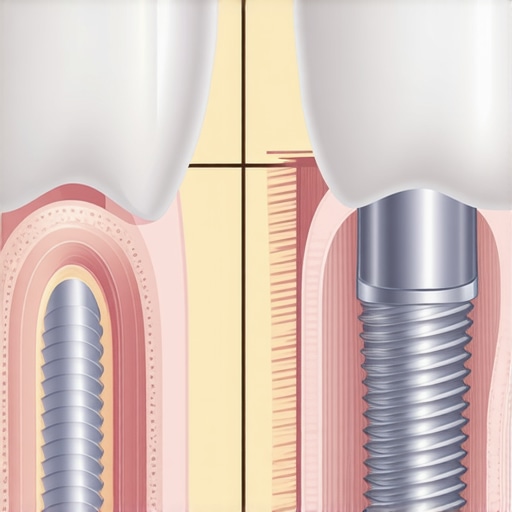
Can a shifting bite cause my implant to feel like it is moving?
Surprisingly, yes. If you have finished orthodontic work or are using invisalign innovation to straighten your smile, the way your teeth meet is constantly changing. A natural tooth can move slightly to accommodate a high spot in your bite because of that periodontal ligament I mentioned. An implant cannot. It is a rigid object in a moving system. If your bite shifts even a fraction of a millimeter, the implant takes the full force of your jaw muscles. According to a study in the International Journal of Implant Dentistry, occlusal overload—basically, biting too hard on the wrong spot—is a leading cause of bone loss around otherwise healthy implants. This mechanical stress mimics the feeling of a pulse or heartbeat. If you notice why your teeth feel loose during the second month of invisalign, it is a sign your whole mouth is in flux, and your implant might be the first to complain about the new layout. If you are seeing why your gums look grey around your old porcelain crowns, it might not just be the metal showing through; it could be a sign of thinning tissue that is more prone to pulsing and irritation. Do not assume that a throb is just part of the deal as you age. It is a nuance of dental health that requires a proactive approach, whether you are weighing the pros of veneers vs crowns or managing a decade-old implant.Upgrade Your Toolkit to Protect Your Investment. I swapped my standard string floss for a high-pressure water flosser years ago, and it was a total game-changer for my oral health. Standard floss is great for natural teeth, but for an implant or a bridge, you need a tool that can flush out the ‘blind spots’ where the restoration meets the gum. If you have ever struggled with how to clean a dental bridge without getting floss stuck, you know exactly how frustrating that manual struggle can be. Personally, I use the ‘Plaque Seeker’ tip on my water flosser because the soft tufts are specifically designed to clean around implants without scratching the titanium. This is vital because research in the Journal of Prosthetic Dentistry indicates that even microscopic surface scratches on a restoration can increase bacterial adhesion by nearly 40%.
How do I keep my dental restorations stable for the next decade?
To ensure your smile lasts, you have to think about the environment, not just the tooth. This means managing your bite and keeping your surrounding teeth in check. If you are using invisalign secrets achieving a perfect smile discreetly, you must be hyper-vigilant about hygiene. Bacteria can thrive under those trays, leading to the inflammation that causes that rhythmic pulsing. I also recommend looking into the real reason culpeper dentists are swapping traditional x-rays for 3d scans; these scans allow your dentist to see the bone density around your implant in high definition, catching issues long before you feel a throb. If you wear a night guard to protect your work, make sure you know how to properly clean a night guard to prevent bacterial buildup, as a dirty guard is just a petri dish for the very bacteria that cause peri-implantitis. I predict that in the next few years, we will see ‘smart’ implants with built-in sensors that alert your phone at the first sign of pH changes or inflammation. Until then, you are the primary sensor. If you are trying to brighten things up, stick to teeth whitening secrets for a sparkling smile in 2025 that prioritize enamel safety. If you have sensitive teeth, you should specifically look for the best way to whiten teeth with sensitive enamel to avoid triggering a pulse in your jaw. My advanced tip for today: Check the RDA (Relative Dentin Abrasivity) value of your toothpaste. If it’s over 70, you are likely scrubbing away the polish on your crowns and veneers—switch to a low-abrasive gel immediately to extend the life of your smile.
Hard Truths About Living with Titanium
One thing I wish I had known sooner is that an implant is a dynamic part of your body, not just a static piece of hardware. First, your body’s stress levels actually manifest in your jaw; if you are grinding your teeth at night, that ‘heartbeat’ might just be muscle exhaustion. Second, the seal between your crown and your gum is your first line of defense. If you lose that seal, you lose the protection for your jawbone. Finally, I’ve learned that regular professional visits are non-negotiable. Many of my friends found that 3D scans used by modern dentists can spot bone changes years before you feel a single throb.
The Toolkit That Keeps My Smile Steady
Over the years, I’ve refined my dental care routine to include three non-negotiables. I always keep a high-quality water flosser on hand, as it’s the only way I’ve found to truly clean under restorations without the frustration of traditional floss. I also swear by a custom night guard. If you use one, make sure you remove bacterial buildup daily so you aren’t introducing new germs to your implant site. Lastly, I keep the number of a trusted clinic that specializes in comprehensive family dentistry on my speed dial for those moments when the ‘throb’ feels more like a ‘knock’.
Don’t Let a Pulse Steal Your Confidence
At the end of the day, your dental implant is an investment in your health and your smile. While a rhythmic pulse can be unsettling, it is usually just a signal that your body needs a little extra attention—whether that is a deeper cleaning, a bite adjustment, or just a bit of rest for your jaw muscles. Take proactive steps, listen to what your mouth is telling you, and you’ll keep that restoration solid for a lifetime. If you are worried, don’t hesitate to reach out for a professional opinion to put your mind at ease. Have you ever felt a weird heartbeat sensation in your gums after a procedure? Let’s talk about it in the comments below!