
Why your teeth look yellow in certain bathroom lighting

I remember standing in my sister’s guest bathroom right before her wedding, leaning so close to the mirror I could see my own breath fogging up the glass. I nearly dropped my toothbrush in shock. My teeth, which I thought looked pretty decent in my bedroom, looked like a stack of old, weathered Post-it notes. I spent the next ten minutes scrubbing my gums until they were practically raw, convinced I’d suddenly developed a decade’s worth of coffee stains in a single afternoon. It was a total panic moment. But here is the secret I learned after years of obsessing over dental care: I wasn’t dirty, and I didn’t need to sand down my enamel. I was just standing under the wrong lightbulb. If you have ever felt that same ‘jump-scare’ when looking at your reflection in a public restroom or a dimly lit hallway, you are not alone, and your teeth probably aren’t as yellow as you think. Today, we are going to dive into why your bathroom is lying to you and how you can finally see your smile for what it actually is.
Your Lighting is Telling You a Lie
I’ve been there—spending way too much money on over-the-counter strips because I thought my smile was fading. In my early twenties, I made the mistake of using a harsh charcoal paste every day for a month because of one bad encounter with a fluorescent light in a mall changing room. All I did was make my teeth sensitive, when the real culprit was the 2700K warm-white bulbs overhead. Light has a massive impact on how we perceive color. Incandescent and warm LED bulbs lean heavily into the yellow and red spectrum. When that yellow light hits your teeth—which are naturally slightly translucent—it amplifies the yellow tones of the dentin underneath your enamel. According to the American Lighting Association, the Color Rendering Index (CRI) of a bulb determines how accurately it reveals the true colors of an object. Most standard bathroom bulbs have a low CRI, which essentially ‘paints’ your teeth yellow. If you really want to see the truth, you need to check your smile in natural, indirect sunlight or look into the ultimate guide to teeth whitening options in 2025 to see if your concerns are light-based or actual staining.
Is your bathroom lighting actually sabotaging your confidence?
It really might be. Have you ever noticed that your teeth look bright and white when you are outside on a cloudy day, but the second you step into a bathroom with ‘mood lighting,’ everything changes? This is often because of a lack of blue-spectrum light. Blue light cancels out yellow tones. This is exactly why many teeth whitening secrets involve blue-light accelerators—they are playing with the physics of color. If your bathroom is filled with warm, soft-white bulbs, you are essentially bathing your teeth in a yellow filter. Before you start worrying that your teeth look gray instead of yellow or trying to scrub away stains that aren’t there, try changing your bulbs to ‘Daylight’ LEDs (around 5000K). It’s a $10 fix that can save you a lot of dental anxiety. Have you ever had that specific moment of panic where you saw your smile in a mirror and thought, ‘When did this happen?’ I want to hear about your most ‘relatable’ bathroom mirror realizations—it happens to the best of us! It’s important to understand that your enamel isn’t a flat white sheet; it’s a complex surface, and sometimes even the truth about whitening your teeth with strawberries won’t help if the light in the room is simply working against you. Let’s look at what else might be contributing to that dull look besides just the bulbs.
Swap Your Bulbs and Stop the Panic
I remember the exact Saturday I decided to declare war on my bathroom’s “mood lighting.” I marched into the hardware store and grabbed a pack of 5000K “Daylight” LED bulbs, determined to see what was really going on. Back at home, I stood on the edge of the tub, unscrewing those dusty, amber-tinted globes that had been there for years. When I flipped the switch on the new ones, the room felt like a surgical suite, but my teeth looked incredible. The heavy yellow cast was gone instantly. To replicate this, look for bulbs with a high Color Rendering Index (CRI) of 90 or higher. This simple change stops your lighting from artificially “painting” your smile yellow. While you are auditing your bathroom environment, remember that physical debris can also dull your smile; knowing how to properly clean a night guard to prevent bacterial buildup is just as important as the light hitting your teeth. If you aren’t ready to rewire your house, just take a handheld mirror to the window.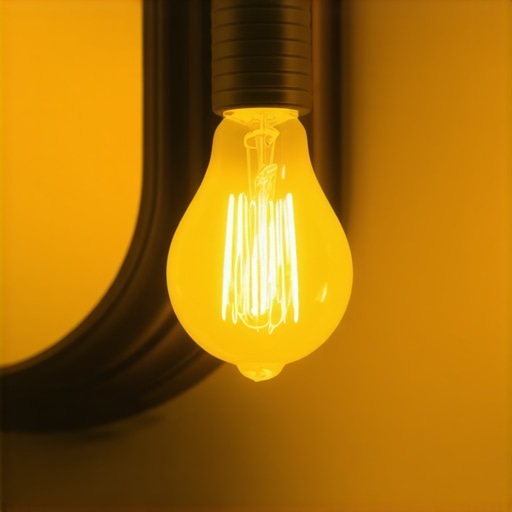
Find the Truth in the Sunlight
Artificial light is almost always biased toward one end of the color spectrum. To get the most accurate “reading” of your tooth shade, stand about three feet back from a window during mid-morning. Direct, harsh sunlight can blow out the details, but indirect natural light reveals the true balance between your enamel and the dentin underneath. This is often when people realize their teeth are actually quite bright. If you still see a yellowish tint in natural light, it might be time to look into the ultimate guide to teeth whitening options in 2025 to differentiate between surface stains and internal aging.
Check for Real Stains vs. Optical Illusions
Sometimes the dullness isn’t just a trick of the light. If you have noticed a change that persists even outdoors, look at your daily habits. For instance, knowing how to keep your teeth white without giving up black tea can save you from the “dingy” look that develops over months of sipping. If you have already invested in cosmetic work, you might be wondering why your porcelain veneers look dull after five years of wear. Often, it is just a matter of professional polishing rather than the material failing. For those currently in treatment, it’s vital to learn how to stop your clear aligners from turning yellow over time, as a stained tray will make even the whitest teeth look discolored.
When Color Perception Becomes a Cosmetic Choice
If you have corrected your lighting and adjusted your cleaning routine but still aren’t happy, you might be entering the realm of elective “brightening.” This is a standard part of family dentistry building healthy smiles for every generation—helping patients feel confident in their appearance. However, be careful not to overdo it. It is very easy to lose perspective, and many people struggle with how to tell if your veneers are too white for your complexion. Your teeth should look like a healthy part of you, not like they were photoshopped into your mouth. Use the “eye white test”: your teeth should generally not be significantly whiter than the whites of your eyes.
Why More Peroxide Isn’t Always the Answer
Most of us fall into the trap of thinking that if a little whitening is good, a lot must be better. I’ve seen people use strips every single night for weeks, desperate to hit that ‘Hollywood’ level of brightness. But here is the contrarian truth: you can actually over-whiten your teeth until they look worse. When you over-bleach, you risk stripping away the micro-layers of your enamel, making the tooth more translucent. Because the inside of your mouth is dark, translucent teeth start to look gray or even blue-ish rather than white. This is especially true for those dealing with complex issues like the best way to whiten teeth that have been stained by tetracycline, where the staining is deep within the tooth structure, not just on the surface. If you feel like your results have plateaued, it might be why your professional whitening didn’t work as well as last time—your teeth might simply be at their biological limit.
Does over-whitening actually make teeth look darker in the long run?
It absolutely can. According to a study published in Clinical Oral Investigations, high concentrations of hydrogen peroxide can lead to significant enamel demineralization if used without proper recovery periods. When the enamel thins, the yellowish dentin underneath shows through more clearly, or the tooth picks up stains faster because the surface is now porous. This is the ‘Oops’ factor many DIY-ers hit. They try to fix the dullness with more products, like abrasive pastes, but they should really be focusing on remineralization. For example, using the wrong tools can be devastating; you must the truth about charcoal toothpaste and your tooth enamel is that it’s often too abrasive for daily use and can wear down that precious outer layer you’re trying to brighten.
Stop Treating Your Veneers Like Real Enamel
If you have made the jump to cosmetic porcelain, the rules of the game change entirely. One of the most common mistakes I see is people scrub-brushing their new smile as if they are trying to scour a cast-iron skillet. You need to stop brushing your veneers like they are real teeth because aggressive friction can actually scratch the glazing on the porcelain. Once that glaze is gone, the veneers lose their luster and start to pick up surface stains that they were designed to resist. It’s also normal to feel some initial discomfort; for instance, you might wonder why your new veneers feel like they are pushing against your other teeth during the first few days as your gums and surrounding teeth adjust to the new dimensions.
The goal isn’t just to have white teeth; it’s to have a healthy, believable smile. This means being strategic, like knowing the best time of day to whiten your teeth for maximum results to minimize sensitivity, and learning how to stop your veneers from looking too white and fake by choosing shades that match your skin tone and age. Have you ever fallen into the trap of over-whitening or choosing a shade that felt a bit too bright once you got it home? Let me know in the comments—I’d love to hear how you handled that ‘too-white’ panic!
Why Your Choice of Toothbrush Matters More Than Your Toothpaste
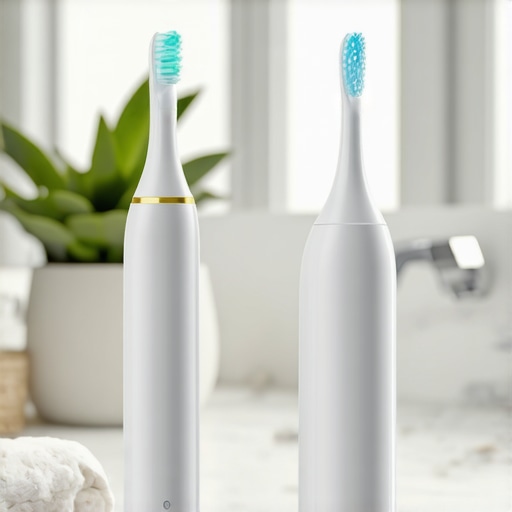
I used to be a ‘scrubber.’ I thought if I didn’t feel my gums tingling, I wasn’t doing it right. But when you are maintaining high-end cosmetic work, you have to transition from a ‘cleaner’ to a ‘curator.’ For those of us with porcelain work, I personally recommend switching to a sonic toothbrush with a pressure sensor. I use the Philips Sonicare ProtectiveClean series because it vibrates rather than rotates, which is far gentler on the margins where your tooth meets the veneer. If you push too hard, the handle literally pulses to tell you to back off, protecting you from accidentally causing gum recession. This is a critical part of transforming your smile with veneers and ensuring they last the full fifteen to twenty years they are rated for.
Beyond the brush, the tool that changed my life was a high-quality water flosser. If you are currently navigating Invisalign secrets for a perfect smile, you know that food gets trapped in places you didn’t even know existed. A water flosser at a low setting is the only way to effectively clear debris from around aligner attachments without irritation. It’s also the best way to learn how to clean the stubborn gunk out of your night guard or retainers by using the spray to reach into those tight crevices where a brush can’t fit.
How do I keep my results from fading over the next decade?
Consistency is the boring answer, but the specific ‘how’ is what matters. The American Academy of Cosmetic Dentistry (AACD) notes that while the porcelain in veneers is virtually stain-proof, the composite resin used to bond them to your teeth can still pick up pigments. To combat this, I recommend a ‘clear-rinse’ policy: every time you drink coffee or tea, follow it immediately with a sip of plain water. This prevents the staining agents from sitting on those vulnerable margins. For those focused on ensuring family dental care, this habit is much easier to teach kids than a complex flossing routine. If you are already noticing some dullness, don’t reach for the bleach; revisit veneers made simple to see if a professional polishing session is actually what you need instead.
The Future of Your Smile is Smarter Than You Think
We are moving toward a world of ‘Proactive Dentistry.’ I predict that within the next three years, home-based AI scanning will be the standard for everyone, not just those using Invisalign innovation and invisible braces. You will likely have an attachment for your smartphone that takes a high-resolution scan of your mouth, and an app will alert you to microscopic enamel wear or early-stage gingivitis before you ever feel a thing. This level of data is going to make family dentistry tips for kids far more effective because we will be catching cavities weeks before they require a drill.
My best advice? Invest in a high-CRI ‘Daylight’ bulb for your bathroom tonight and do a ‘real-light’ audit of your smile. It’s the fastest way to stop over-whitening and start appreciating the progress you’ve already made. If you haven’t yet, try switching to a non-abrasive gel toothpaste—it’s a small change that preserves your enamel and your investment for years to come.
Lessons from a Decade of Dental Obsession
After years of testing every strip, light, and paste on the market, I’ve realized that perfection is a moving target. Your teeth are living tissue, not plastic, and they will naturally have some warmth to them. If you are constantly chasing a shade that doesn’t exist in nature, you’ll end up with sensitivity rather than satisfaction.
The most important thing I learned is that shade stability matters more than peak brightness. It is much better to have a consistently healthy, slightly off-white smile than a neon-white one that fades or becomes painful within a week. This is why family dentistry building healthy smiles for every generation focuses so much on the long game.
Also, never judge your teeth while wearing a bright yellow shirt or standing in a room with orange walls. Color theory is real, and your environment will always dictate how you perceive your reflection. Often, a perceived ‘yellowing’ is just a reflection of your surroundings.
My Essential Toolkit for Lasting Radiance
If you want to maintain your results without the constant stress, I recommend these three staples: First, swap your bulbs for 5000K LEDs immediately. Second, invest in a water flosser—it is the only way to effectively manage the ‘hidden’ stains that accumulate between teeth. Third, read through the ultimate guide to teeth whitening options in 2025 to understand which chemicals are actually safe for your specific enamel type.
I also keep a stash of non-abrasive polishing gel rather than standard whitening toothpaste. It keeps the surface smooth so stains can’t stick as easily. If you are trying to decide between different paths, checking out veneers vs crowns which is right for your smile can help you decide which long-term tool fits your lifestyle and aesthetic goals.
Step Into Your Brightest Possible Future
Don’t let a bad lightbulb steal your confidence. Your smile is a reflection of your health, your history, and your joy. Whether you choose professional teeth whitening or just decide to embrace your natural shade under better lighting, the goal is to feel good when you look in the mirror. You deserve a smile that makes you want to show it off, not one that makes you hide in the shadows. Take it one step at a time, starting with the light you see yourself in.
Have you ever noticed your teeth look completely different in your car mirror versus your bathroom mirror? Let me know which one you trust more in the comments below!