
The hidden cause of morning breath that brushing alone won’t fix
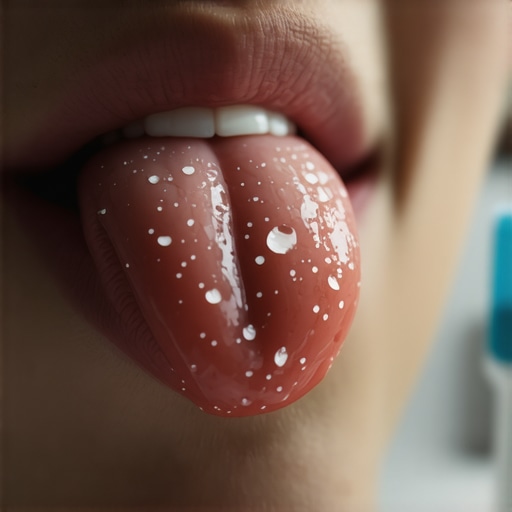
I remember the exact moment I realized my nighttime oral routine was a complete lie. My toddler pulled away from a morning hug, crinkled her nose, and asked, “Daddy, did you eat a garbage can?” I was mortified. I had brushed for two full minutes the night before. I had used the strongest mint mouthwash I could find. Yet, there it was—that thick, stale cloud that felt like it was stuck to the back of my throat. I used to think I was just destined to have “dragon breath” until I finally dug into the science of what was actually happening in my mouth while I slept. Today, I am going to share the specific shift that changed everything for me, so you can finally wake up without rushing to hide your face under the covers.
The Toothpaste Trap and Why Scrubbing Harder Fails
For years, I made the classic mistake of thinking that mechanical force was the answer. I bought the firmest toothbrushes I could find and scrubbed until my gums were sore. I even worried that my gum recession was caused by over-brushing, all because I was desperate to eliminate that morning odor. The reality is that the smell isn’t usually coming from your tooth enamel. Most of the bacteria responsible for that sulfurous stench live in the deep grooves of your tongue and in the pockets of your gums that a standard brush barely touches. I discovered the real reason your breath smells bad even after brushing and flossing has more to do with the environment of your mouth than the grit of your toothpaste. If your mouth gets dry or if you have a slightly higher acidity level, those bacteria throw a party while you dream. Have you ever felt like you were doing everything right but still woke up with a mouth that felt like a desert?
Is a fresh mouth actually possible or just marketing hype?
It is easy to get cynical and think that only expensive teeth whitening strategies or clinical treatments can save your social life. But the truth is much simpler. According to the American Dental Association, bad breath is often a sign of volatile sulfur compounds being produced by anaerobic bacteria. These little guys hate oxygen. My big mistake was neglecting my tongue and my hydration levels, thinking that minty flavor was the same thing as true cleanliness. We are going to look at how to flip the script on these bacteria without needing a chemistry degree or a massive dental bill. Before we dive into the steps, tell me: do you find yourself reaching for a mint the second you open your eyes, even if you brushed right before bed?
Hydrate Like Your Breath Depends On It
To stop the ‘garbage can’ smell, you have to address the drought in your mouth. When you sleep, your saliva production drops significantly. Saliva is your mouth’s natural detergent; it neutralizes acids and washes away food particles. Without it, your mouth becomes a stagnant pond where bacteria thrive. I started keeping a large glass of water on my nightstand and made it a rule to drink half of it right before my head hit the pillow. This simple habit keeps the tissues moist longer and prevents that sticky, localized film from forming. If you wake up with a parched throat, you are likely mouth-breathing, which accelerates the odor. For those of us using orthodontic hardware, this is even more critical. You might notice why your breath smells like vinegar after wearing aligners all night because the plastic traps those bacteria against your teeth, away from any circulating saliva. Drinking water doesn’t just help your breath; it protects your enamel from the acidic byproduct these bacteria produce.
The Tool Your Dentist Probably Forgot to Mention
Brushing your teeth is only half the battle. If you look at your tongue in a magnifying mirror, it looks like a shaggy carpet. Those tiny bumps, called papillae, are the perfect hiding spots for microscopic debris. I remember a business trip to Chicago where I forgot my toiletries. By day two, the mints weren’t working. I was so desperate I actually used a sterilized hotel spoon to scrape my tongue. It was gross, but the amount of white film I removed was shocking—and the smell vanished instantly. You don’t need a spoon, but you do need a dedicated stainless steel tongue scraper. Gently pull it from the back of your tongue to the front three or four times every night. This isn’t just for adults; even parents often wonder why your toddler’s breath smells bad despite regular brushing, and the answer is almost always the tongue. A quick, gentle sweep makes a world of difference. 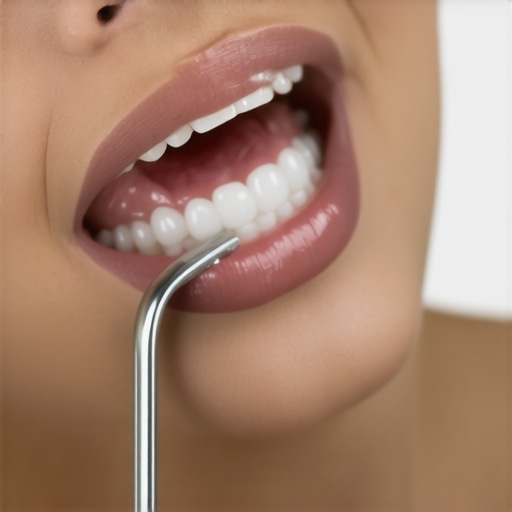
Keep Your Aligners and Veneers From Becoming Bacterial Hotels
If you have invested in cosmetic or corrective work, your cleaning routine needs an upgrade. Standard brushing isn’t enough when you have crevices created by appliances. For example, you must stop brushing your veneers like they are real teeth because abrasive pastes can create micro-scratches that actually hold onto odors and stains. Instead, use a non-abrasive gel. If you wear a night guard or Invisalign, that plastic is a magnet for plaque. I found that the hidden reason your clear aligners have a persistent odor is often a buildup of biofilm that you can’t see with the naked eye. You should be soaking your trays in a specialized cleaning solution while you eat breakfast. Knowing how to properly clean a night guard to prevent bacterial buildup ensures that you aren’t just reintroducing 10 hours of bacteria back into your mouth every single night. Consistency here is the difference between a clinical-feeling mouth and a swampy one.Beyond just the cleanliness of these appliances, there is a technical nuance most people overlook. We often think of cosmetic upgrades as ‘one and done,’ but the truth is that the biology of your smile dictates the outcome far more than the price tag. For example, most people assume that if their teeth aren’t bright enough, they just need a higher concentration of peroxide. This is the biggest ‘trap’ in modern aesthetics. If you are struggling with why your teeth look gray instead of yellow and how to fix it, simply amping up the bleach can actually make your teeth look worse. Grayish tones are often internal, and over-bleaching creates a translucent effect where the dark oral cavity behind the teeth actually shows through, making your smile look ‘hollow’ or ghostly. 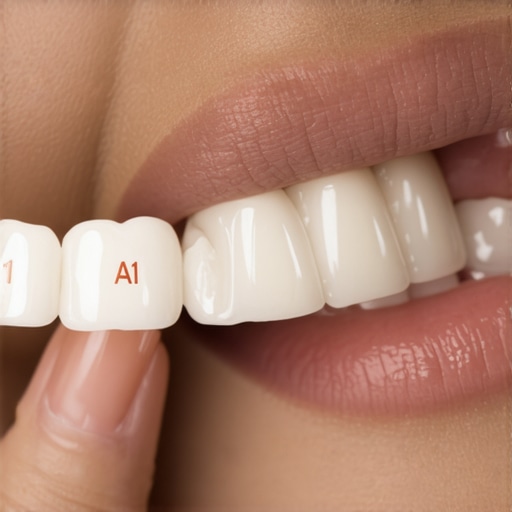
Why Your Teeth Stay Gray Despite the Strongest Bleach
I have seen so many people fall into the cycle of over-whitening. They read the ultimate guide to teeth whitening options in 2025 and assume the highest ‘percentage’ gel is the winner. But according to a study in the Journal of Esthetic and Restorative Dentistry, the enamel’s porosity and thickness are the true gatekeepers of your color. If you overdo it, you risk permanent sensitivity. Timing is also a hidden variable; specifically, the best time of day to whiten your teeth for maximum results is actually at night, right before your saliva production drops, allowing the minerals in your saliva to ‘re-seal’ the enamel while you sleep.
Why does my professional whitening look different every time I do it?
This is a sophisticated question that boils down to hydration and diet. If you whitened yesterday after a week of heavy coffee drinking, your enamel ‘plugs’ are already saturated. You also have to consider the ‘Oops’ factor of matching your restorations. If you have veneers, you need to know how to tell if your veneers are too white for your complexion because unlike natural teeth, they won’t change color with bleach. You could end up with a ‘checkered’ smile where your natural teeth are glowing but your porcelain looks dull by comparison.
Don’t Treat Your Family Like One Big Dental Patient
In the world of family dentistry, the nuance is even more critical. Many parents try to streamline their lives by using the same products for everyone, but ensuring family dental care means recognizing that a teenager’s enamel is not the same as a 40-year-old’s. For those using clear aligners to fix spacing issues, the secret isn’t just wearing the trays; it’s the hidden mechanics behind Invisalign secrets for achieving a perfect smile discreetly, such as how attachments interact with your unique bite. When looking into expert tips for transforming your smile with veneers, remember that structural integrity beats shade every time. Have you ever fallen into this trap? Let me know in the comments.I used to think that once the veneers were on or the Invisalign trays were finished, I could just coast. But the truth is, the first six months after a major dental transformation are actually the most dangerous for your investment. This is when old habits try to sneak back in, and if you aren’t careful, you will find yourself wondering how to tell if your dental crown needs to be replaced much sooner than you expected. I’ve learned that maintaining a high-end smile requires a shift from ‘cleaning’ to ‘preserving.’
Stop the Slow Fade of Your Professional Results
The biggest threat to your new look isn’t a single cup of coffee; it’s the invisible biofilm that builds up in the hard-to-reach nooks of your restorations. I personally swear by an ultrasonic cleaner for my night guards and aligners. If you’ve ever struggled with how to clean the stubborn gunk out of your night guard, you know that a toothbrush just doesn’t cut it. A study published in the International Journal of Dentistry found that ultrasonic cleaning is significantly more effective at removing pathogenic biofilms from dental appliances than manual scrubbing alone. It uses high-frequency sound waves to create cavitation bubbles that literally blast the bacteria off the surface without scratching the delicate plastic. This is the only way I’ve found to truly how to stop your clear aligners from turning yellow over time.
How do I keep my smile looking day-one fresh over time?
Consistency is the short answer, but the real secret is ‘micro-maintenance.’ Instead of waiting for a bi-annual cleaning to address stains, I use a water flosser every single night. If you are debating veneers vs crowns which is right for your smile, remember that both require impeccable gum health to look natural. I set my water flosser to a medium-low setting—high pressure can actually aggravate the seal where the restoration meets the natural tooth. By flushing out those margins daily, you prevent the ‘dark line’ of decay that often ruins perfectly good cosmetic work.
My Personal High-Tech Maintenance Kit
Beyond the water flosser, I’ve moved away from standard string floss toward specialized picks that can navigate around permanent hardware. If you have a lingual wire, you need to master the best method for flossing under a permanent lingual retainer or you are just inviting tartar to set up shop. I also keep a stash of non-abrasive, hydroxyapatite-based toothpaste. Unlike traditional pastes that use grit to ‘scrub’ stains, hydroxyapatite actually works to re-mineralize the microscopic pores in your enamel, which is a massive win for ensuring family dental care for kids whose enamel is still maturing. 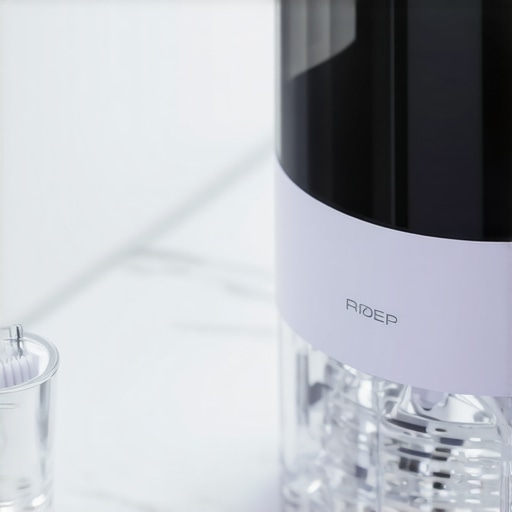 Looking toward the future, I see a huge trend in at-home dental monitoring. We are already seeing Invisalign innovation and invisible braces changing smiles in 2025 through AI-driven apps that track tooth movement via your smartphone camera. Soon, we won’t just be guessing if our gums are receding; we will have data-backed alerts telling us exactly where we are over-brushing. My advice? Invest in a high-quality ultrasonic cleaner today—it’s the single best way to protect your aligners and guards from that ‘old plastic’ smell.
What I Discovered After Thousands of Morning Breath Battles
First, whitening isn’t a race to the brightest shade imaginable. If you overdo it, you lose that natural translucency and depth. I’ve found that the best time of day to whiten your teeth for maximum results is actually right before bed, which allows the enamel to settle without food interference. Second, your mouth’s pH balance is more important than how hard you scrub. Acidic environments are absolute breeding grounds for bad breath bacteria. Finally, the best dental insurance I’ve ever found is simply a 30-second tongue scrape and a full glass of water before sleep. These small ‘micro-wins’ compound into a lifetime of social confidence.
The Non-Negotiables for My Daily Smile Routine
I trust three specific tools above all else to maintain my results. A high-quality water flosser is a game-changer for anyone currently debating veneers vs crowns which is right for your smile because it protects the delicate gum line where restorations meet your natural tooth. I also swear by an ultrasonic cleaner for my night guards; it is truly the only way to avoid that ‘stale plastic’ smell. Lastly, I keep a reference of the ultimate guide to teeth whitening options in 2025 on hand to make sure I am not damaging my enamel with fleeting social media trends. #IMAGE_PLACEHOLDER_E#
Your Smile is Your Most Personal Investment
Taking care of your teeth isn’t just about the aesthetics; it is about the comfort of waking up and not feeling the need to hide your face. Whether you are managing your own complex routine or ensuring family dental care for the next generation, remember that consistency beats intensity every single time. You don’t need a perfect smile to have a healthy one, but you do need to be a proactive steward of the teeth you have. Have you ever tried a tongue scraper and been shocked by the results? Let me know in the comments below!