
How to tell if your dental crown is loose or just sensitive
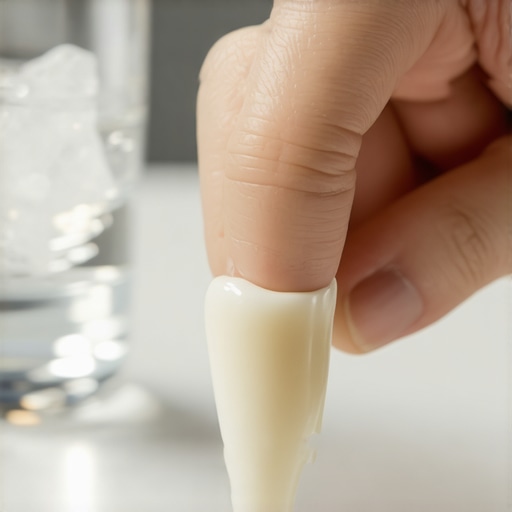
I remember sitting at brunch last Sunday, minding my own business with a piece of crusty sourdough toast, when I felt it. A tiny, sickening click. My heart skipped a beat. Was my crown—the one I had placed just a few years ago—actually shifting, or was I just overreacting because the iced coffee was hitting a nerve? That specific panic of not knowing if you are facing a multi-hundred-dollar repair or just a temporary ‘zing’ is something I wouldn’t wish on anyone. It is that weird middle ground where you are constantly poking at your tooth with your tongue, trying to decide if it is moving or if you are just losing your mind.
Why That Tiny Click in Your Tooth Is Stressing You Out
Trust me, I have made the mistake of ignoring a weird sensation before. Early on, I thought a ‘high’ feeling on a new restoration was just something I had to get used to, but it turns out ignoring a crown that feels high when you bite can lead to some serious jaw pain and even crack the porcelain. Today, I want to help you figure out exactly what is going on in your mouth so you can stop worrying. We are going to break down the physical signs of a loose crown versus the tell-tale symptoms of simple tooth sensitivity. Have you ever spent an entire afternoon obsessively checking your tooth in the mirror? If so, you are definitely not alone. It is important to remember that while these restorations are tough, they aren’t invincible. According to the American Dental Association, while crowns are designed to be a long-term solution, the average lifespan ranges from five to 15 years depending on wear and tear.
Can a crown really just wiggle loose for no reason?
It is the question everyone asks when they feel that first hint of movement. You might wonder if you are just being paranoid about a little cold sensitivity. Usually, sensitivity feels like a sharp, sudden jolt that disappears quickly, often triggered by a cold drink or a sugary treat. However, if you feel a literal ‘give’ when you press on it, or if it feels like your bite has suddenly changed, you might be looking at a cement failure. This is often the case when people are deciding between veneers vs crowns; both require a solid bond to stay put. If that bond breaks, bacteria can sneak underneath, which is exactly why we need to identify the problem fast. We are going to look at the specific tests you can do at home—without tools, please!—to see if it is time to call the office or just switch to a desensitizing toothpaste. Knowing how to tell if your dental crown needs to be replaced is the first step in saving your natural tooth underneath.
Find the Movement Before You Call the Office
To figure out if you are dealing with a structural failure or just a passing phantom pain, you need to perform a controlled home check. Start by washing your hands thoroughly—never put dirty fingers in your mouth near a potential infection site. Use your index finger and thumb to gently grasp the crown. Try to wiggle it side-to-side and up-and-down. If you feel even a microscopic amount of ‘give,’ the cement has likely failed. Think of your crown cement like the gasket in a car engine; it creates a pressurized seal that keeps everything running smoothly. Once that seal breaks, the ‘engine’ (your natural tooth) is exposed to the elements. I learned this the hard way three years ago when I felt a tiny click while eating a gummy bear. I convinced myself I was imagining things and waited a month. By the time I visited my regular provider for family dentistry, the seal had been breached long enough for a small cavity to form underneath the restoration. If you are noticing why your dental implant crown feels slightly wiggly when you chew, the process is slightly different because you are dealing with a screw and abutment rather than cement, but the urgency to get it tightened is exactly the same.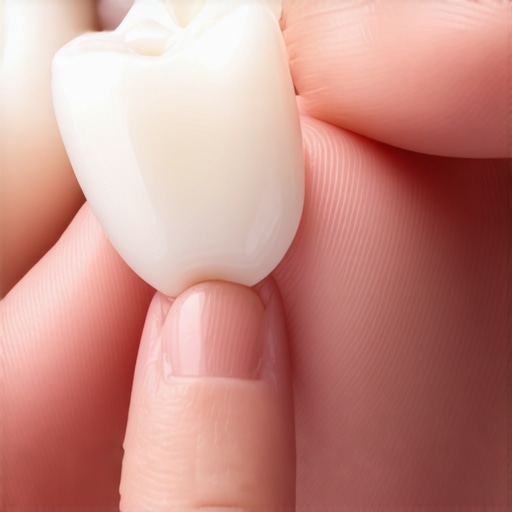
Is It Temperature Shock or a Structural Failure?
Sometimes what feels like a loose tooth is actually just extreme sensitivity. If you recently had a procedure, you might be experiencing ‘zingers,’ which are sharp, electric-like shocks. You often see people asking how to manage the zingers after a professional whitening session, and the sensation is remarkably similar to a crown with a compromised margin. To tell the difference, pay attention to the trigger. If the pain only happens when you drink ice water or eat something very sweet, it is likely why your teeth feel sensitive to sugar but not to cold, indicating the enamel or the gum line is exposed, but the crown might still be physically secure. However, if the pain happens specifically when you release your bite, that is a red flag for a loose restoration.
Why That Specialized Glue Eventually Gives Up
Dental cement is incredibly strong, but it is not a ‘forever’ fix. Over time, the constant pressure of chewing—roughly 150 to 200 pounds of force per square inch—can micro-fracture the bond. This is even more common if you have a habit of grinding your teeth at night. If the crown was not perfectly fitted from the start, you might notice why your new crown feels high when you bite down, which creates an uneven distribution of force that practically hammers the cement until it shatters. This is similar to how why your veneers feel like they are catching on your tongue; it is usually a sign that the smooth transition between the restoration and your tooth has developed a ledge. When that ledge appears, it acts like a tiny crowbar every time you eat. If you find yourself in a situation where the crown actually comes off after hours, treat it like an orthodontic emergency—similar to knowing how to handle a loose bracket when your orthodontic office is closed. Keep the crown safe, clean it gently, and never try to superglue it back into place. Knowing how to tell if your dental crown needs to be replaced comes down to this: if the cement is gone and the underlying tooth structure is soft or decayed, a simple re-cementing won’t cut it.Most people assume that once a crown or veneer is bonded in place, the ‘aesthetic’ part of the journey is over. However, there is a nuance that even savvy patients often overlook: your restoration is a time capsule. While your natural teeth will continue to age, shift, and change color based on your diet, the porcelain remains exactly the same shade as the day it was fired in the kiln. This leads to a common trap where people decide to brighten their smile years later, only to find that choosing the right teeth whitening options becomes a nightmare because their front-and-center dental work no longer matches their new, whiter shade.
The Whitening Trap Most People Fall Into
I have seen it a dozen times: a patient spends years drinking coffee, then uses a heavy-duty bleaching kit, only to realize their crown now looks like a yellow ‘canary’ in a coal mine of white teeth. You cannot whiten porcelain. If you are planning on changing your look, you have to whiten your natural teeth first, then match the restoration to that new baseline. If you do it in the wrong order, you are essentially committing to a very expensive replacement of a perfectly functional crown just to fix the color. This is why many people struggle with how to stop your veneers from looking too white and fake; they didn’t account for the natural translucency and the way the color interacts with the rest of the mouth over time. Have you ever fallen into this trap of trying to match a single tooth to a changing smile? Let me know in the comments. 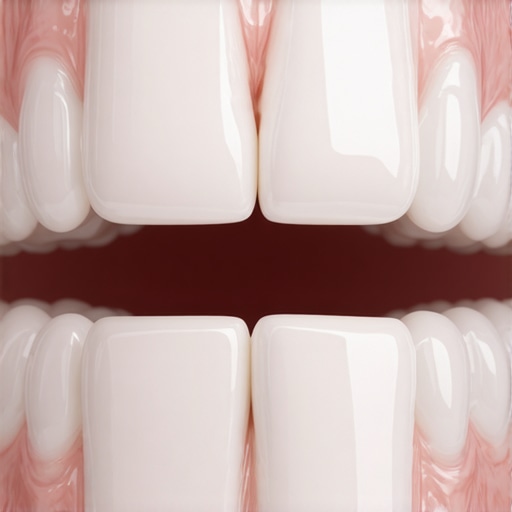
Why You Should Never Scrub Your Porcelain with Charcoal
Here is a contrarian take: your ‘extra-whitening’ toothpaste might be the worst thing for your expensive dental work. While you might think you are keeping it clean, many boutique toothpastes are incredibly abrasive. The Mohs scale of mineral hardness doesn’t lie; while porcelain is tough, the specialized glazes used to give crowns their lifelike sheen can be micro-scratched. Once that glaze is gone, the restoration becomes a magnet for plaque and stains. I always tell my friends to stop brushing your veneers like they are real teeth with those gritty, charcoal-based products. Instead, stick to a low-abrasion fluoride paste. According to a study published in the Journal of Prosthetic Dentistry, the surface roughness of ceramic restorations increases significantly when exposed to high-RDA (Relative Dentin Abrasivity) toothpastes, which can eventually lead to the truth about using charcoal toothpaste on porcelain surfaces being a story of permanent damage rather than a brighter smile.
Does your gum line look darker than it used to?
This is a sophisticated concern that often signals a ‘hidden’ mistake: ignoring the biological width. If a crown was placed too deep, or if your gums are beginning to recede due to aggressive brushing, you might see a dark line at the base. Many people think this is a new cavity, but it is often just the metal substructure of an older porcelain-fused-to-metal (PFM) crown showing through. This is precisely why your gums look grey around your old porcelain crowns. Modern dentistry has largely moved toward all-ceramic or zirconia options to avoid this ‘tattoo’ effect, but if you have older work, the dark line is a sign that the ‘fit’ is no longer harmonious with your aging gum tissues. Managing these nuances is what separates a long-lasting restoration from one that needs a redo every five years.
The Gadget I Actually Use Every Single Night
People always ask if they really need to floss if they have veneers or a crown. The answer is a loud ‘yes,’ but the method matters more than the frequency. I personally swear by a cordless water flosser with a ‘Plaque Seeker’ tip. If you have ever struggled with how to clean a dental bridge without getting floss stuck, you know that traditional string can shred or snag, causing more irritation than it solves. The specialized tip has three thin tufts of bristles that reach those tiny gaps where the porcelain meets your natural tooth. A study published in the Journal of Clinical Periodontology highlights that water flossing can be up to twice as effective as string floss at reducing gingival bleeding, which is crucial for preventing the recession that exposes those ugly gray margins.
Why Your Night Guard Is Your Best Insurance Policy
If you have invested in expert tips for veneers, you need to understand friction management. Even if you don’t think you grind your teeth, the stress of daily life often manifests as ‘micro-clenching’ at 3 AM. This constant pressure can cause porcelain to fatigue over time. I recommend a custom-fit occlusal guard; it is the cheapest insurance policy you will ever buy for a multi-thousand-dollar smile. To keep it from getting gross, make sure you know how to clean the stubborn gunk out of your night guard using an effervescent soak. 
Keeping Your Aligners Fresh While You Sleep
For those navigating Invisalign innovation, the maintenance hurdle is often the odor. I’ve found that using an ultrasonic cleaner—the same kind used for delicate jewelry—is a game changer. It uses high-frequency sound waves to blast away biofilm that a toothbrush simply cannot reach. It is the most reliable way to fix the hidden reason your clear aligners have a persistent odor. I predict that by late 2025, we will see these ultrasonic baths become standard in every household, potentially even integrated with UV-C light for total sterilization.
How do I keep my dental work looking brand new for a decade?
It comes down to consistency and the right chemicals. I recommend avoiding any mouthwash containing alcohol, as it can potentially soften the composite resins used in some bonding agents over several years. Instead, look for a pH-neutralizing rinse. This is especially important for achieving a perfect smile discreetly, as keeping the oral environment alkaline prevents the acid erosion that makes teeth look dull. Pro Tip: When you aren’t wearing your aligners, remember the best way to store your clear aligners is in a ventilated case to prevent anaerobic bacteria from thriving. Try adding an ultrasonic cleaner to your routine this week and see how much clearer your trays stay.
Three Realizations That Saved My Dental Crown Budget
Reflecting on my own dental mishaps, I have come to realize that the ‘click’ is never just a click—it is a conversation your body is trying to have with you. When I first started my journey with family dentistry, I assumed that once a tooth was fixed, it was invincible. I was wrong. My biggest lightbulb moment was discovering that the biological seal around a crown is dynamic; it reacts to everything from your stress levels to your hydration. I also learned that ensuring family dental care starts with listening to those tiny physical cues before they become expensive emergencies. Finally, I realized that modern veneers are a partnership between the dentist’s skill and your daily discipline.
What I Keep in My Medicine Cabinet to Protect My Investment
Maintaining high-end dental work requires more than a standard toothbrush. I personally rely on a few specific tools to keep everything in top shape. First, an alkaline mouthwash is essential for neutralizing acids that can weaken cement. Second, I recommend a specialized water flosser; it makes a huge difference, especially if you need the secret to removing popcorn hulls from under a bridge without tugging on the porcelain. For anyone using invisalign or wearing a night guard, keeping those appliances sterile is non-negotiable. Check out my favorite tips on how to properly clean a night guard to ensure you are not re-introducing bacteria to your gums every night. These small additions to your toolkit are the bridge between a five-year restoration and a twenty-year success story.
#IMAGE_PLACEHOLDER_E#
Your Future Smile Depends on Today’s Habits
As we look toward the future of oral health, it is clear that technology like 3D scanning and smart brushes will help, but the foundation remains the same: proactive care. Whether you are currently exploring teeth whitening secrets for a sparkling smile or managing a complex set of veneers, remember that you are in control of the longevity of your smile. Don’t let the fear of a repair keep you out of the dentist’s chair. A quick adjustment today can save you from a full replacement tomorrow. Your smile is your most visible asset, and it deserves the highest level of respect and care. Take that first step and schedule a check-up if something feels even slightly off.
Have you ever felt a tiny shift in your dental work and ignored it, or did you head straight to the office? Let me know your experiences in the comments below.